
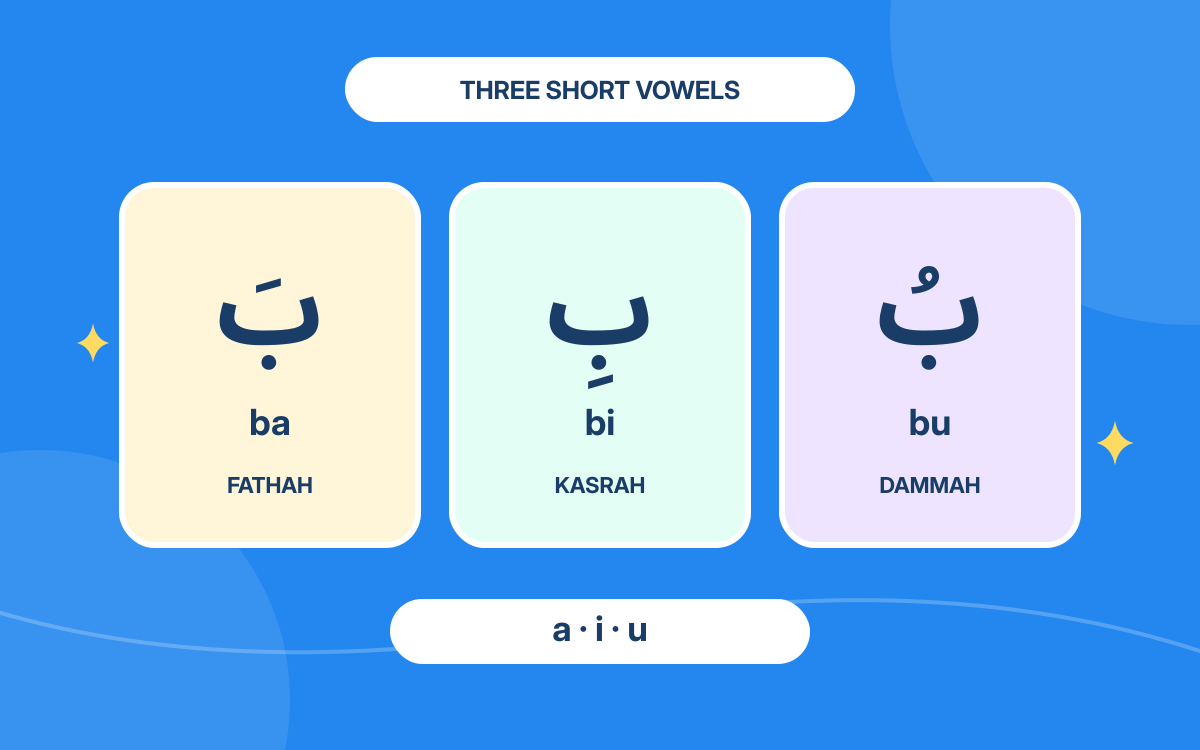
Arabic Short Vowels: Fathah, Kasrah and Dammah
Read fathah, kasrah and dammah as short a, i and u. Practise clear marked letters, words and short versus long vowels with seven quick questions.
Syed Masthan, M.A.Understand Arabic grammar through clear explanations, examples and short quizzes. Follow a steady path from beginner foundations to intermediate topics.
Read fathah, kasrah and dammah as short a, i and u. Practise clear marked letters, words and short versus long vowels with seven quick questions.
Syed Masthan, M.A.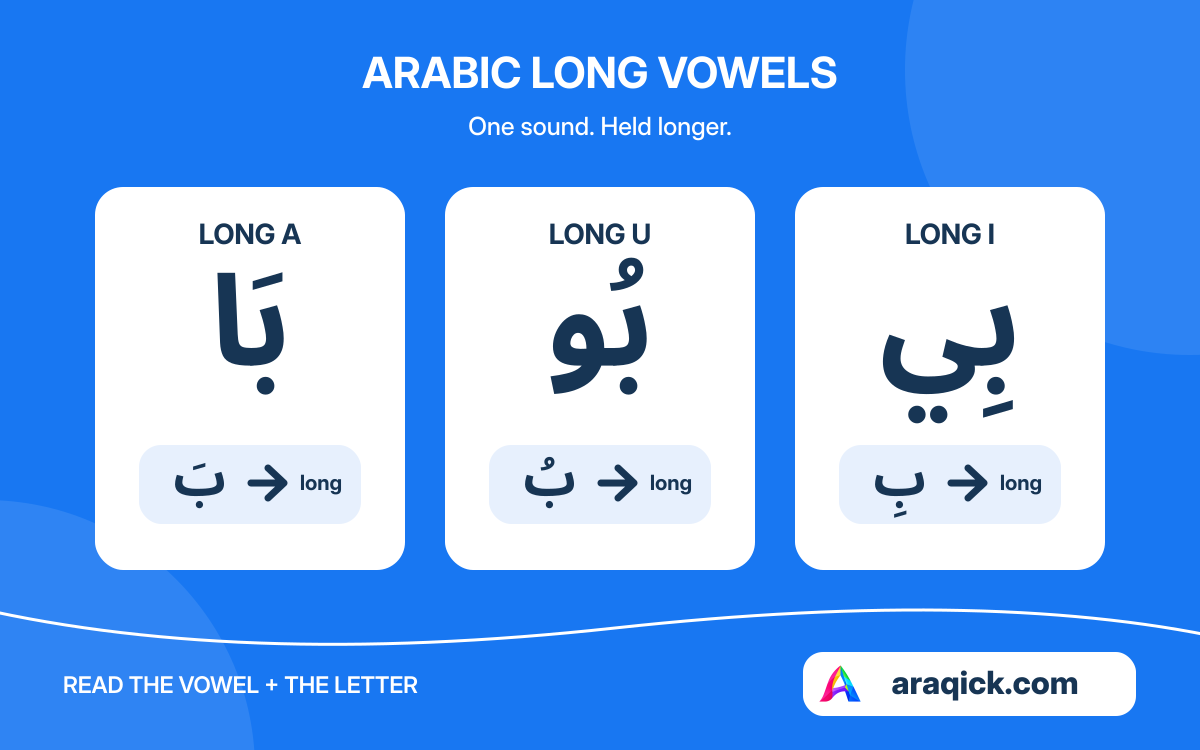
Read Arabic long vowels with alif, waw and ya, distinguish them from consonants, and practise with examples and seven questions.
Syed Masthan, M.A.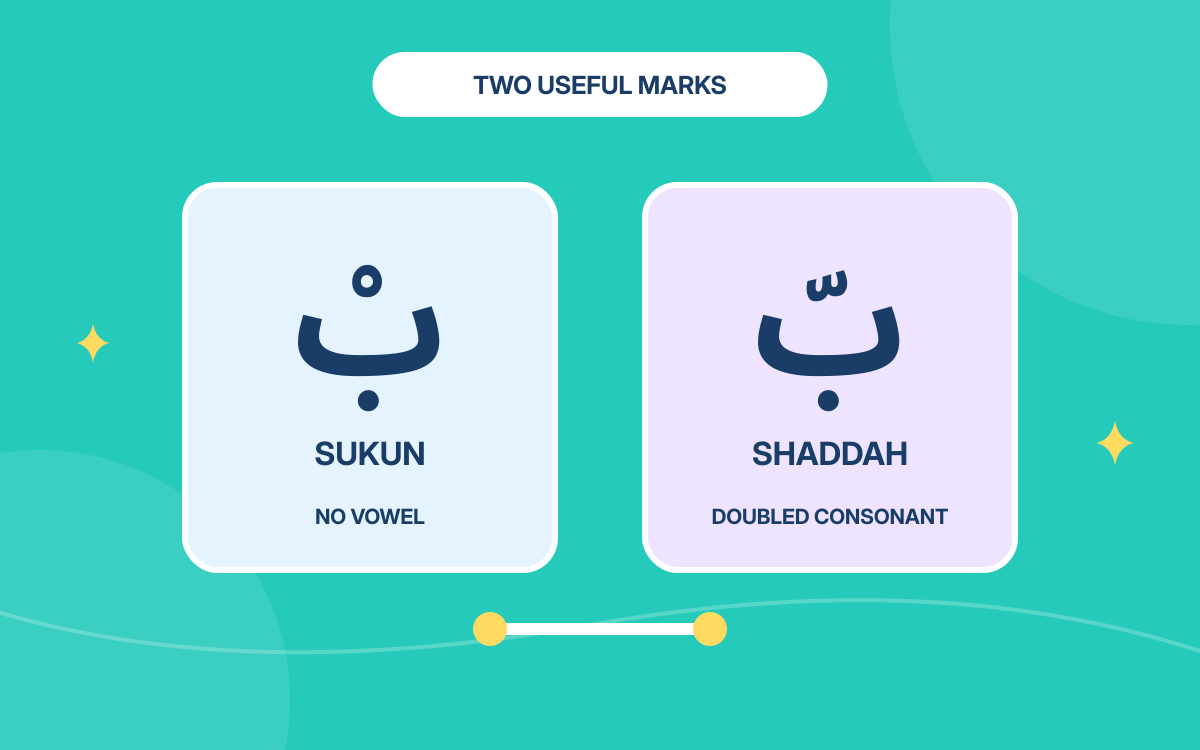
Tell sukun and shaddah apart with marked Arabic examples. Practise consonants without vowels, doubled consonants and seven short reading questions.
Syed Masthan, M.A.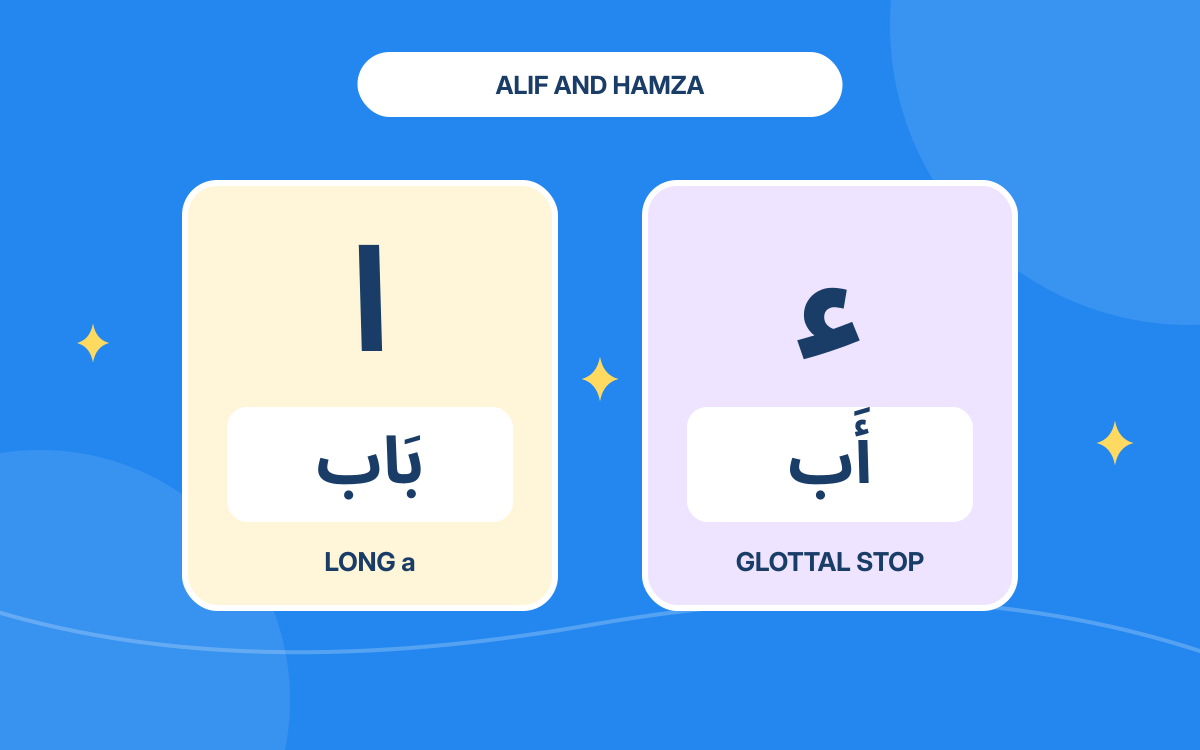
Tell the long a of alif from the consonant hamza. Read أ, إ, آ and ء in clear examples, then practise with seven quick questions.
Syed Masthan, M.A.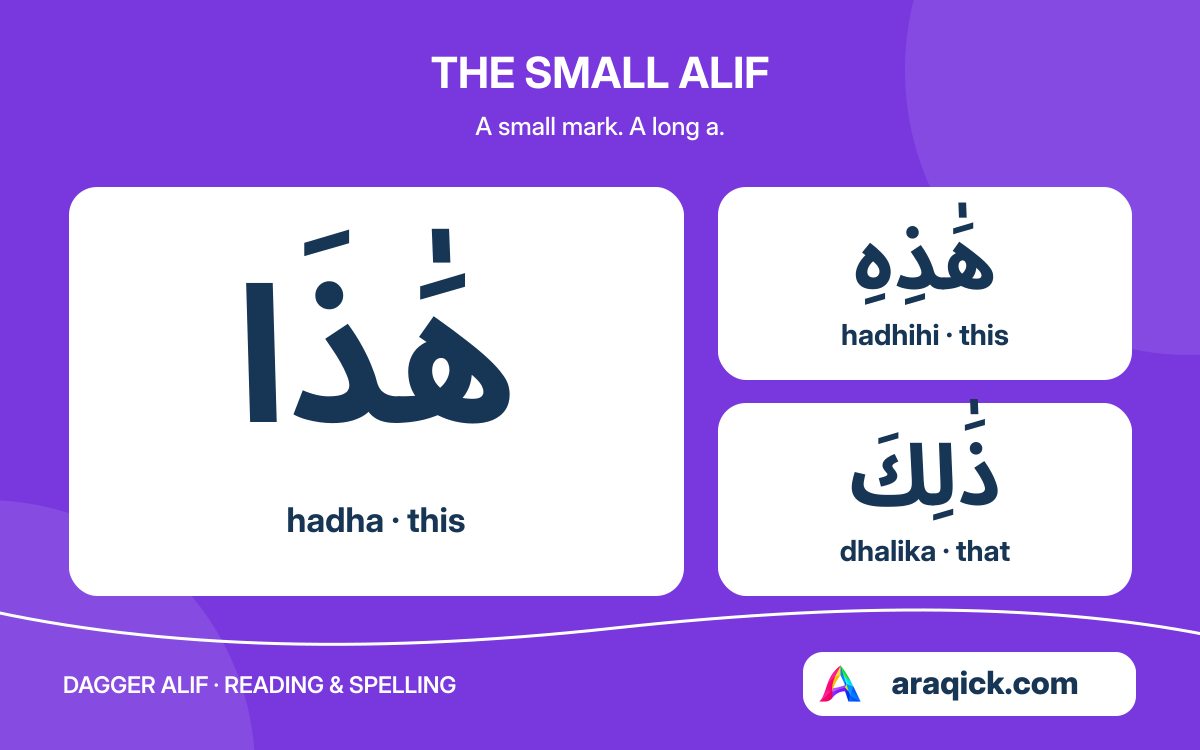
Understand dagger alif in hadha, hadhihi and dhalika, recognise the small mark, and practise conventional Arabic spelling.
Syed Masthan, M.A.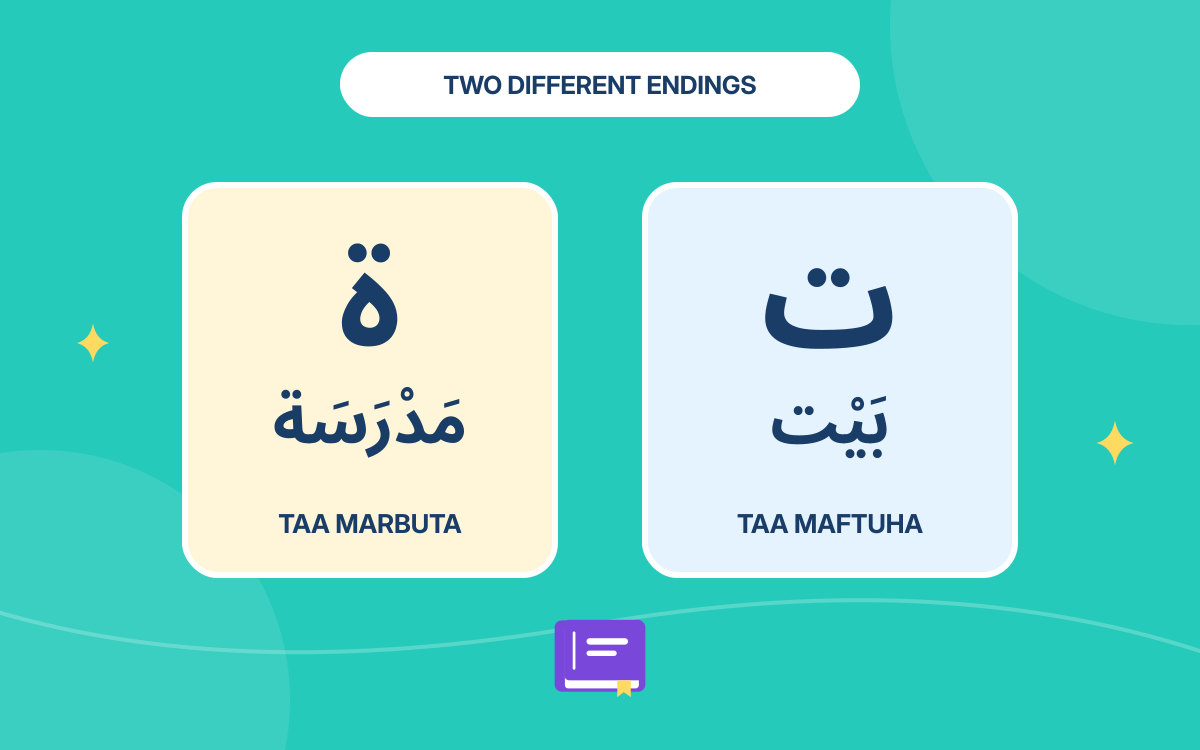
Recognise ة and ت, compare their paused and full readings, and see why حقيبة becomes حقيبتي. Practise spelling with seven questions.
Syed Masthan, M.A.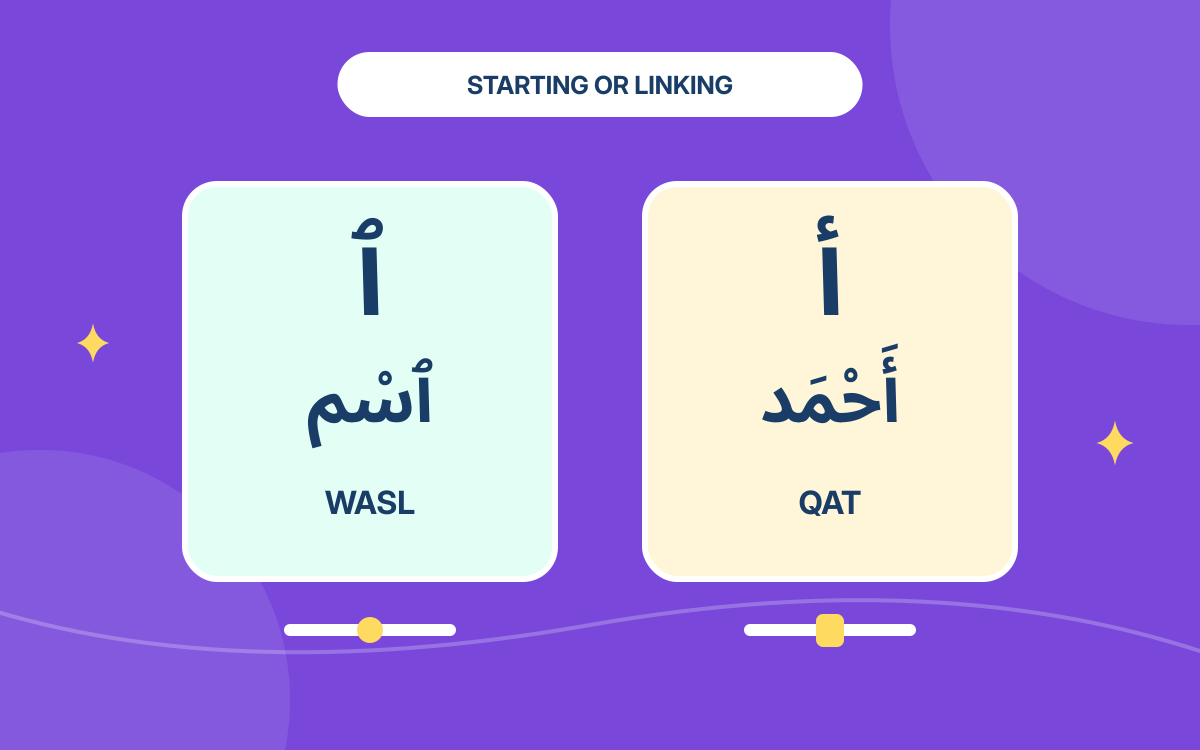
Learn when initial hamza is pronounced or dropped in connected Arabic. Compare the book, and the book, and I with seven quick questions.
Syed Masthan, M.A.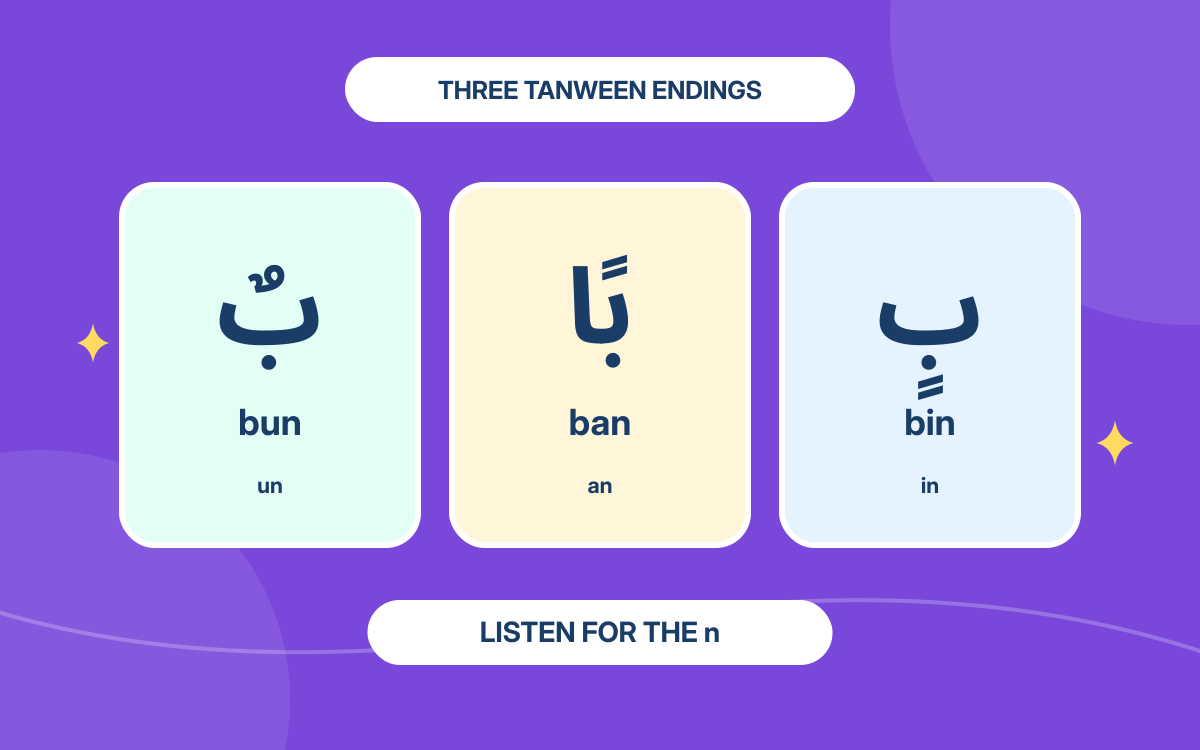
Learn tanween as un, an and in with marked Arabic examples, full-form readings, pause notes and seven quizzes. Understand why names can also have tanween.
Syed Masthan, M.A.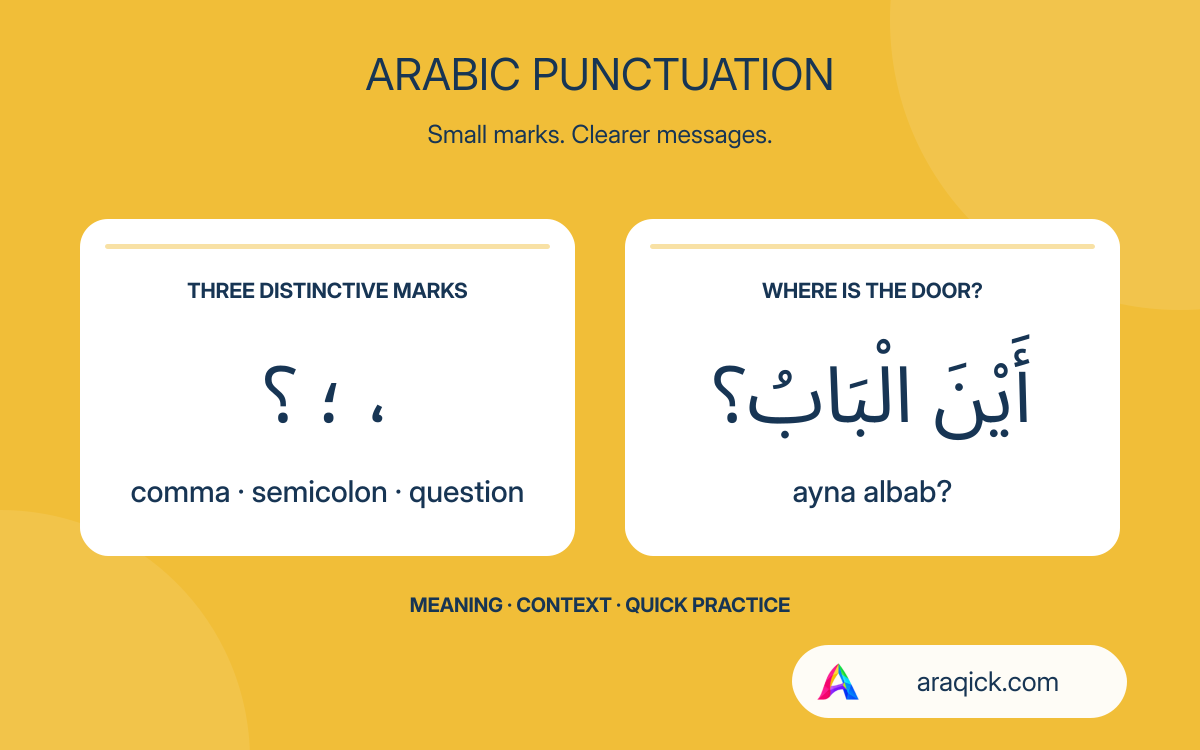
Learn Arabic punctuation with the comma ،, semicolon ؛ and question mark ؟. Compare examples, spacing and mixed-direction text with seven practice questions.
Syed Masthan, M.A.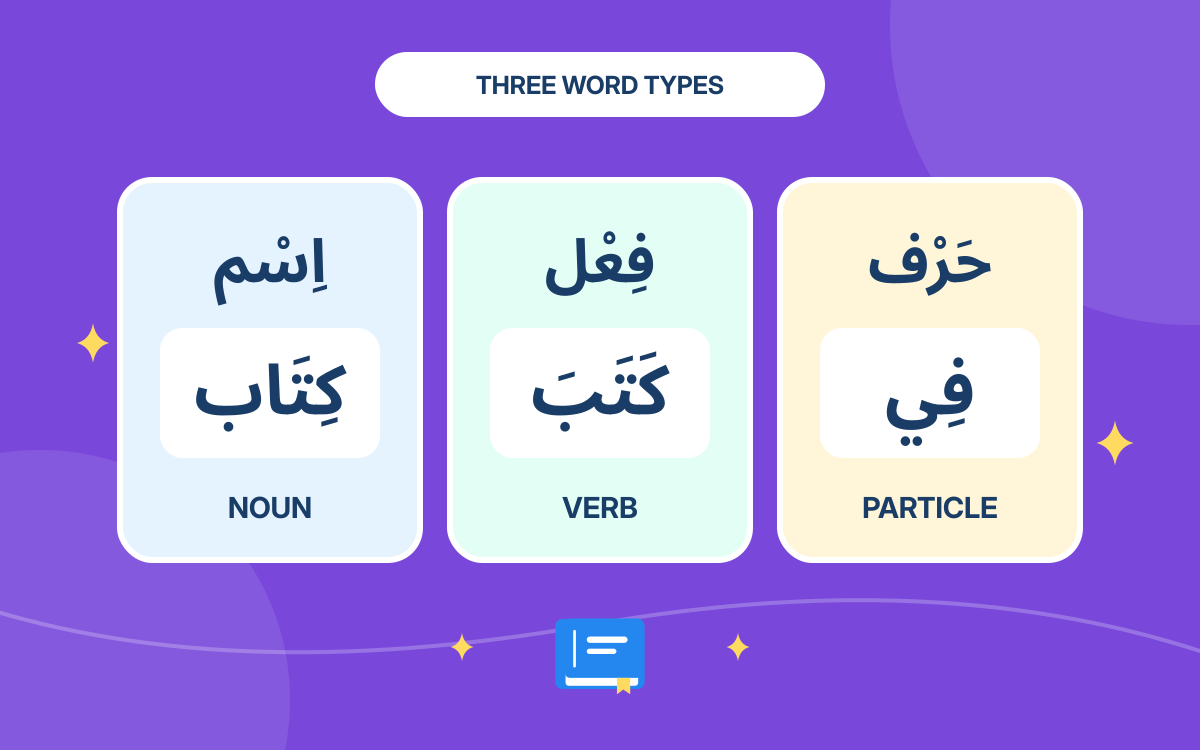
Understand ism, fil and harf with clear Arabic examples. Sort nouns, verbs and particles, then practise sentence building in seven quick quizzes.
Syed Masthan, M.A.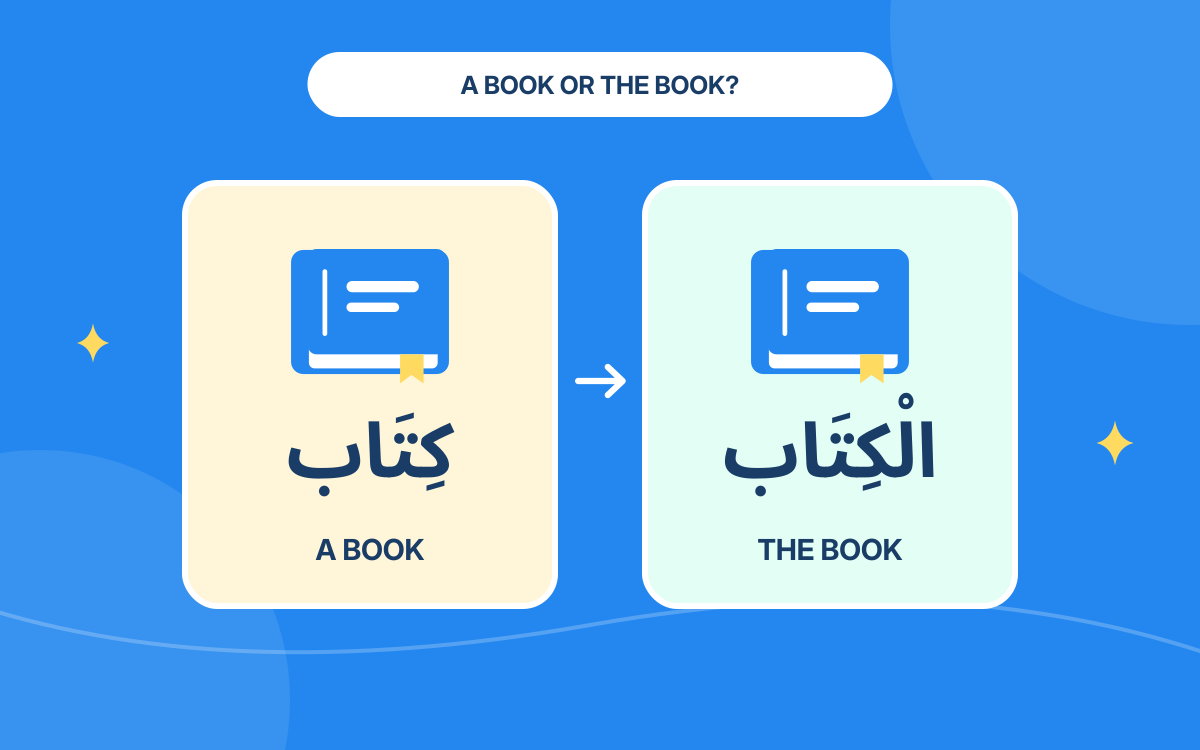
Understand a book versus the book, attach ال correctly, and avoid common tanween mistakes with seven short Arabic grammar quizzes.
Syed Masthan, M.A.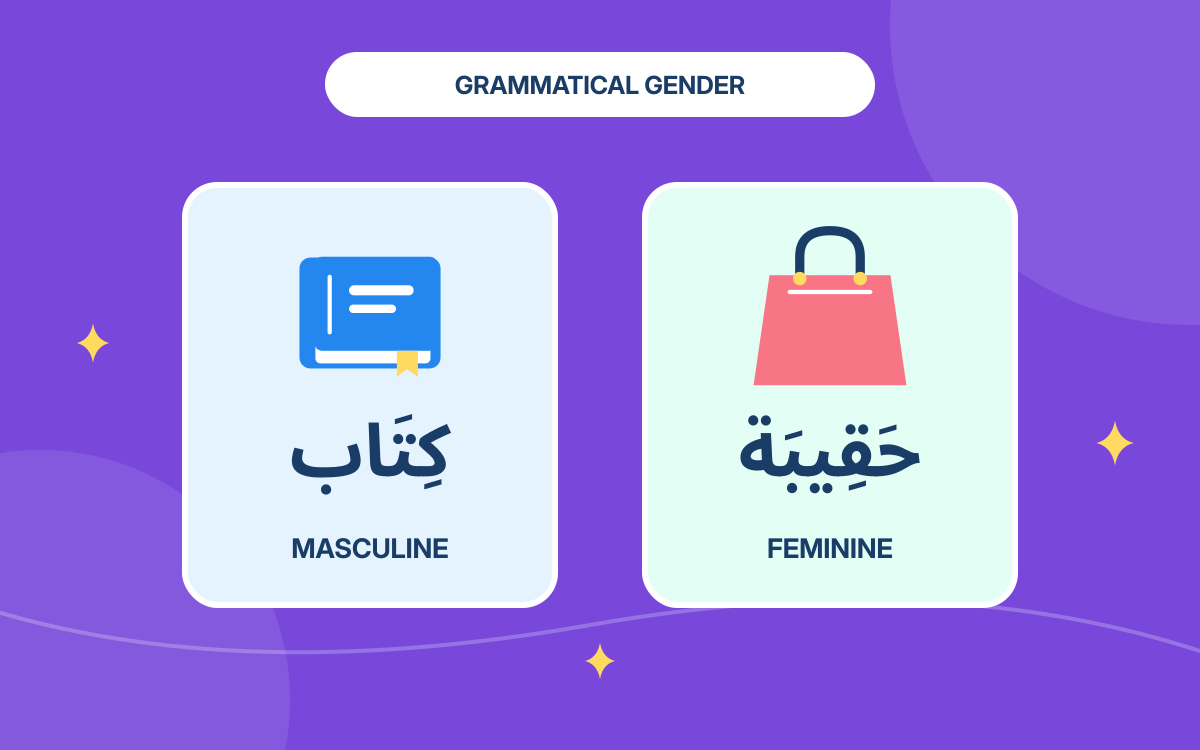
Recognise masculine and feminine Arabic nouns, use matching descriptions, and learn common exceptions through seven quick questions.
Syed Masthan, M.A.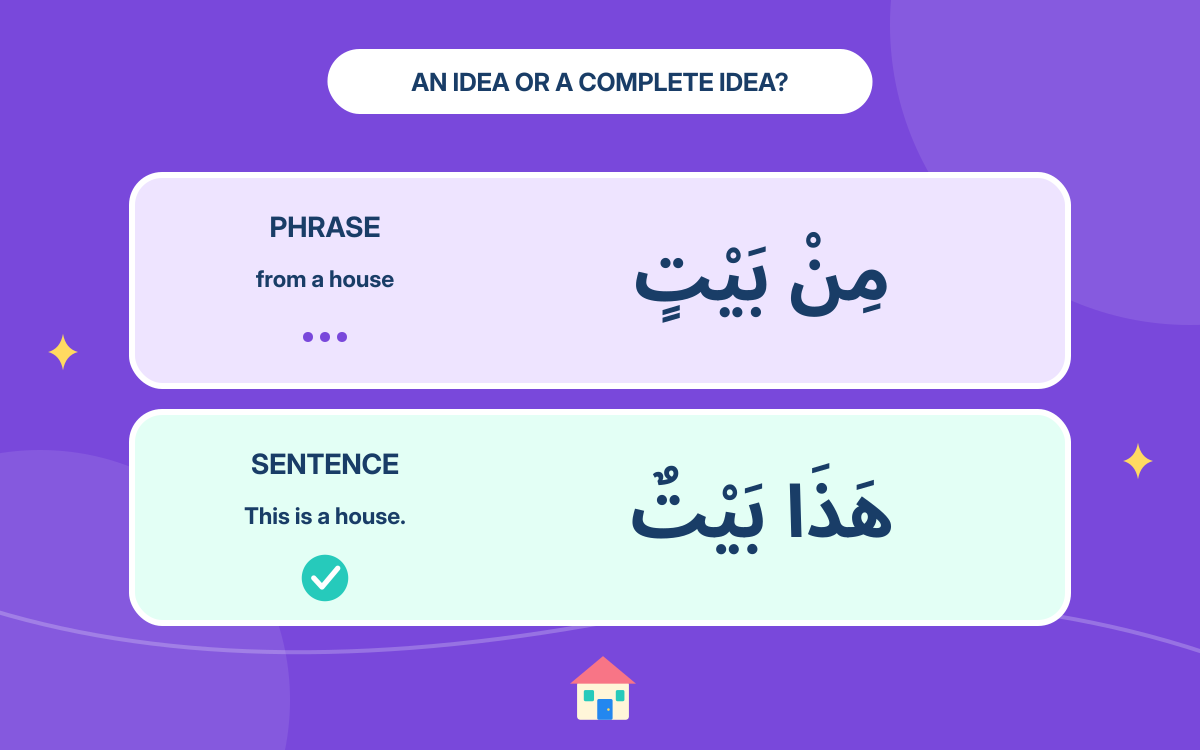
Tell an Arabic phrase from a complete statement through short examples, a clear meaning check and seven interactive practice questions.
Syed Masthan, M.A.
Understand the basic Arabic nominative, accusative and genitive cases using one book, clear examples and seven short practice questions.
Syed Masthan, M.A.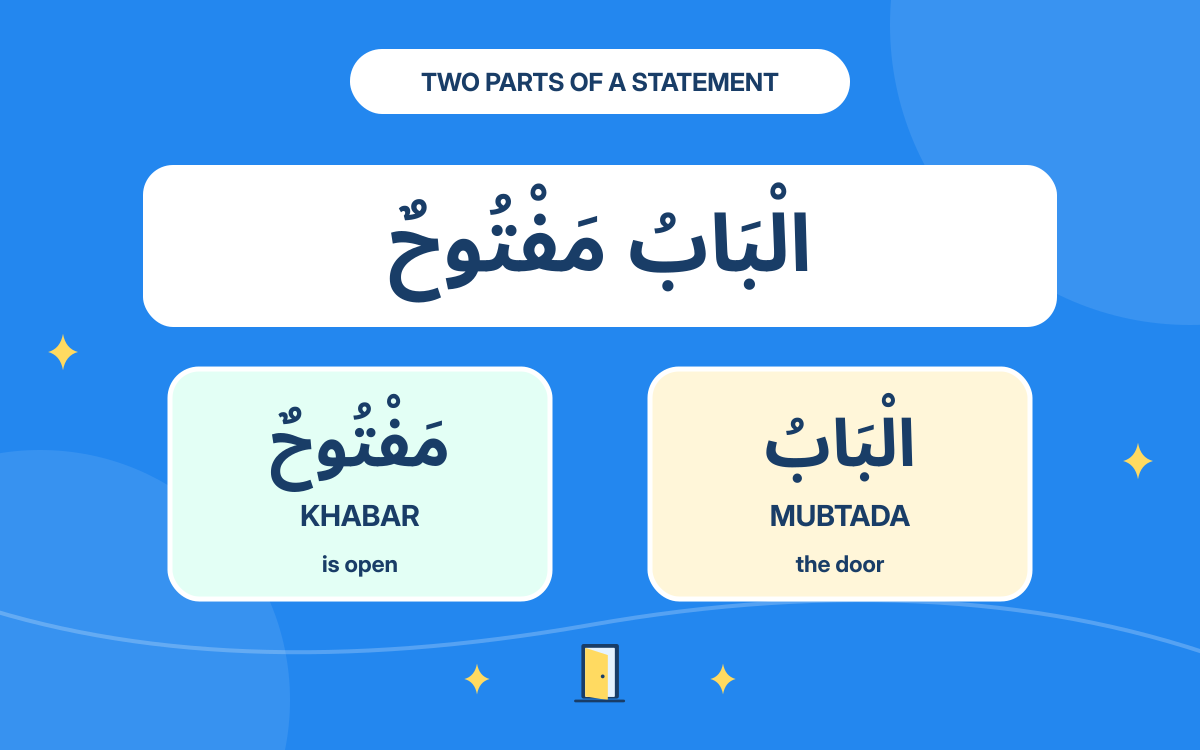
Find the mubtada and khabar in simple Arabic nominal sentences, understand their endings and practise with seven short quizzes.
Syed Masthan, M.A.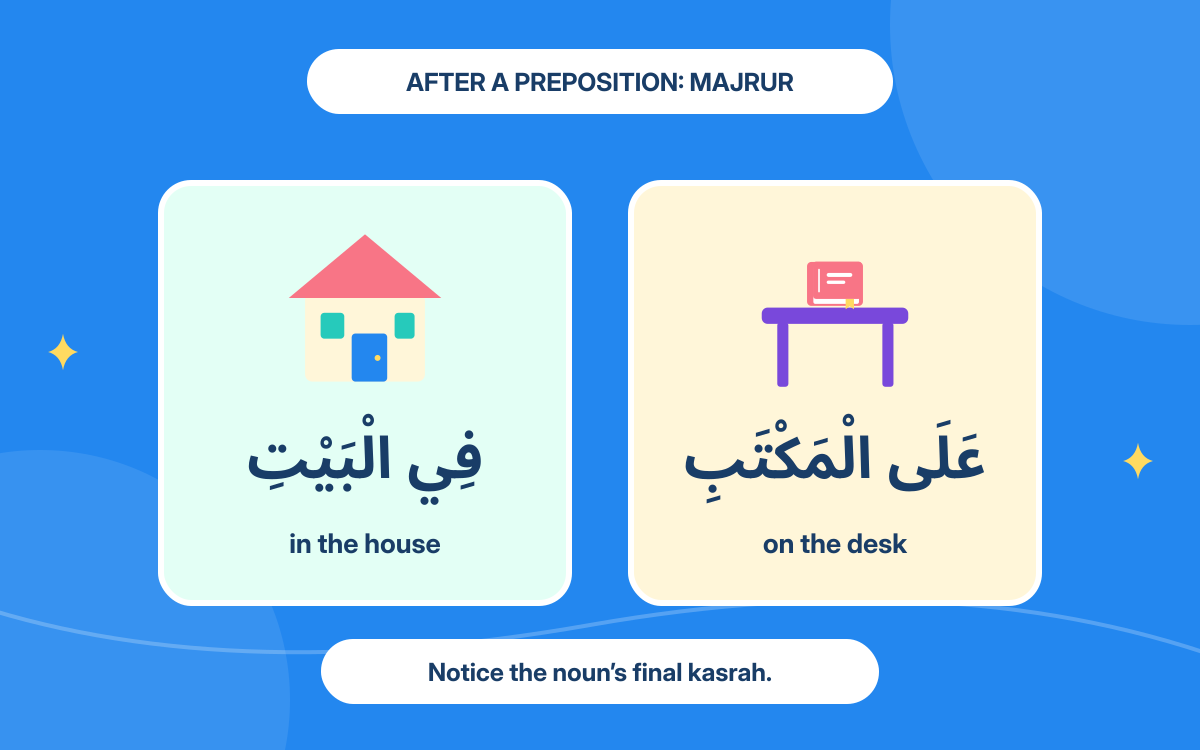
Learn why Arabic prepositions make their nouns genitive, compare definite and indefinite endings, and practise with seven short quizzes.
Syed Masthan, M.A.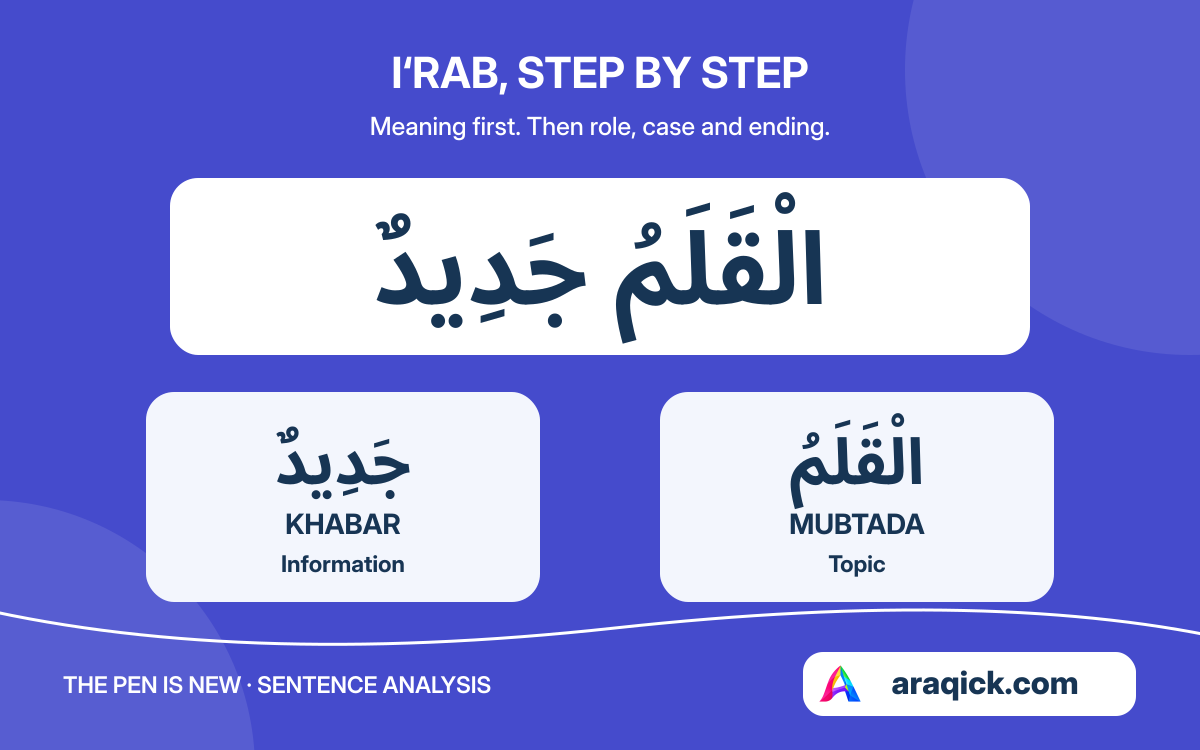
Practise basic Arabic sentence analysis: identify word roles, explain case endings, and check nominal and verbal examples.
Syed Masthan, M.A.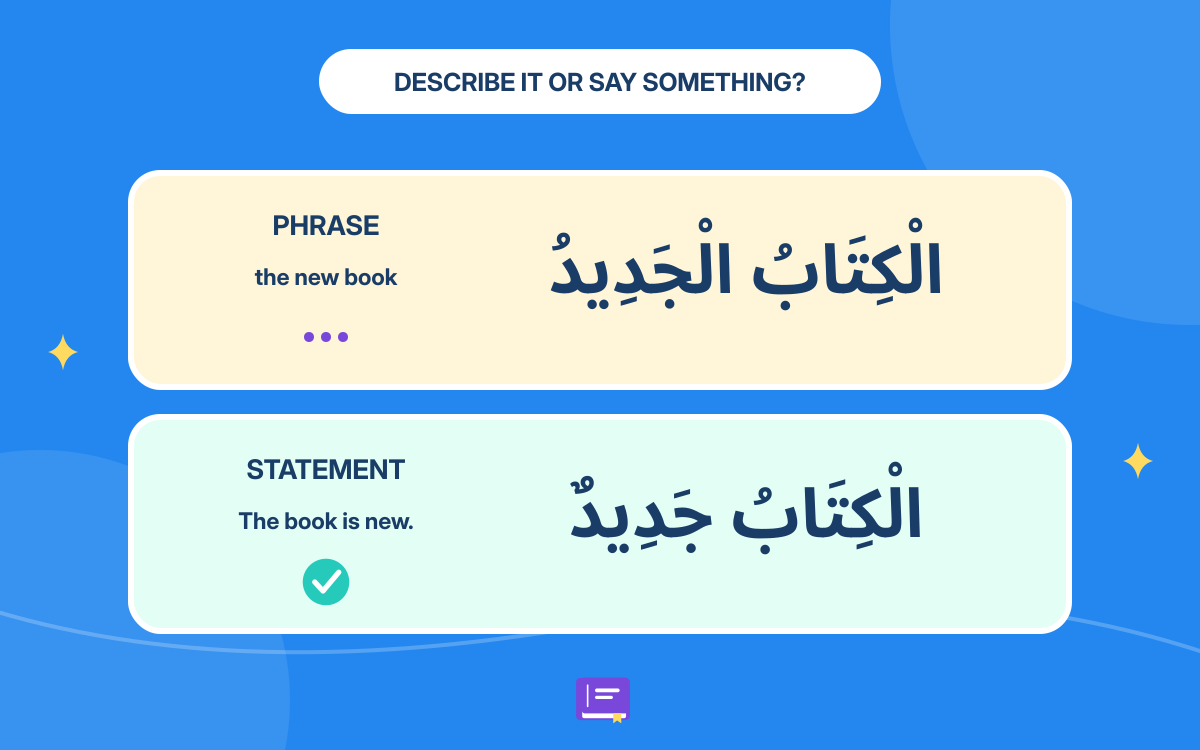
Distinguish “the new book” from “the book is new” in Arabic using definite articles, clear examples and seven short practice questions.
Syed Masthan, M.A.
Learn four Arabic adjective agreement checks with books and bags, clear case endings, the nonhuman plural pattern and seven quick quizzes.
Syed Masthan, M.A.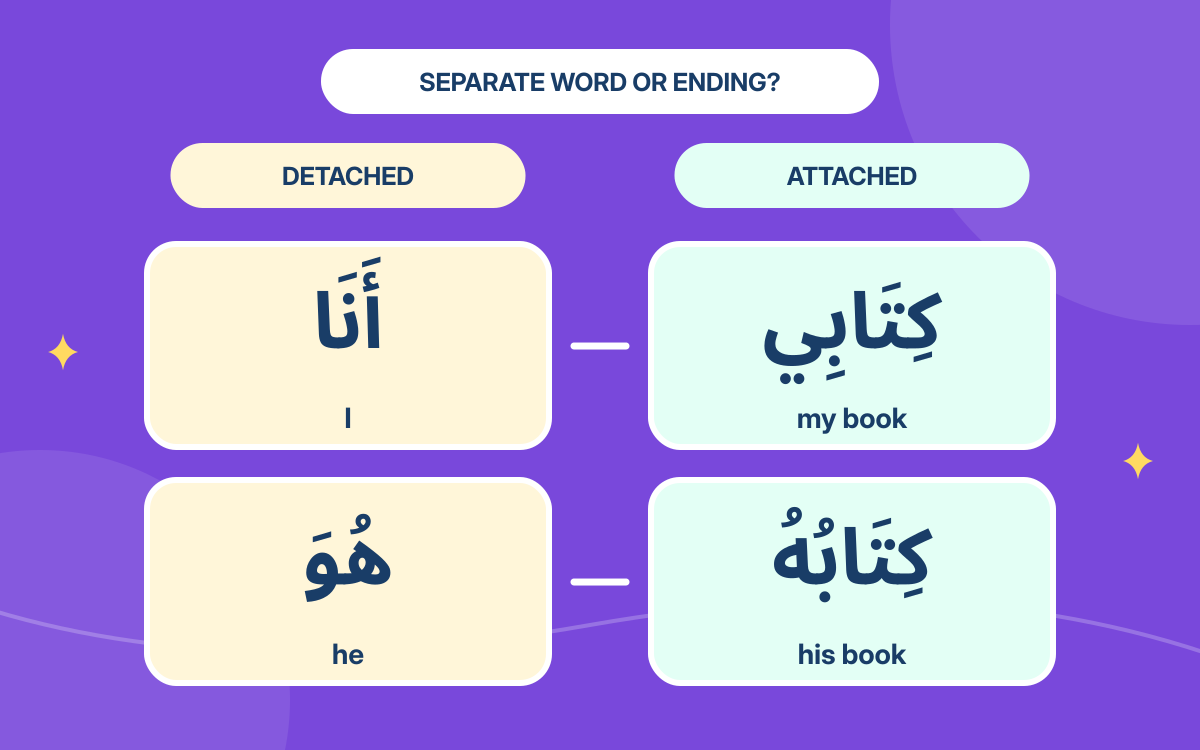
Compare ana, huwa and hiya with kitabi, kitabuhu and kitabuha, then see why an attached pronoun’s meaning depends on its host. Includes seven quizzes.
Syed Masthan, M.A.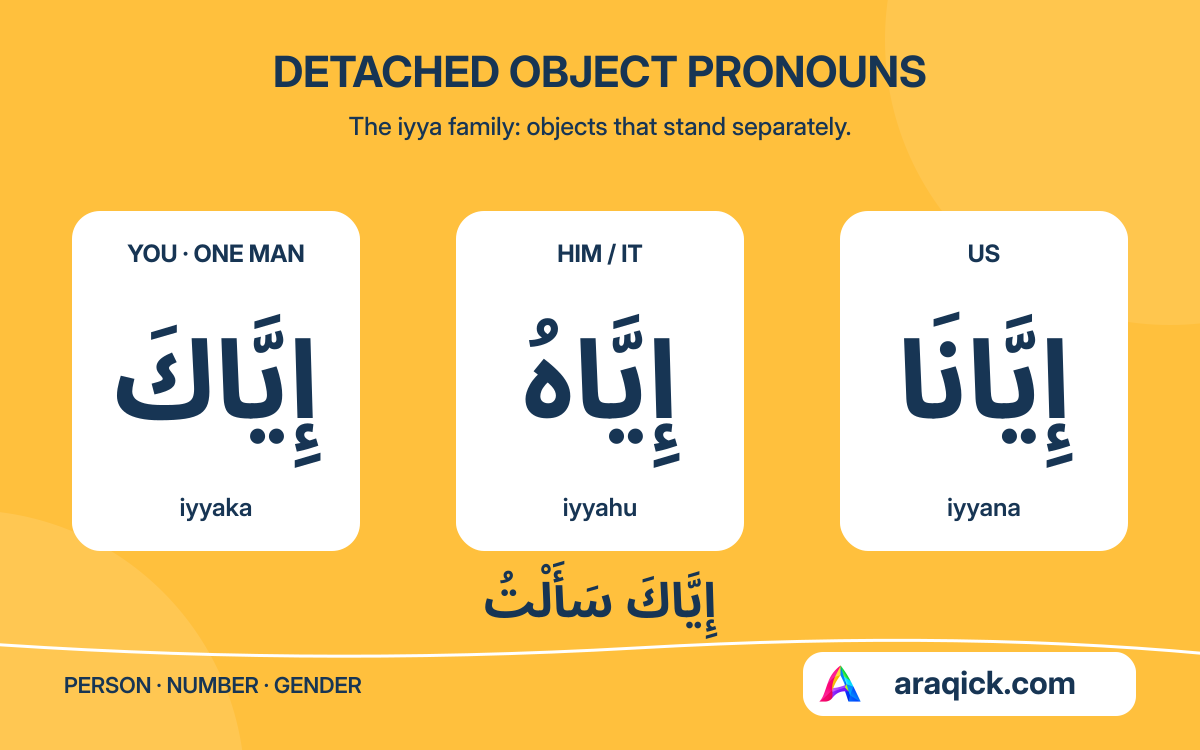
Learn Arabic detached object pronouns such as إِيَّاكَ and إِيَّاهُ. Use fronted objects, illa and two-object verbs, with seven quizzes.
Syed Masthan, M.A.
Build Arabic idafa phrases such as the student’s book, understand both nouns’ endings, and practise definite and indefinite forms in seven quizzes.
Syed Masthan, M.A.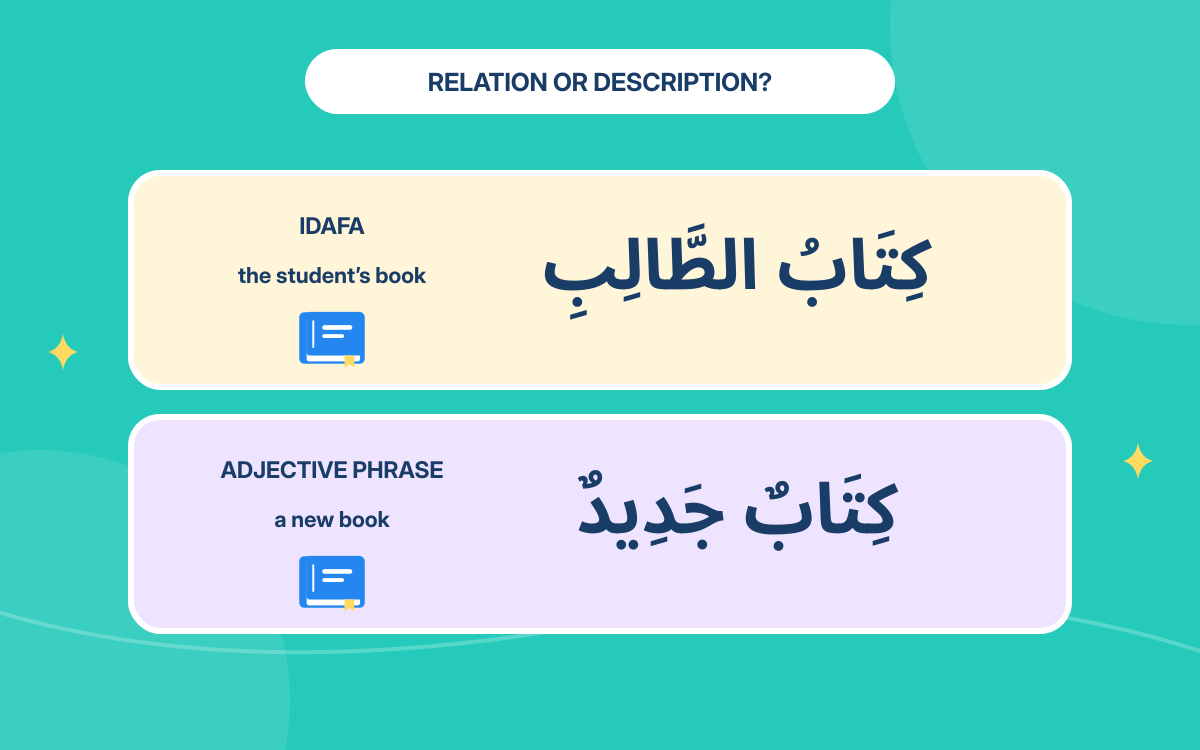
Tell Arabic idafa phrases apart from noun and adjective phrases using meaning, definiteness and case, with seven focused practice questions.
Syed Masthan, M.A.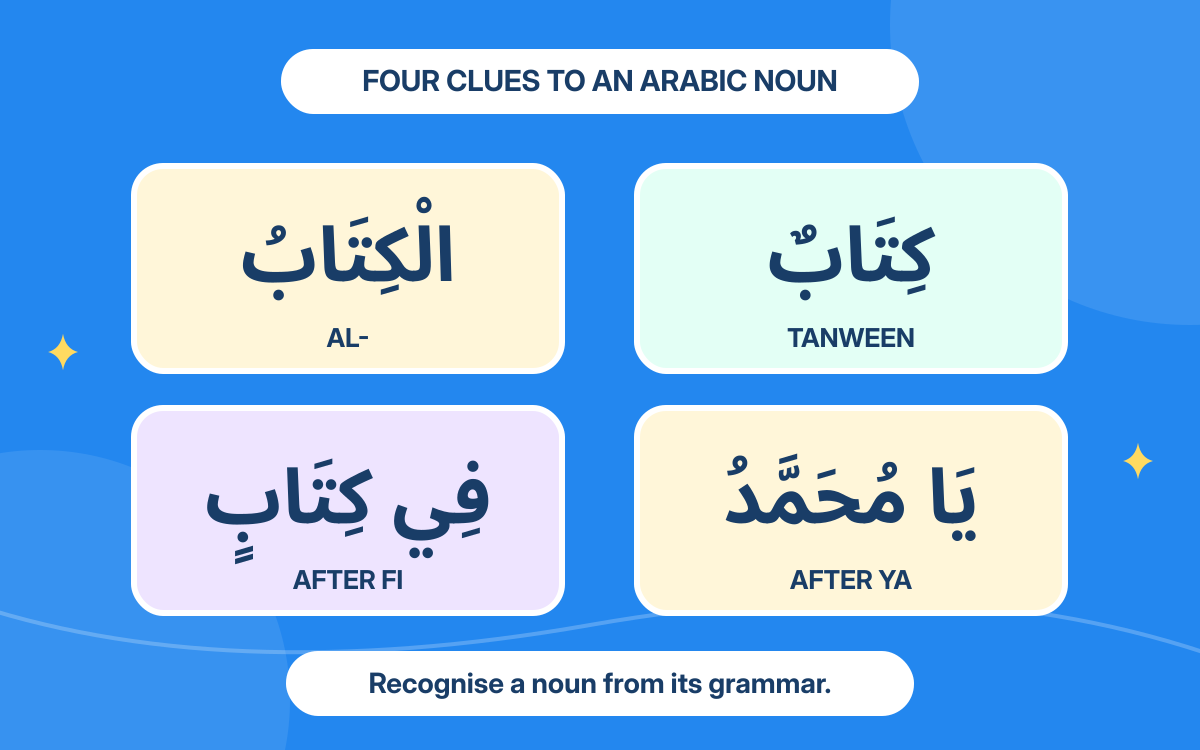
Identify the Arabic ism family through al, tanween, genitive case and direct address, with clear examples and seven short quizzes.
Syed Masthan, M.A.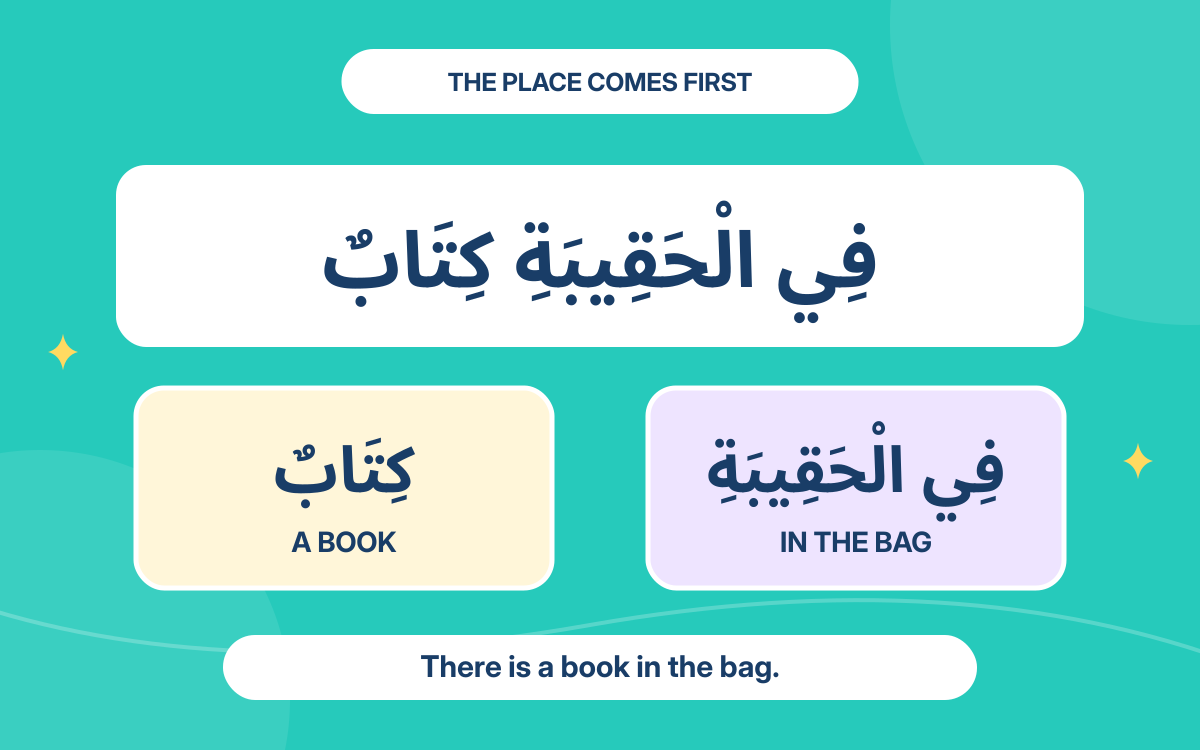
Build Arabic “there is” sentences with a place first, and distinguish the genitive noun inside the location from the nominative subject in seven quizzes.
Syed Masthan, M.A.
Attach pronouns to Arabic prepositions, recognise li, minni, ilayya and alayya, compare maana, and practise with seven short quizzes.
Syed Masthan, M.A.
Use before, after, in front and behind in Arabic, then add now, yesterday, here and there without an idafa complement. Practise with seven quizzes.
Syed Masthan, M.A.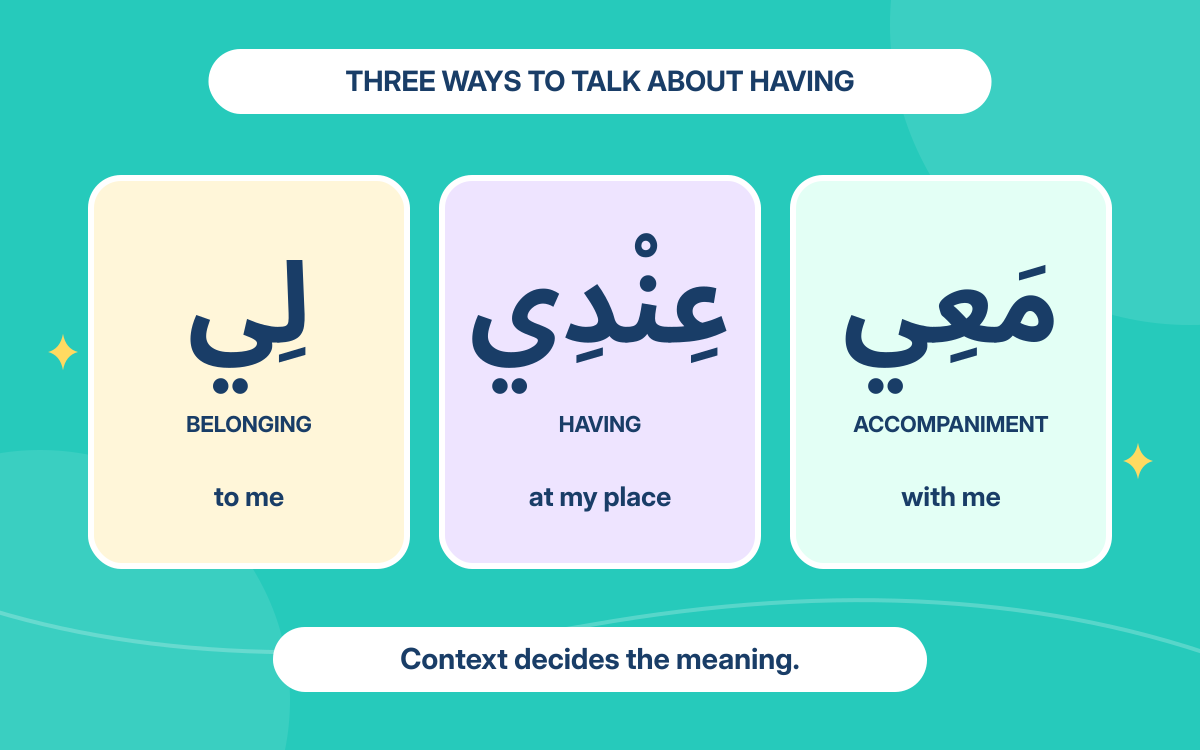
Compare li, inda and maa in clear Arabic sentences about belonging, possession and having something with you, then practise seven quizzes.
Syed Masthan, M.A.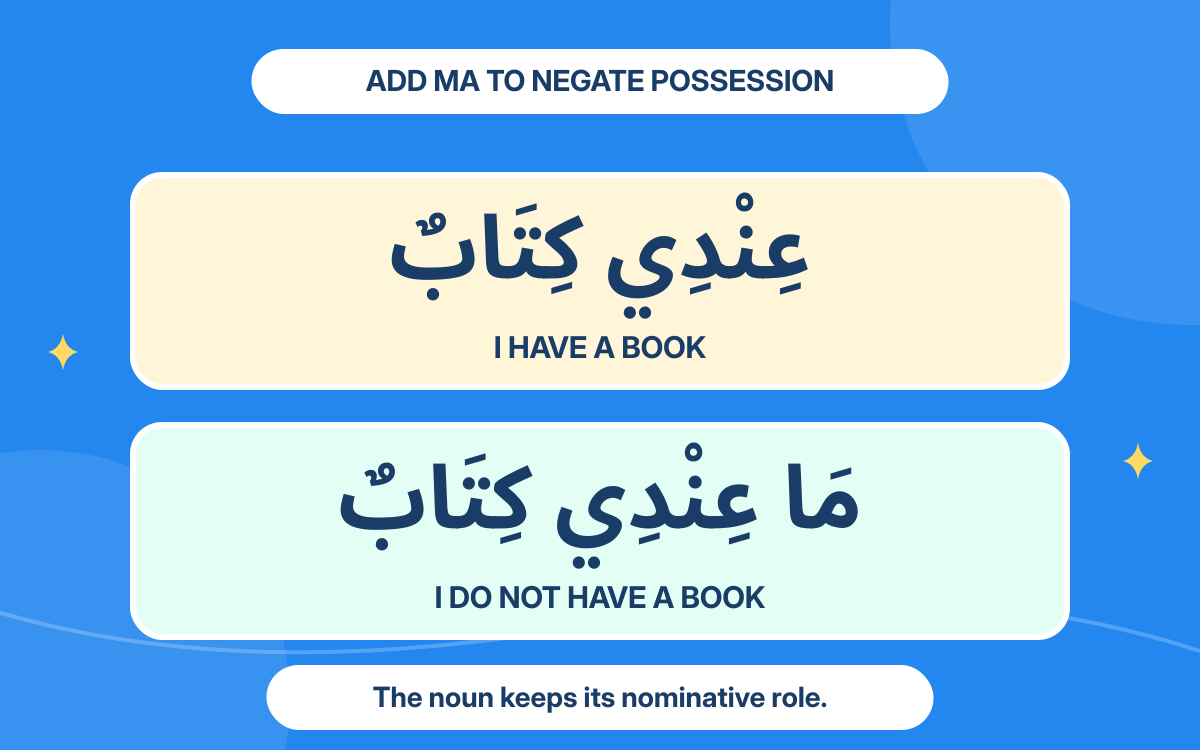
Use ma indi, ma mai and ma li to deny having, carrying or belonging in short Arabic statements, and practise with seven quizzes.
Syed Masthan, M.A.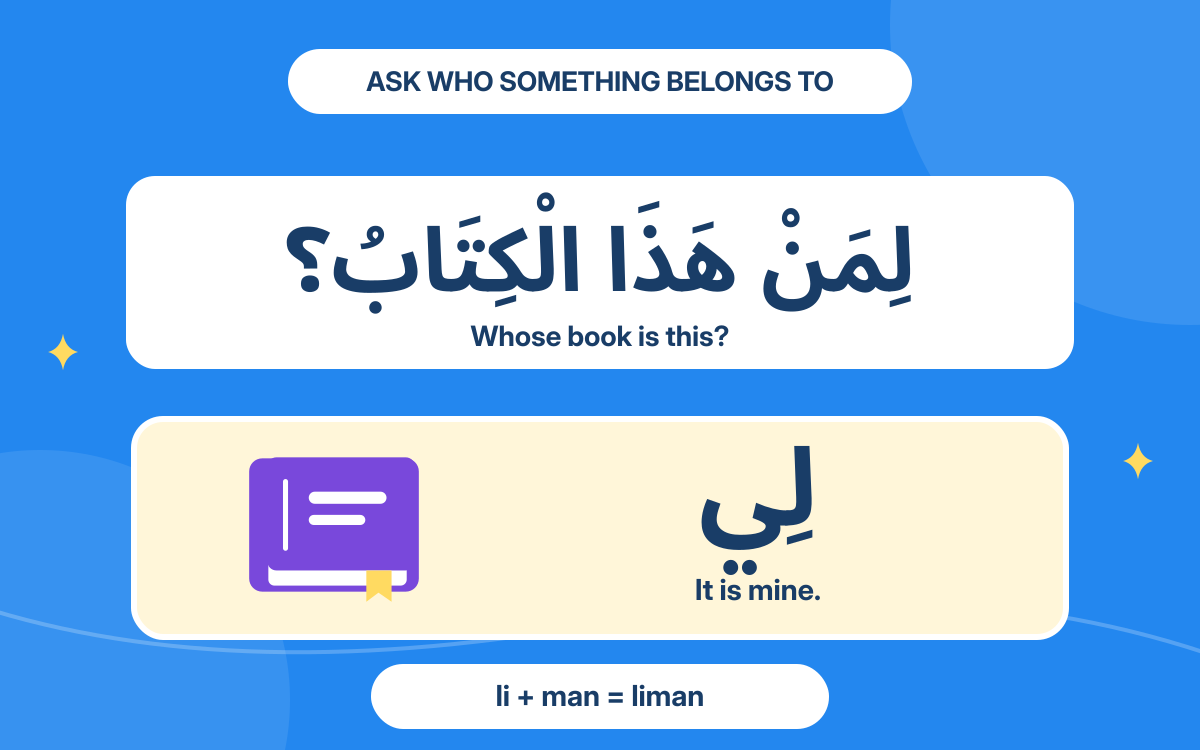
Ask whose an Arabic book, bag or car is with liman. Match object gender, name an owner and reply mine, his, hers or yours in seven quizzes.
Syed Masthan, M.A.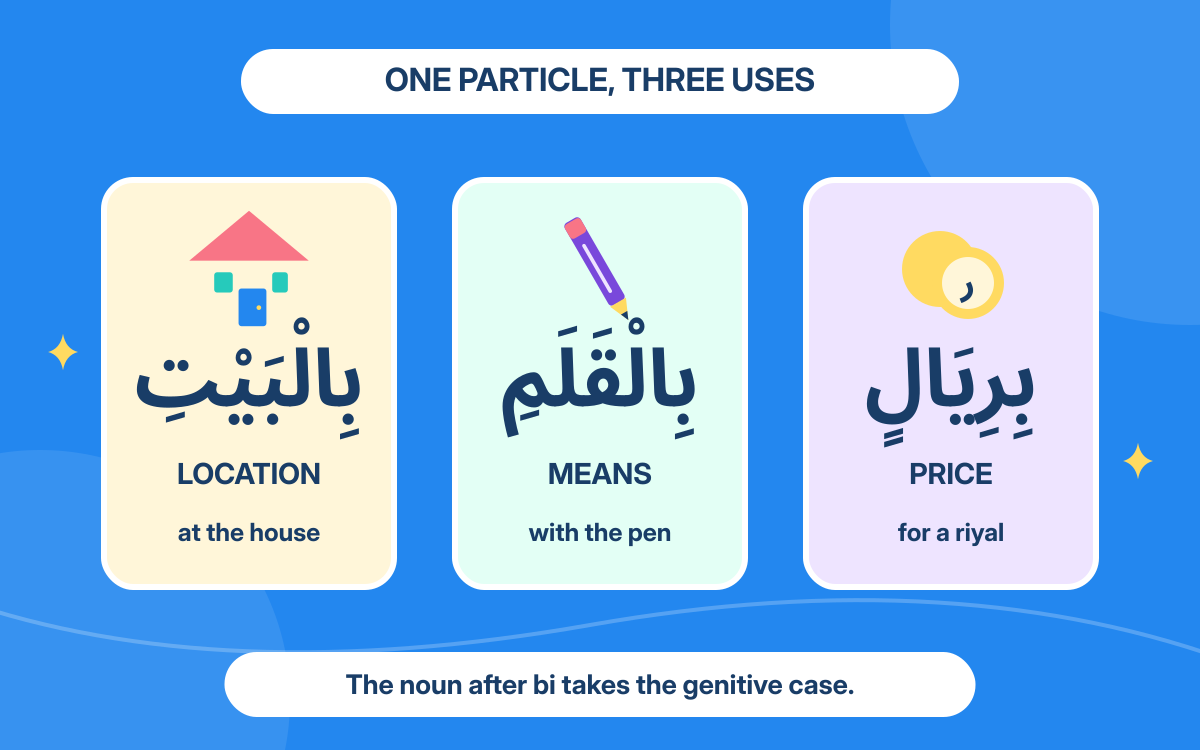
Use the attached Arabic preposition bi for locations, tools, transport and prices, with clear genitive endings and seven short quizzes.
Syed Masthan, M.A.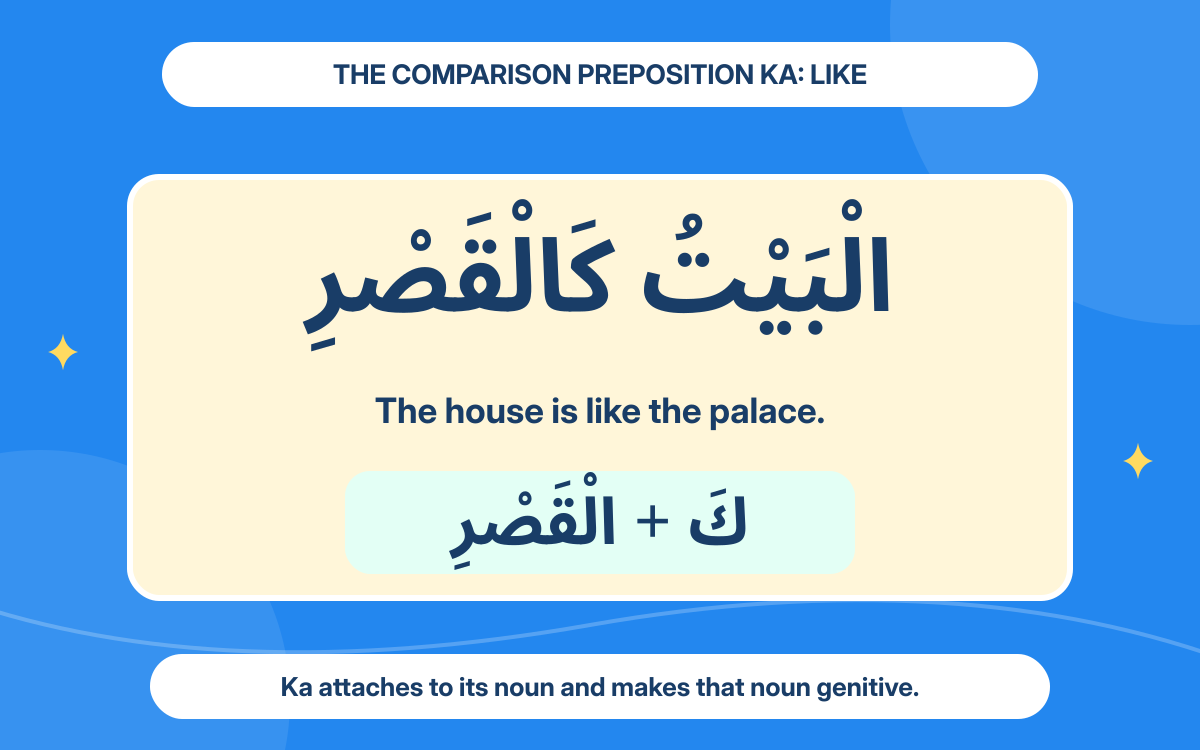
Attach ka for resemblance, give its noun the genitive ending, read its definite article, and distinguish kaanna through seven short quizzes.
Syed Masthan, M.A.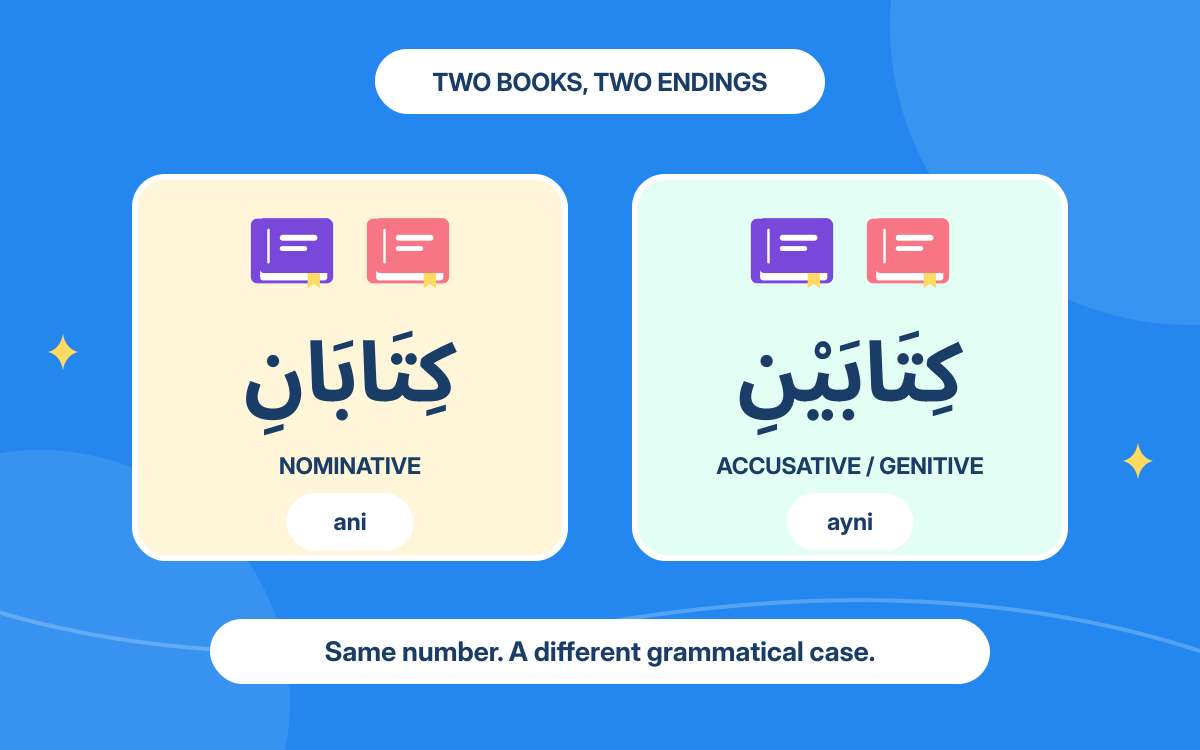
Choose Arabic dual endings ani and ayni by grammatical role, including special father and brother stems, through seven quick quizzes.
Syed Masthan, M.A.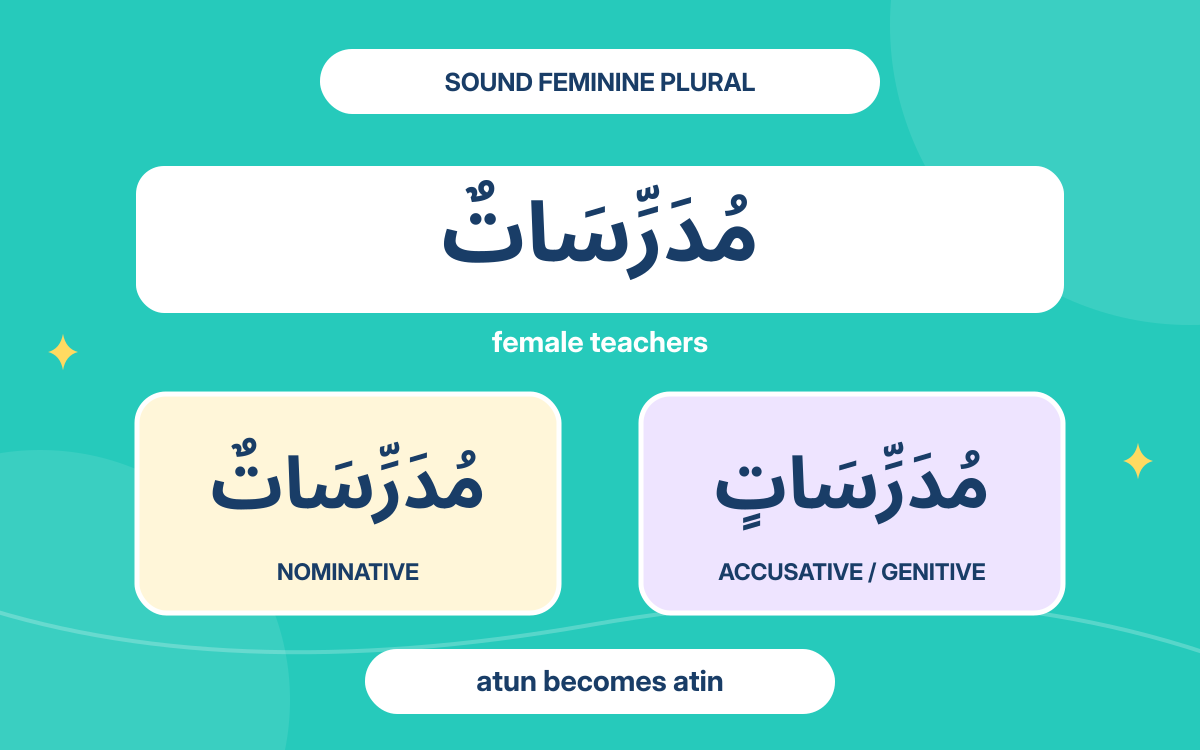
Form regular Arabic at plurals and learn why a sound feminine plural takes kasrah as a direct object, with seven quick quizzes.
Syed Masthan, M.A.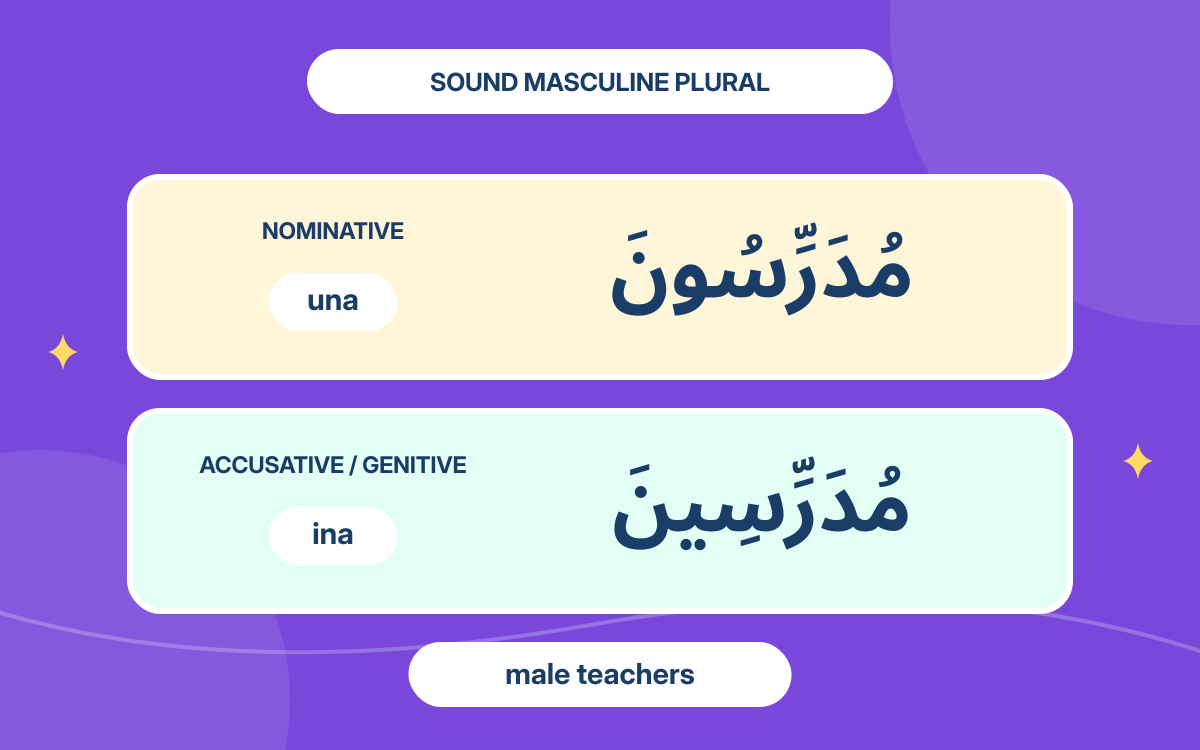
Learn sound masculine plural endings una and ina, choose them by case, and practise seven questions with teachers and engineers.
Syed Masthan, M.A.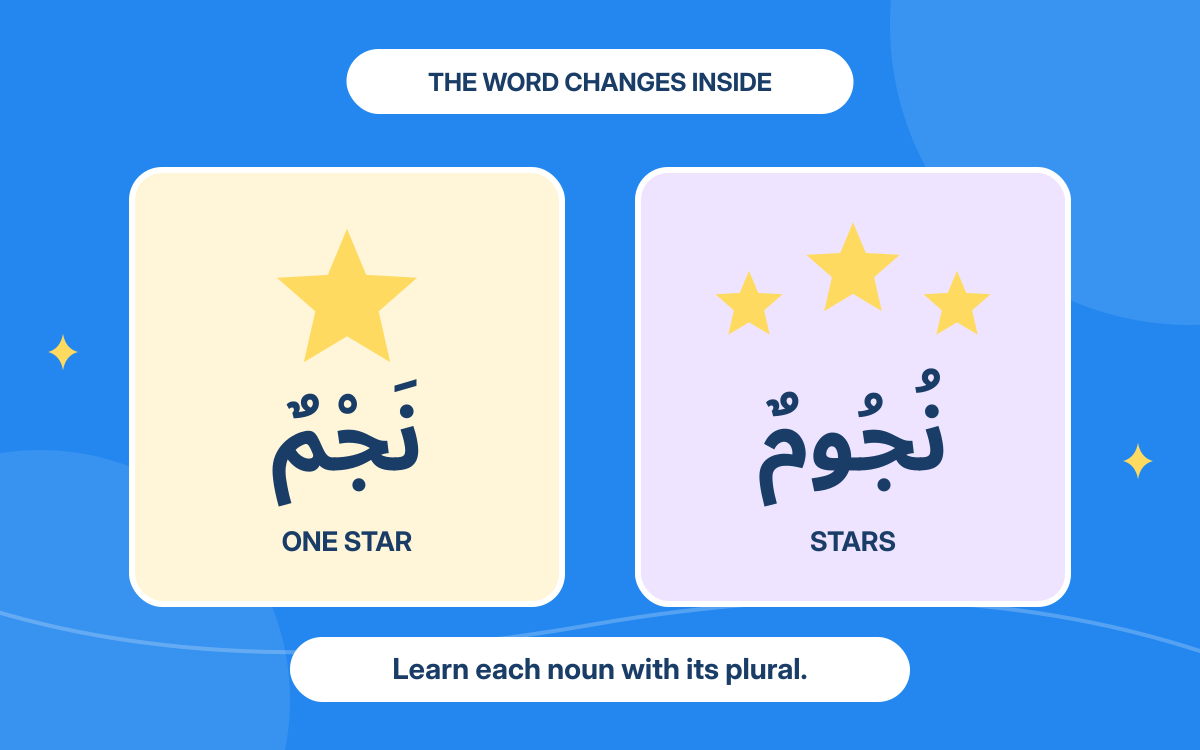
Recognise four Arabic broken plural patterns through stars, mountains, students and pens, with simple root maps and seven quick quizzes.
Syed Masthan, M.A.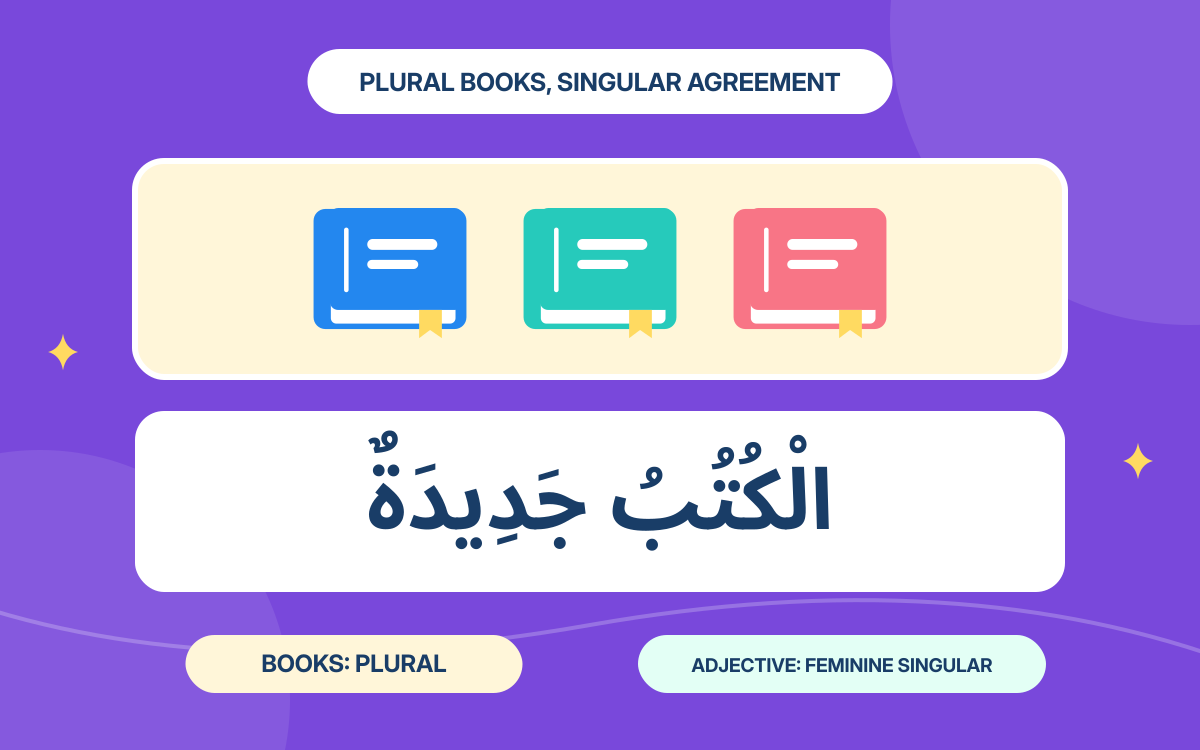
Learn feminine singular agreement with Arabic nonhuman plurals across adjectives, predicates, hiya and hadhihi, with seven focused quizzes.
Syed Masthan, M.A.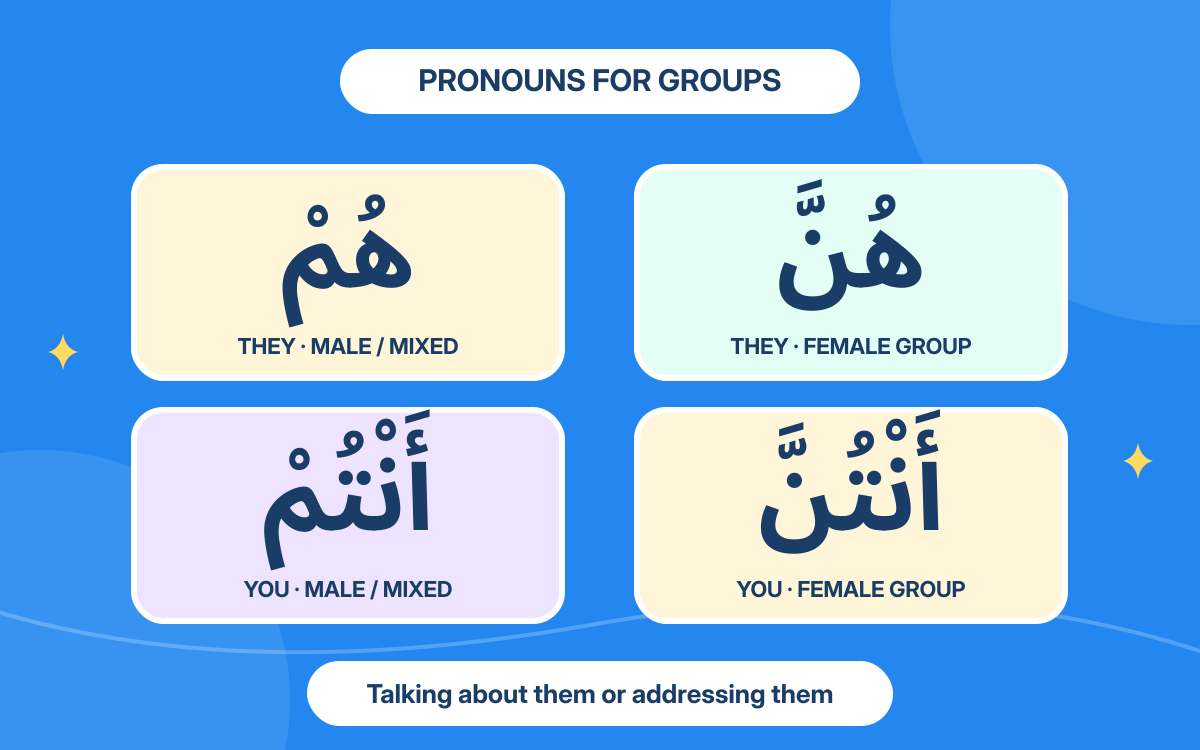
Choose they or you for male, mixed and female groups, match a simple plural predicate, and practise four subject pronouns with seven quizzes.
Syed Masthan, M.A.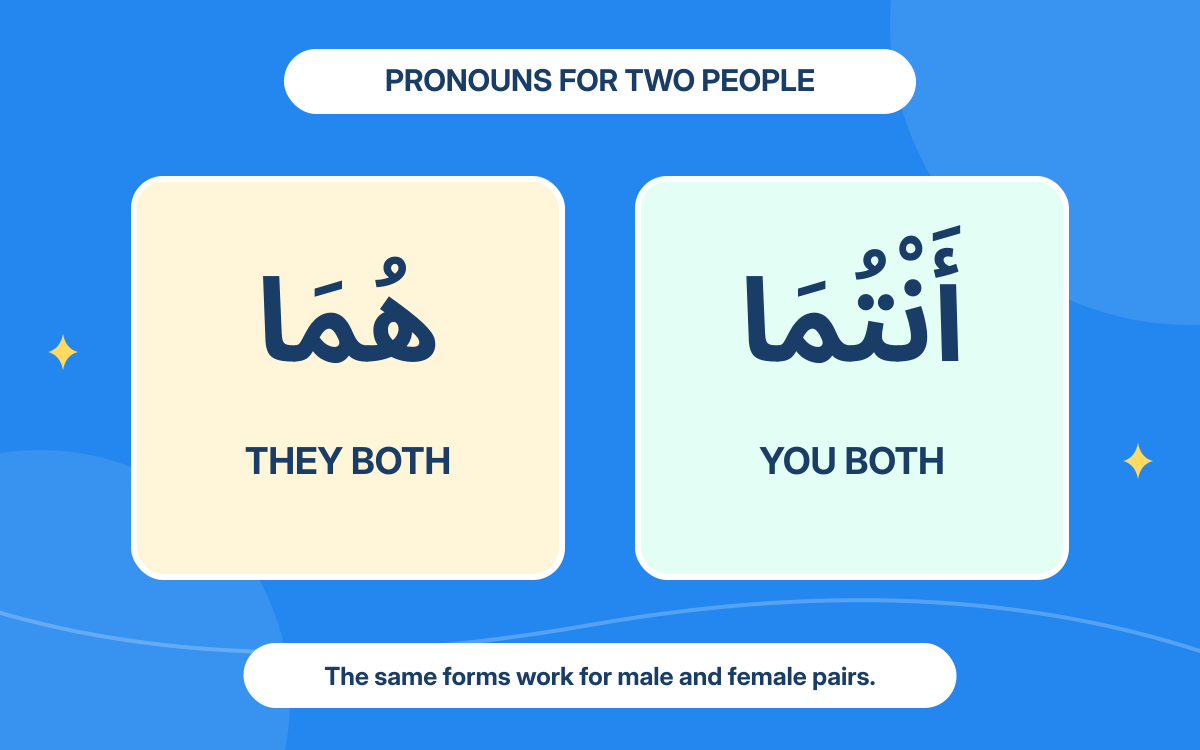
Choose huma or antuma for exactly two people, match masculine or feminine dual predicates, and practise with seven focused quizzes.
Syed Masthan, M.A.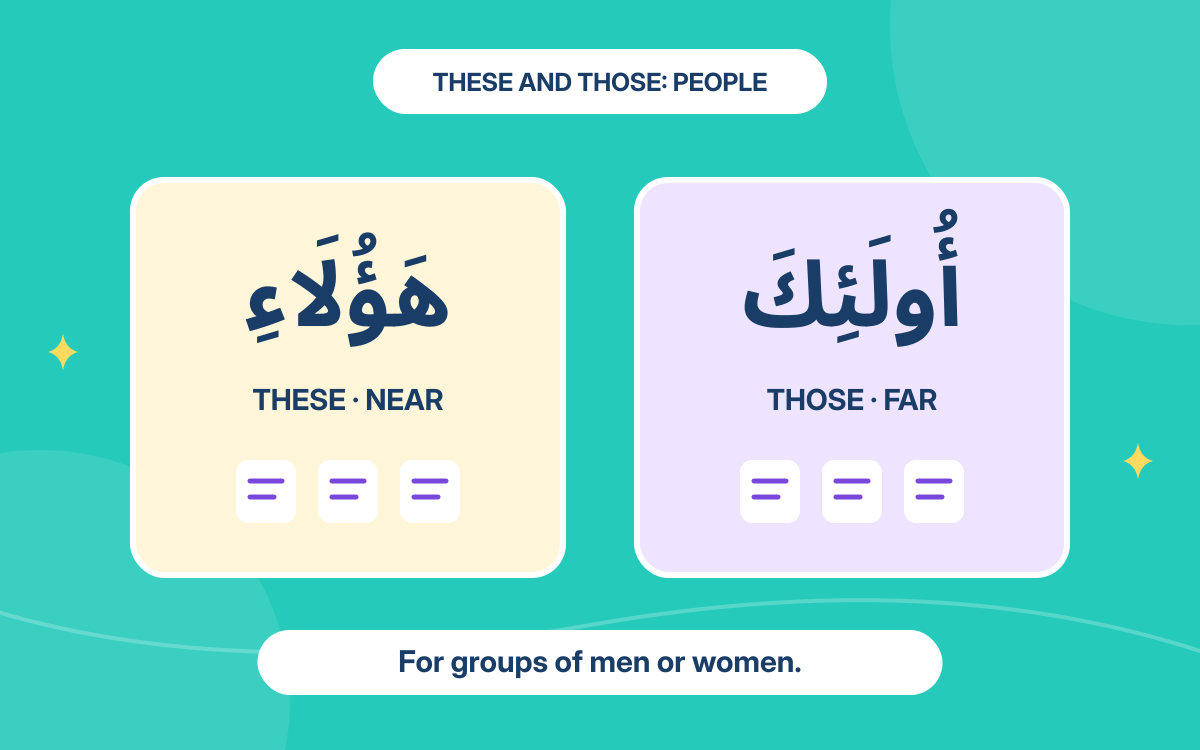
Use haulai and ulaika for nearby and distant groups of people, distinguish phrases from statements, and practise with seven quick quizzes.
Syed Masthan, M.A.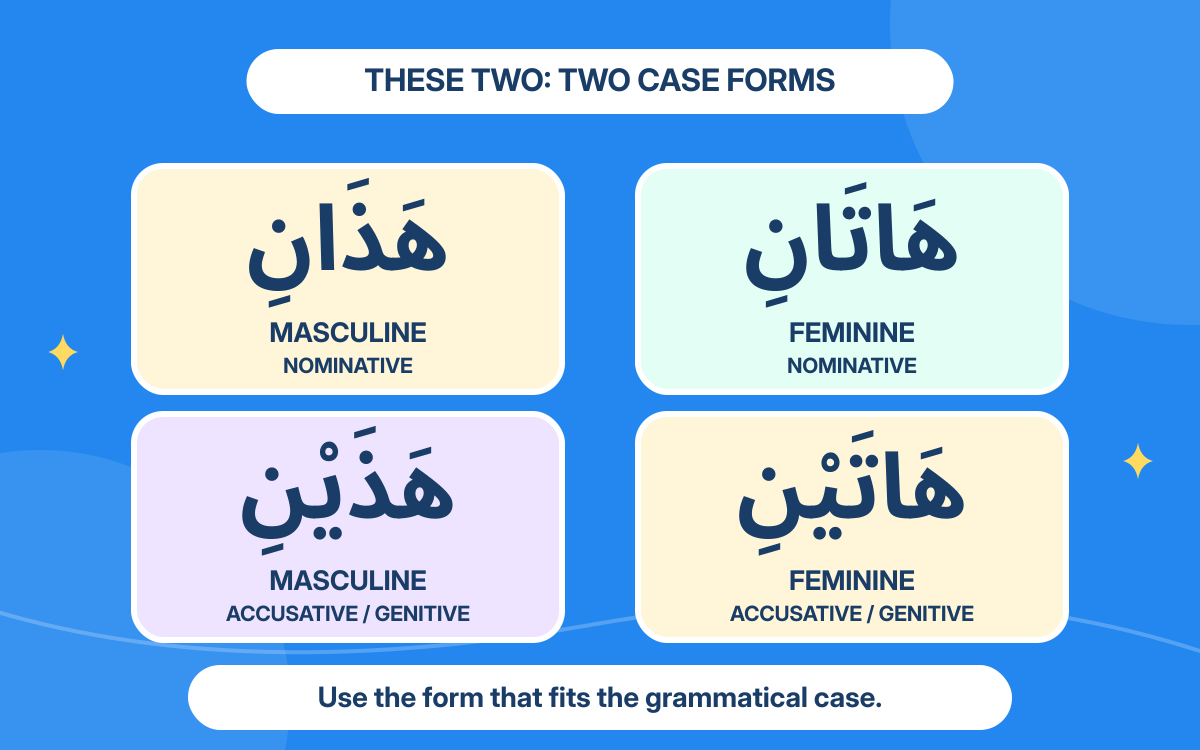
Choose Arabic demonstratives for two nearby or distant things, match gender and case, and practise the eight dual forms in seven quizzes.
Syed Masthan, M.A.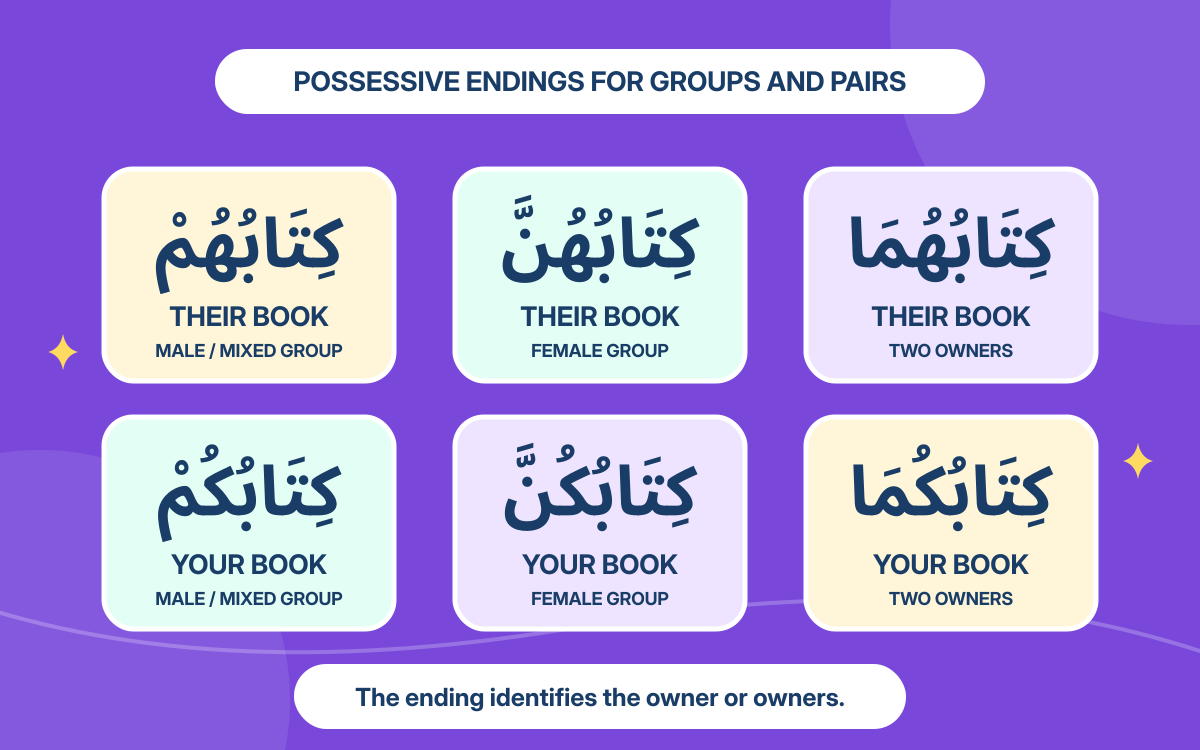
Choose their and your suffixes for groups and pairs, keep owners separate from objects and track noun endings through seven quizzes.
Syed Masthan, M.A.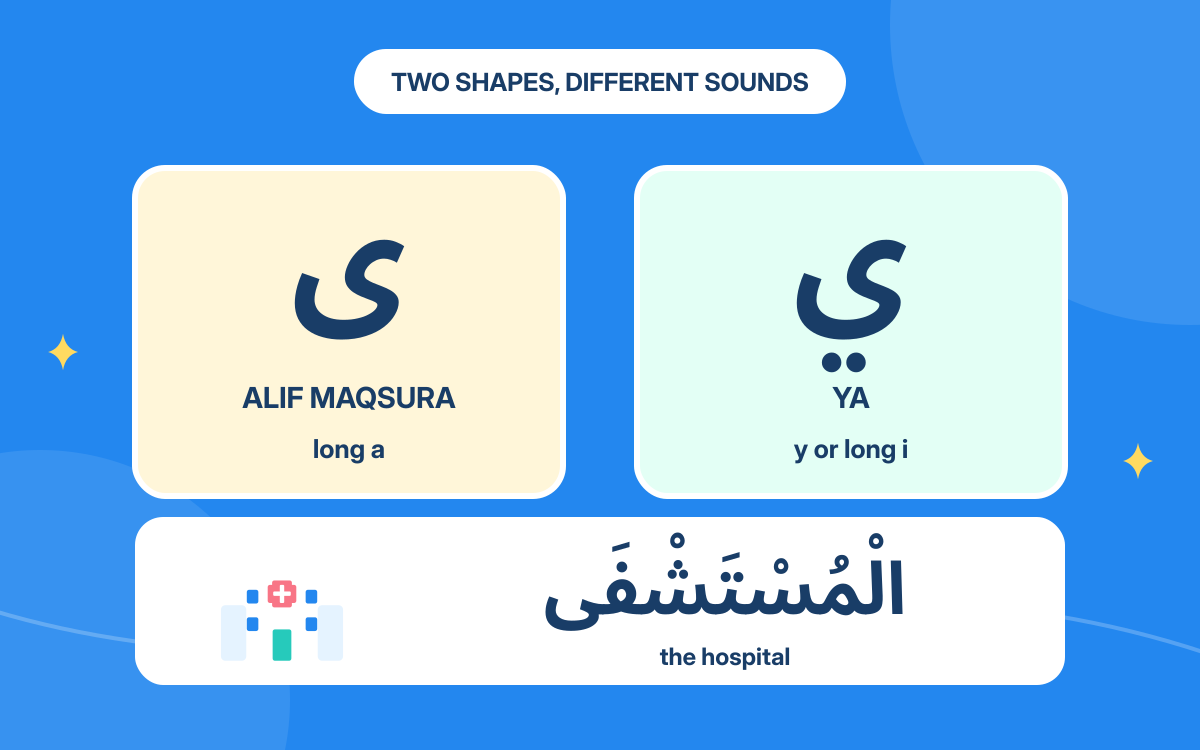
Distinguish Arabic alif maqsura ى from ya ي, read the long vowels and recognise hidden noun case endings with seven focused quizzes.
Syed Masthan, M.A.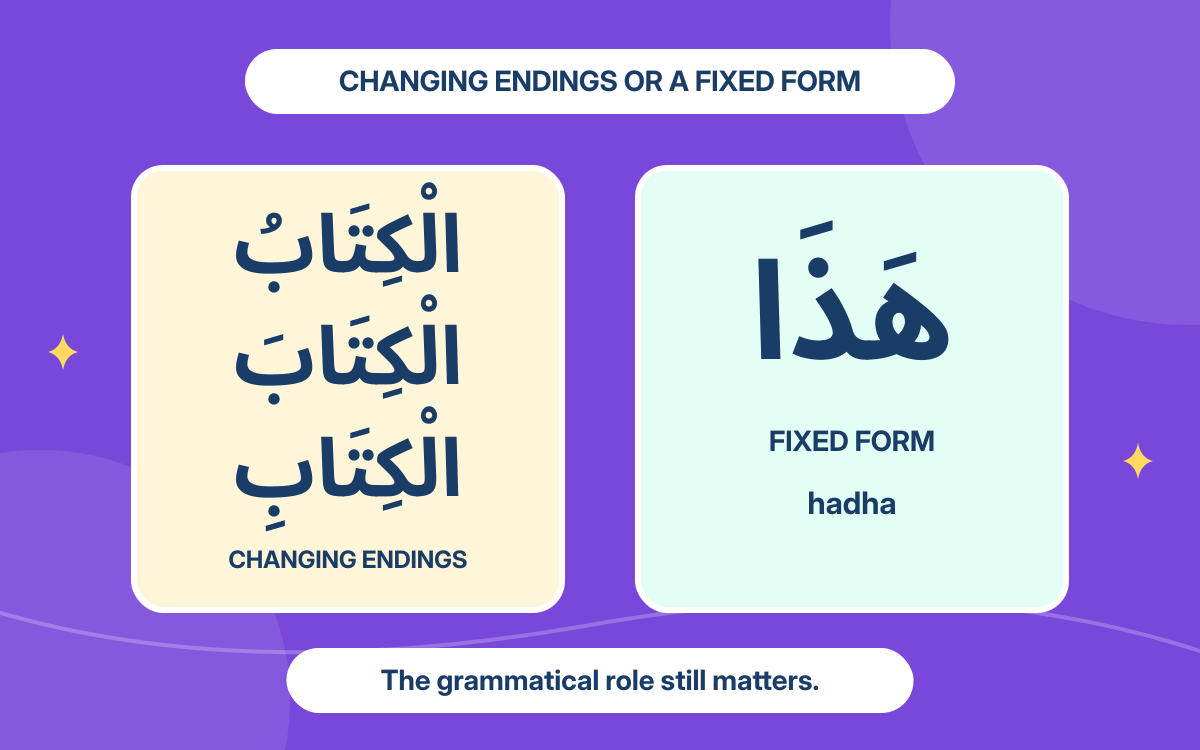
Distinguish declined Arabic nouns from fixed-form nouns, separate case position from visible vowels and practise with seven focused quizzes.
Syed Masthan, M.A.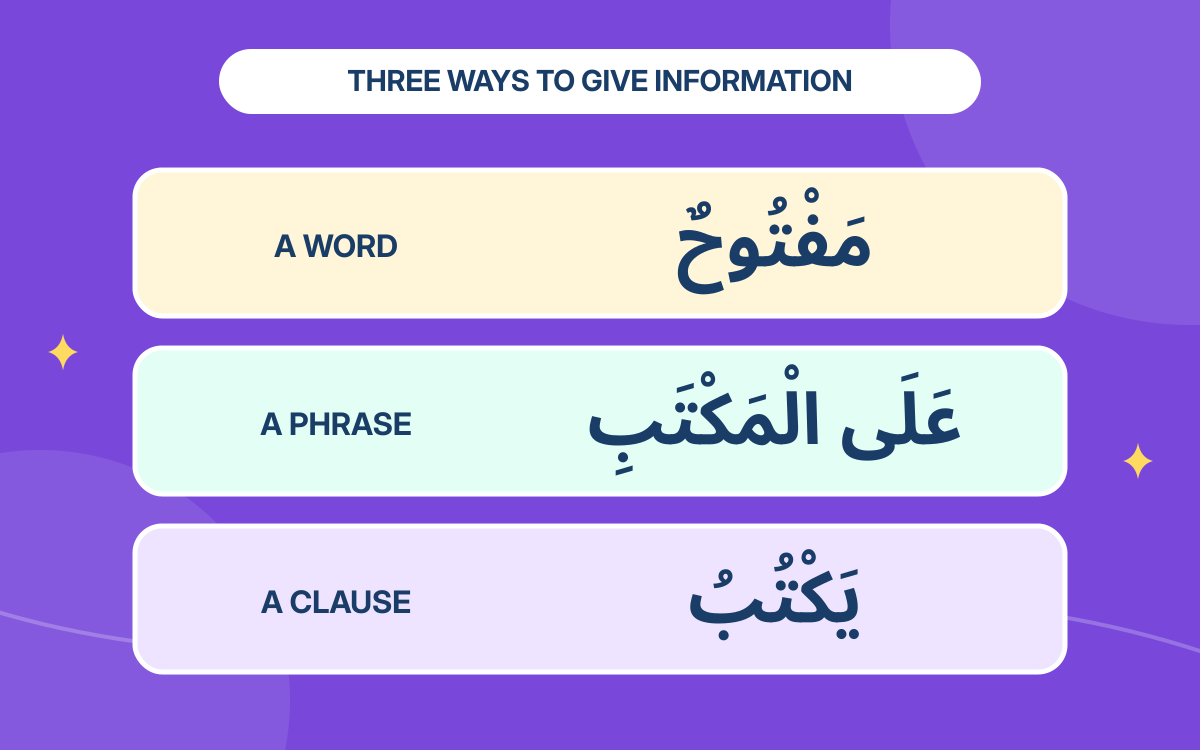
Find the complete Arabic khabar in word, location-phrase and clause patterns, with clear examples and seven short quizzes.
Syed Masthan, M.A.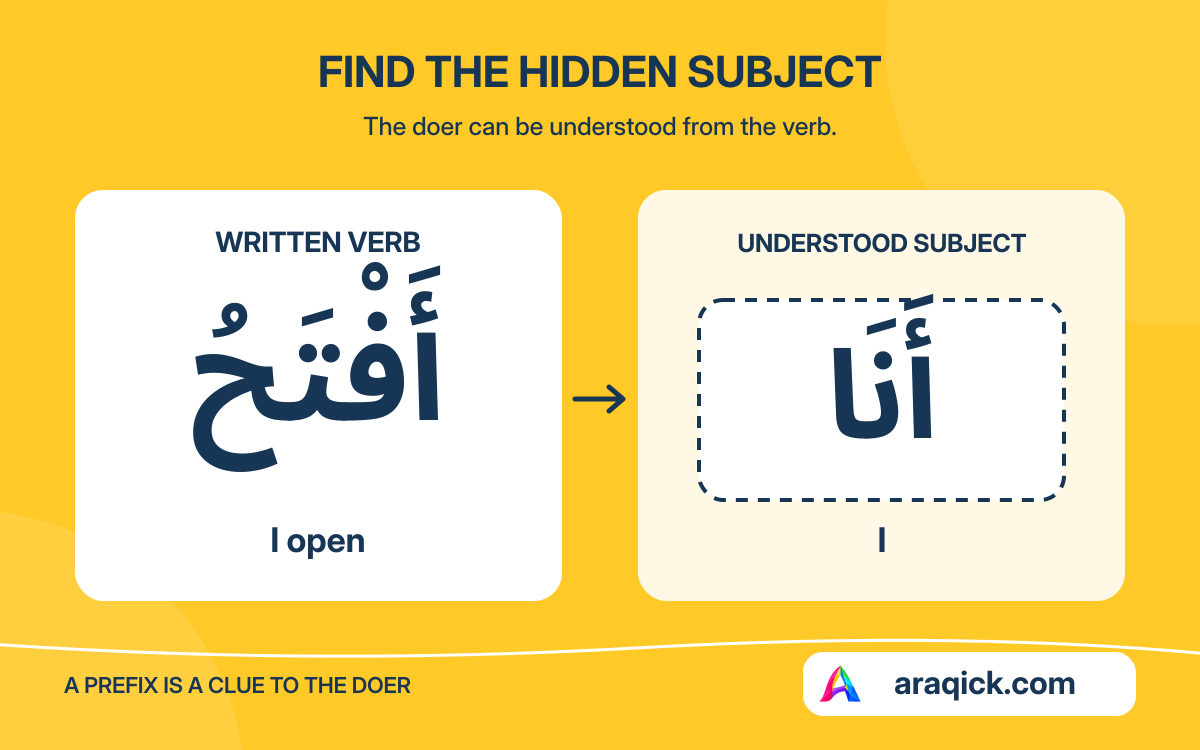
Find hidden subject pronouns in Arabic past, present and command forms. Distinguish them from prefixes and attached endings in seven quizzes.
Syed Masthan, M.A.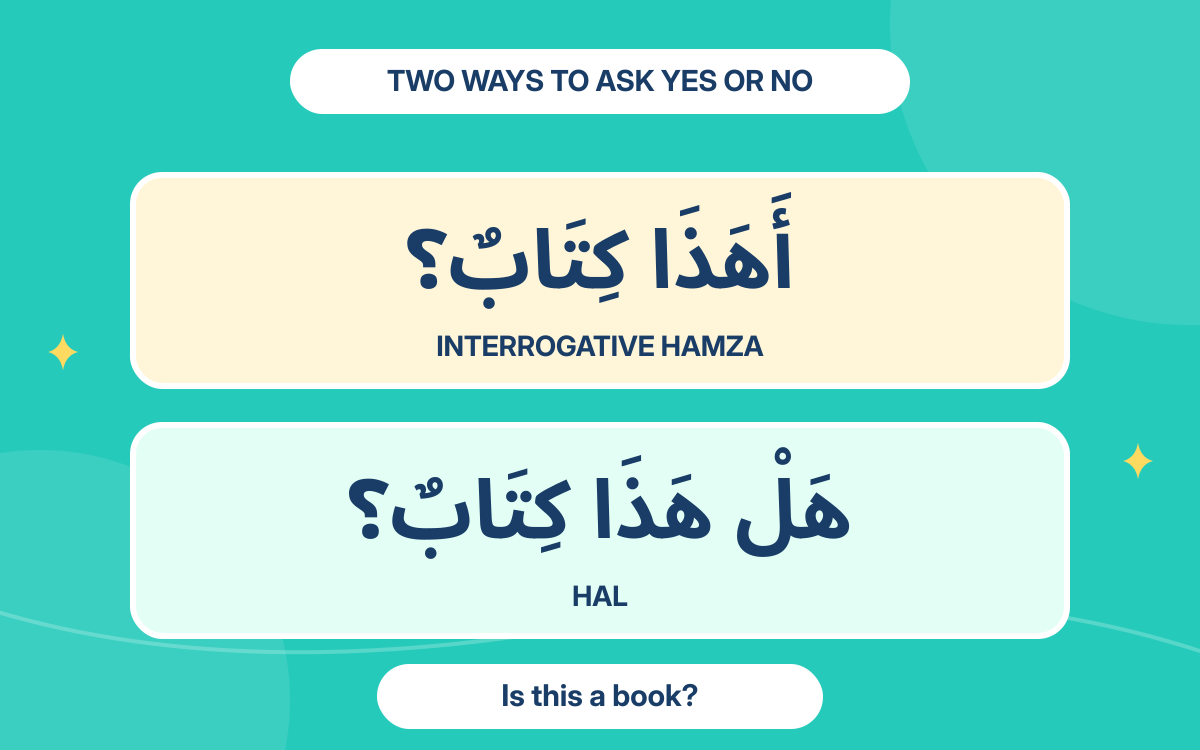
Attach the interrogative hamza to ask an Arabic yes or no question. Compare it with hal, recognise its spelling and practise seven quizzes.
Syed Masthan, M.A.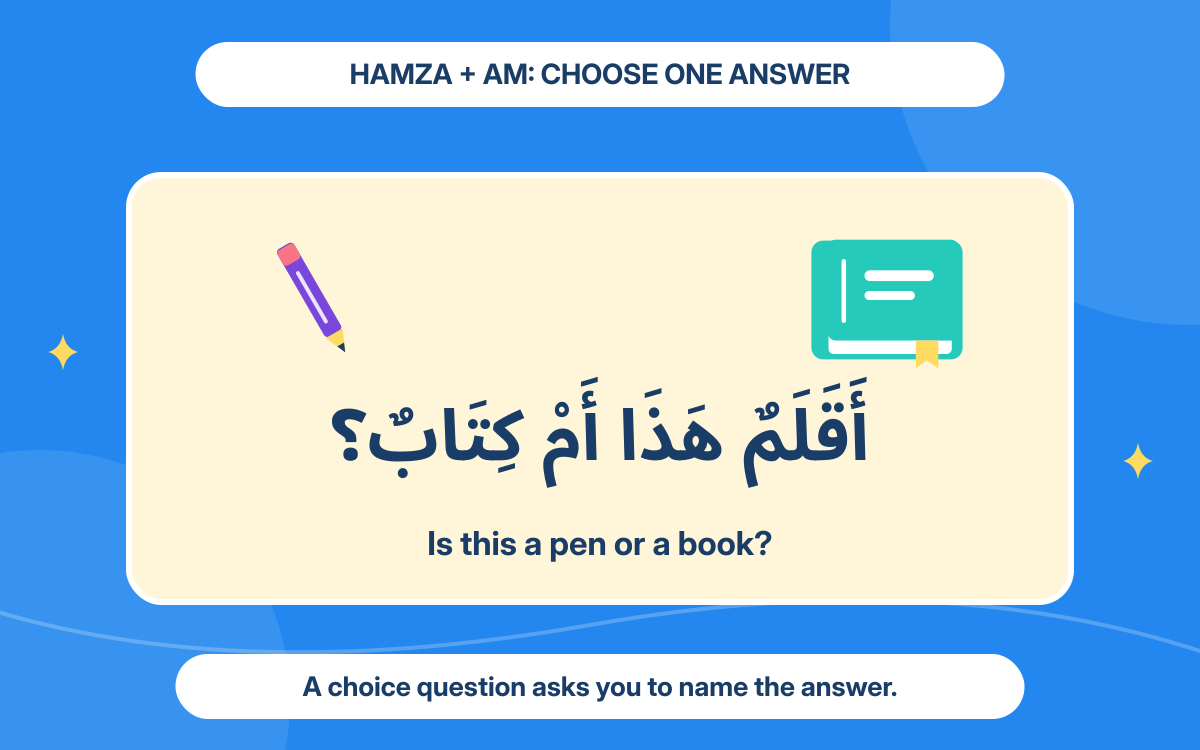
Ask which of two alternatives is true with a and am, give a matching answer, and compare am with aw through seven quizzes.
Syed Masthan, M.A.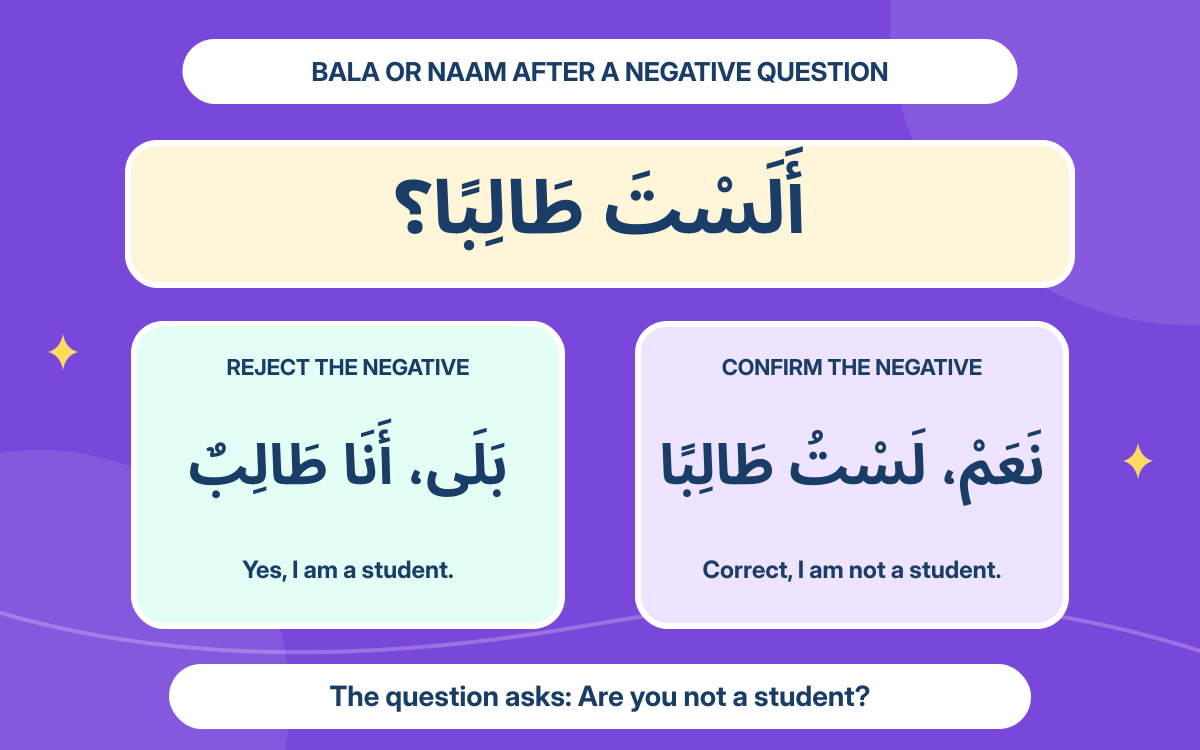
Use bala to overturn a negative question and naam to confirm its negation, with complete Arabic replies and seven quizzes.
Syed Masthan, M.A.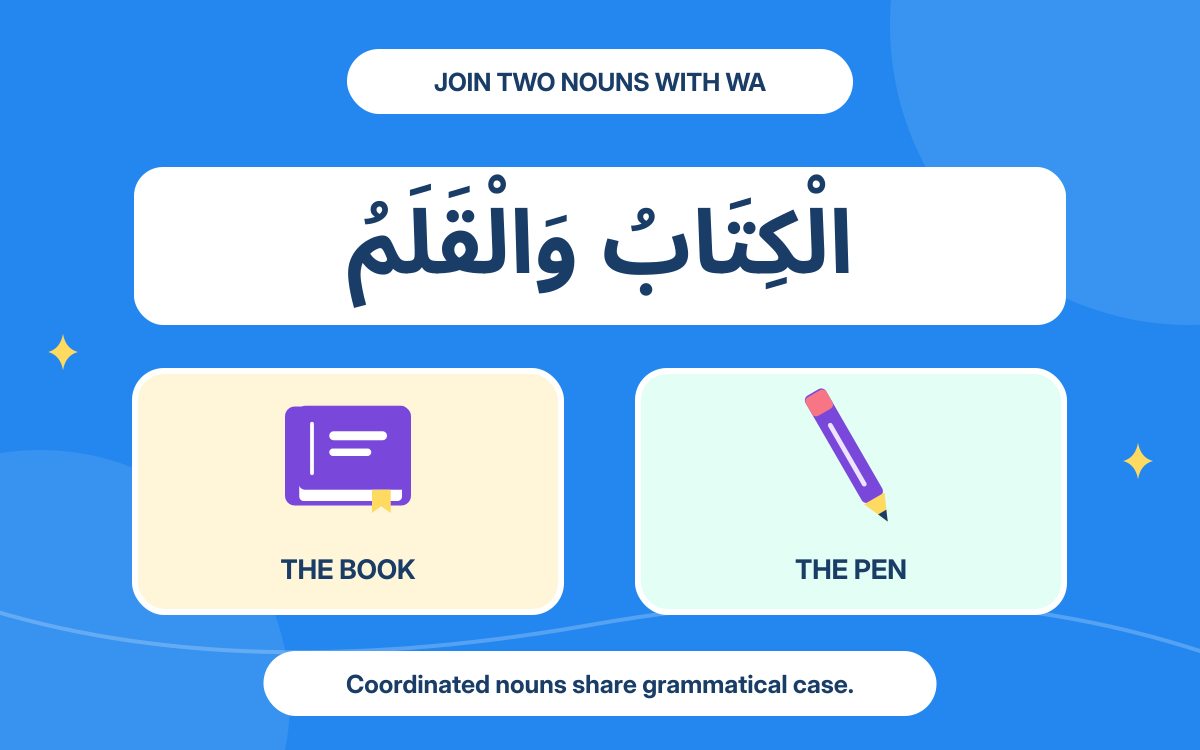
Connect Arabic nouns with wa, choose their case from the sentence and practise nominative, accusative and genitive patterns in seven quizzes.
Syed Masthan, M.A.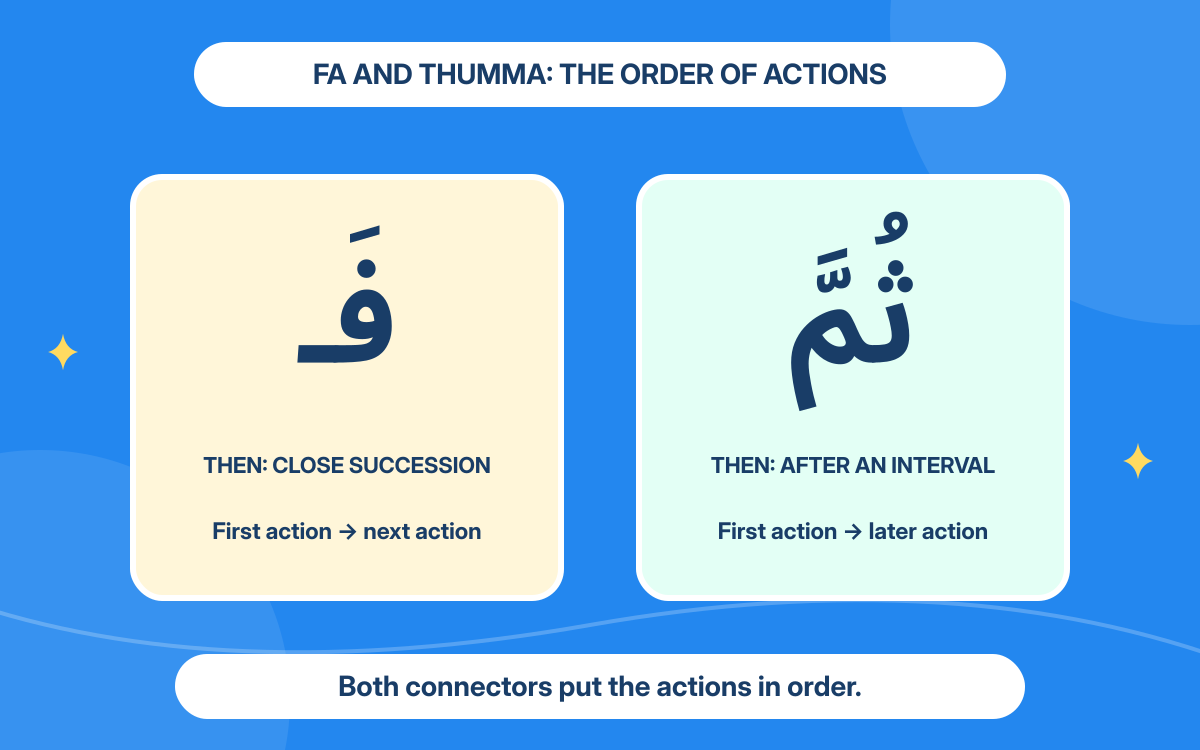
Use fa for close succession and thumma for a later step, compare wa, and practise Arabic action sequences in seven quizzes.
Syed Masthan, M.A.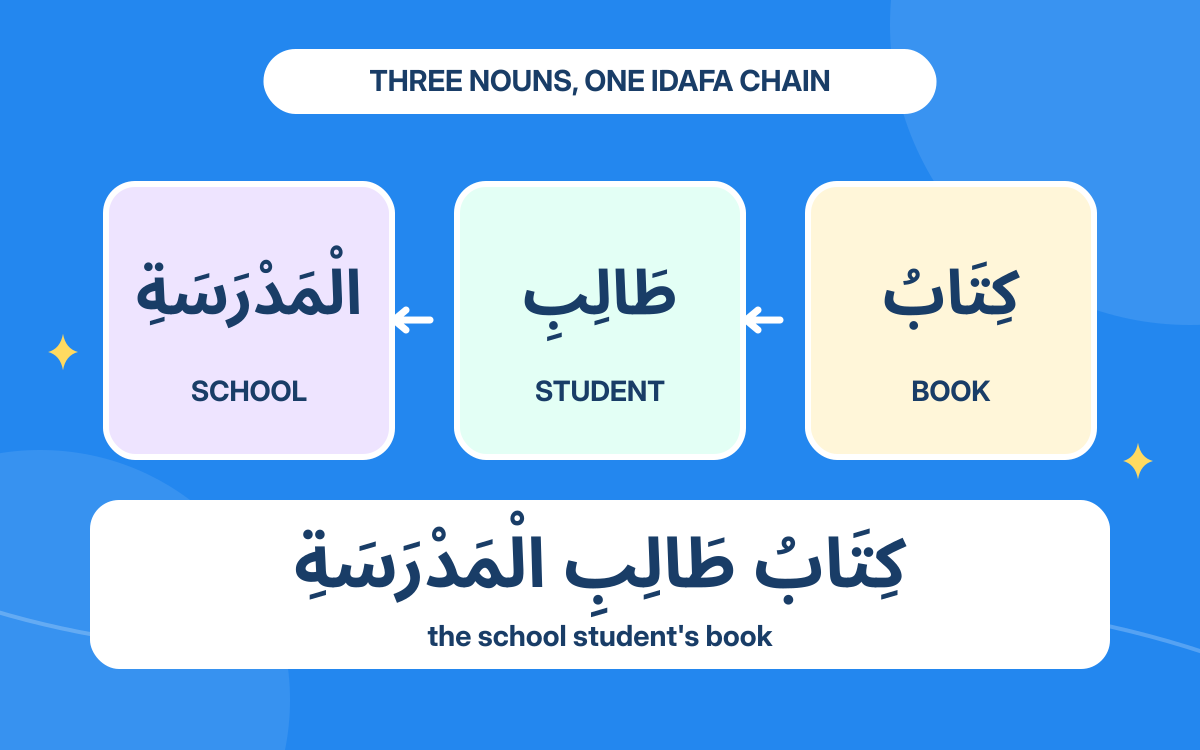
Read Arabic idafa chains with three nouns, identify the middle noun’s two roles, and check case and definiteness through seven quizzes.
Syed Masthan, M.A.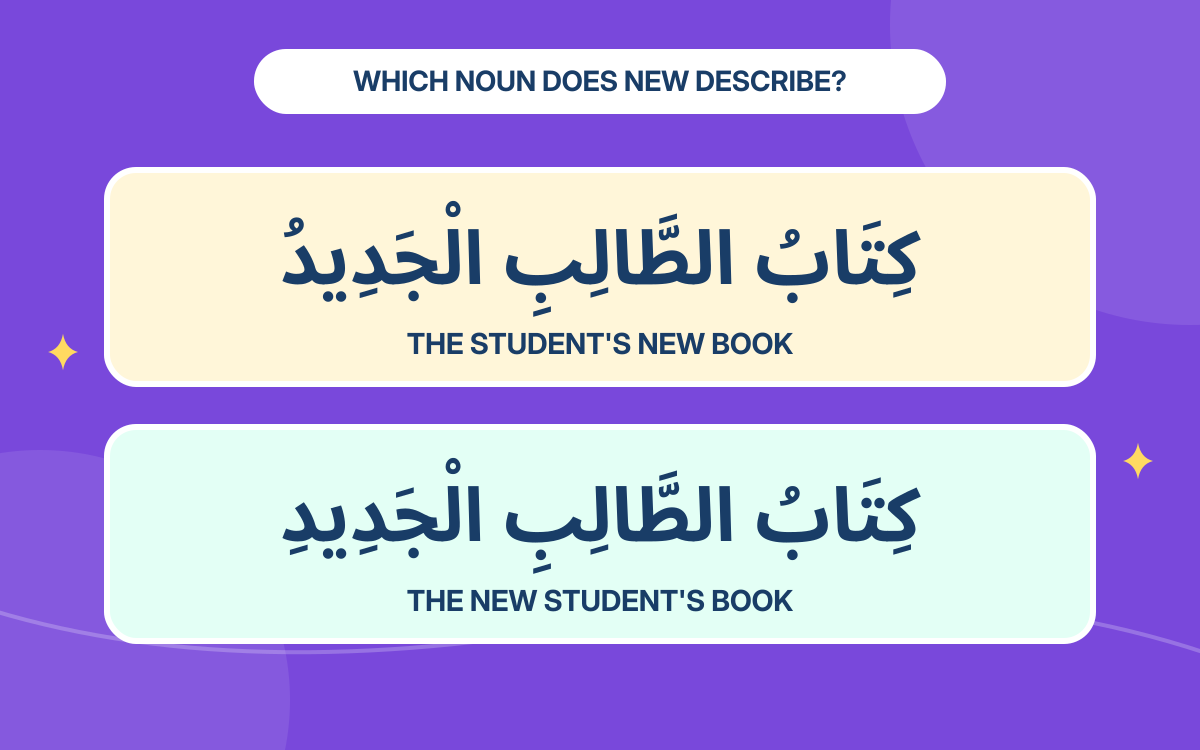
Place an adjective after an Arabic idafa and use agreement and context to identify which noun it describes, with seven focused quizzes.
Syed Masthan, M.A.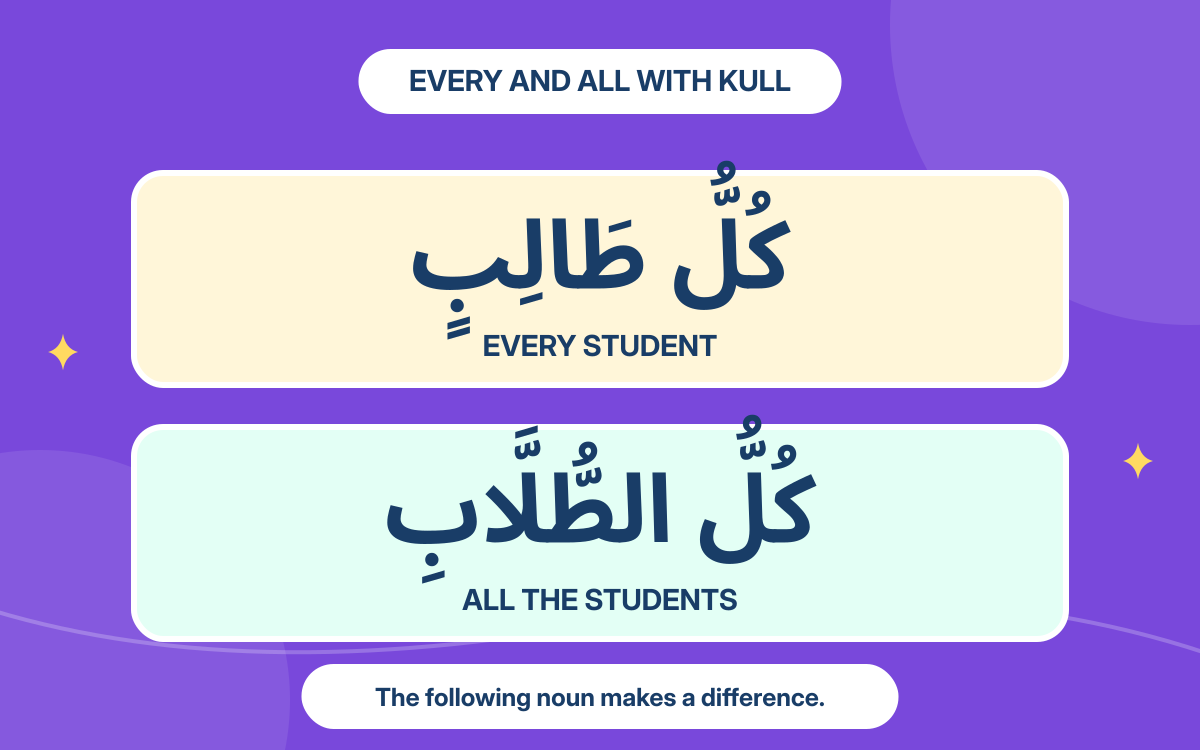
Use kull for every, all and the whole, build its idafa patterns, choose basic case endings, and practise with seven quick quizzes.
Syed Masthan, M.A.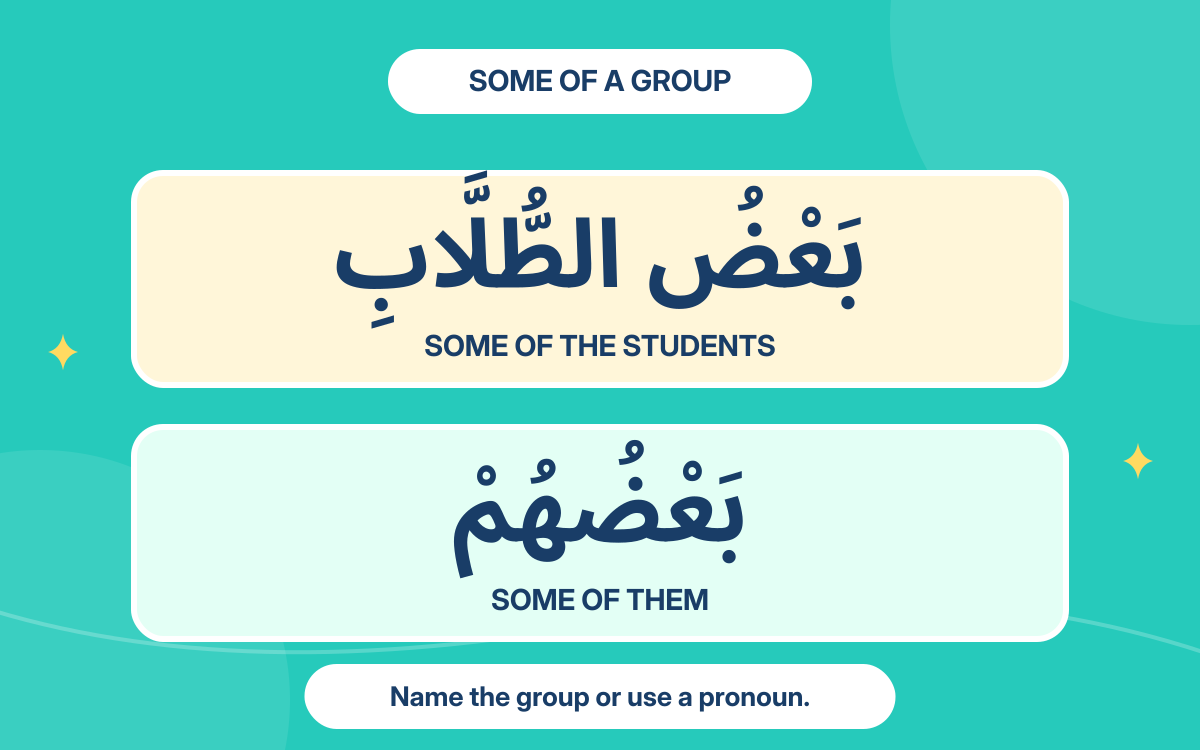
Use bad for a portion of a group or quantity, attach hum and hunna for some of them, and practise its case endings with seven quizzes.
Syed Masthan, M.A.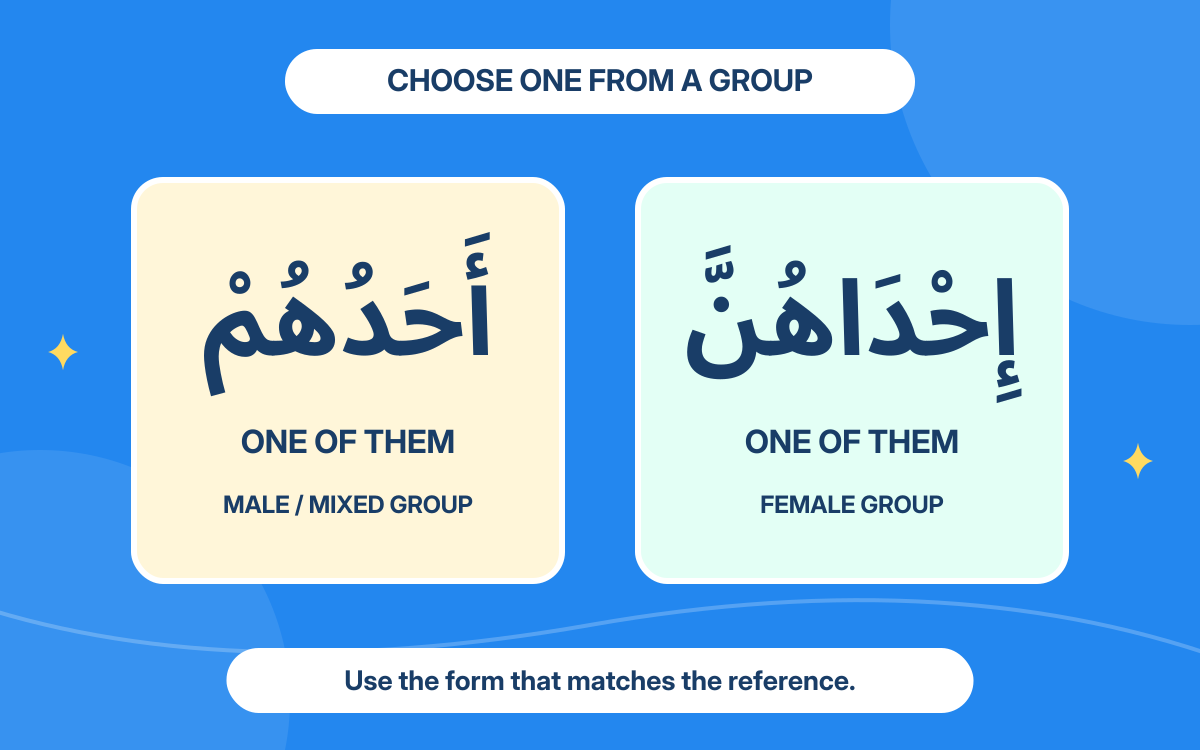
Say one of the students or one of them in Arabic, choose ahad or ihda, and practise the group noun and case endings in seven quizzes.
Syed Masthan, M.A.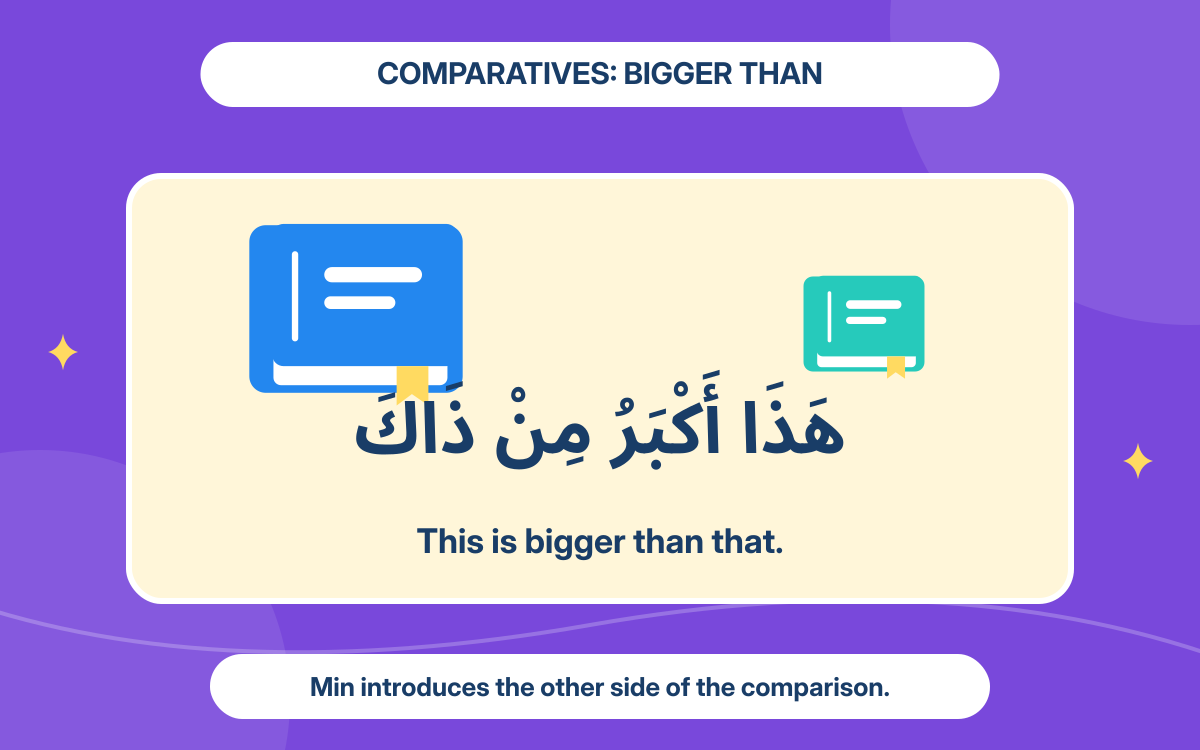
Build bigger than, taller than and better than with afal and min, compare nouns or pronouns, and practise the construction in seven quizzes.
Syed Masthan, M.A.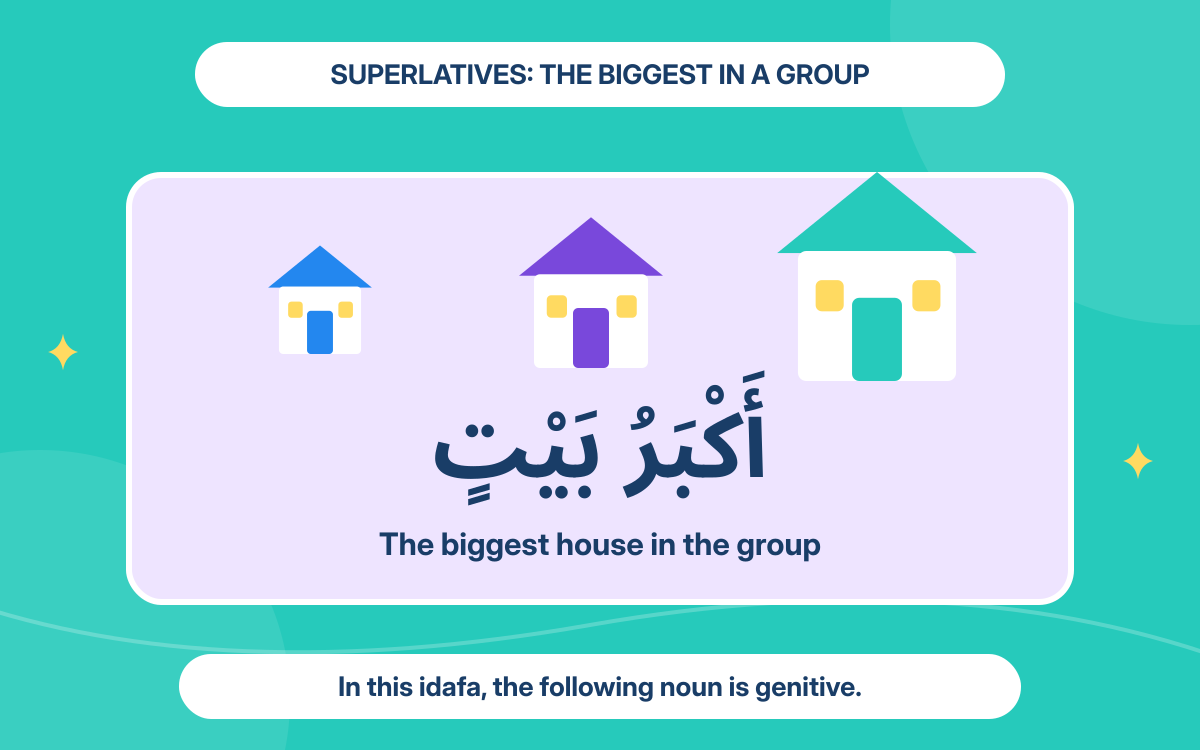
Use a comparison word as the first term of an idafa to say the best student or biggest house in a clear group, then practise with seven quizzes.
Syed Masthan, M.A.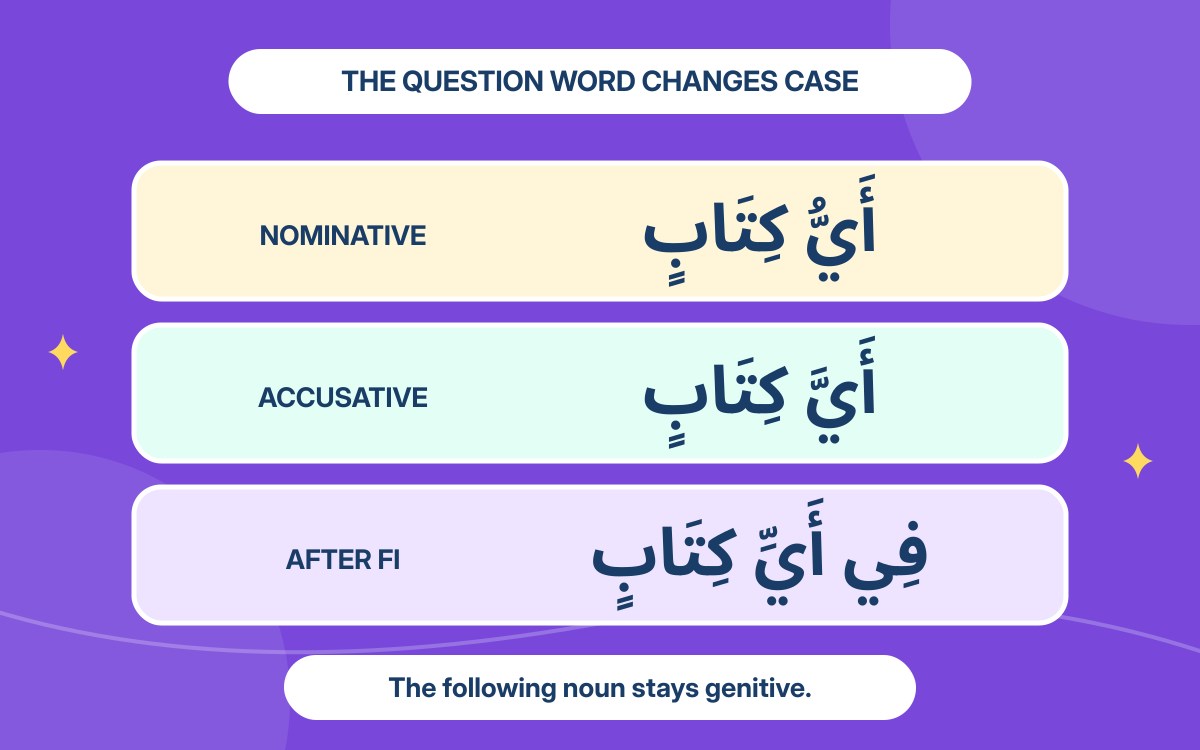
Ask which book or room with ayyu, ayya and ayyi. Learn which word changes case, keep the following noun genitive, and practise seven quizzes.
Syed Masthan, M.A.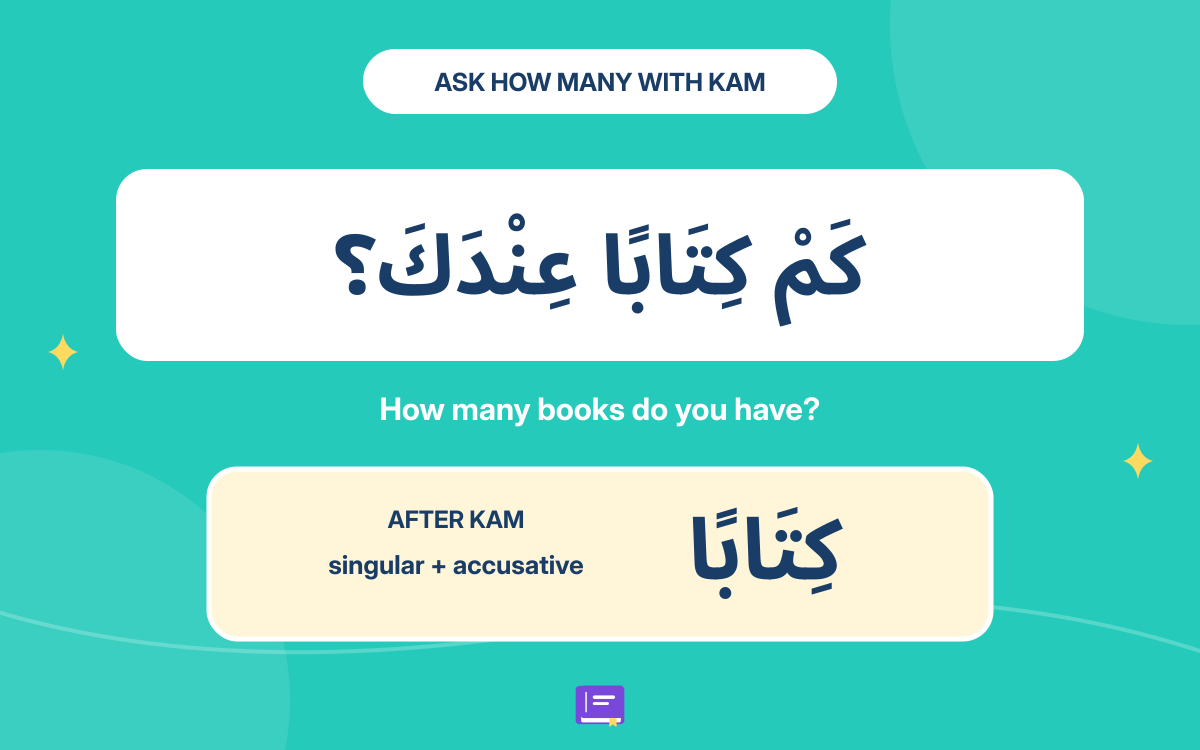
Ask how many with kam, choose a singular accusative noun, spell qalaman and haqibatan correctly, and practise seven short quizzes.
Syed Masthan, M.A.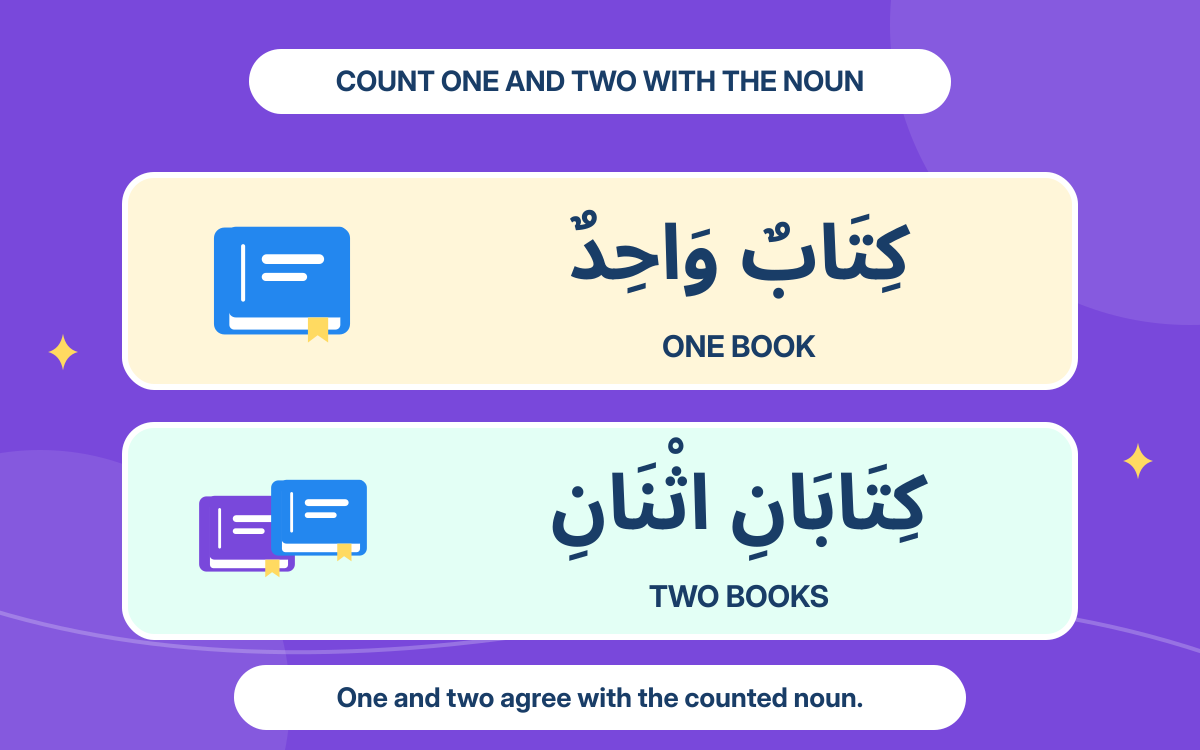
Put one and two after Arabic nouns, match masculine or feminine forms and follow case agreement with seven focused quizzes.
Syed Masthan, M.A.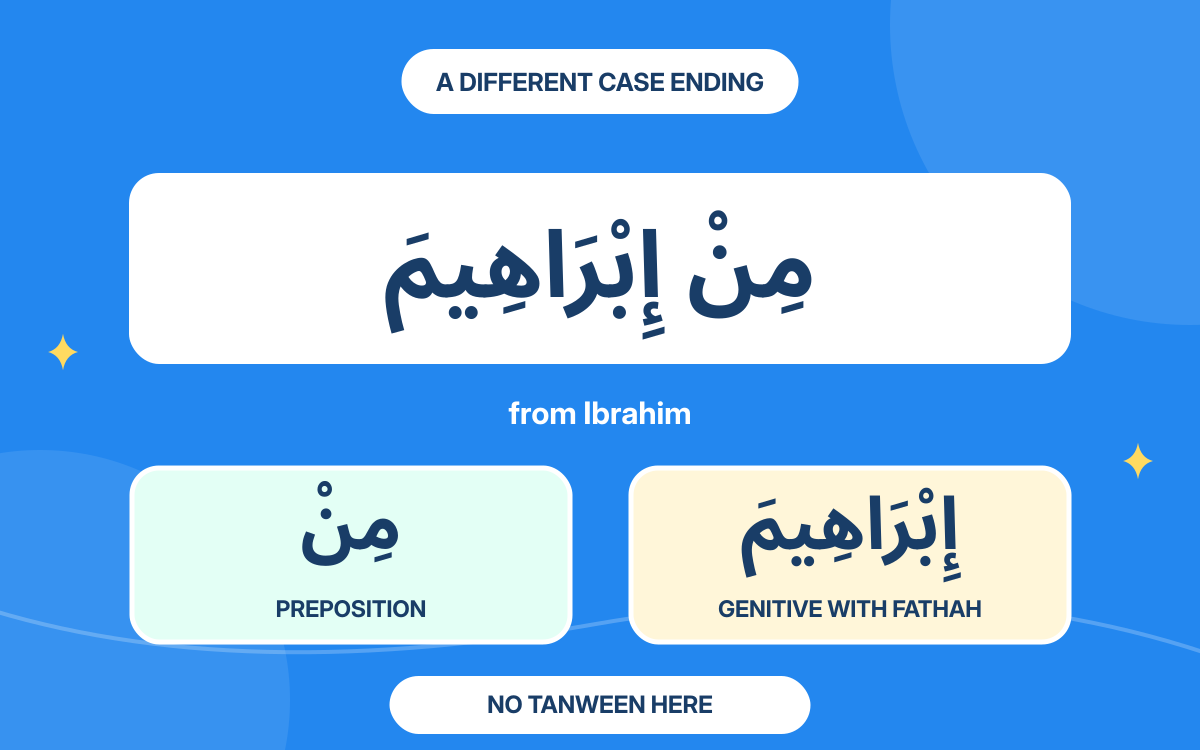
Understand Arabic diptotes, genitive fathah, missing tanween and the return of kasrah with al or idafa through seven focused quizzes.
Syed Masthan, M.A.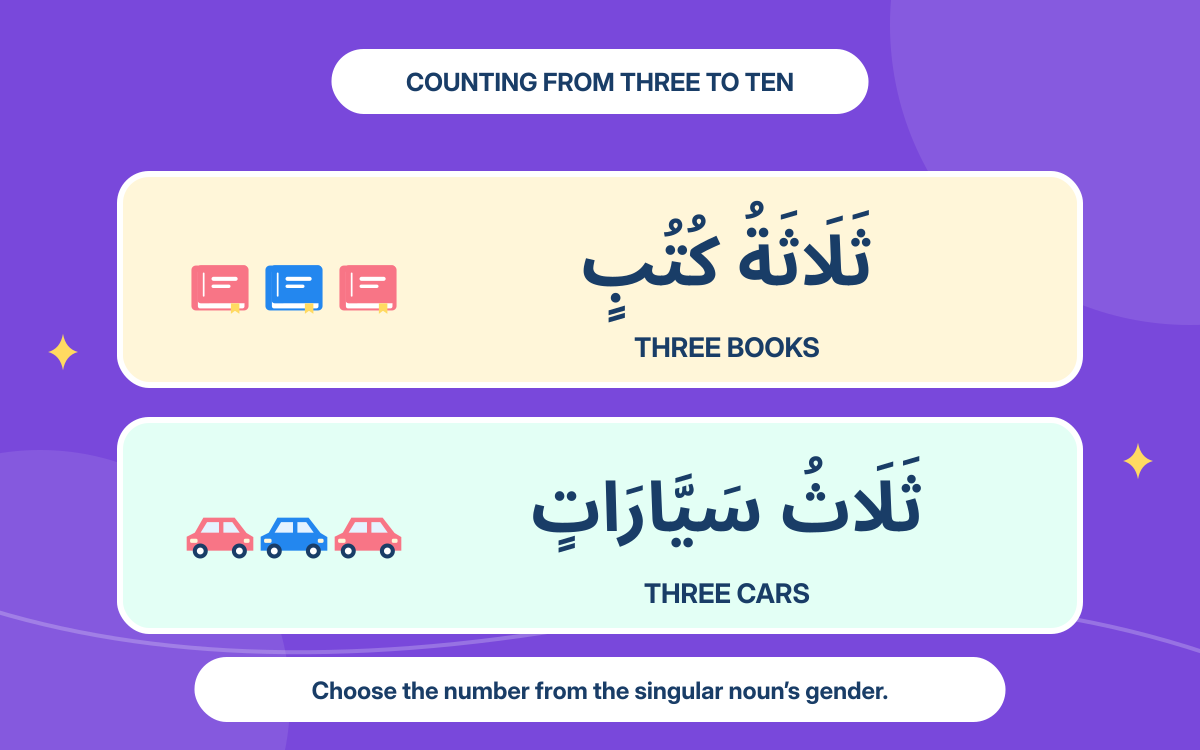
Build Arabic number phrases from three to ten with opposite gender, plural genitive nouns, changing number endings and seven quizzes.
Syed Masthan, M.A.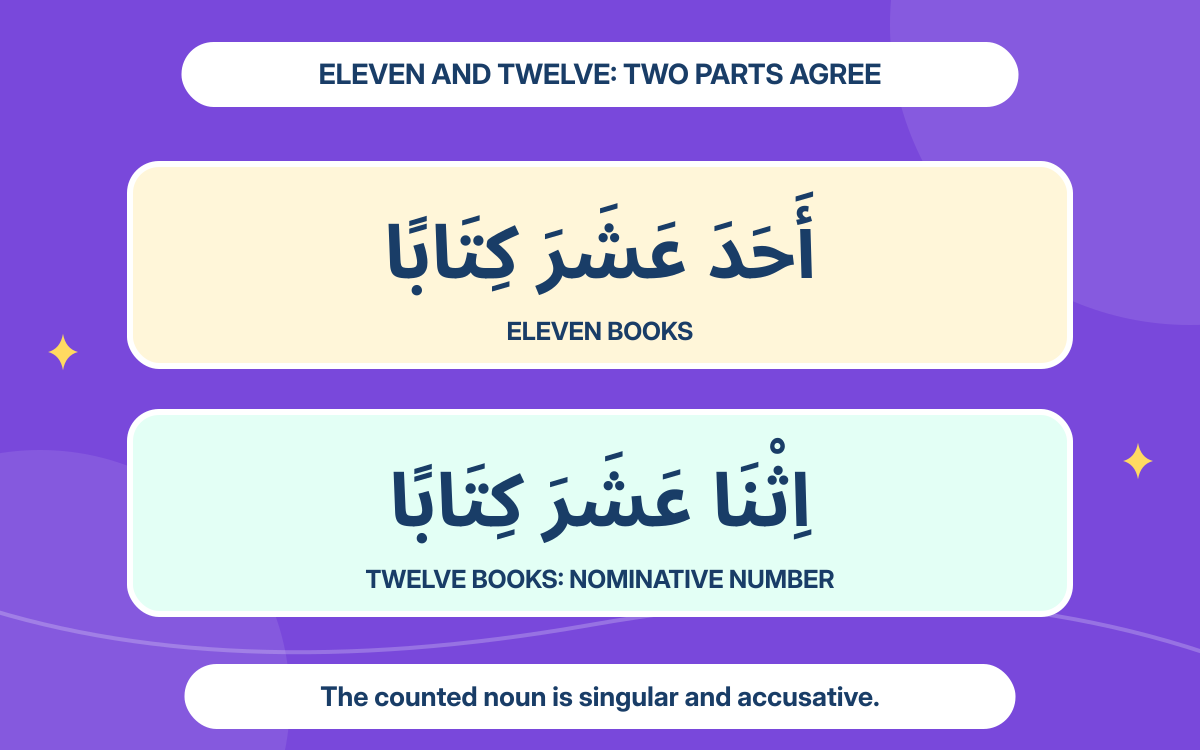
Count eleven or twelve books and cars in formal Arabic. Match both number parts to the noun, change twelve for case and practise seven quizzes.
Syed Masthan, M.A.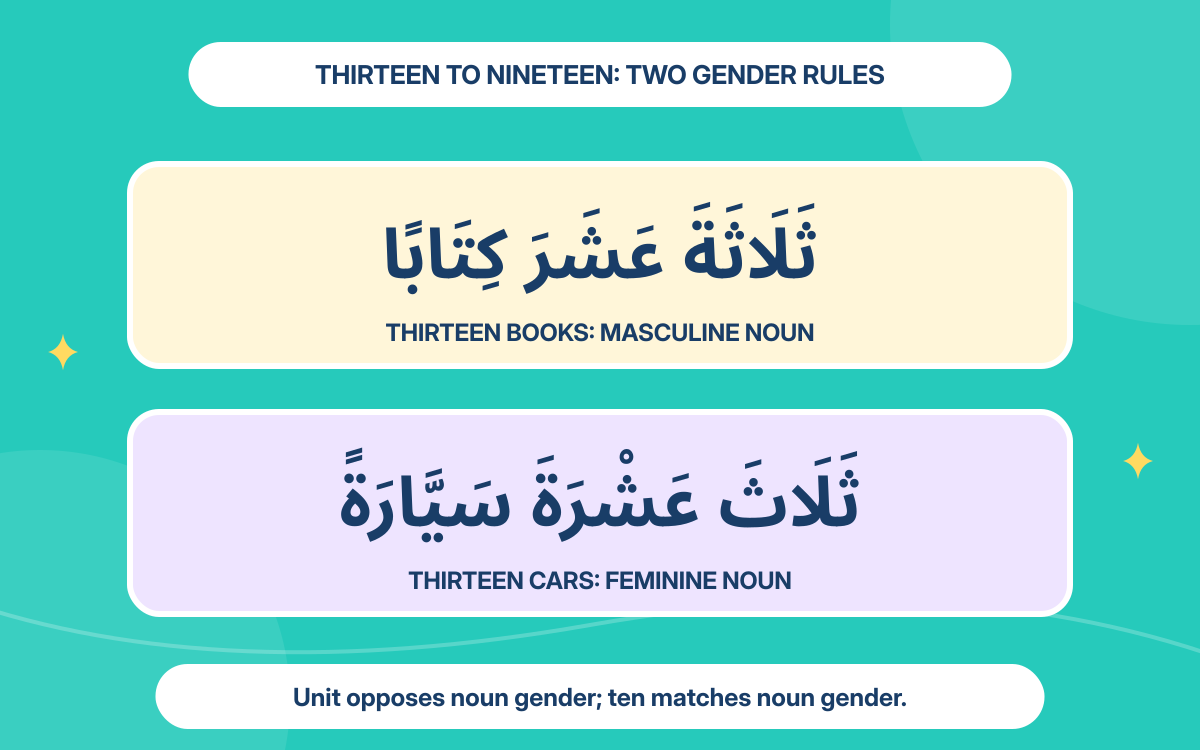
Build numbers thirteen to nineteen with books or cars. Use gender opposition in the first part, agreement in the second and seven focused quizzes.
Syed Masthan, M.A.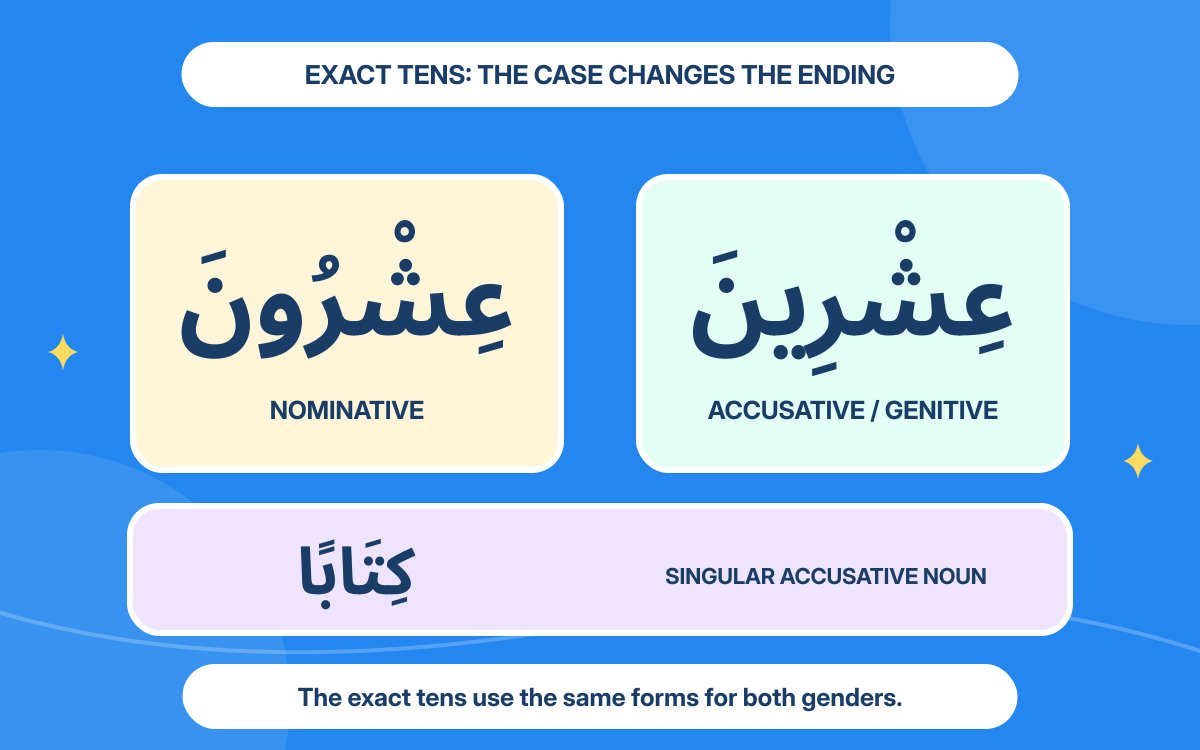
Use the same Arabic tens with masculine and feminine nouns, choose un or in by case and keep the counted noun singular and accusative. Practise with seven quizzes.
Syed Masthan, M.A.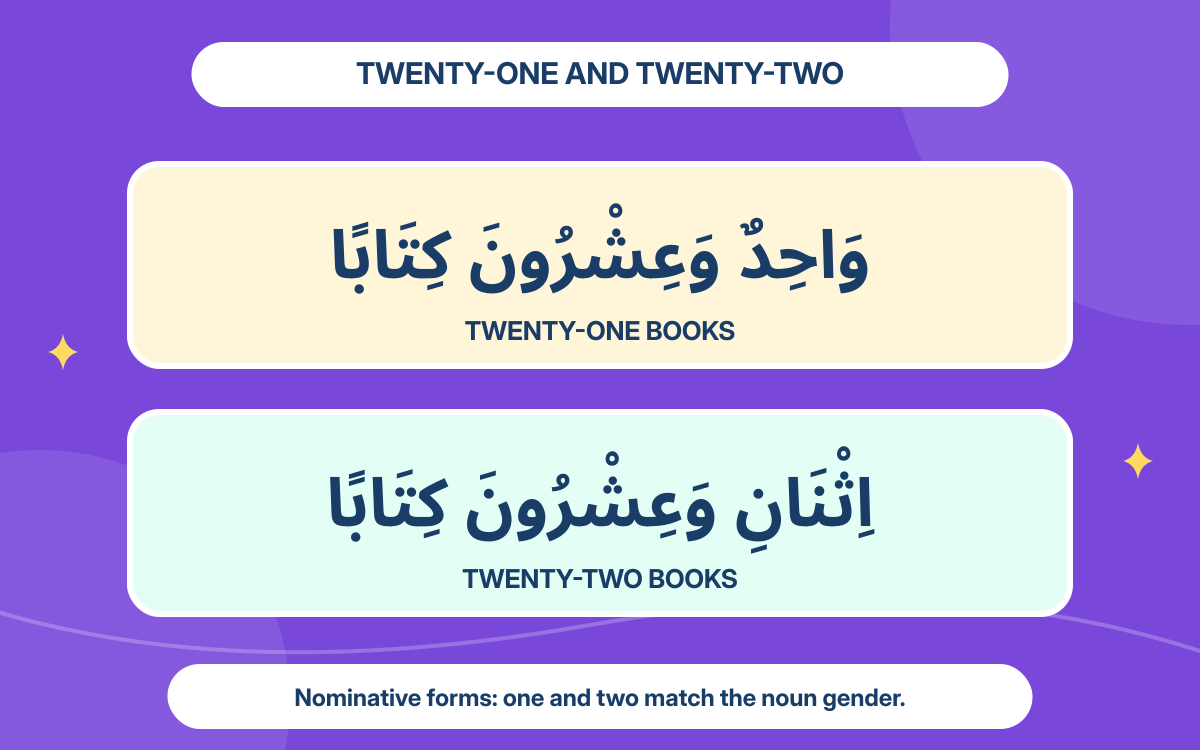
Build Arabic twenty-one and twenty-two with a matching unit, wa and a tens word. Change both number parts for case and practise with seven quizzes.
Syed Masthan, M.A.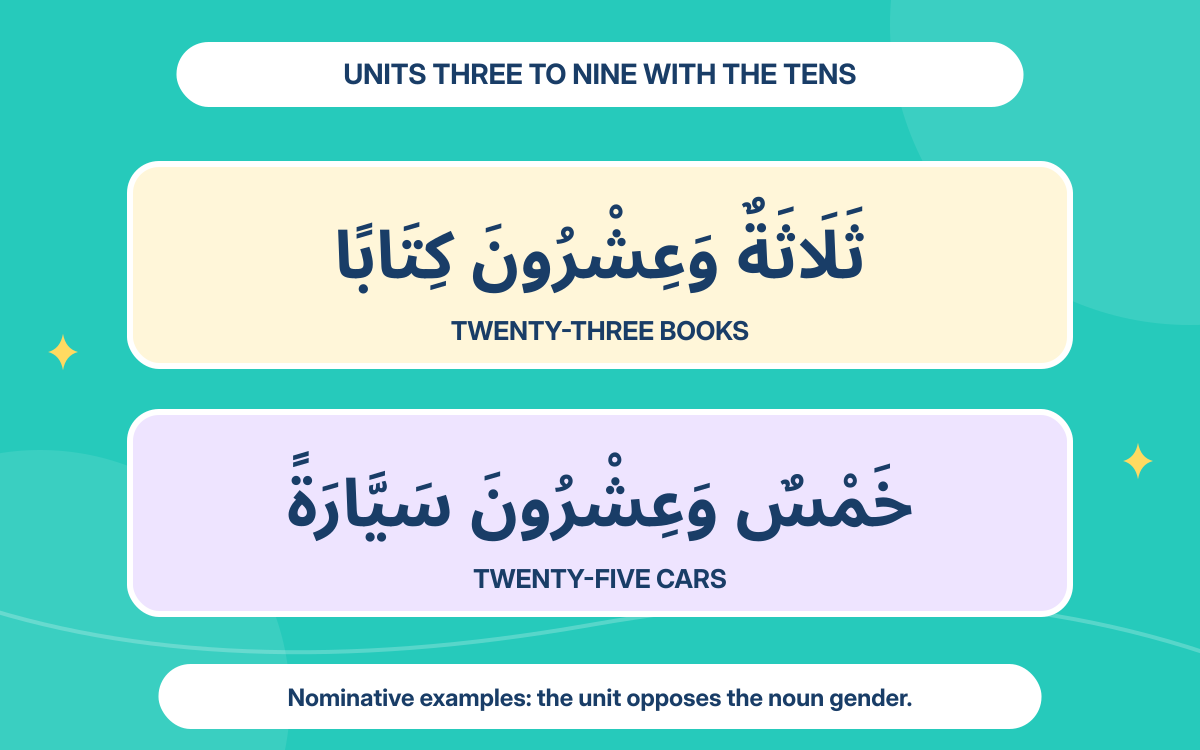
Build Arabic numbers whose units are three to nine, keep the tens gender-neutral and decline the number without changing its singular accusative counted noun. Seven quizzes included.
Syed Masthan, M.A.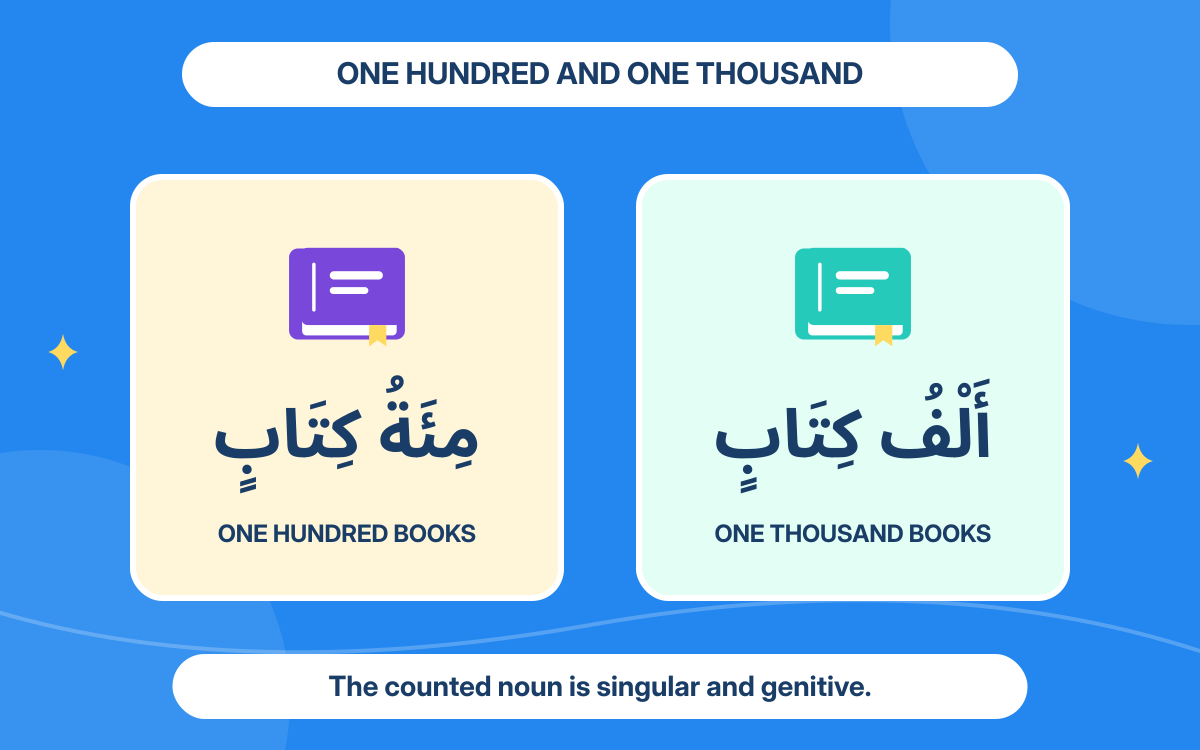
Use hundred and thousand with a singular genitive counted noun. Keep the number’s own case separate and practise the pattern through seven quizzes.
Syed Masthan, M.A.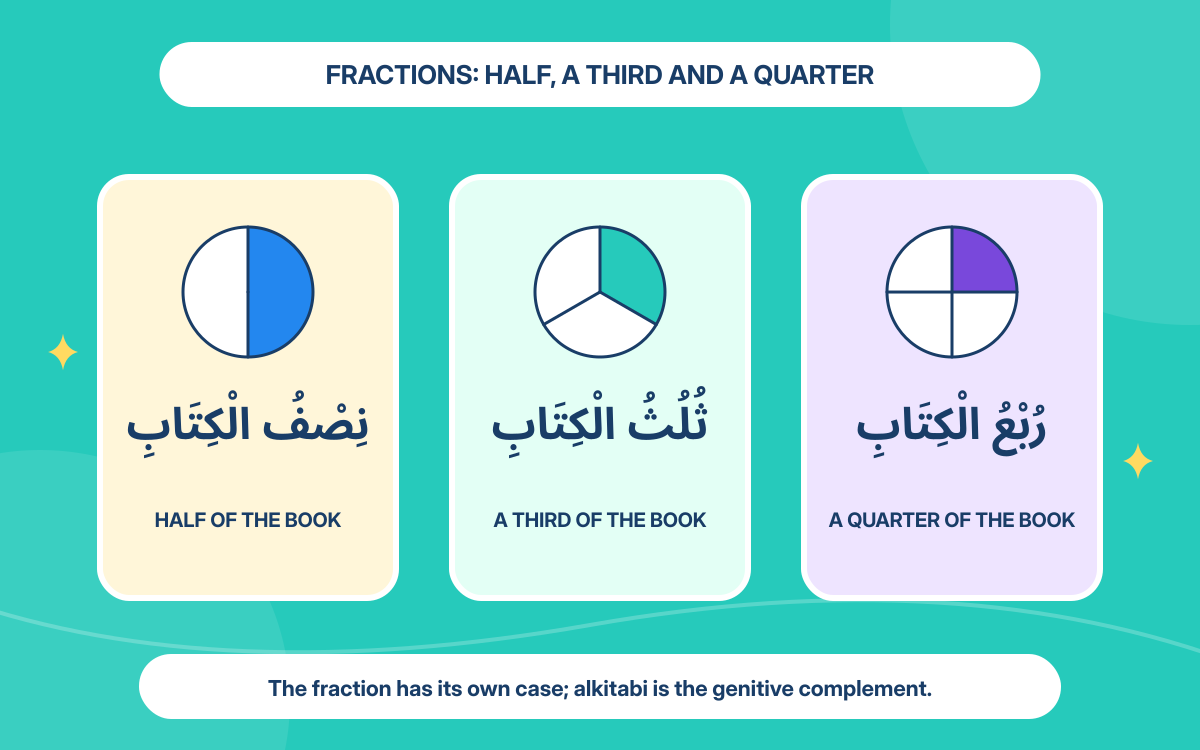
Say half of a book, a third and a quarter with Arabic fraction nouns, genitive complements, changing case endings and seven quizzes.
Syed Masthan, M.A.
Add emphasis with inna, make its noun accusative and keep the predicate nominative. Practise clear examples through seven quizzes.
Syed Masthan, M.A.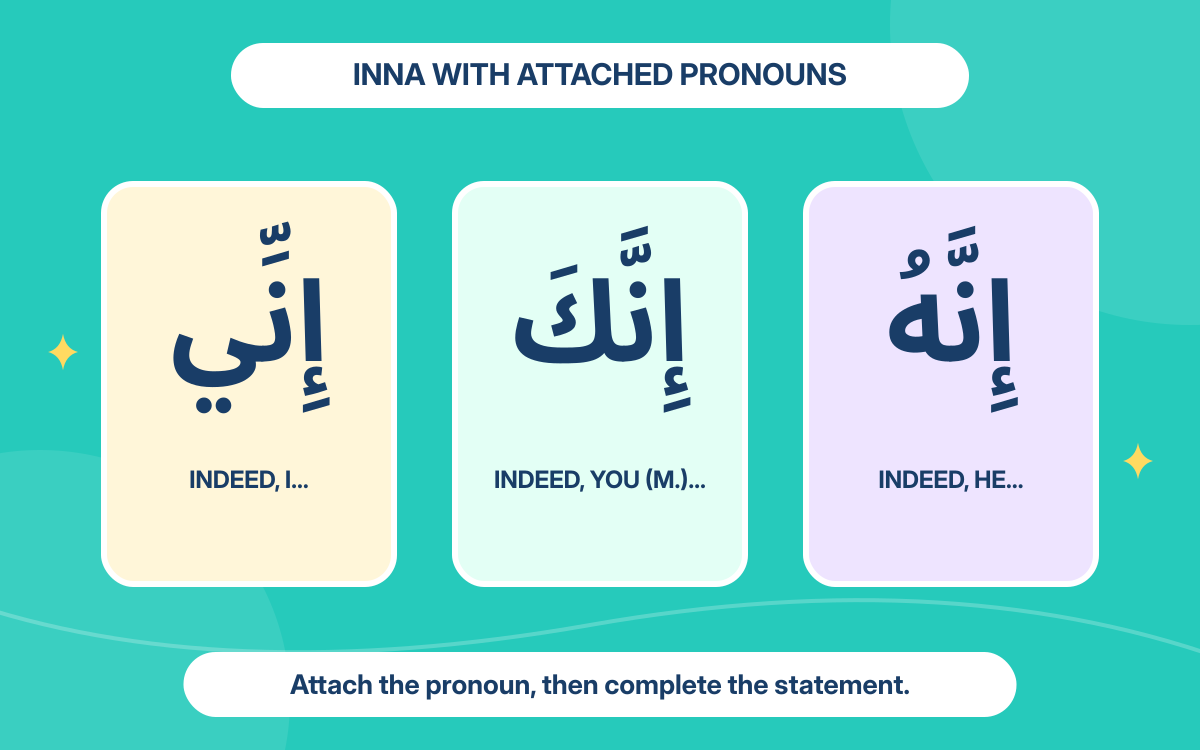
Say indeed I, you, he, she, we and they with pronouns attached to inna. Match the predicate and practise seven quizzes.
Syed Masthan, M.A.
Explain why with lianna plus a noun or attached pronoun. Keep noun and predicate endings clear through seven practical quizzes.
Syed Masthan, M.A.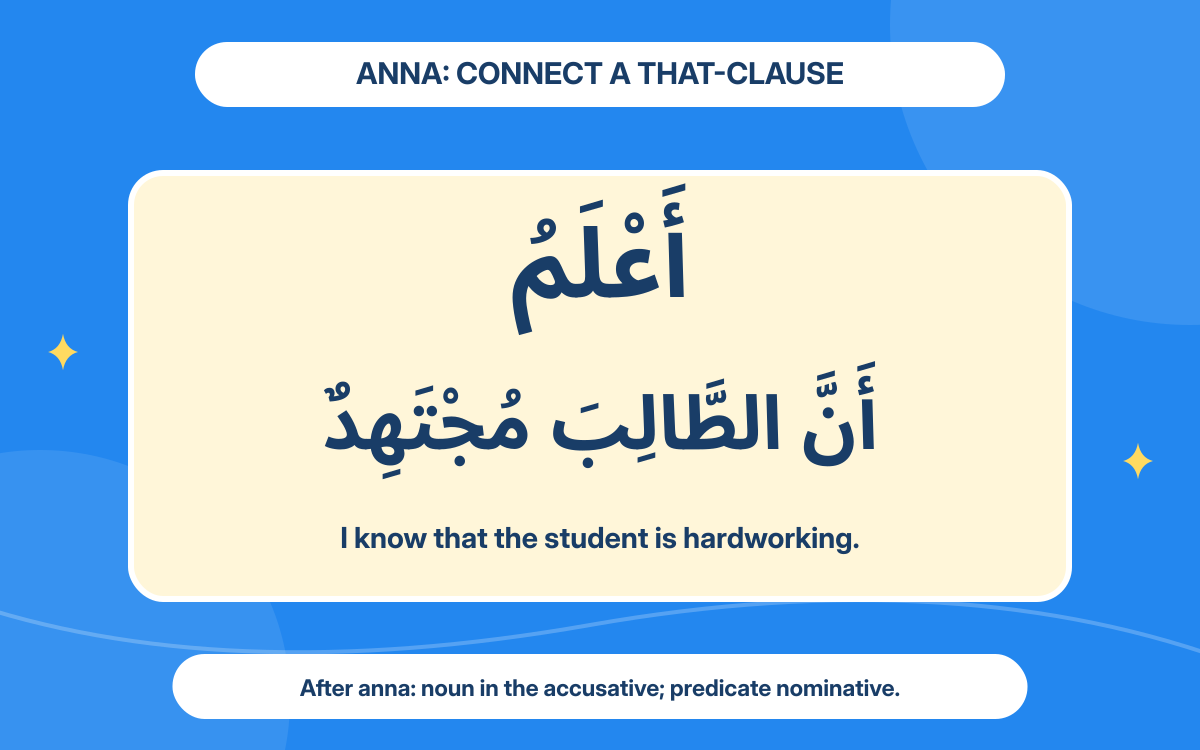
Use anna to report what you know or think. Keep its noun and predicate clear, add pronouns and distinguish direct speech through seven quizzes.
Syed Masthan, M.A.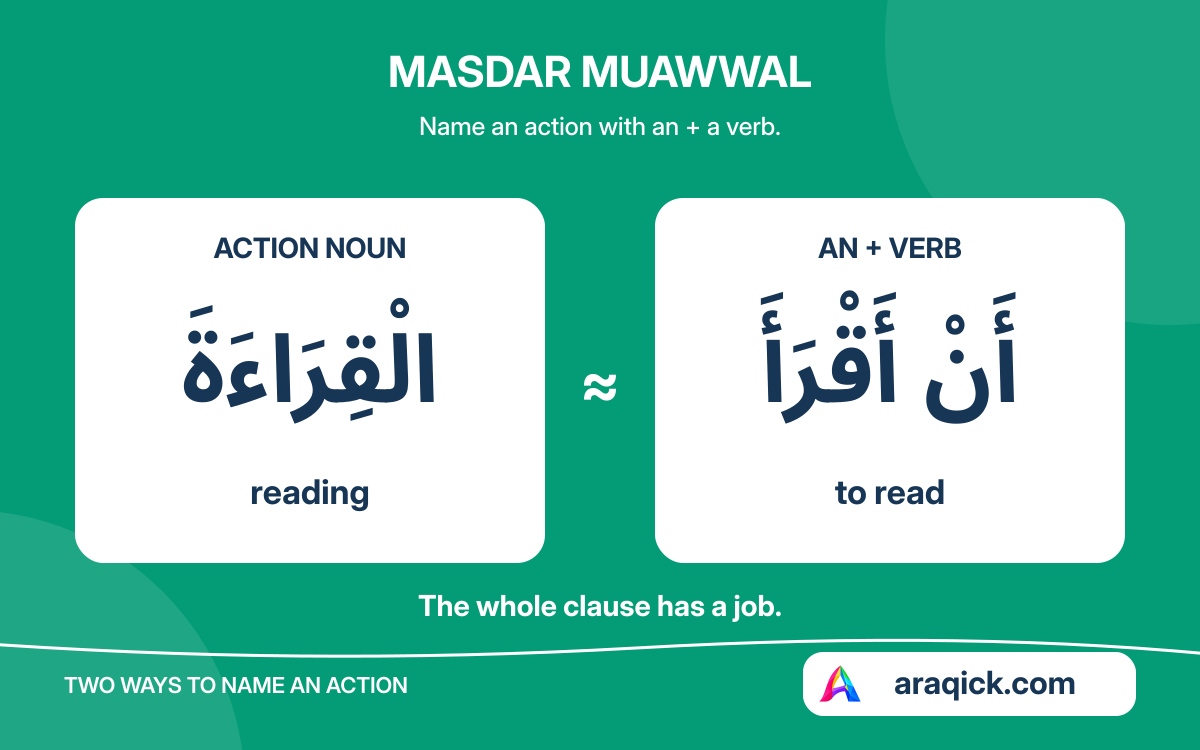
Understand masdar muawwal with an and a subjunctive verb. Compare action nouns, sentence roles and different doers in seven quizzes.
Syed Masthan, M.A.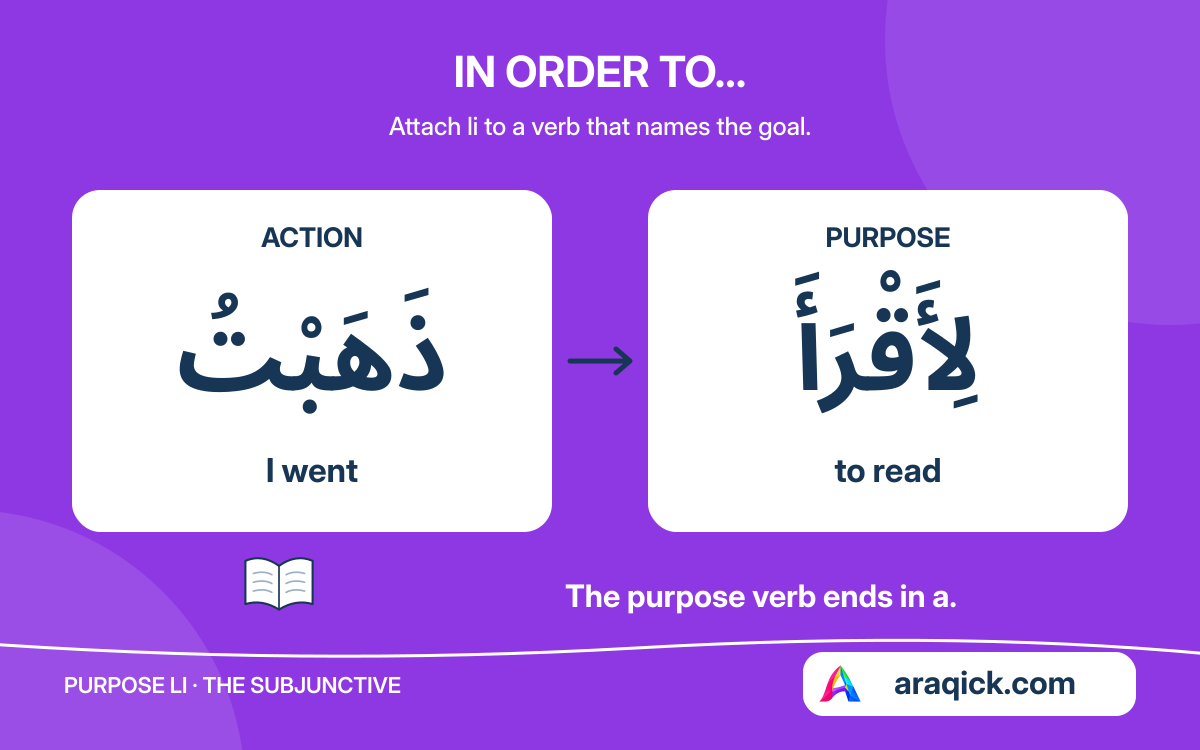
Build Arabic purpose clauses with li and a subjunctive verb. Learn in order to, person changes and purpose versus command in seven quizzes.
Syed Masthan, M.A.
Distinguish governing lakinna from light lakin. Build contrasts with noun endings and attached pronouns, then practise through seven quizzes.
Syed Masthan, M.A.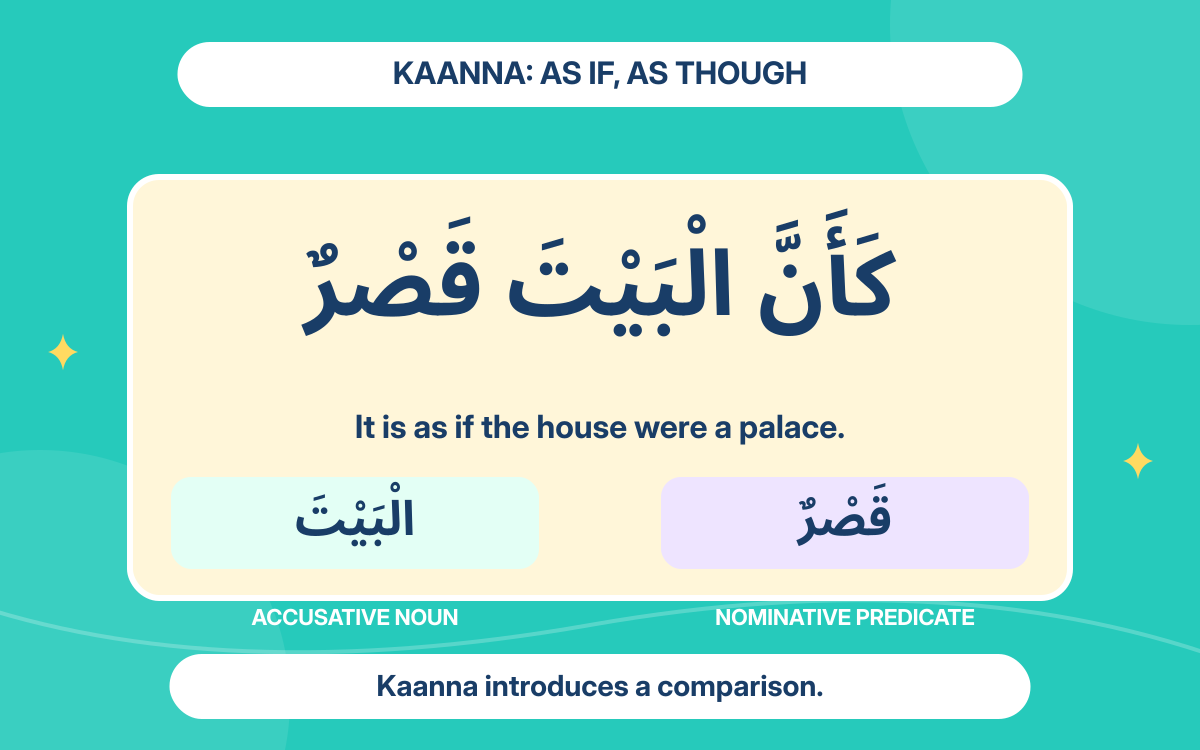
Express comparisons with kaanna, use its accusative noun and nominative predicate, and attach he or she through seven quizzes.
Syed Masthan, M.A.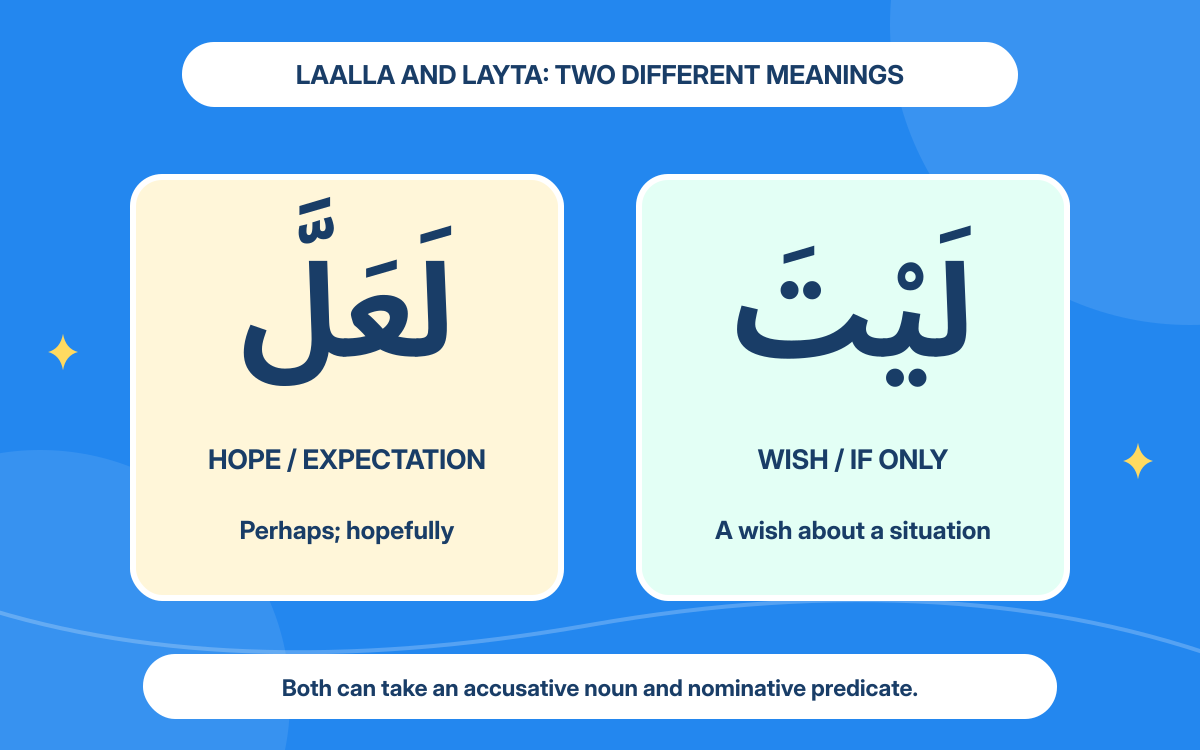
Express hope or expectation with laalla and wishes with layta, preserve noun and predicate roles, and practise seven quizzes.
Syed Masthan, M.A.
Use alladhi and allati with definite singular nouns, build clear relative clauses and practise who, which and that in seven quick quizzes.
Syed Masthan, M.A.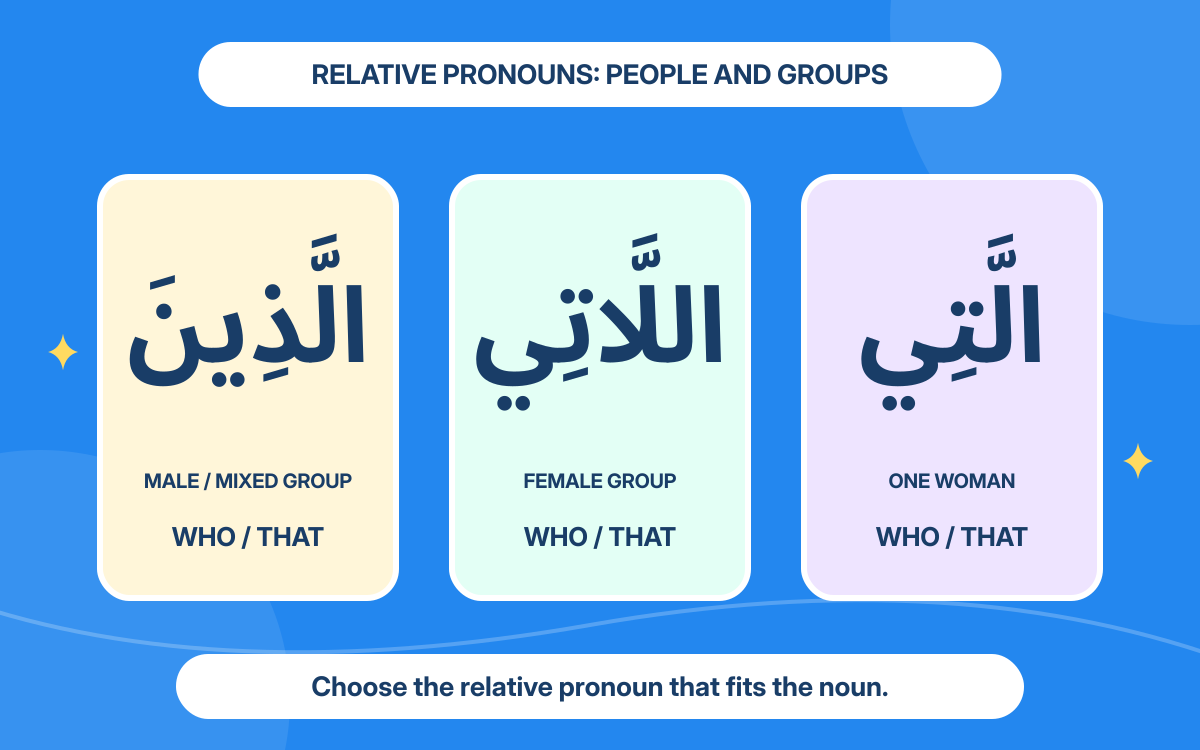
Use alladhina for male or mixed human groups and plural allati for female groups, then practise matching clauses in seven quizzes.
Syed Masthan, M.A.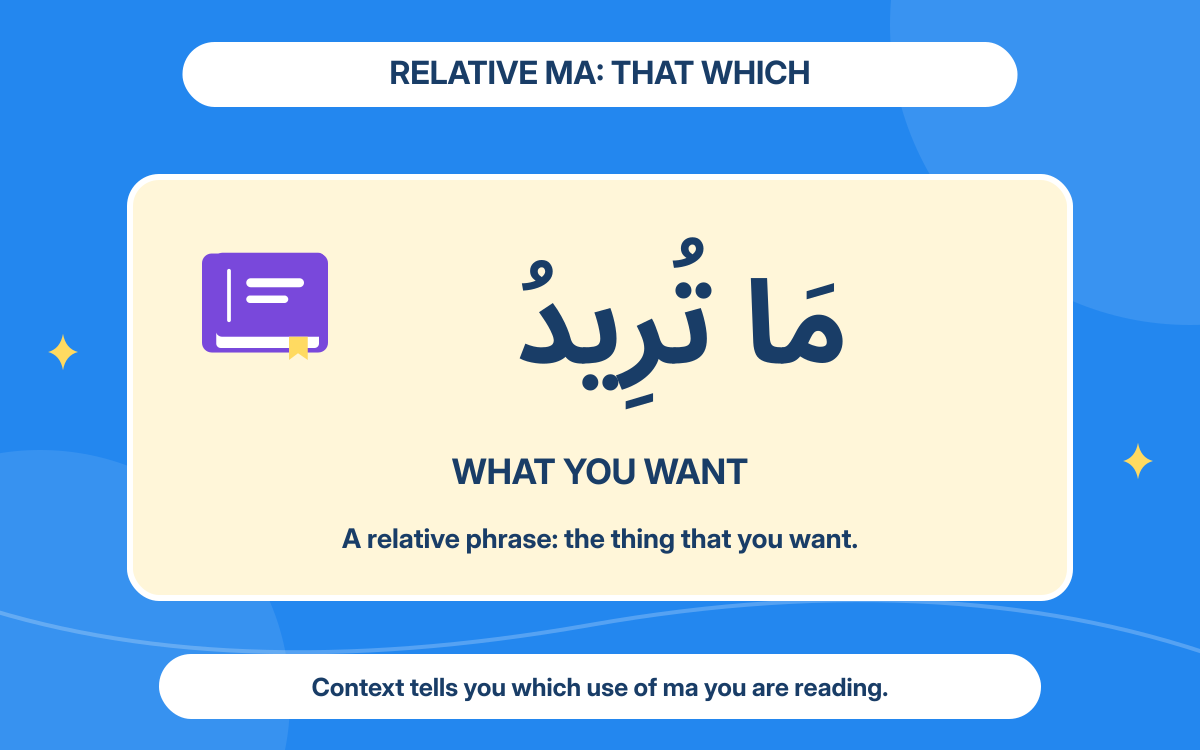
Read ma meaning that which, follow its relative clause, and distinguish it from question and negative ma through seven quizzes.
Syed Masthan, M.A.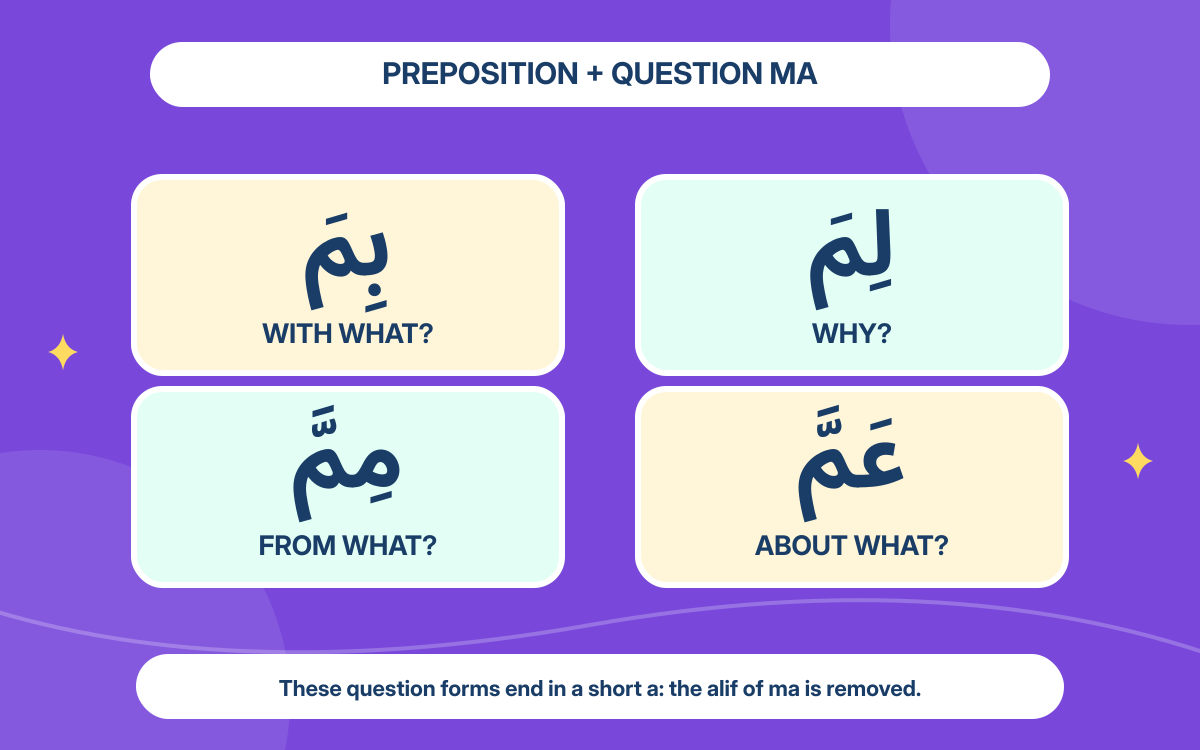
Write bima, lima, mimma and amma as formal question contractions, remove ma’s alif, and distinguish عَمَّ from أَمَّا through seven quizzes.
Syed Masthan, M.A.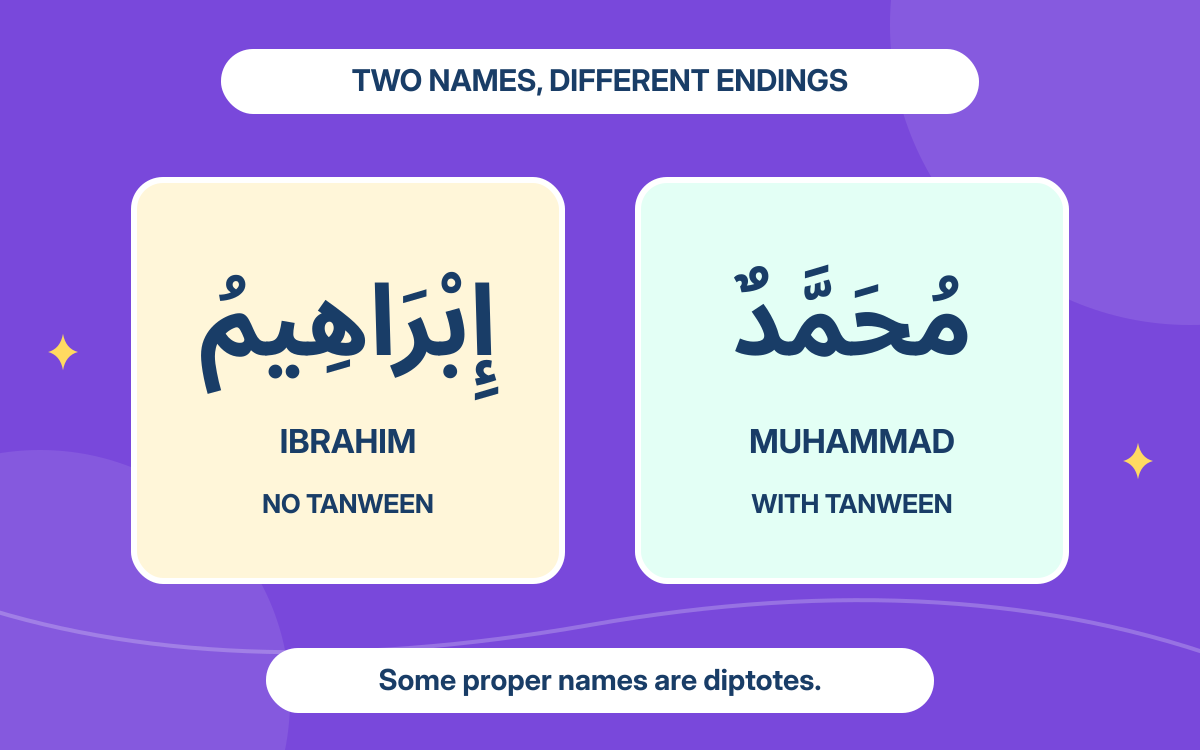
Recognise common diptote name families, from Maryam and Hamza to Ibrahim, Ahmad and Uthman, then practise their endings in seven quizzes.
Syed Masthan, M.A.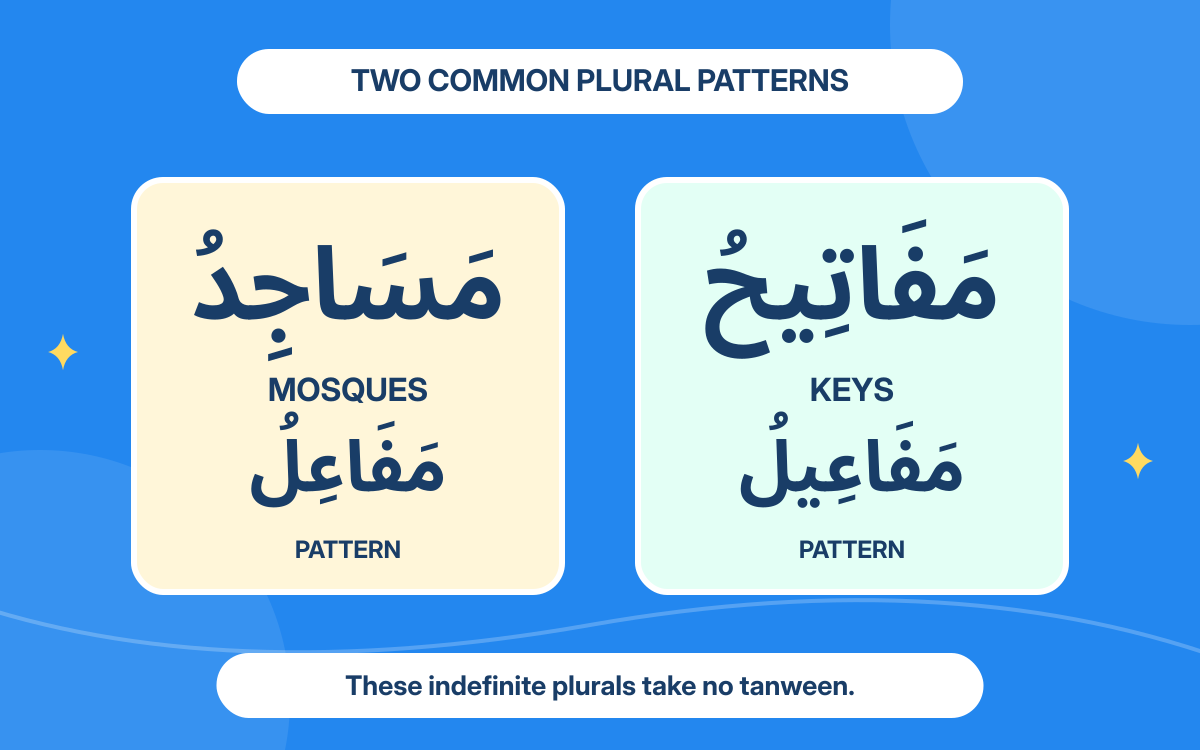
Recognise the diptote plural patterns مَفَاعِل and مَفَاعِيل in mosques, schools, keys and lamps. Practise their endings through seven quizzes.
Syed Masthan, M.A.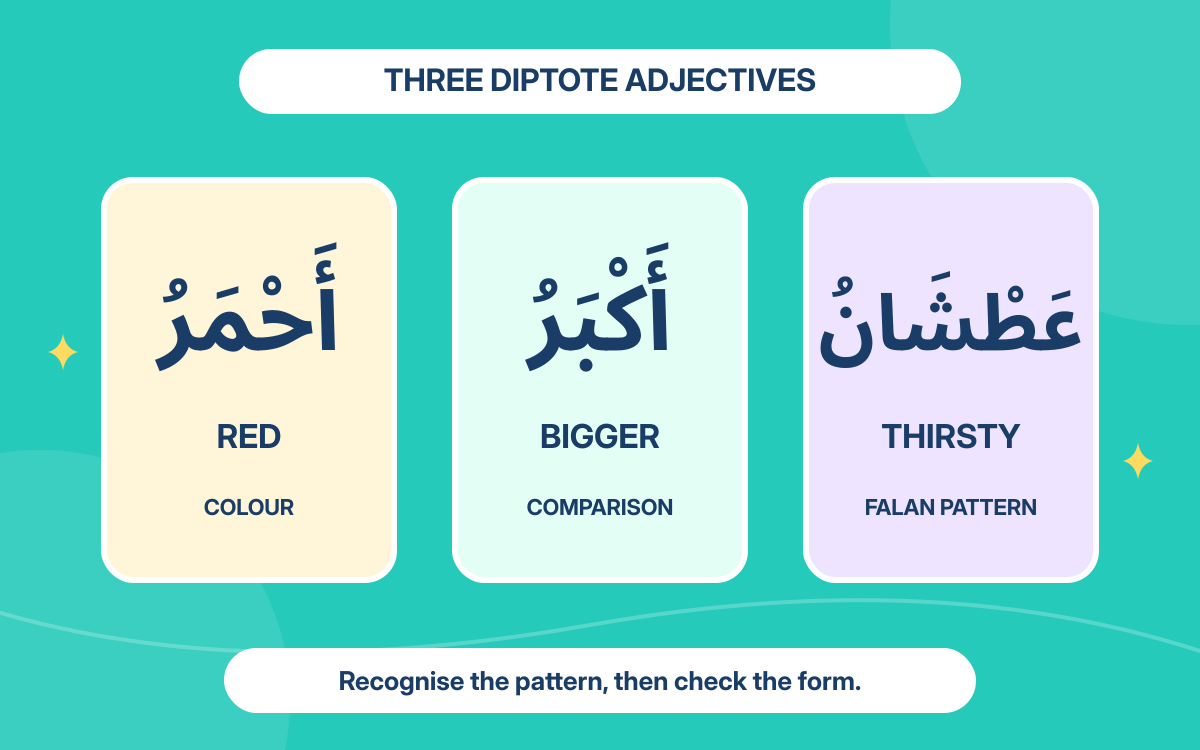
Recognise diptote colour, comparative and falan adjectives, match their case to the noun, and practise fathah and kasrah in seven quizzes.
Syed Masthan, M.A.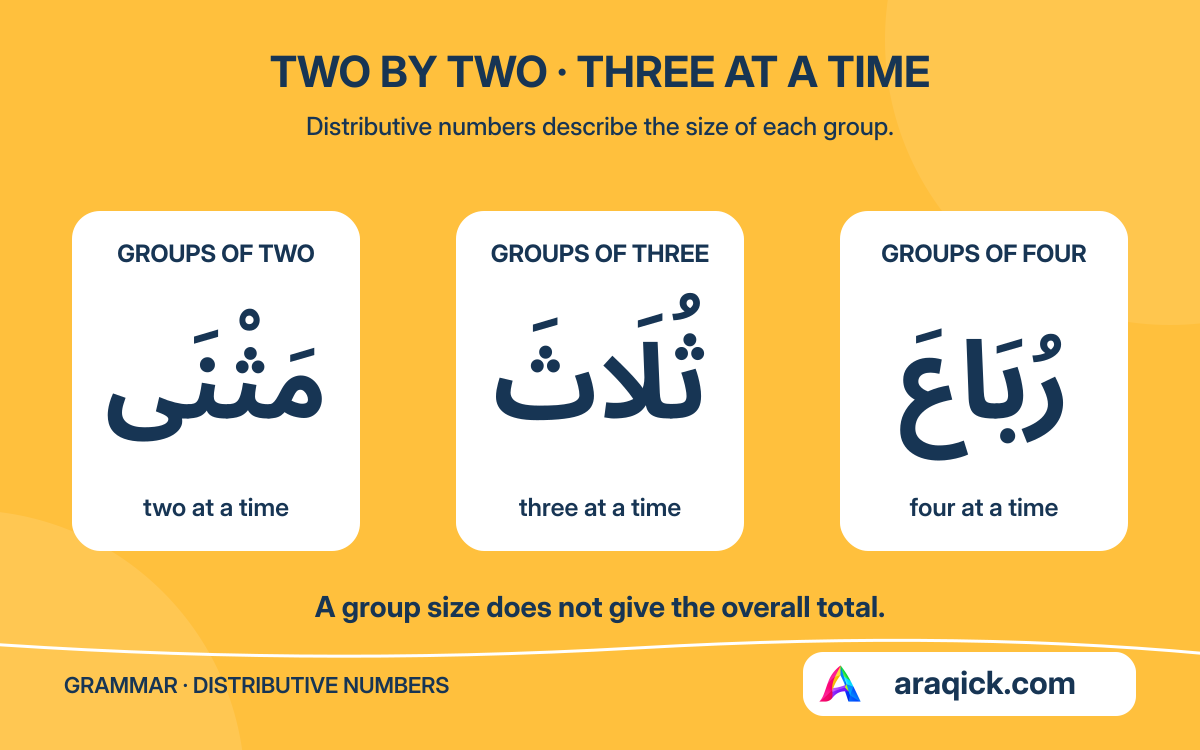
Learn mathna, thulath and ruba for two by two, three at a time and four at a time. Compare ordinary counting, case endings and seven quizzes.
Syed Masthan, M.A.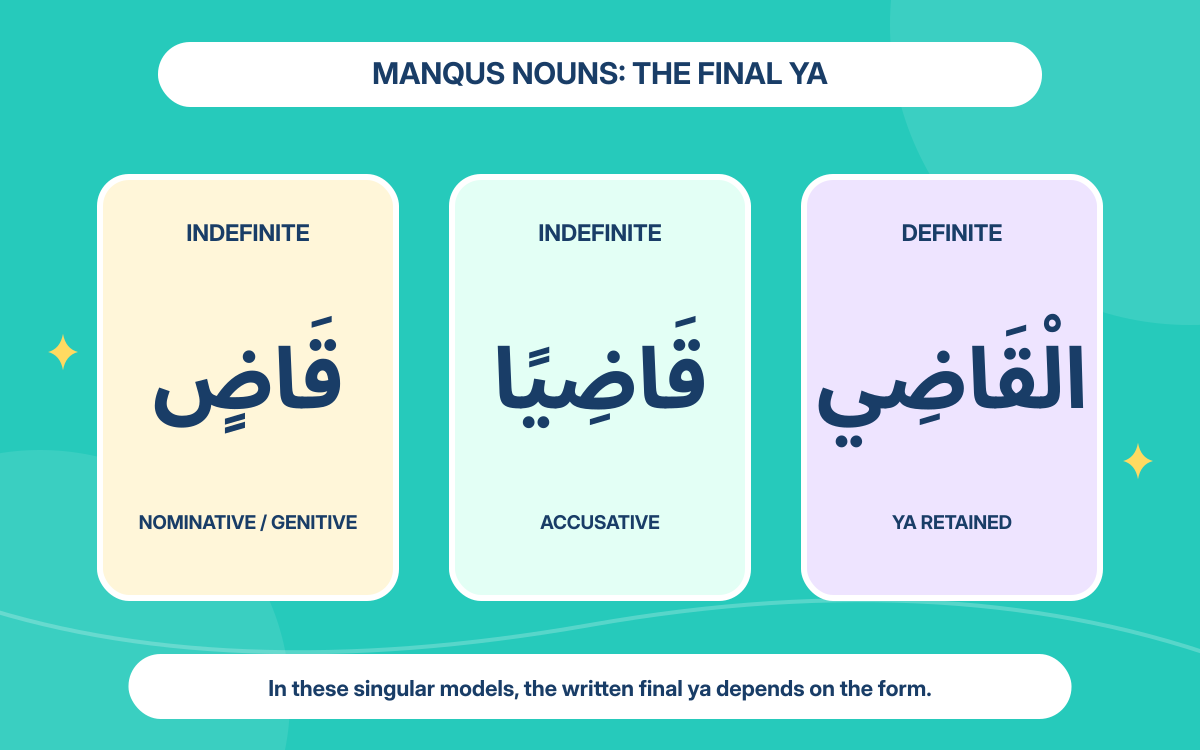
Recognise the final ya in manqus nouns and adjectives, choose indefinite case forms and keep ya with al or idafa through seven quizzes.
Syed Masthan, M.A.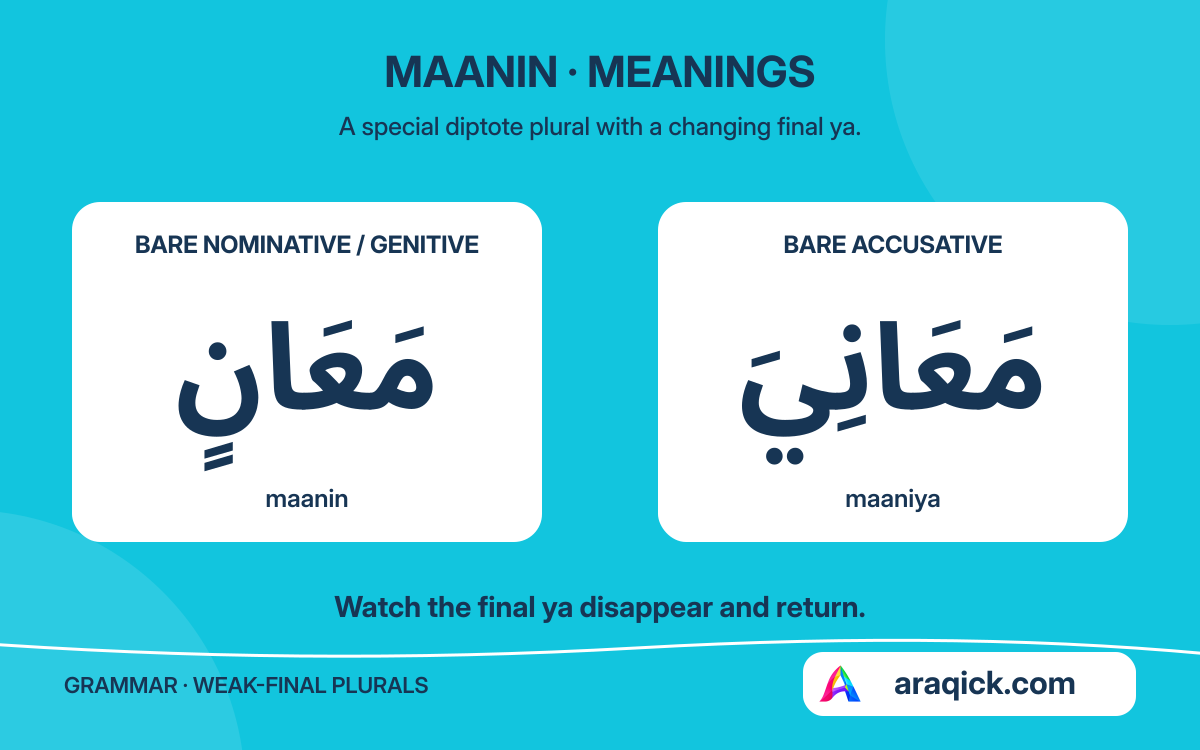
Learn why maanin and layalin can have tanwin despite being diptote plurals. Compare nominative, accusative and genitive forms with seven quizzes.
Syed Masthan, M.A.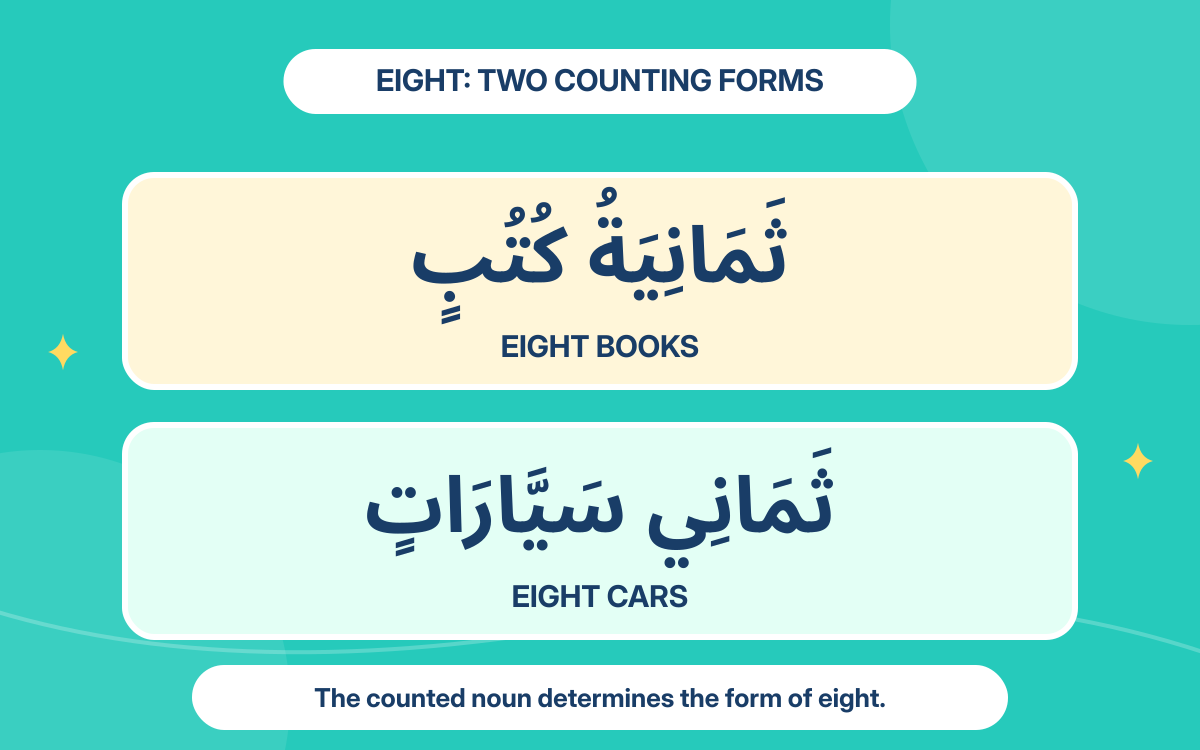
Choose the Arabic forms of eight with masculine and feminine nouns, keep construct ya, and recognise standalone thamanin through seven quizzes.
Syed Masthan, M.A.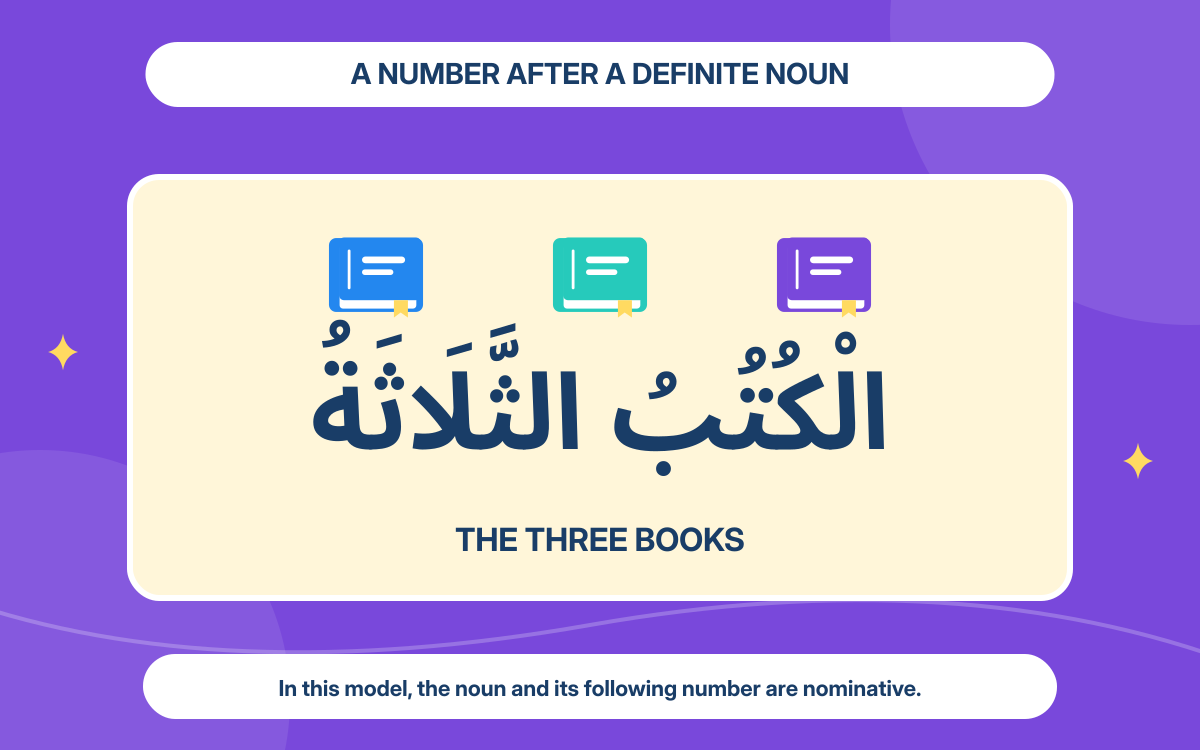
Describe a definite group with a following number, match its case, distinguish three from third and practise with seven quizzes.
Syed Masthan, M.A.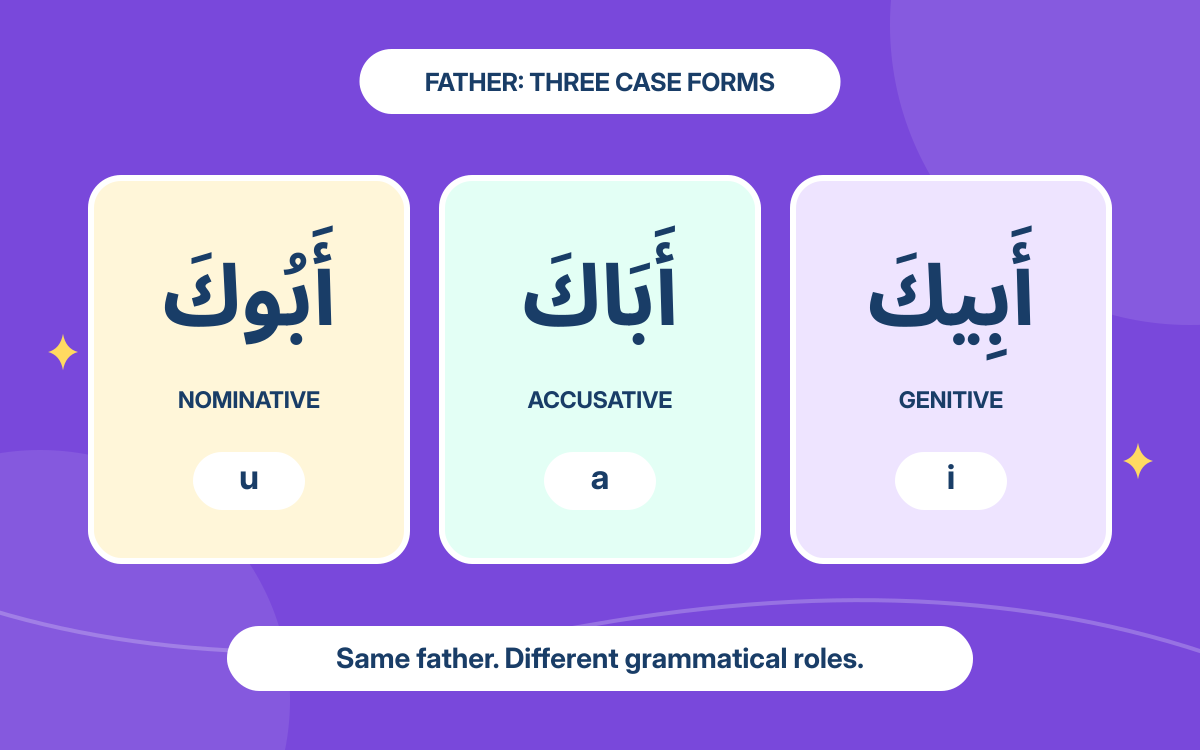
Learn when Arabic father and brother use abu, aba, abi and akhu, akha, akhi, including possessive suffixes and seven practice questions.
Syed Masthan, M.A.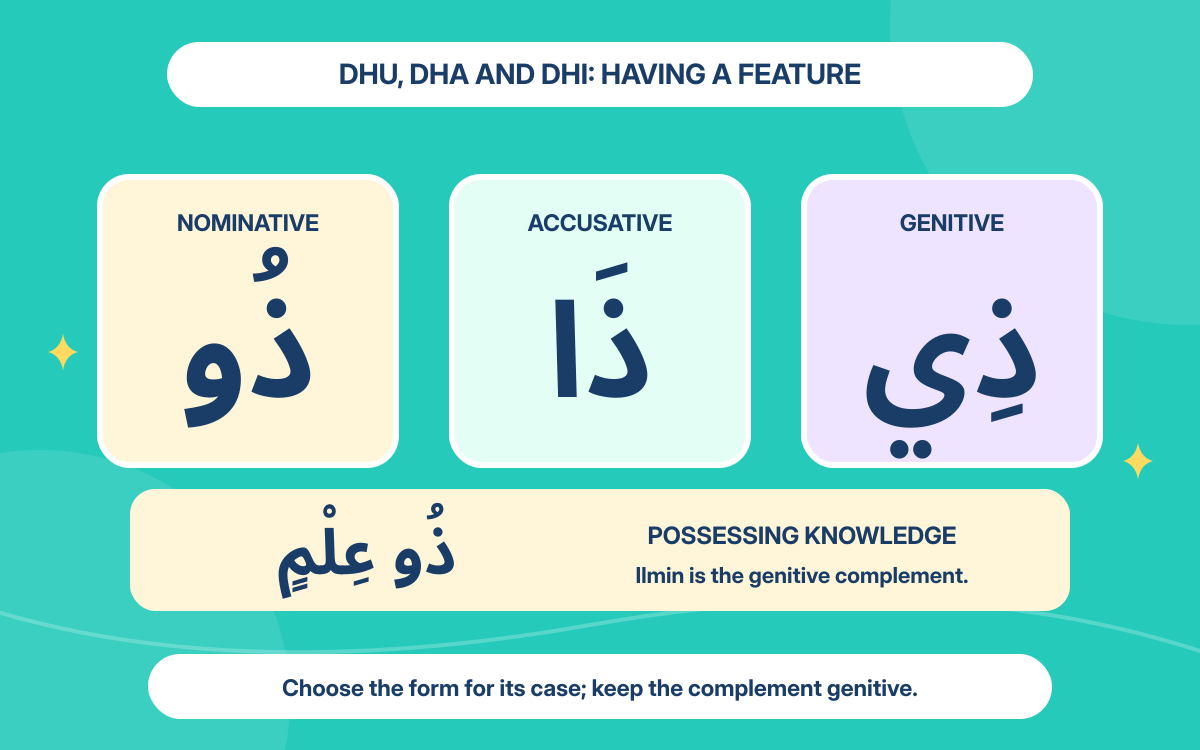
Describe something as having a feature with dhu, dha or dhi, use feminine dhat, and practise the genitive complement in seven quizzes.
Syed Masthan, M.A.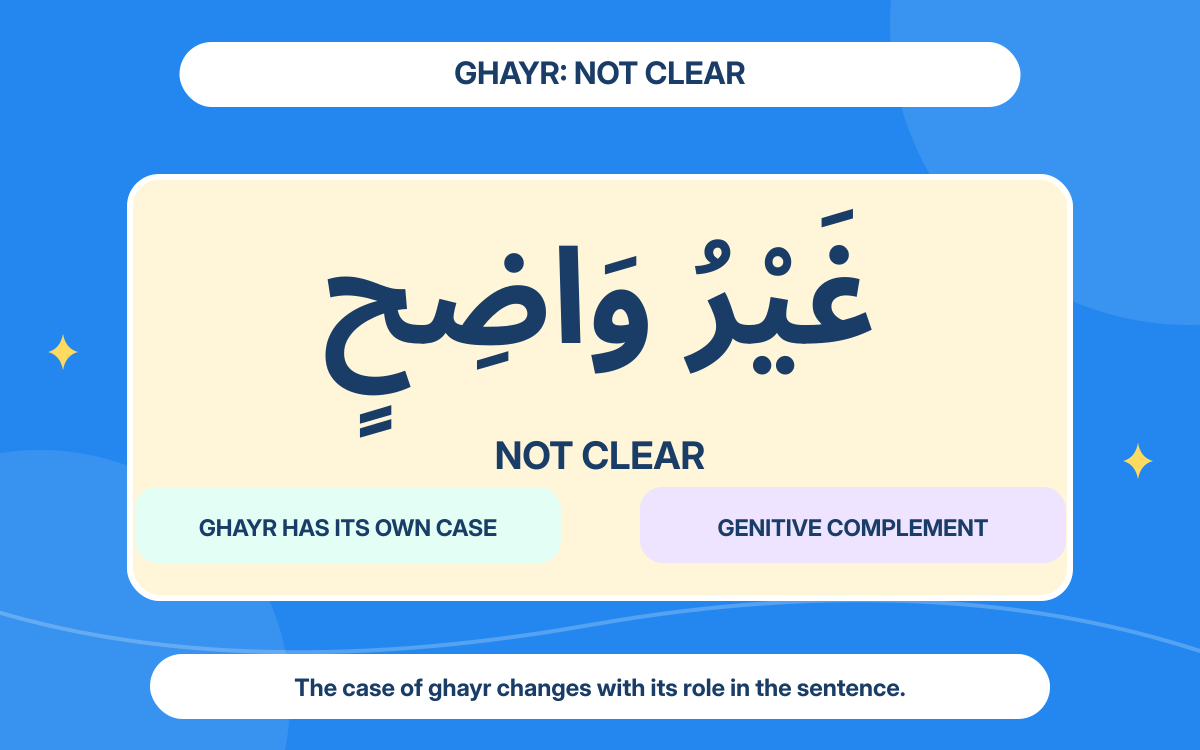
Use ghayr as a noun in descriptions, choose its case ending and keep its complement genitive, with seven focused practice questions.
Syed Masthan, M.A.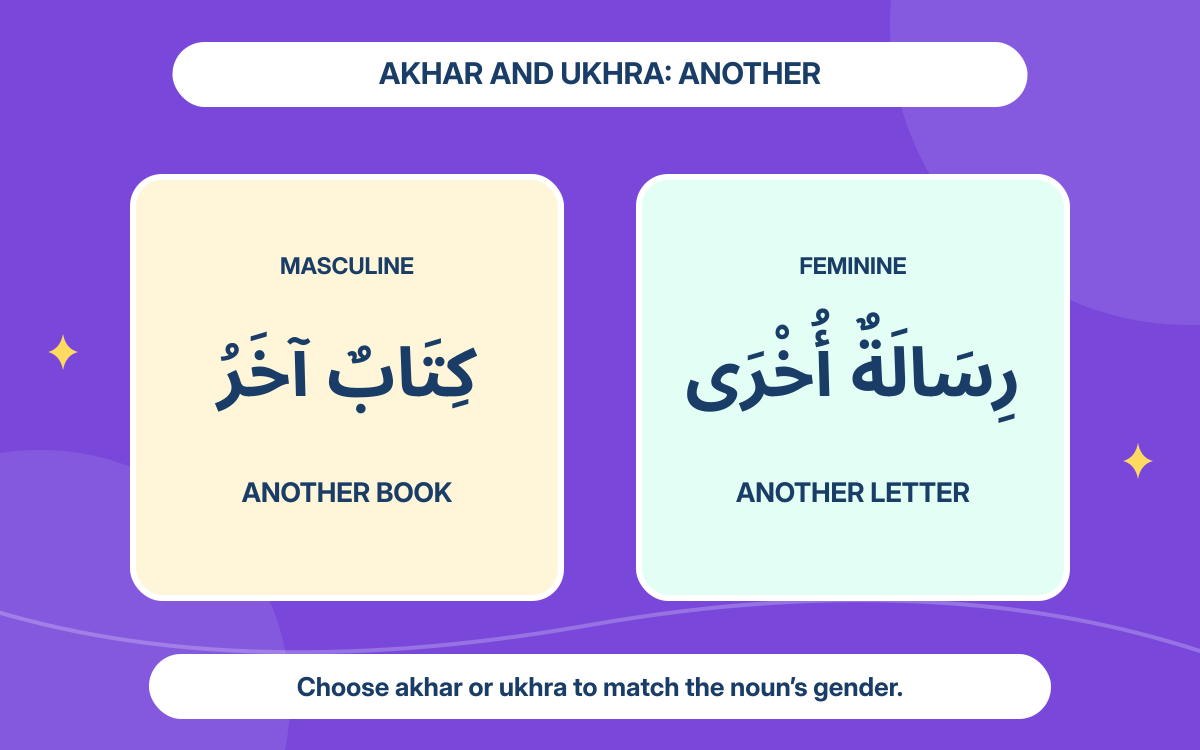
Choose akhar or ukhra for another, practise their singular case behaviour, and distinguish akhar from akhir in seven quizzes.
Syed Masthan, M.A.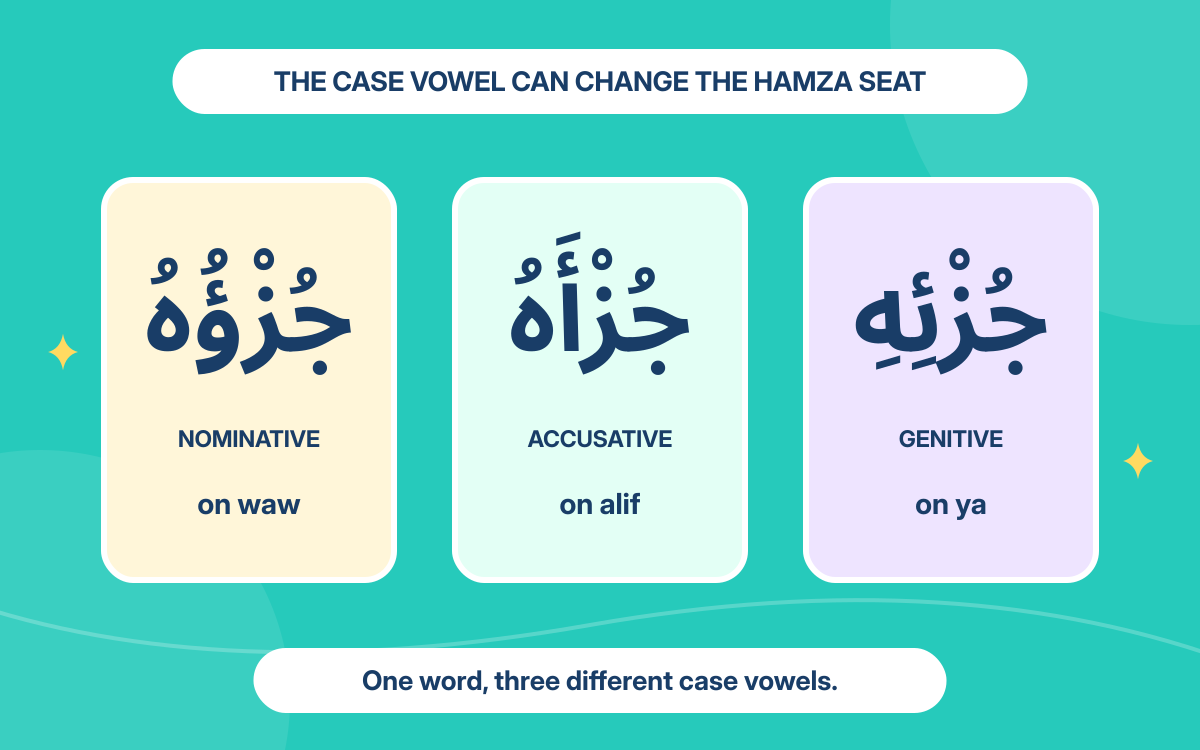
See how an attached pronoun can change a final hamza’s seat, practise three case forms of his part and his sons, and check the long-alif exception with seven quizzes.
Syed Masthan, M.A.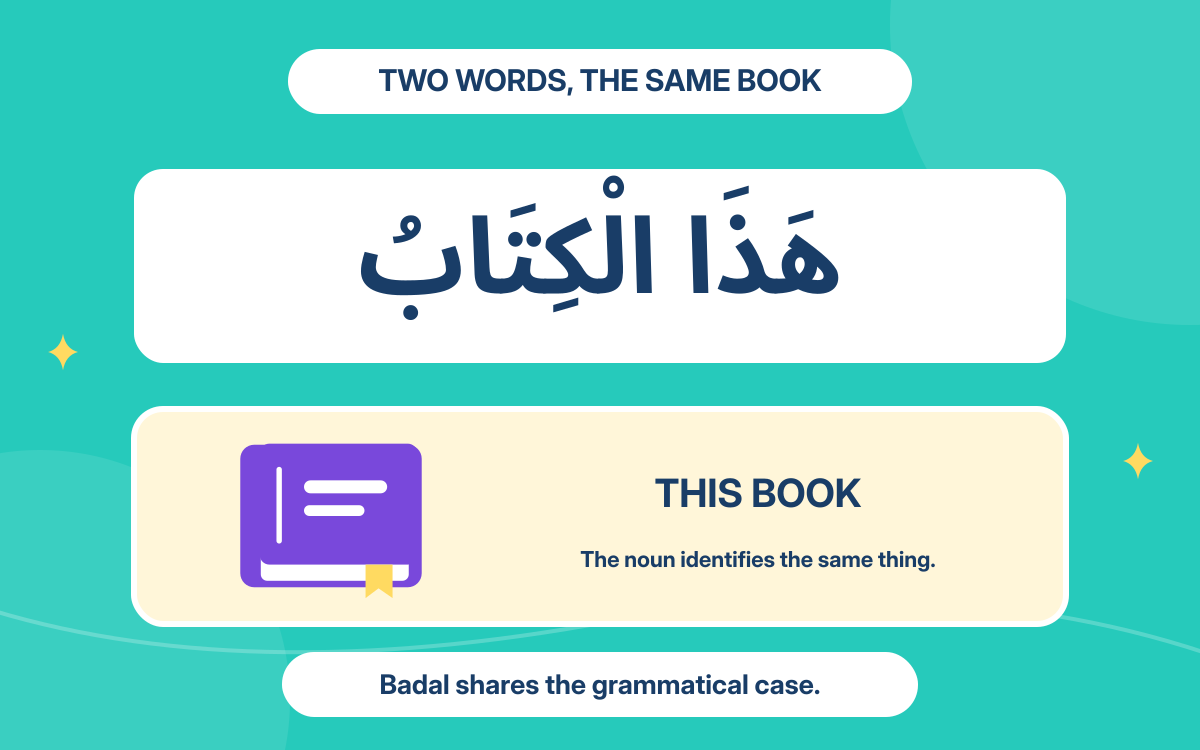
Understand same-entity badal with demonstratives and names, follow nominative, accusative and genitive case, and practise with seven quizzes.
Syed Masthan, M.A.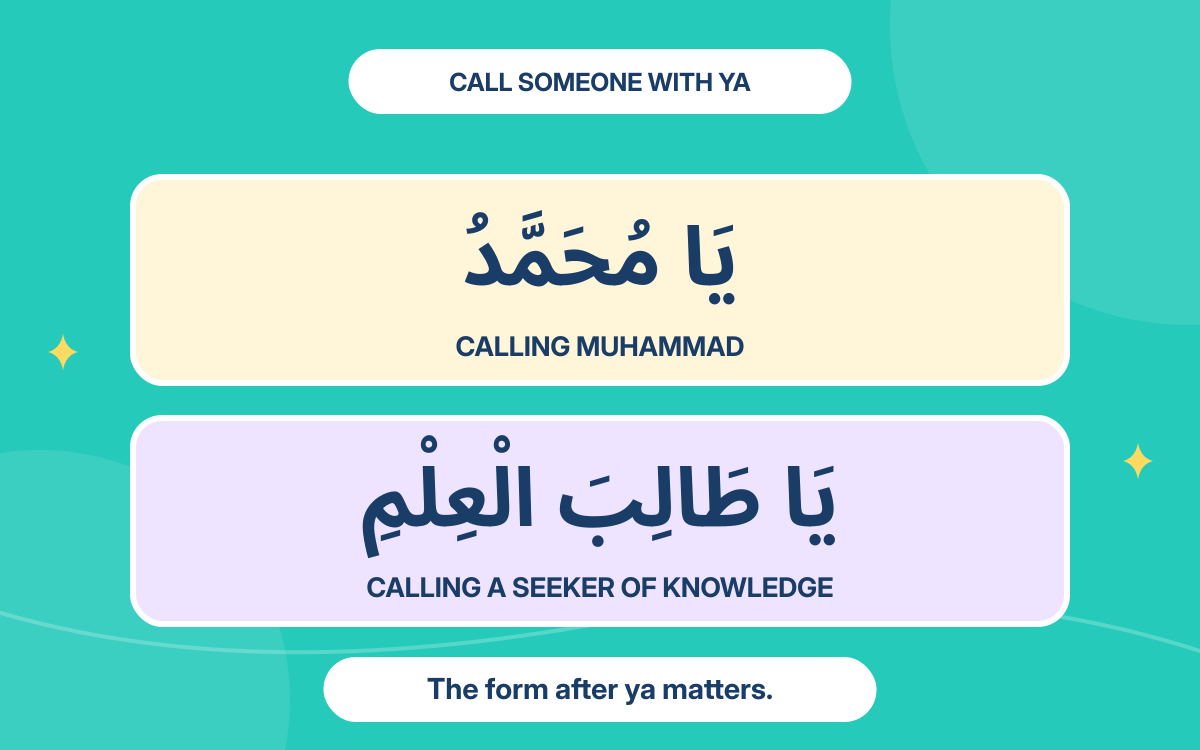
Use Arabic ya to address names and titles, distinguish specific calls from idafa vocatives, and practise their endings in seven quizzes.
Syed Masthan, M.A.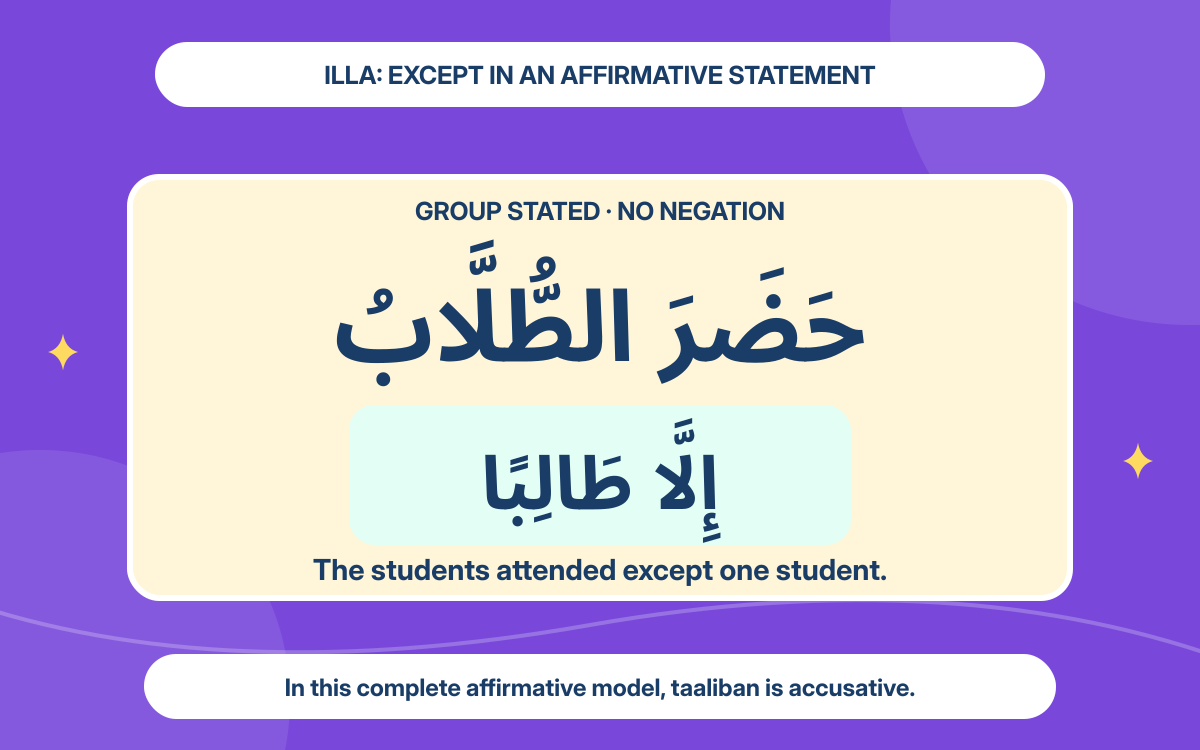
Use illa to exclude a member from a stated group in complete affirmative sentences, apply the accusative exception case, and practise seven quizzes.
Syed Masthan, M.A.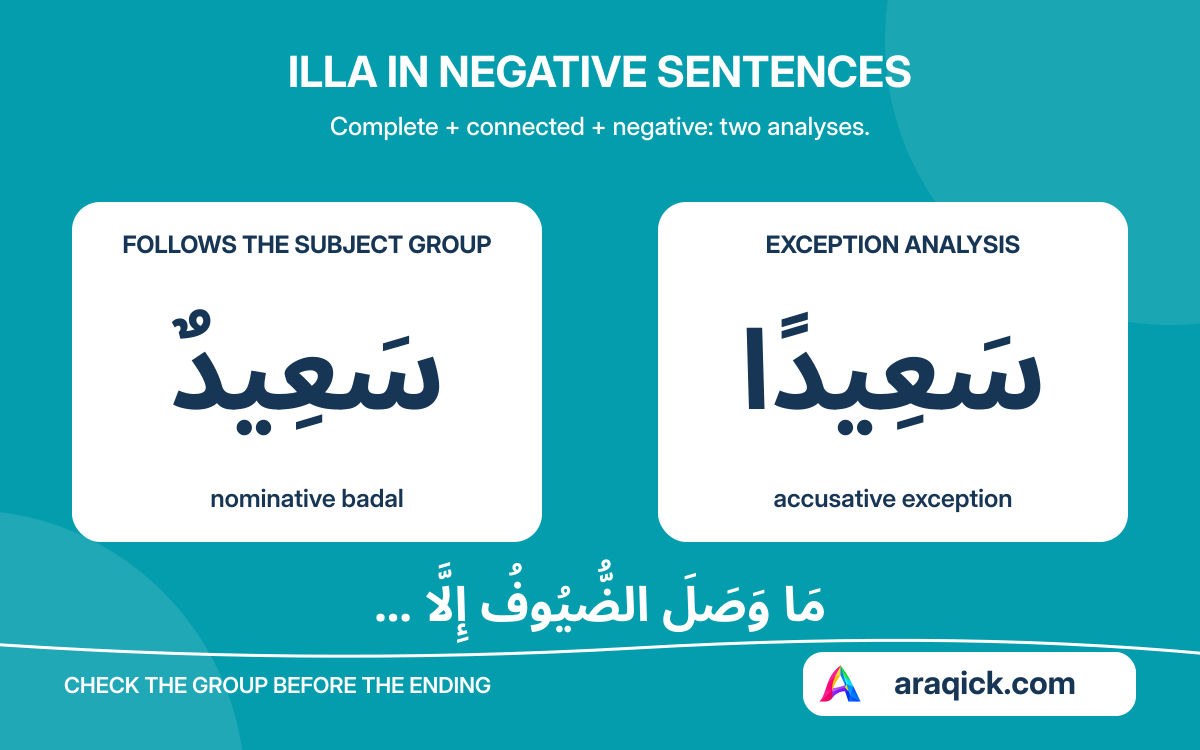
Learn noun endings after إِلَّا in negative Arabic sentences. Compare complete, connected and omitted-group exceptions, with seven quizzes.
Syed Masthan, M.A.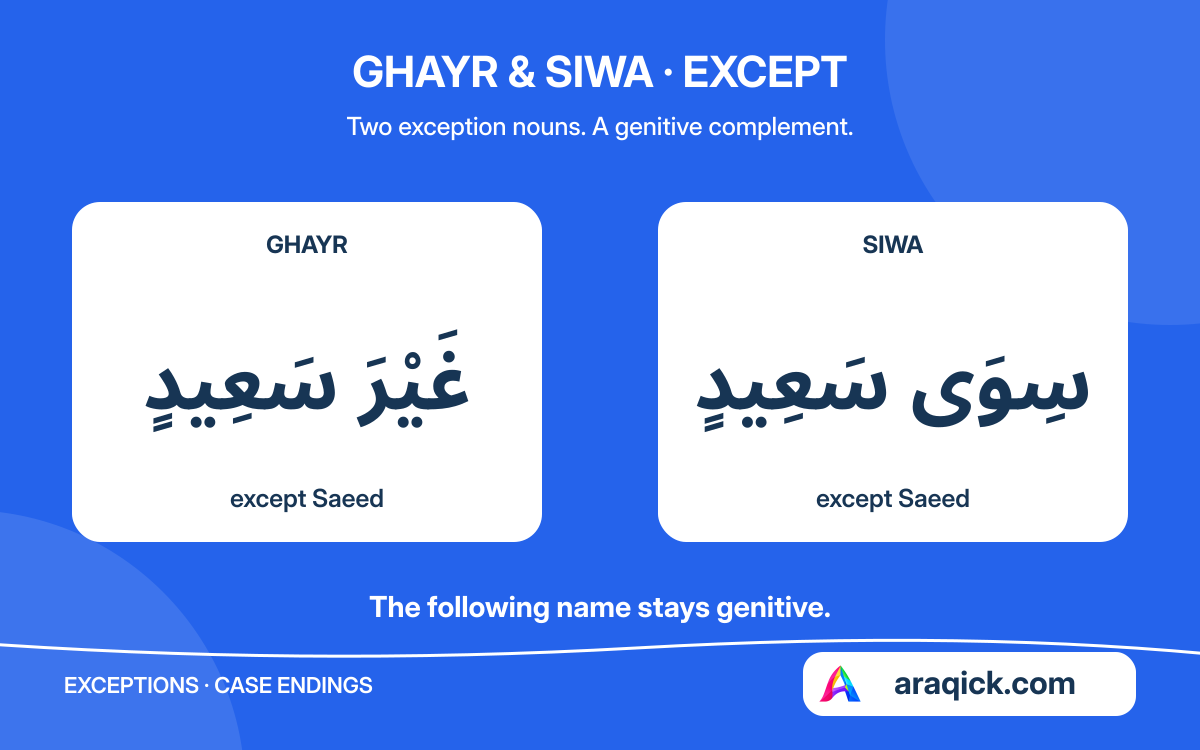
Learn exceptions with ghayr and siwa in Arabic. Keep the following noun genitive, choose ghayr’s case and practise two charts and seven quizzes.
Syed Masthan, M.A.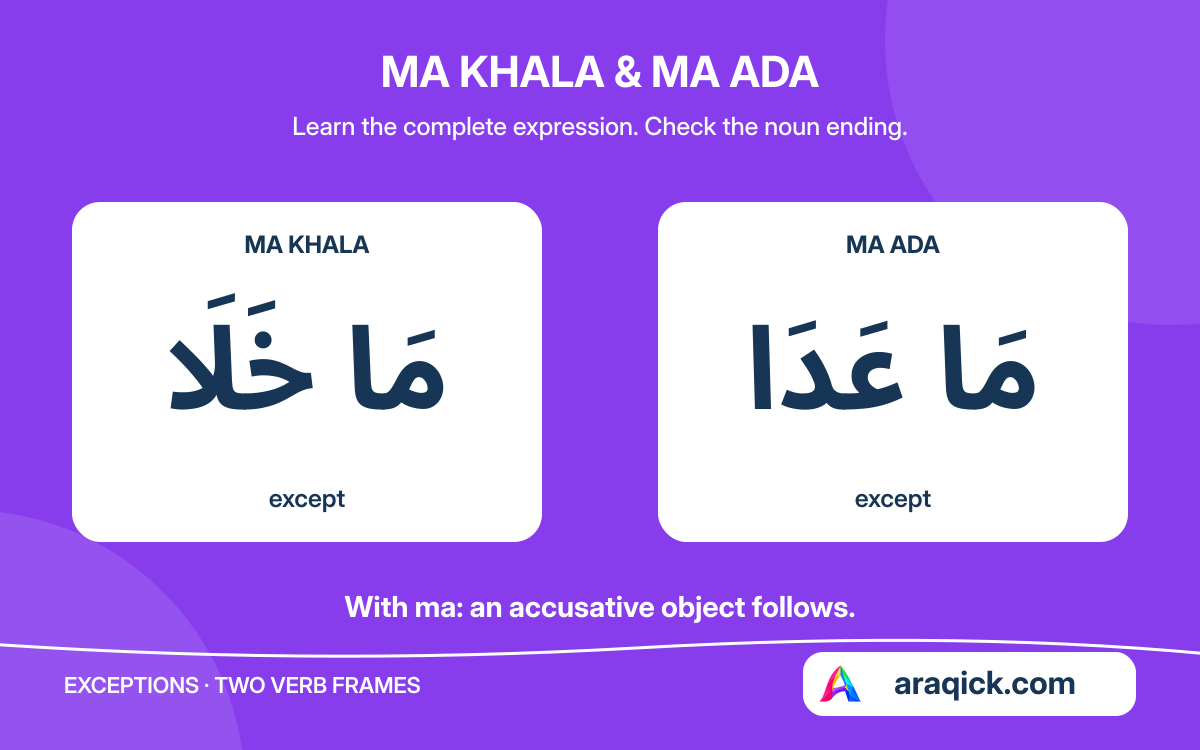
Use ma khala and ma ada for except in Arabic. Compare accusative and genitive forms, avoid extra prepositions and practise seven quizzes.
Syed Masthan, M.A.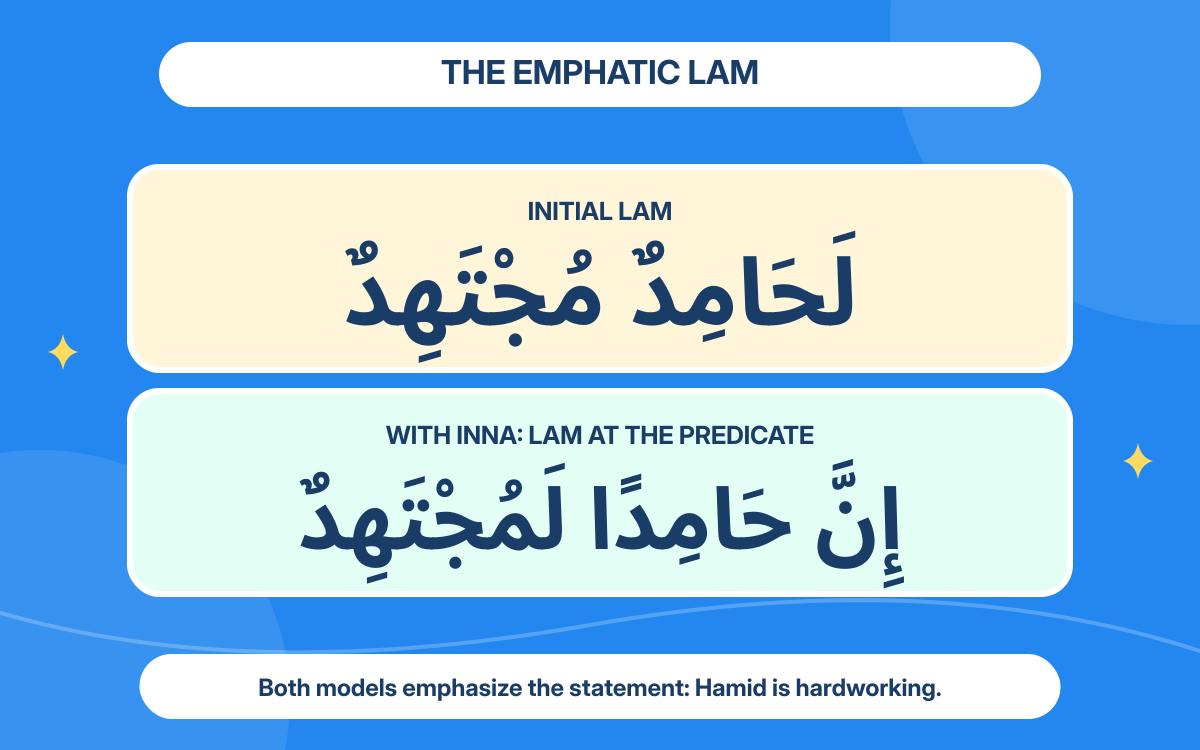
Add emphasis with initial la, recognise its placement after inna and keep noun and predicate case roles clear through seven quizzes.
Syed Masthan, M.A.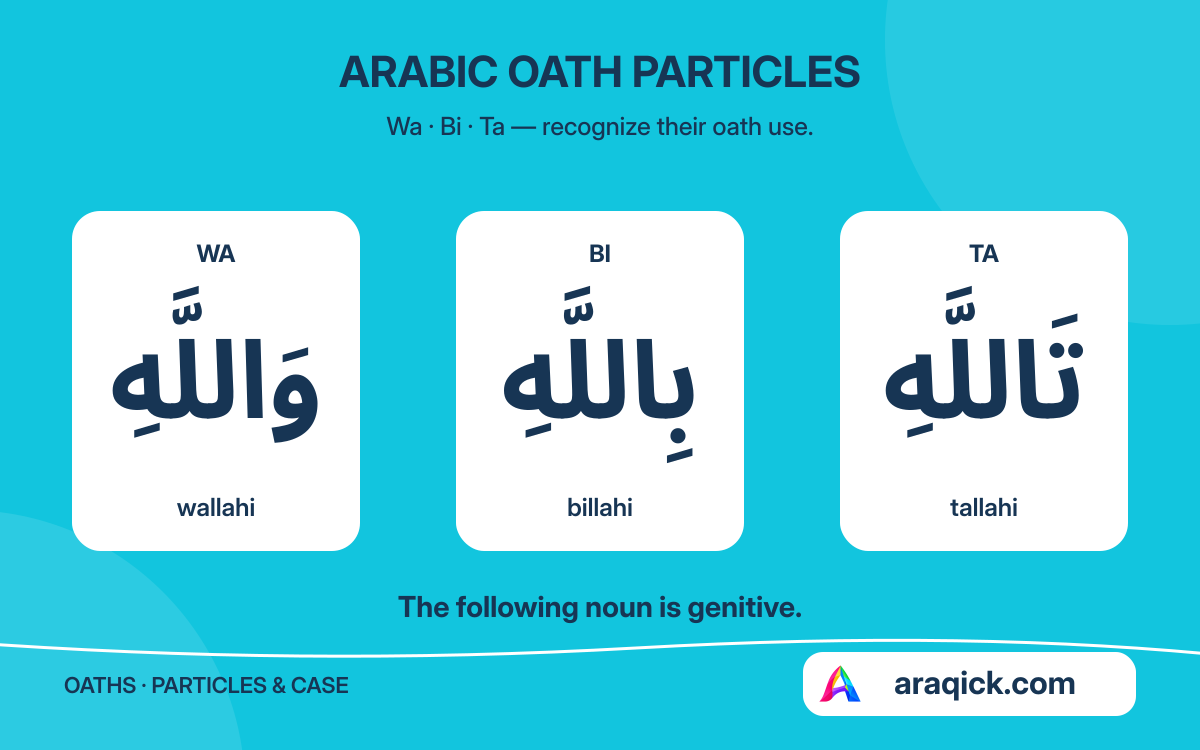
Recognize Arabic oath particles wa, bi and ta. Learn why the next noun is genitive, separate oaths from ordinary prepositions and try seven quizzes.
Syed Masthan, M.A.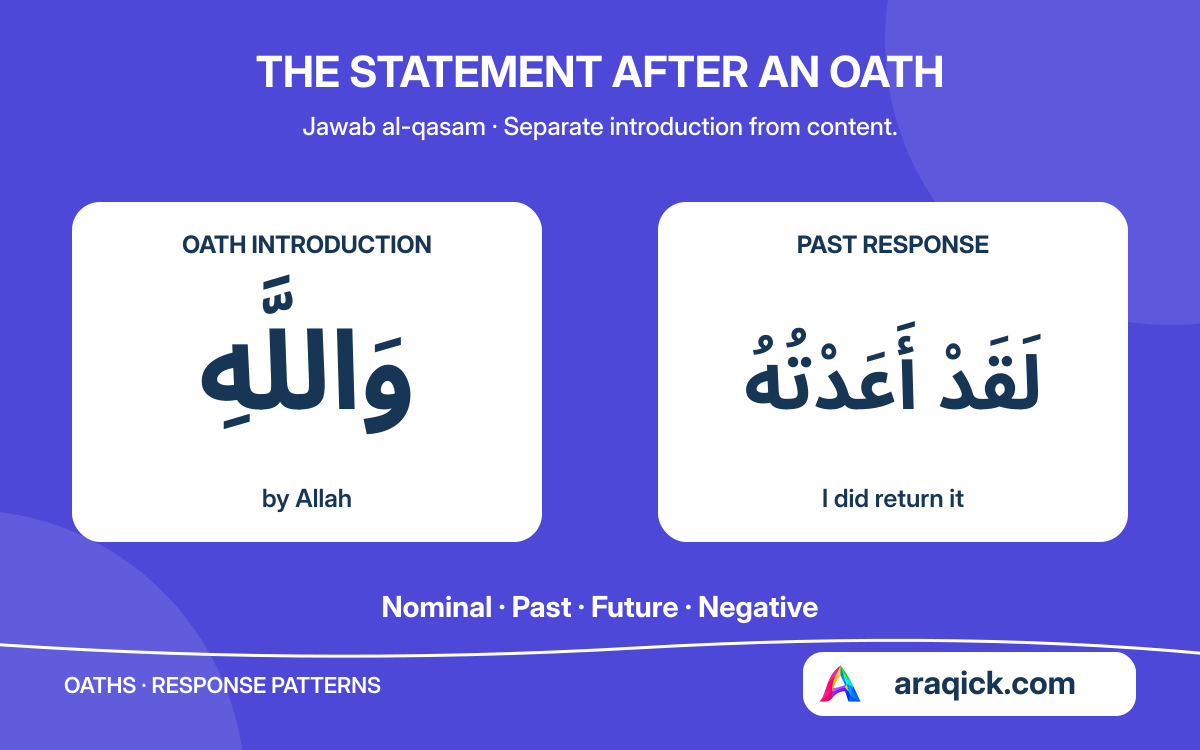
Understand jawab al-qasam, the statement after an Arabic oath. Compare nominal, past, future and negative responses with charts and seven quizzes.
Syed Masthan, M.A.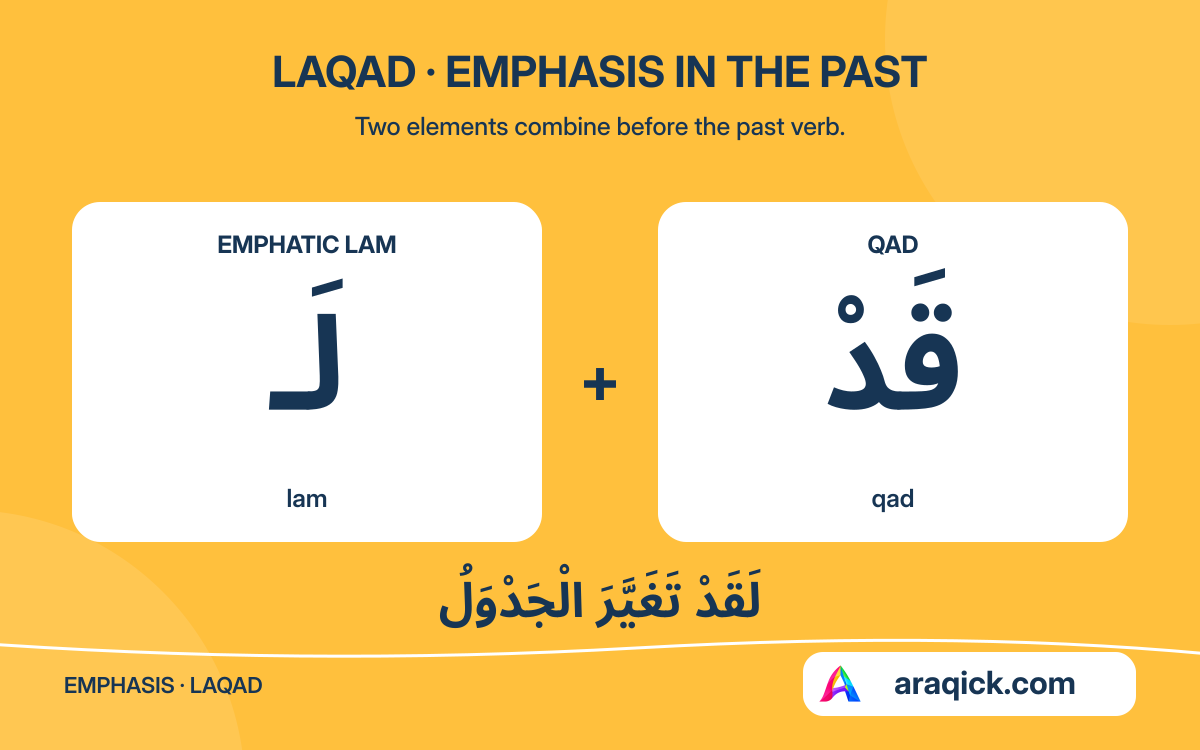
Learn what laqad means in Arabic, how lam and qad emphasize a past statement, and why it does not always mean already. Includes seven quizzes.
Syed Masthan, M.A.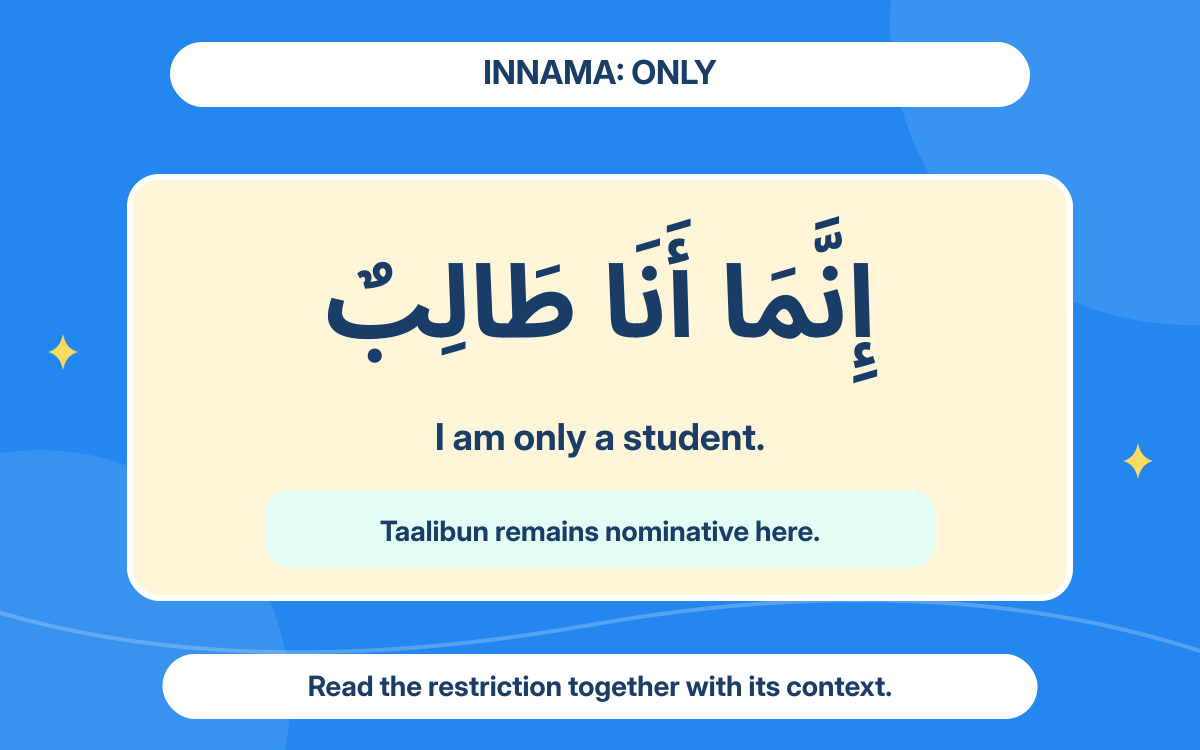
Express only with innama in nominal and verbal sentences, distinguish it from governing inna, and practise seven focused quizzes.
Syed Masthan, M.A.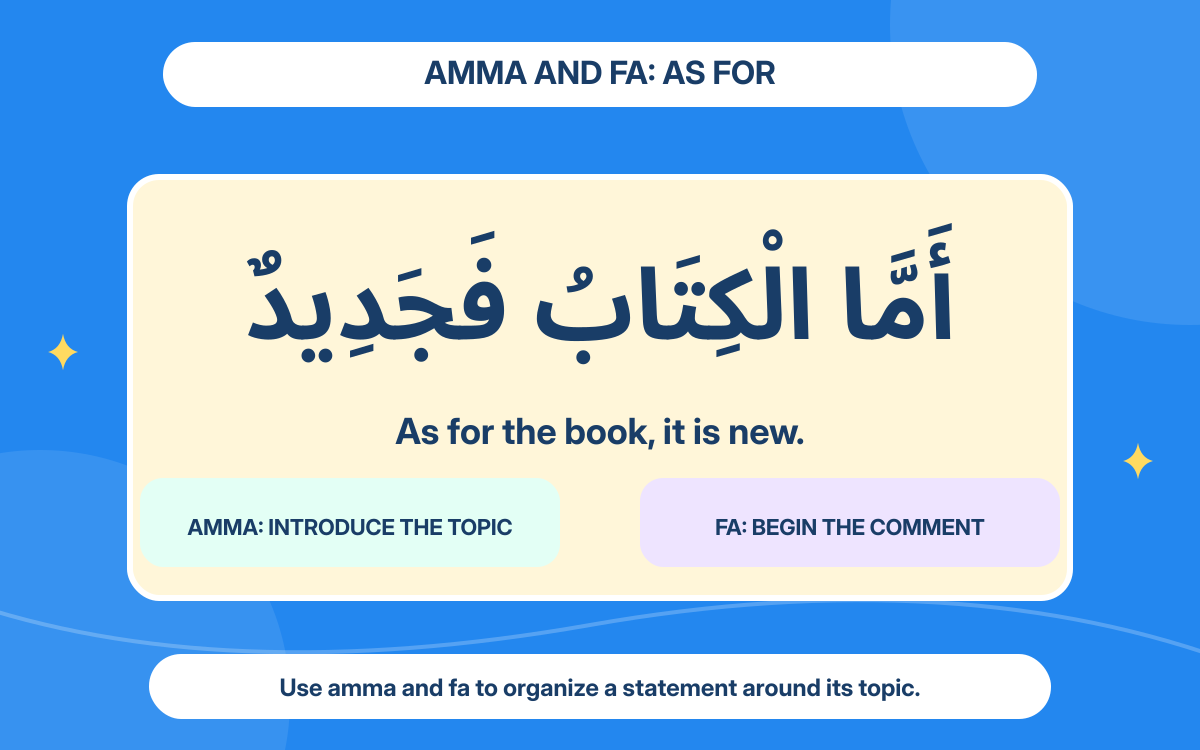
Introduce a topic with amma, link its comment with attached fa, and contrast two things through seven focused Arabic quizzes.
Syed Masthan, M.A.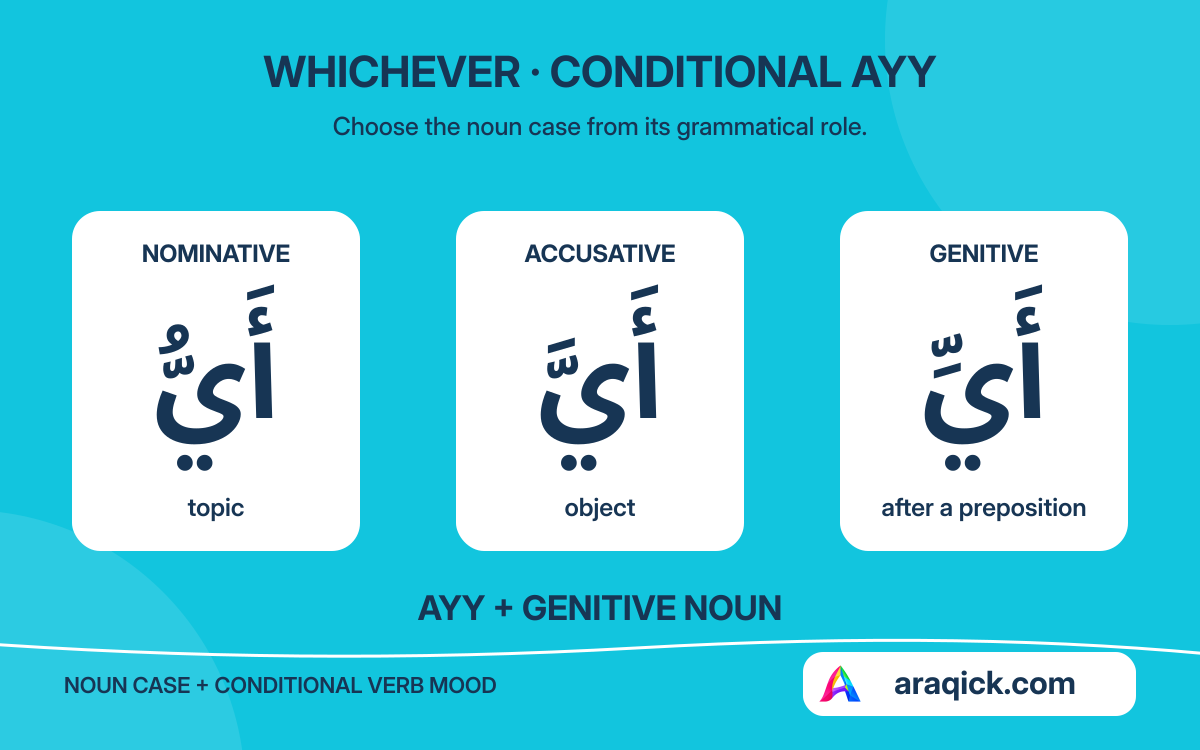
Learn conditional أَيّ for whichever in Arabic. Compare ayyu, ayya and ayyi, use idafa correctly and practise examples with seven quizzes.
Syed Masthan, M.A.
Learn when an Arabic conditional result needs فَـ. Compare nominal clauses, commands and future markers, with charts and seven quizzes.
Syed Masthan, M.A.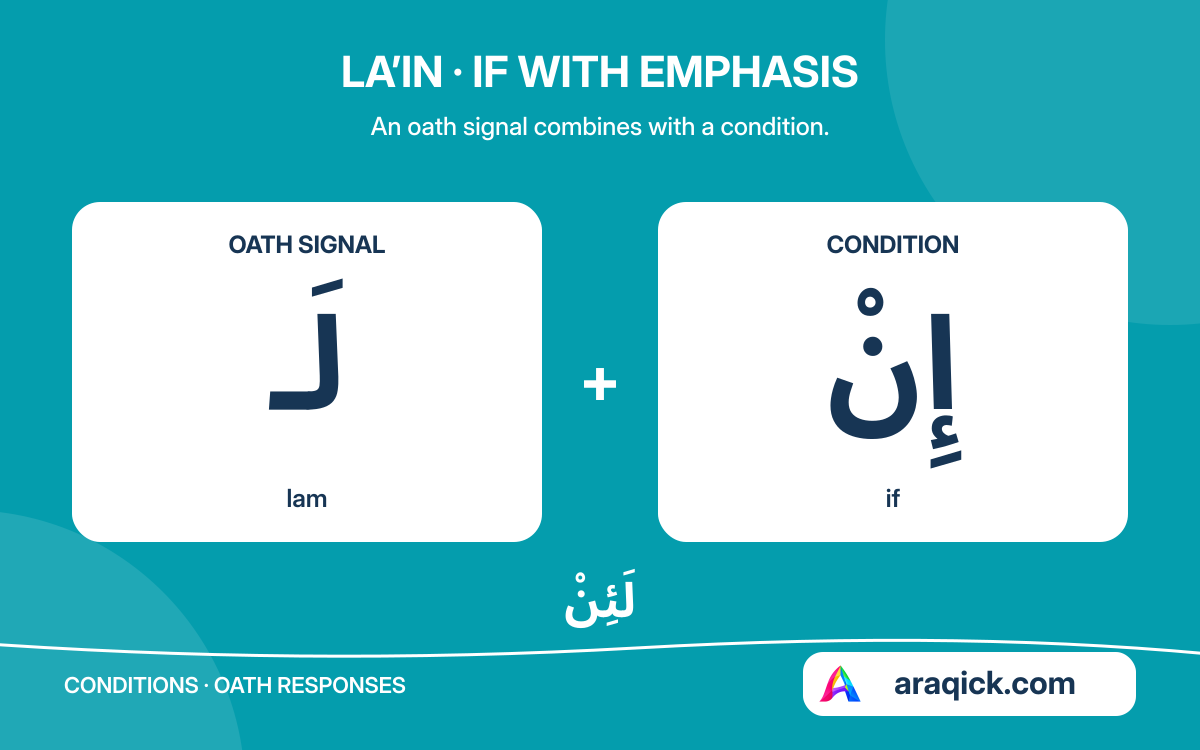
Understand la’in in Arabic: lam introduces an implied oath and in sets a condition. Compare oath answers with conditional fa in seven quizzes.
Syed Masthan, M.A.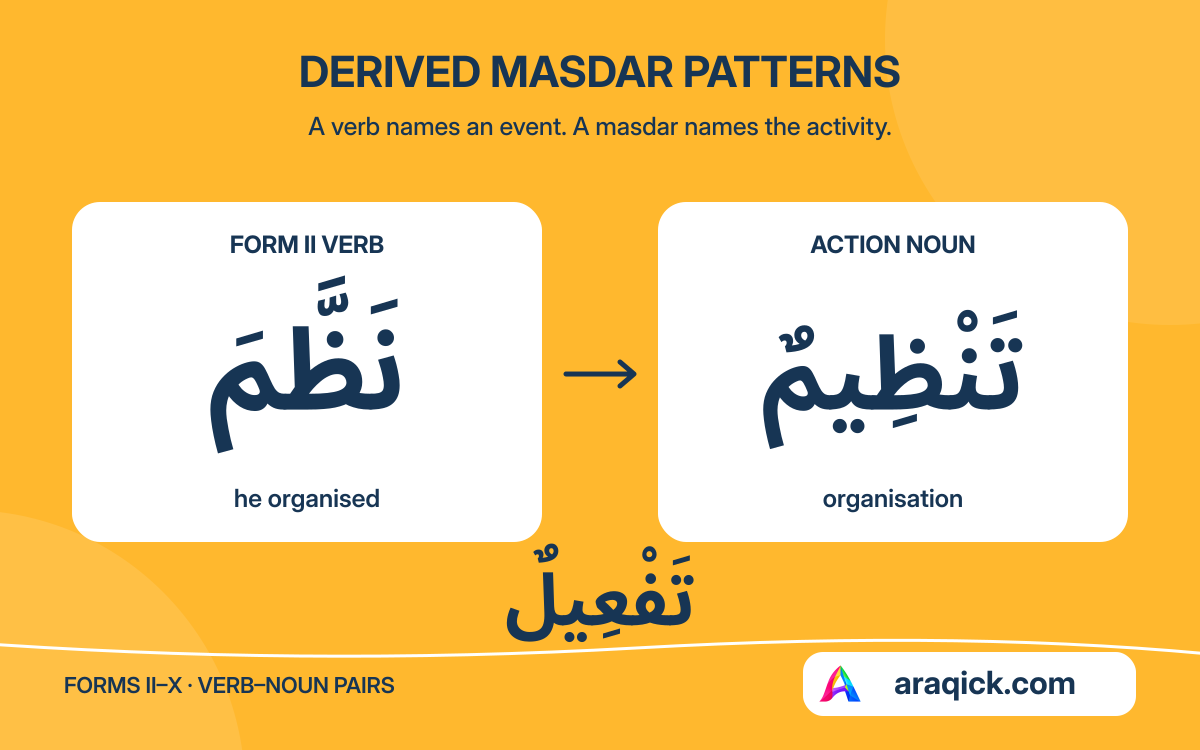
Learn masdar patterns for Arabic Forms II–X with clear verb–noun pairs. Compare tanzim, taallum and istikhdam using charts and seven quizzes.
Syed Masthan, M.A.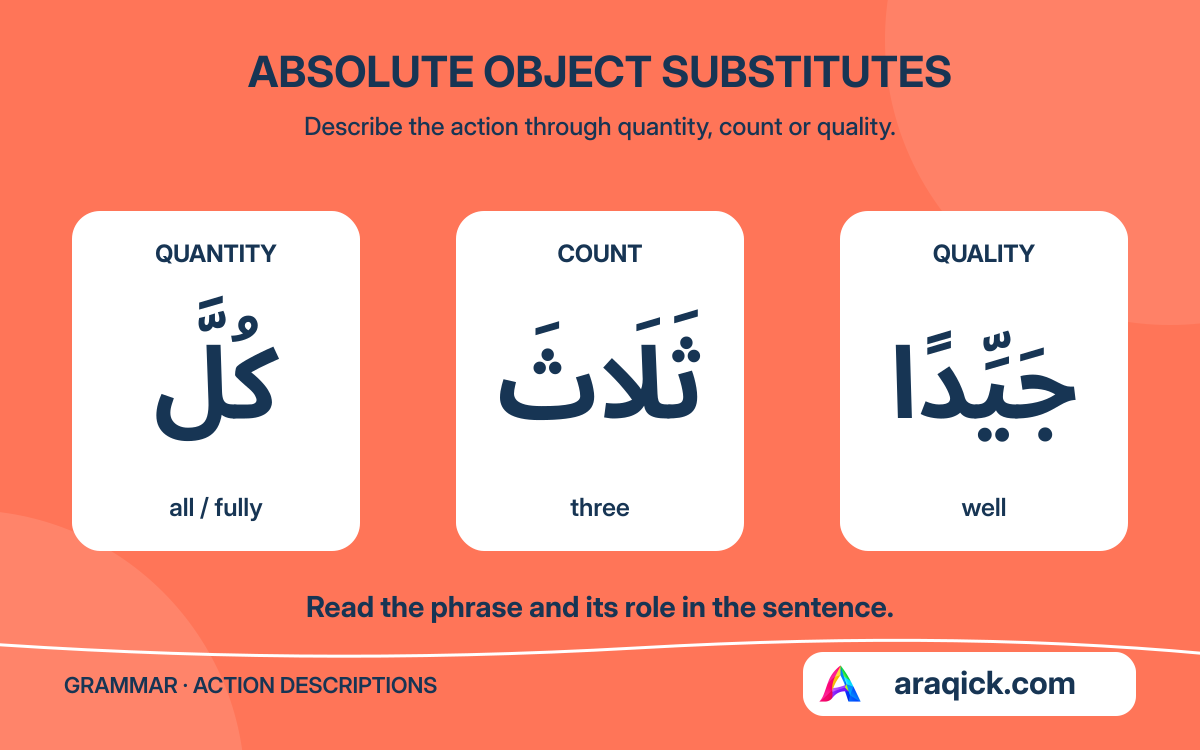
Learn what can replace an Arabic absolute object: kull, numbers, adjectives and demonstratives. Use reference charts and seven quizzes.
Syed Masthan, M.A.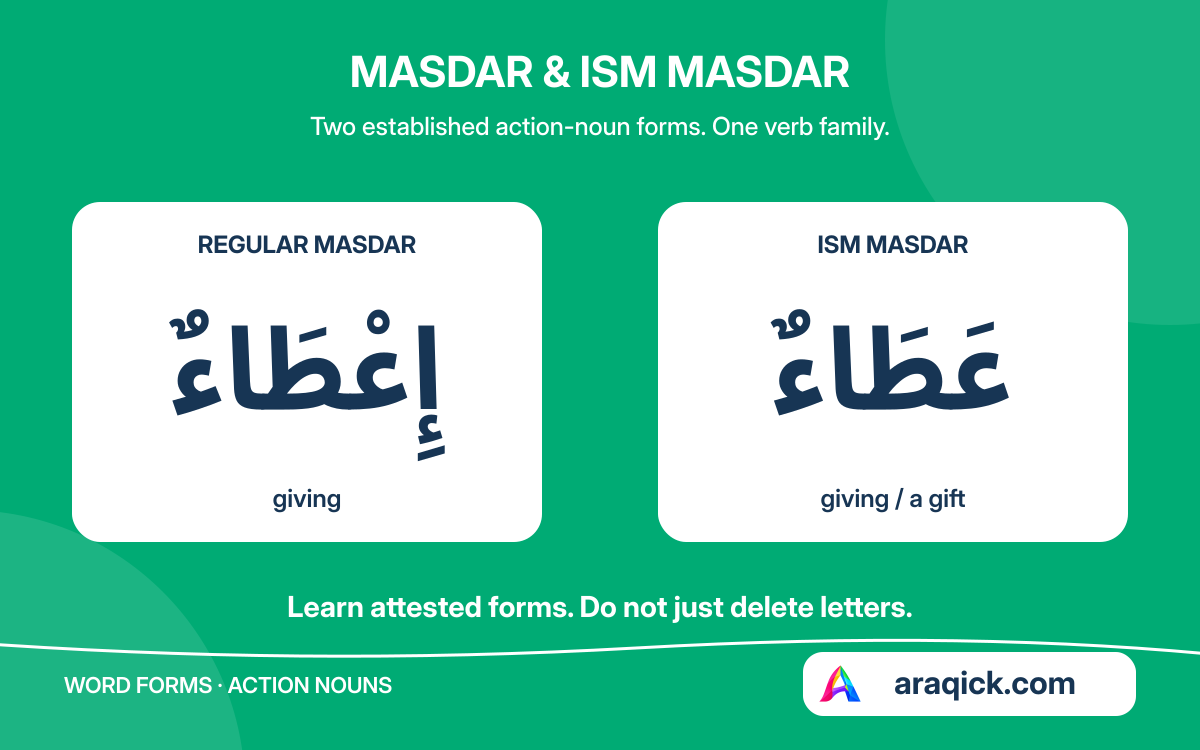
Compare masdar and ism masdar with itaa and ataa, taslim and salam. Learn the word-family distinction through two charts and seven quizzes.
Syed Masthan, M.A.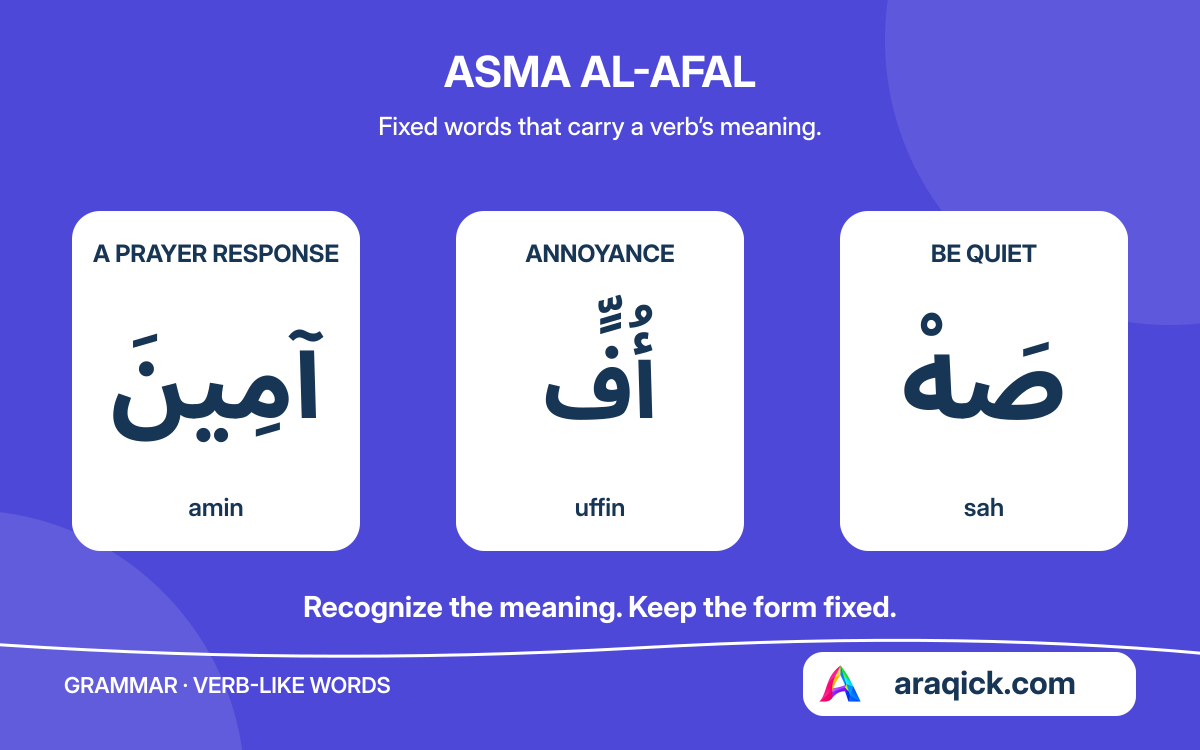
Understand Arabic asma al-afal through amin, uff, sah and hayhat. Compare their verb meanings, fixed forms and masdars with seven quizzes.
Syed Masthan, M.A.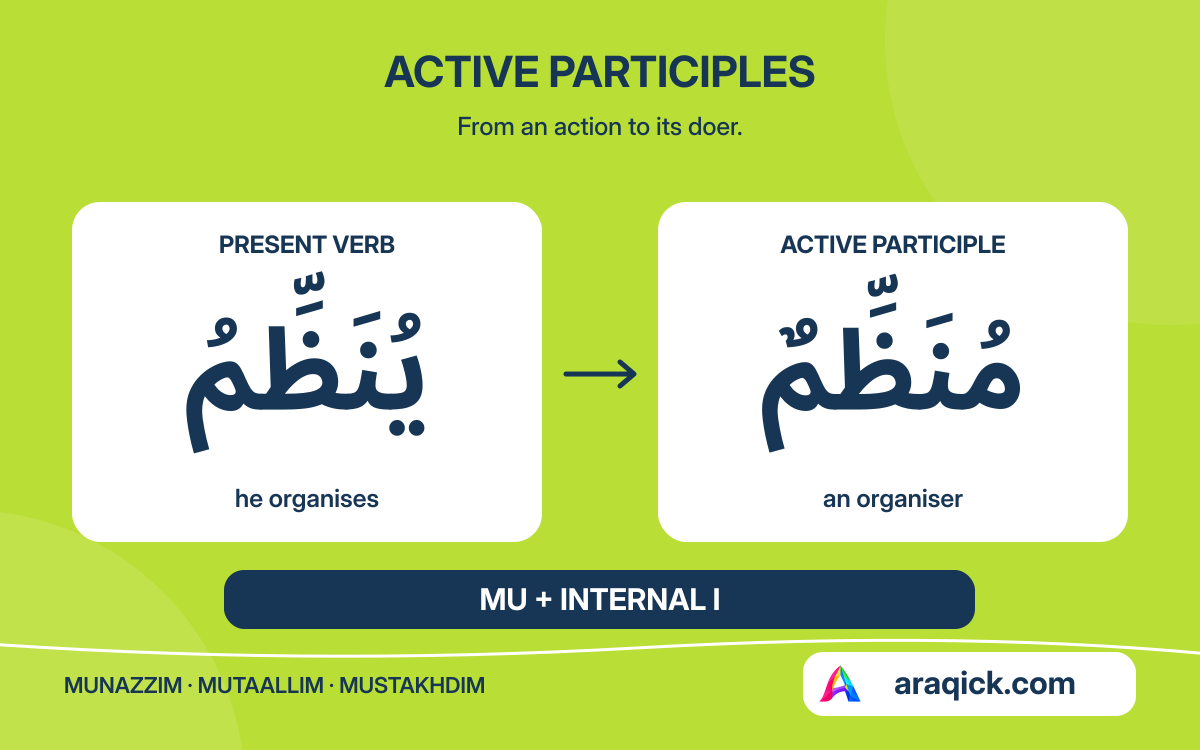
Form Arabic active participles from derived verbs. Learn munazzim, mutaallim and mustakhdim, compare noun roles and practise seven quizzes.
Syed Masthan, M.A.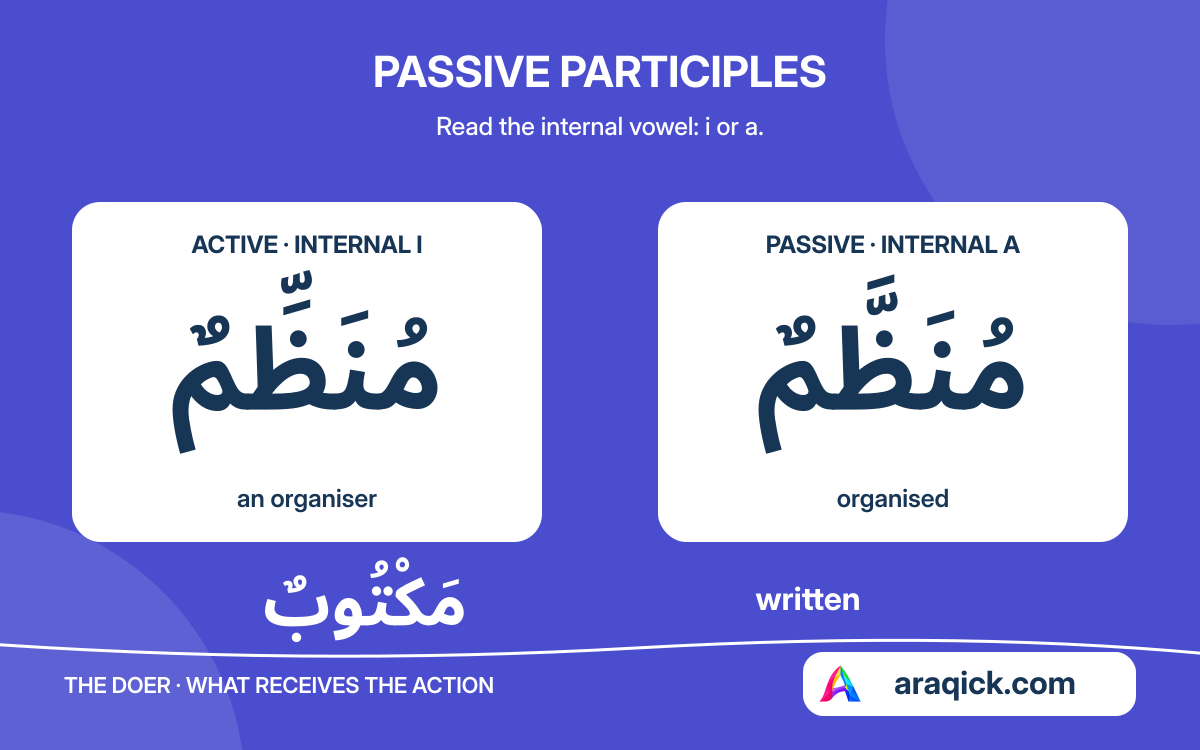
Learn Arabic passive participles such as maktub, maftuh and munazzam. Compare active forms, match noun endings and practise seven quizzes.
Syed Masthan, M.A.Try a different word or clear your search.