An adjective can be indefinite without tanween. Several useful adjective families are diptotes, including familiar colours, comparatives and words such as thirsty. Recognising the family helps you choose the ending. The adjective still agrees with its noun in grammatical case, even when their visible case signs differ.
01Recognise the colour pair
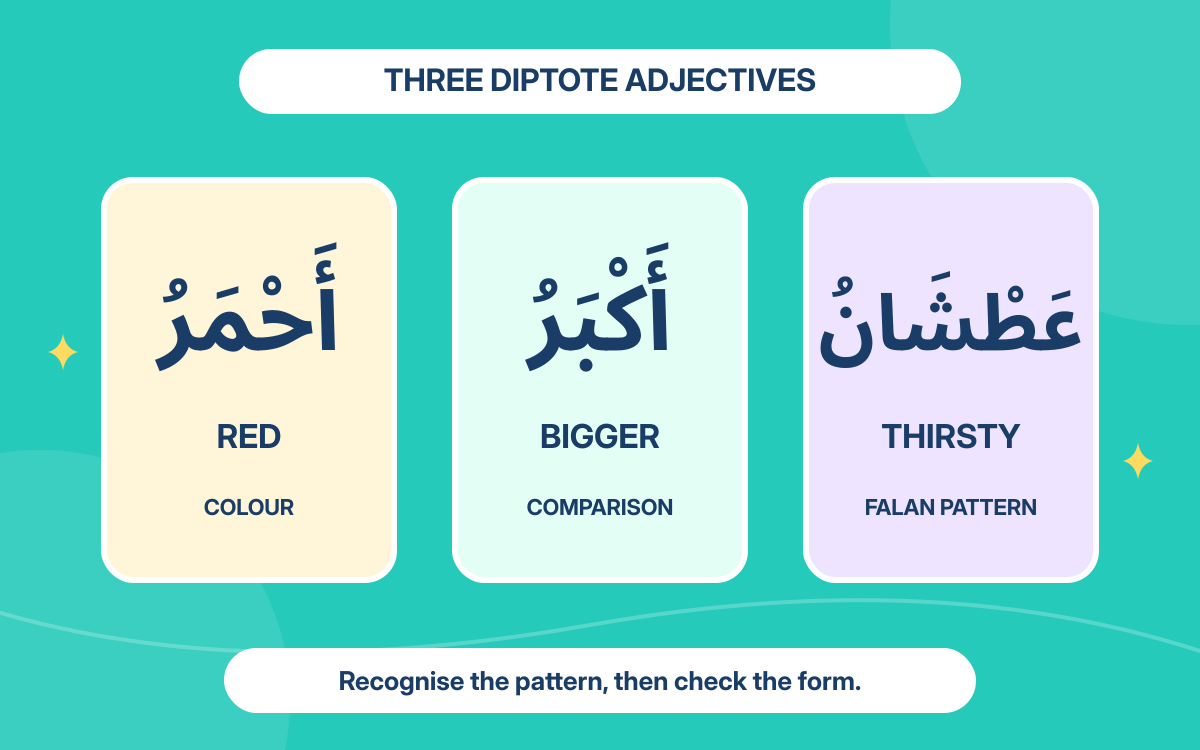
Ahmaru, “red,” has the pattern أَفْعَلُ (afal). Its feminine form hamrau has the pattern فَعْلَاءُ (falaa). This colour pair belongs to a diptote family: neither form takes tanween.
قَلَمٌ أَحْمَرُ
qalamun ahmaru
A red pen
حَقِيبَةٌ حَمْرَاءُ
haqibatun hamrau
A red bag
Both examples are nominative and indefinite. The regular nouns have tanween, while their diptote adjectives have a single dammah. The missing tanween does not make the adjective definite. Hamrau agrees with the feminine bag; ahmaru agrees with the masculine pen.
02Recognise a comparative adjective
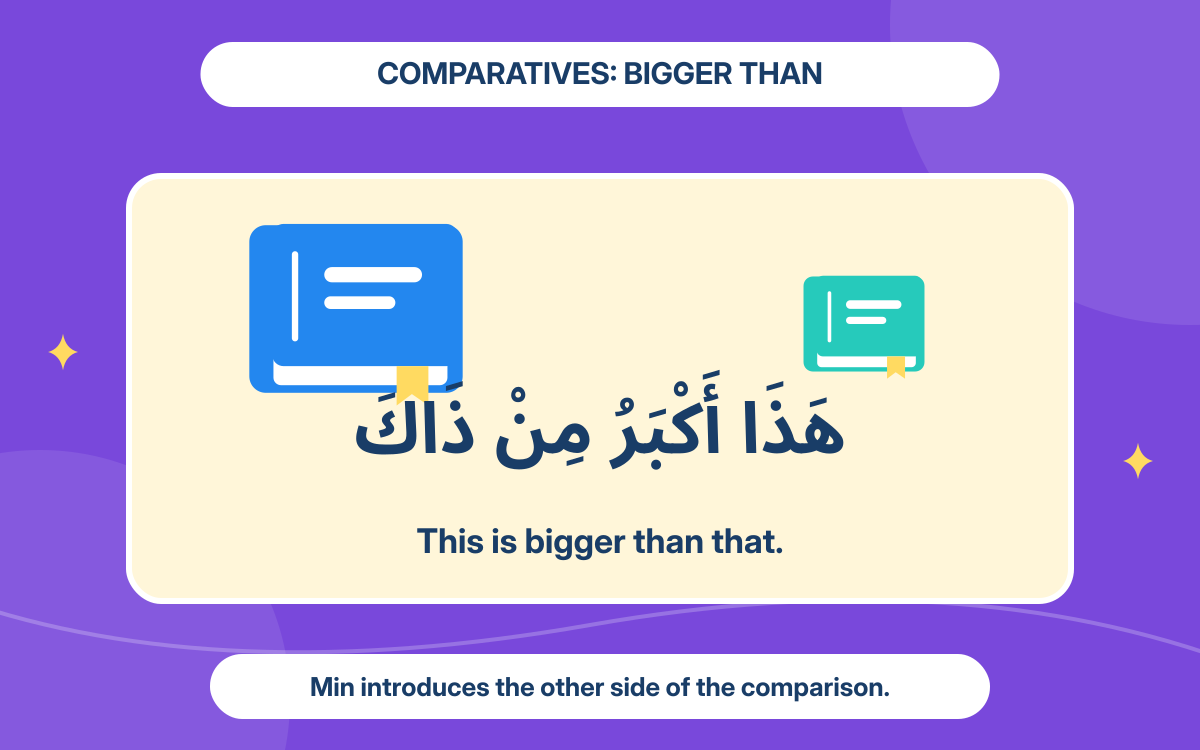
Comparatives such as akbaru, “bigger,” also use afal and are diptotes. This is a recognised adjective family, not a rule that every word with similar letters must be a diptote.
هَذَا كِتَابٌ أَكْبَرُ
hadha kitabun akbaru
This is a bigger book.
Kitabun is an indefinite nominative noun with tanween. Akbaru describes it in the same case but has one dammah. Here the adjective introduces a comparison with another book understood from context. Keep the comparative meaning separate from the visible case ending: bigger does not always end in u.
03Check falan and its feminine partner
Atshanu, “thirsty,” follows فَعْلَانُ (falan), with the feminine partner atsha on فَعْلَى (falaa). This pair belongs to another diptote adjective family.
رَجُلٌ عَطْشَانُ
rajulun atshanu
A thirsty man
امْرَأَةٌ عَطْشَى
imraatun atsha
A thirsty woman
Use the masculine adjective with rajul and the feminine adjective with imraah. Atsha has a long final alif, so its case vowel is estimated. The feminine partner matters when identifying the family; do not treat every word ending in alif and nun as a diptote.
04Match case even when the signs differ
After bi, both the noun and its adjective are genitive. An ordinary indefinite diptote adjective uses fathah as its sign, while the regular noun uses kasrah with tanween.
بِقَلَمٍ أَحْمَرَ
biqalamin ahmara
With a red pen
Ahmara is genitive here, not accusative. When the adjective itself has al, its genitive sign becomes kasrah:
بِالْقَلَمِ الْأَحْمَرِ
bilqalami lahmari
With the red pen
Both definite words have kasrah. Agreement concerns their grammatical case; it does not require an identical visible vowel in every construction.
05Restore kasrah when the adjective is mudaf
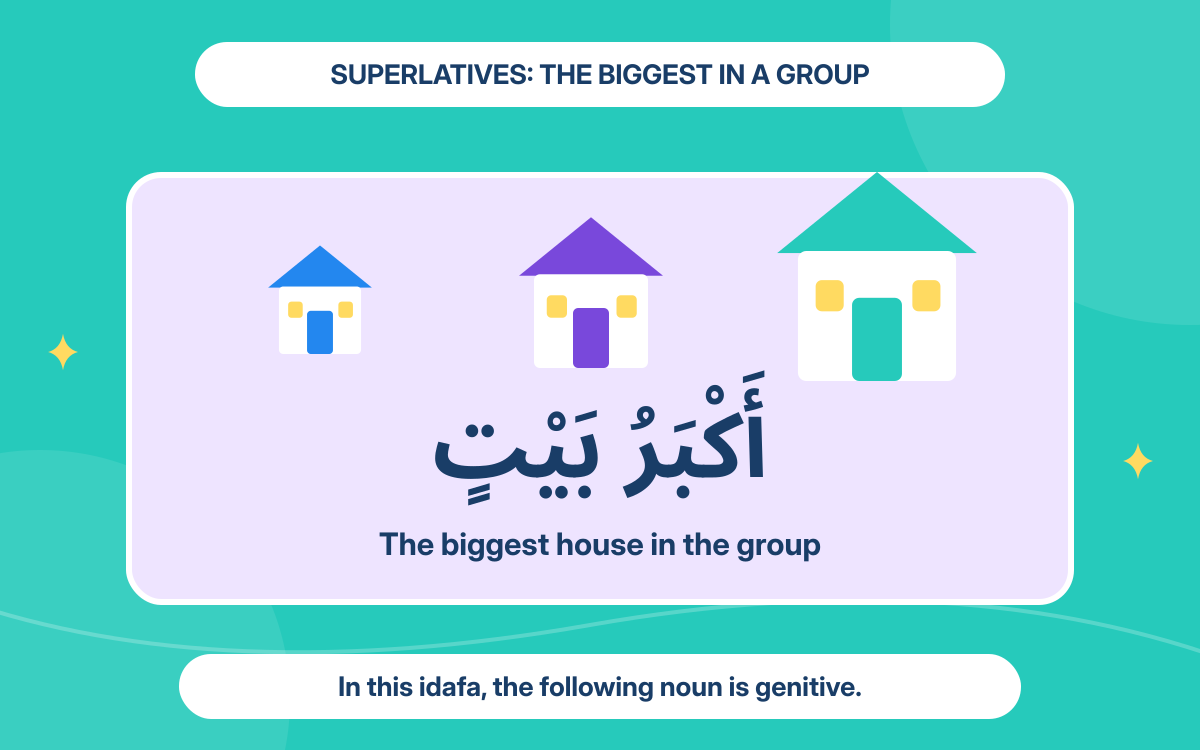
A diptote also uses genitive kasrah when it is itself mudaf, the first word of an idafa. This happens with comparative or superlative expressions:
فِي أَكْبَرِ بَيْتٍ
fi akbari baytin
In the largest house
Akbar is genitive after fi and is linked directly to baytin, so use akbari. The following house noun is genitive too. Check the diptote’s own role: merely following another noun does not restore kasrah. These examples show connected formal endings; a pause can hide a final short vowel. Plain reading aids simplify Arabic sounds and vowel length.
What to remember
- Useful diptote adjective families include colour أَفْعَل / فَعْلَاء, comparative أَفْعَل and فَعْلَان with a فَعْلَى feminine partner.
- An indefinite diptote adjective has no tanween; case agreement does not always produce the same visible vowel as its noun.
- Genitive fathah becomes kasrah when the diptote adjective itself has al or serves as mudaf.
Your reference shelf
Open a guide whenever you need it.
Three families and their endingsReview the pattern and compare ordinary genitive with al and idafa
| Family | Example | Partner or meaning |
|---|---|---|
| Colour أَفْعَلُ / فَعْلَاءُ | أَحْمَرُ | حَمْرَاءُ — red |
| Comparative afal | أَكْبَرُ | Bigger |
| فَعْلَانُ / فَعْلَى | عَطْشَانُ | عَطْشَى — thirsty |
The feminine endings matter. This guide teaches established members of these families rather than classifying every similar-looking word. Colour forms such as hamraa are also diptotes because of their feminine long alif and hamzah ending. Comparative adjectives have further agreement and comparison constructions beyond this short lesson.
| Genitive construction | Example |
|---|---|
| Ordinary indefinite adjective | بِقَلَمٍ أَحْمَرَ |
| Adjective itself has al | بِالْقَلَمِ الْأَحْمَرِ |
| Diptote itself is mudaf | فِي أَكْبَرِ بَيْتٍ |
Sources & further learning
References for the language explanations and learning guidance.