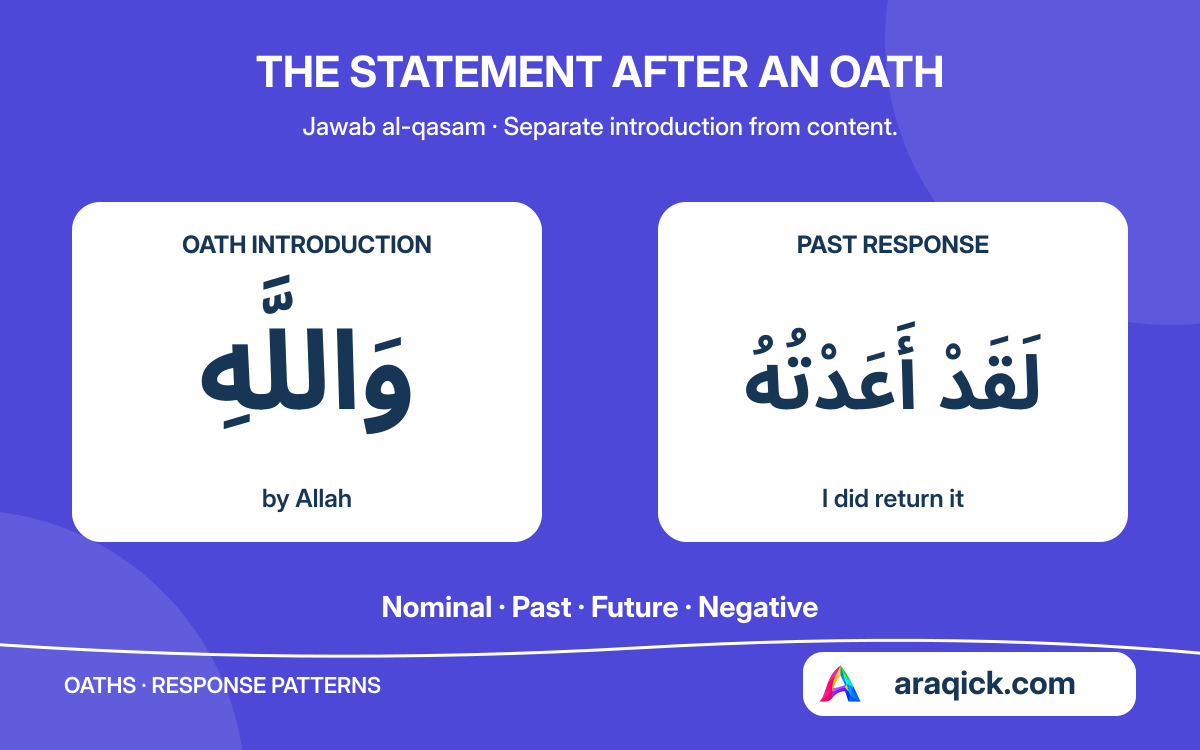
Jawab al-qasam is the statement asserted after an oath. Its shape changes with the type of statement: a nominal clause, a completed action and a future promise use different patterns. Learning these patterns together helps you recognize emphasis without adding the same marker to every sentence.
01Recognize a nominal oath response
وَاللَّهِ إِنَّ الْخَبَرَ لَصَحِيحٌ
wallahi inna alkhabara lasahihun
By Allah, the news is indeed true.
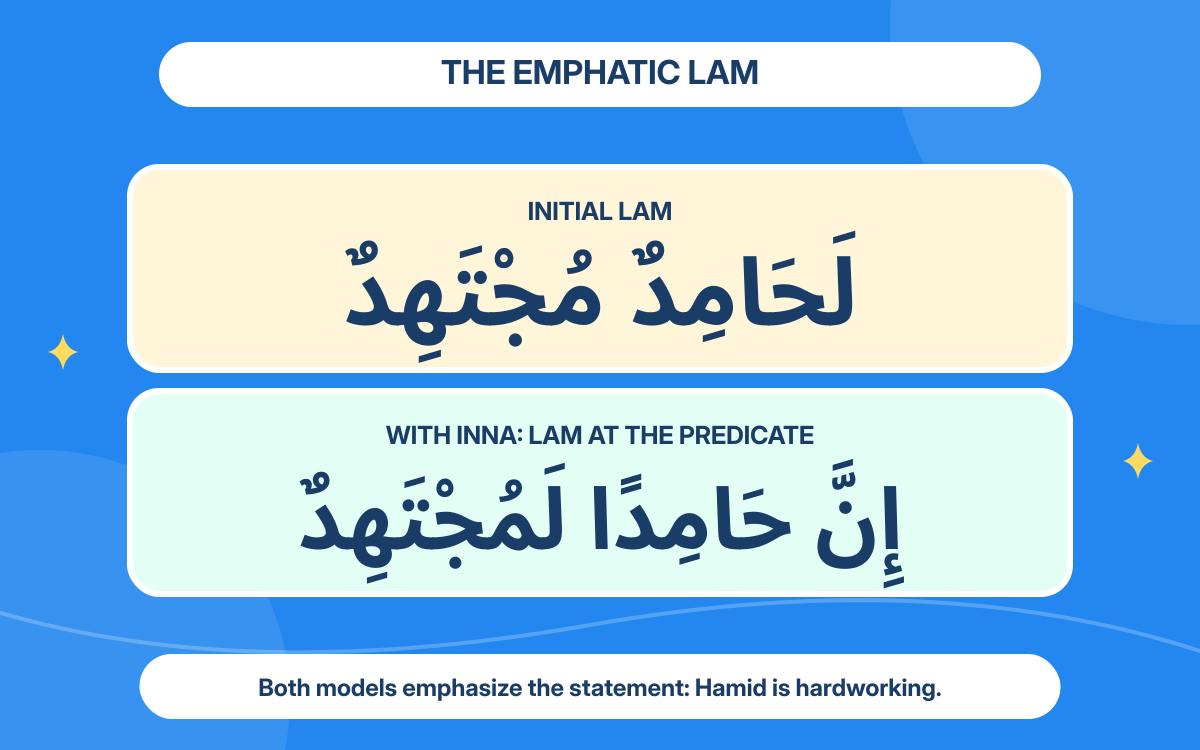
The oath is wallahi. Its response is the nominal clause inna alkhabara lasahihun. Inna makes alkhabara accusative; sahihun remains the nominative predicate. The lam attached to the predicate adds emphasis.
Inna and lam together make a common affirmative pattern. You can also encounter nominal oath responses marked by one of them. Learn the model without assuming that every nominal response must visibly contain both.
02Use laqad with an affirmative past statement
وَاللَّهِ لَقَدْ أَعَدْتُ الْكِتَابَ
wallahi laqad aadtu alkitaba
By Allah, I did return the book.
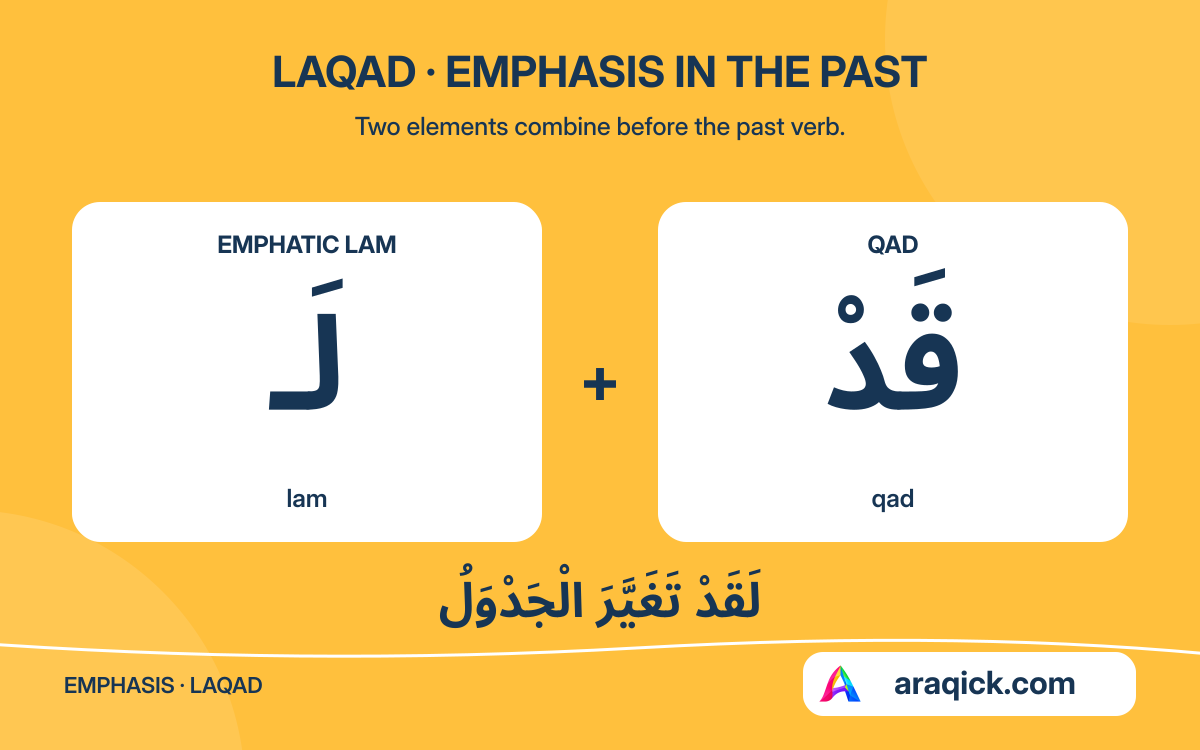
Aadtu reports a completed action by the speaker. Laqad combines an emphatic lam with qad before the past verb. The verb still carries its own person ending; laqad does not change who returned the book.
This is the regular affirmative past model taught here. Read laqad in context for the difference between emphatic past statements and the other uses of qad.
03Emphasize a directly connected future verb
وَاللَّهِ لَأُكْمِلَنَّ الْعَمَلَ غَدًا
wallahi laukmilanna alamala ghadan
By Allah, I will certainly complete the work tomorrow.
This affirmative response refers to the future. The oath-response lam is attached directly to the present-form verb, with no intervening word. In this construction the verb takes a nun of emphasis, here heavy nun with shaddah.
Check all three details: affirmative meaning, future reference and direct attachment to lam. Do not turn this into a rule that every present-form verb anywhere after an oath must receive nun. The nun of emphasis chart shows the changing endings.
04Distinguish current knowledge from a future promise
وَاللَّهِ لَأَعْرِفُ الْحَقِيقَةَ
wallahi laarifu alhaqiqata
By Allah, I do know the truth.
Here arifu describes knowledge held now. It is a present-form verb, but the statement is not a promise about a future action. This model uses lam without the future pattern’s nun of emphasis.
Arabic verb form and time reference are connected, but they are not identical. A word such as tomorrow makes future reference clear in the previous example; the meaning of know supplies current reference here.
05Keep a negative response negative
وَاللَّهِ مَا أَخْفَيْتُ شَيْئًا
wallahi ma akhfaytu shayan
By Allah, I did not hide anything.
The response begins with negative ma and a past verb. Do not add the affirmative laqad pattern as though emphasis required changing the negative into a positive claim.
Likewise, a negative present response can begin with la. Identify the type of response first, then select its pattern. Review oath introductions and emphatic lam. The reading aids simplify sounds; the Arabic spelling shows the precise endings.
What to remember
- Jawab al-qasam supplies the content of the oath.
- Affirmative nominal, past and future responses have different common markers.
- The future nun rule does not apply automatically to current or negative statements.
Your reference shelf
Open a guide whenever you need it.
Five useful oath-response patternsThe oath introduction is wallahi in each full example
| Statement type | Response | Main feature |
|---|---|---|
| Affirmative nominal | إِنَّ الْخَبَرَ لَصَحِيحٌ | Inna with emphatic lam |
| Affirmative past | لَقَدْ أَعَدْتُ الْكِتَابَ | Laqad before the past verb |
| Affirmative future | لَأُكْمِلَنَّ الْعَمَلَ غَدًا | Direct lam plus nun of emphasis |
| Current knowledge | لَأَعْرِفُ الْحَقِيقَةَ | Lam without the future nun pattern |
| Negative past | مَا أَخْفَيْتُ شَيْئًا | Negative ma; no affirmative laqad |
These are core recognition models, not an exhaustive list of every literary omission or variant.
Parse the nominal modelEach marker has a separate job
| Element | Arabic | Role |
|---|---|---|
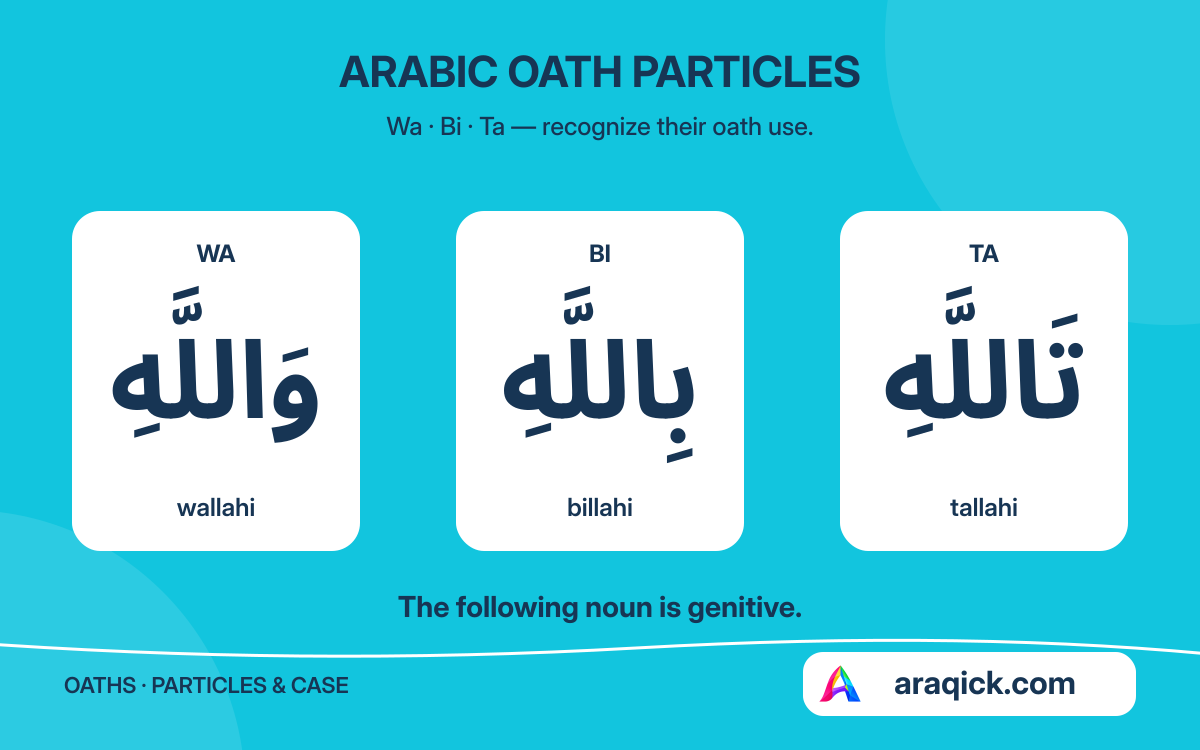
| Oath introduction | وَاللَّهِ | Wa governs the genitive name |
| Emphasis particle | إِنَّ | Introduces the nominal response |
| Noun of inna | الْخَبَرَ | Accusative |
| Emphatic lam | لَـ | Attached to the predicate |
| Predicate of inna | صَحِيحٌ | Nominative |
Sources & further learning
References for the language explanations and learning guidance.