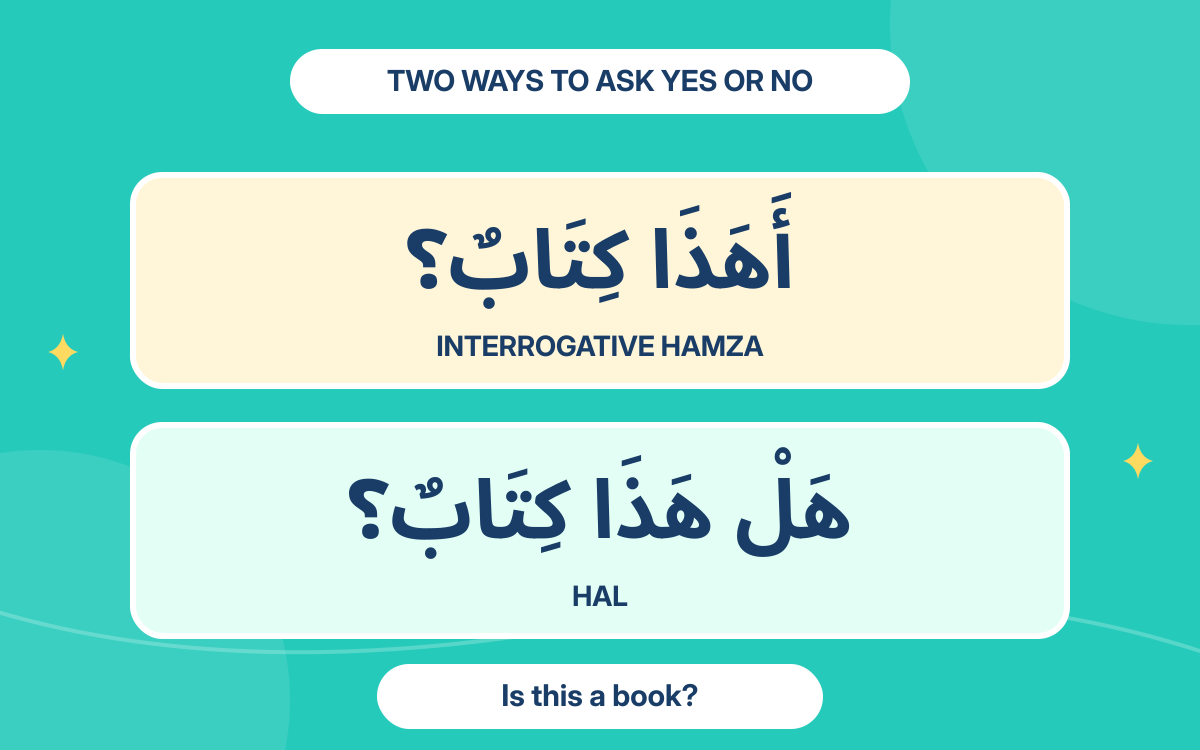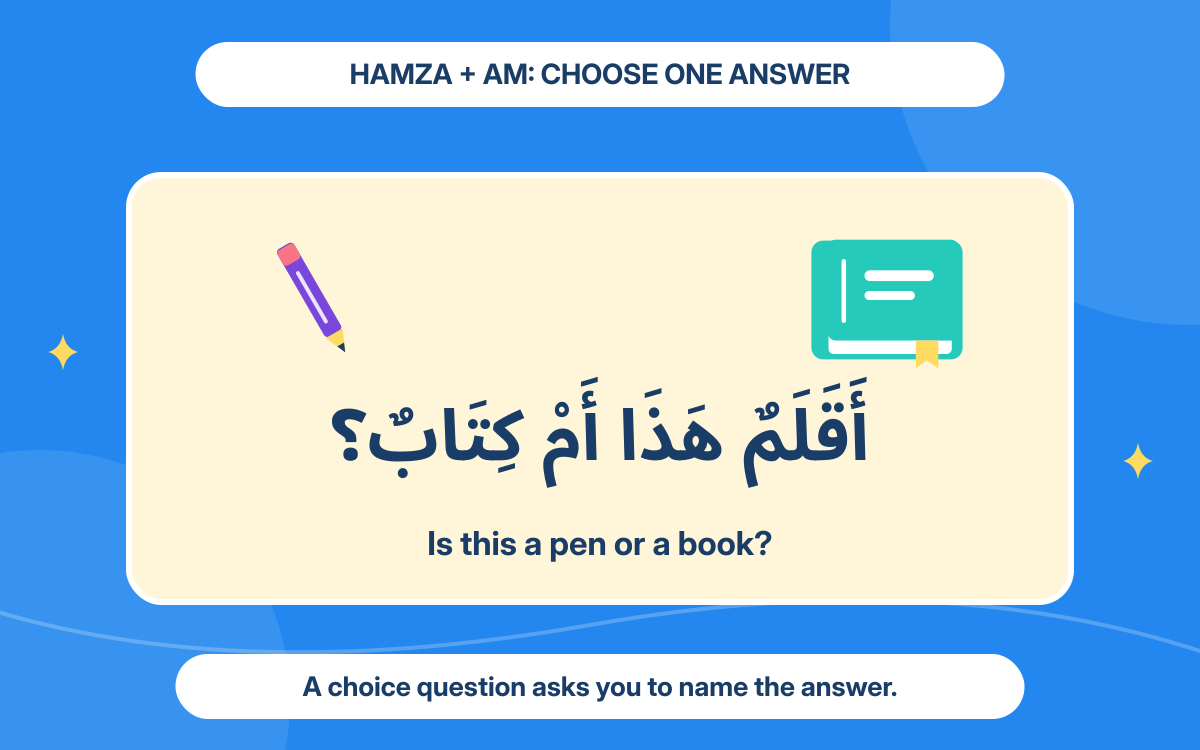
Sometimes you know that one of two alternatives is true and want to know which one. In formal Arabic, use the question hamza a before the first alternative and am before the second. Answer by identifying the chosen alternative.
01Ask which object it is
Place the attached question hamza أَ before the first alternative. Put the separate word أَمْ before the second. Here the question is whether the object is a book or a pen.
أَكِتَابٌ هَذَا أَمْ قَلَمٌ؟
akitabun hadha am qalamun
Is this a book or a pen?
Kitabun and qalamun are the alternatives; hadha identifies the shared object. If it is a pen, answer هَذَا قَلَمٌ, hadha qalamun: this is a pen. A bare yes does not tell us which alternative is true.
02Put the alternatives in matching roles
When choosing between two descriptions of the same person, place the first description directly after a. Both descriptions have the same grammatical role.
أَطَالِبٌ أَنْتَ أَمْ مُدَرِّسٌ؟
atalibun anta am mudarrisun
Are you a student or a teacher? — to one man
أَنَا طَالِبٌ
ana talibun
I am a student.
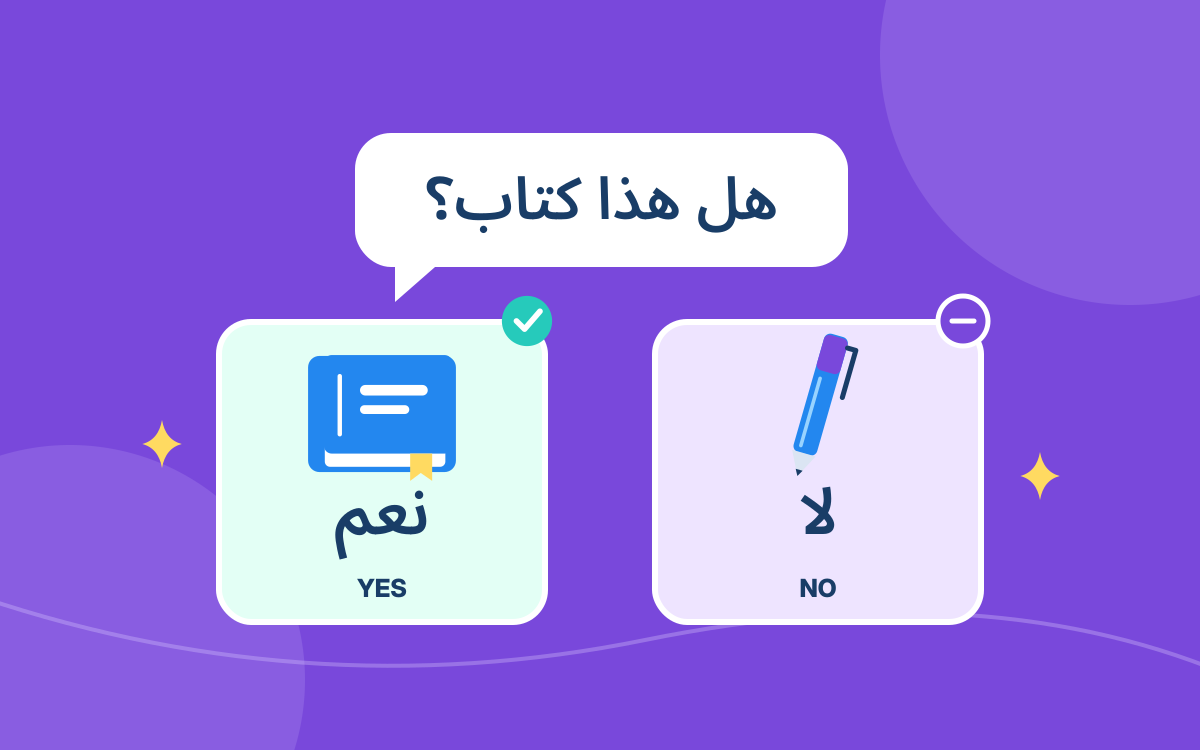
The two descriptions are talibun and mudarrisun. Both have nominative un endings here. Contrast هَلْ أَنْتَ طَالِبٌ؟, hal anta talibun: are you a student? That affirmative hal question asks for yes or no, rather than asking which of two descriptions is true.
03Compare two locations
The alternatives can also be two prepositional phrases. Repeat the preposition when it helps make both choices clear.
أَفِي الْبَيْتِ أَنْتَ أَمْ فِي الْمَكْتَبِ؟
afi lbayti anta am fi lmaktabi
Are you at home or in the office? — to one man
أَنَا فِي الْمَكْتَبِ
ana fi lmaktabi
I am in the office.
The hamza attaches to fi in afi. Both location nouns retain their genitive i endings after fi. Answer with the location that is true.
04Use aw for an ordinary offered choice
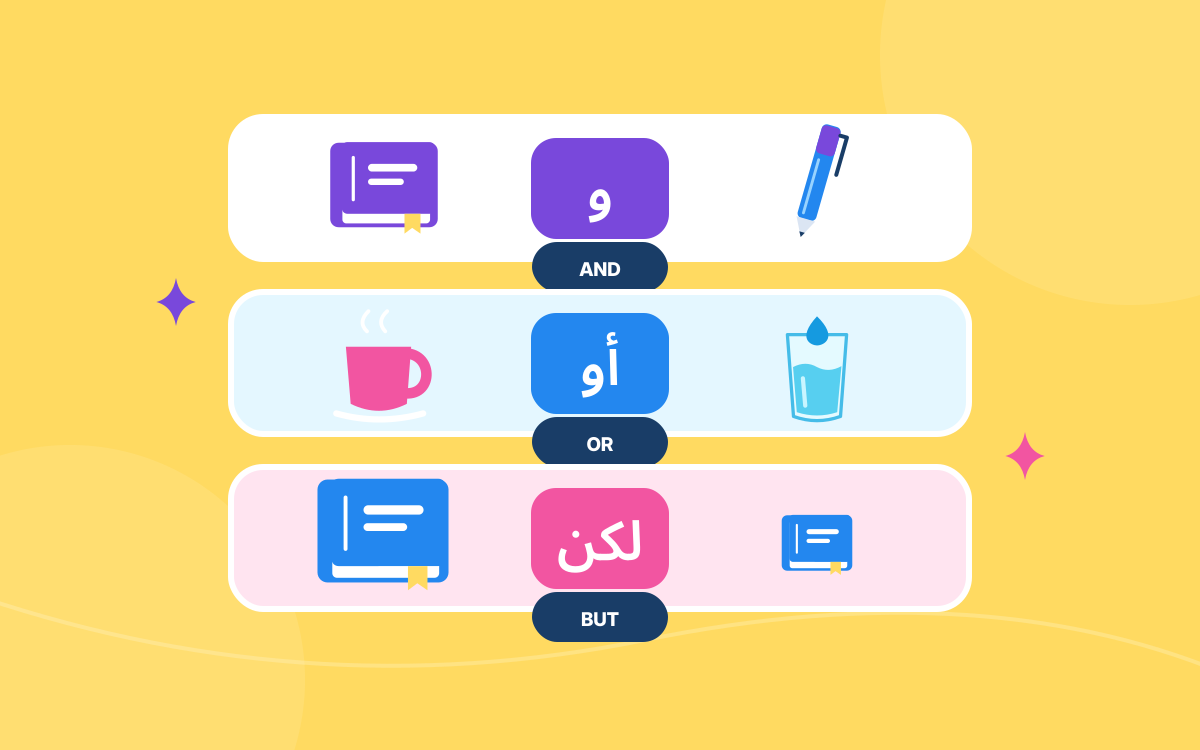
أَوْ, aw, also means or. In the command below, the speaker allows either item; there is no question asking which fact is true.
خُذْ كِتَابًا أَوْ قَلَمًا
khudh kitaban aw qalaman
Take a book or a pen. — to one man
Use am in our a...am question pattern, and aw in this offered choice. Aw has other uses, including some questions; this contrast does not mean that every Arabic question containing or must use am.
05Keep the question in a clear sequence
For our object pattern, put the first alternative with its attached a first, the shared hadha next, then am and the second alternative.
أَقَلَمٌ هَذَا أَمْ كِتَابٌ؟
aqalamun hadha am kitabun
Is this a pen or a book?
Before replying, identify what the speaker wants compared. Then name the true alternative: هَذَا كِتَابٌ, hadha kitabun, if it is a book. Our readings retain the marked endings and simplify vowel length.
What to remember
- A before the first alternative and am before the second ask which alternative is true.
- Keep the alternatives in matching roles and answer by identifying the true one.
- Aw offers an ordinary choice in commands such as “Take a book or a pen.”
Your reference shelf
Open a guide whenever you need it.
Compare a choice question, confirmation and an offerThree patterns that need different kinds of answers
| Purpose | Arabic pattern | Response |
|---|---|---|
| Identify one alternative | أَكِتَابٌ هَذَا أَمْ قَلَمٌ؟ | Name the book or the pen |
| Confirm a description | هَلْ أَنْتَ طَالِبٌ؟ | Yes or no, with a clear clause |
| Offer either object | خُذْ كِتَابًا أَوْ قَلَمًا | Take either item |
The am used for our real alternative questions is traditionally called connected am, أَمْ الْمُتَّصِلَةُ. The question hamza directly precedes the first item being compared, whether that item is a noun or a prepositional phrase. Other uses of am, such as transitions and constructions with sawa, need separate study.
These question particles do not themselves change noun case. Match the alternatives in their role: kitabun and qalamun are nominative descriptions here; bayti and maktabi are genitive after fi. The nouns in the take command are accusative objects.
Our plain Latin reading aids omit hyphens and simplify long vowels. Final un, an and i are retained to match the marked formal Arabic; ordinary pauses may change how word endings are pronounced.
Sources & further learning
References for the language explanations and learning guidance.