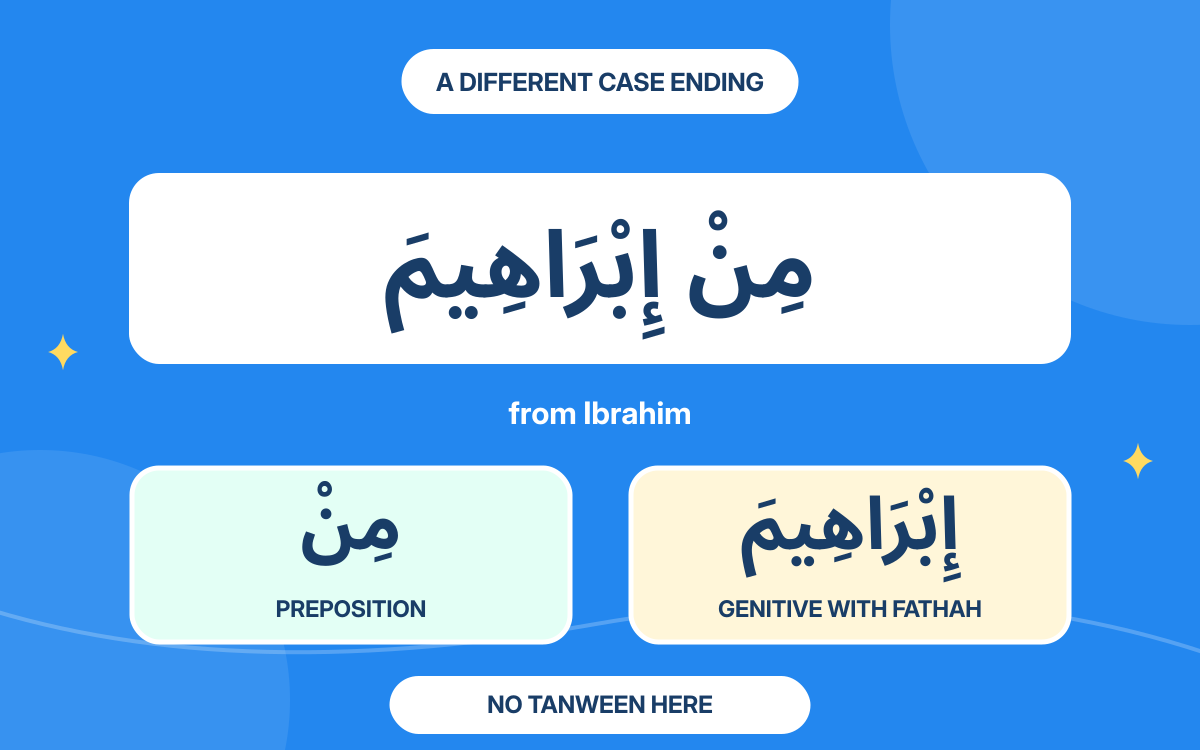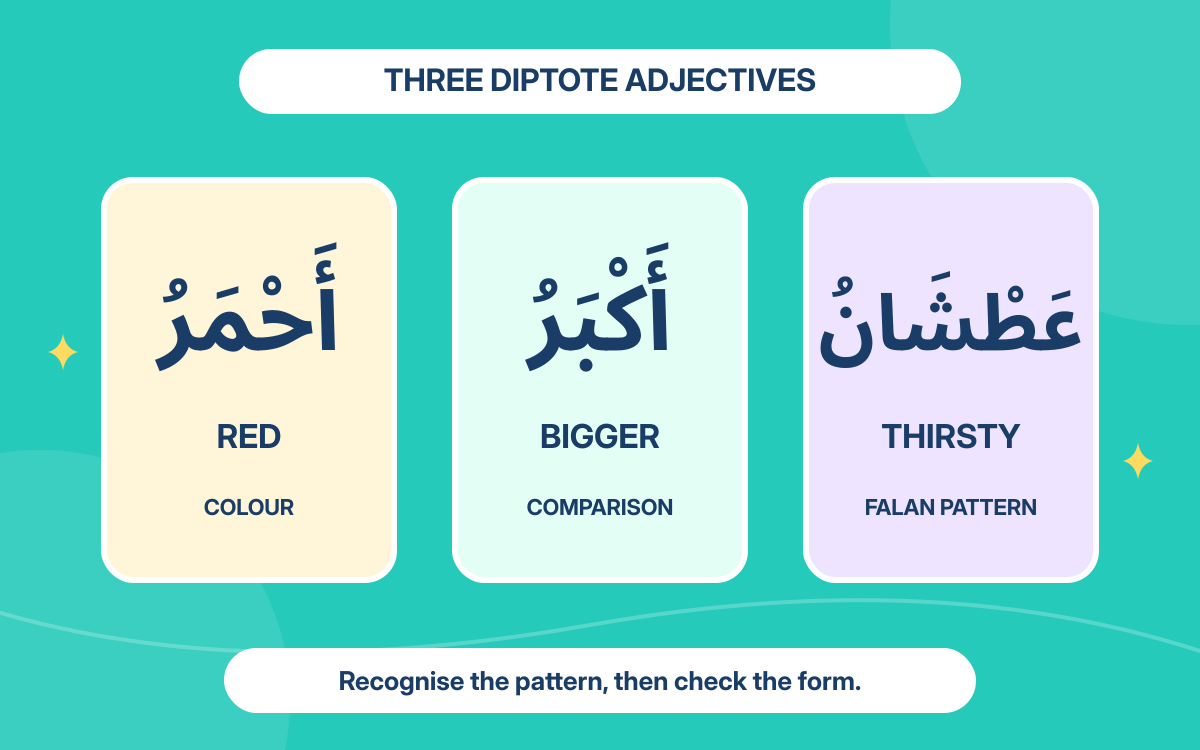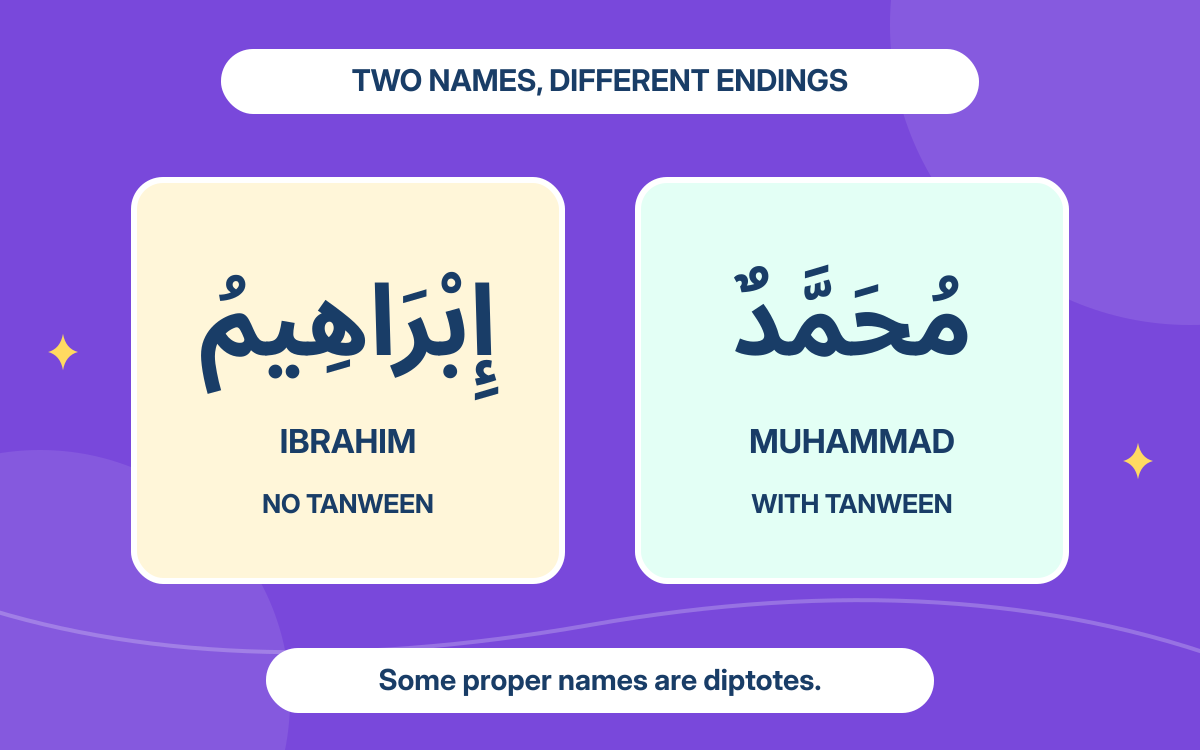
You already know what diptotes do: they have no tanween and normally use fathah for the genitive when they lack al and are not themselves mudaf. Now learn to recognise useful name families. A person’s name alone does not predict the ending; its grammatical pattern and origin matter.
01Recognise feminine names and taa endings
Common feminine names such as Maryam and Zaynab are diptotes. Proper names ending in taa marbutah are diptotes too, even when they name a man, as Hamzah does.
سَلَّمْتُ عَلَى مَرْيَمَ
sallamtu ala Maryama
I greeted Maryam.
Maryam is genitive after ala, with fathah and no tanween. Its nominative form is مَرْيَمُ. Likewise, write nominative حَمْزَةُ without tanween. The grammatical ending of Hamzah’s name does not make the person female. These are common patterns, not a claim about every short feminine name.
02Check the length of a foreign name
Foreign proper names with more than three Arabic letters form another diptote family. Ibrahim and Ismail belong here. The familiar three-letter names Nuh and Lut instead have regular tanween.
إِبْرَاهِيمُ طَالِبٌ
Ibrahimu talibun
Ibrahim is a student.
نُوحٌ طَالِبٌ
Nuhun talibun
Nuh is a student.
Compare إِبْرَاهِيمُ with مُحَمَّدٌ: Muhammad is a regular Arabic name and can take tanween. Count the written Arabic letters, not the letters of an English spelling. This rule concerns proper names, not every borrowed vocabulary word.
03Notice a name shaped like a verb
Some Arabic names are diptotes because they have a verbal pattern. Ahmad is a useful example. Recognise the established name and its pattern together; do not classify every word beginning with alif this way.
مَرَرْتُ بِأَحْمَدَ
marartu bi Ahmada
I passed by Ahmad.
The attached preposition bi makes Ahmad genitive. The diptote sign is fathah, so write Ahmada without tanween. In the nominative, the name is أَحْمَدُ. The same pattern can occur in other kinds of words, which need their own rules.
04Recognise added alif and nun
Names ending in added alif and nun form another important family. Uthman is a familiar example. “Added” matters: the ending must be part of this recognised name pattern, not simply two letters that happen to appear at the end.
سَلَّمْتُ عَلَى عُثْمَانَ
sallamtu ala Uthmana
I greeted Uthman.
Uthman is genitive after ala, using fathah without tanween. Its nominative form is عُثْمَانُ. Learn the name with its family so that you can recognise the correct ending in a new sentence.
05Keep name recognition separate from definiteness
A proper name already identifies someone definite. That fact does not determine whether it takes tanween: Muhammad can, while Ibrahim cannot. Nor does definiteness alone restore a diptote’s genitive kasrah.
كِتَابُ أَحْمَدَ
kitabu Ahmada
Ahmad’s book
Ahmad is genitive as the second noun of this idafa and still has fathah. Kasrah returns only when the diptote itself has al or is mudaf. Here kitab is mudaf, not Ahmad. Formal connected endings make these differences visible; a spoken pause can hide the final vowel.
What to remember
- Recognise common feminine names, proper names with taa marbutah, verbal-pattern names and names with added alif and nun.
- Longer foreign proper names such as Ibrahim are diptotes; Nuh and Lut are familiar three-letter exceptions with regular tanween.
- A name’s definiteness does not predict tanween or restore genitive kasrah; check its own construction.
Your reference shelf
Open a guide whenever you need it.
Four useful name familiesKeep the pattern, example and exception together
| Family | Examples | Reminder |
|---|---|---|
| Common feminine names / taa ending | مَرْيَمُ، زَيْنَبُ، حَمْزَةُ | Hamzah may name a man. |
| Foreign proper name, more than three letters | إِبْرَاهِيمُ، إِسْمَاعِيلُ | Nuh and Lut have regular tanween. |
| Proper name on a verbal pattern | أَحْمَدُ | An initial alif by itself is insufficient. |
| Name with added alif and nun | عُثْمَانُ | Not every word ending in an qualifies. |
These are important families rather than an exhaustive list. Short feminine names need attention to letter count, vowel pattern and origin. Consult a reliable grammar before extending these examples to every such name. Names such as Muhammad remain definite while taking regular tanween.
Sources & further learning
References for the language explanations and learning guidance.