Some familiar broken plurals are diptotes: they have no tanween and use special genitive endings. Two common patterns help you recognise this group when reading. Compare mosques and schools with keys and lamps, then connect their shapes to the ending rules you already know.
01Spot the pattern مَفَاعِل
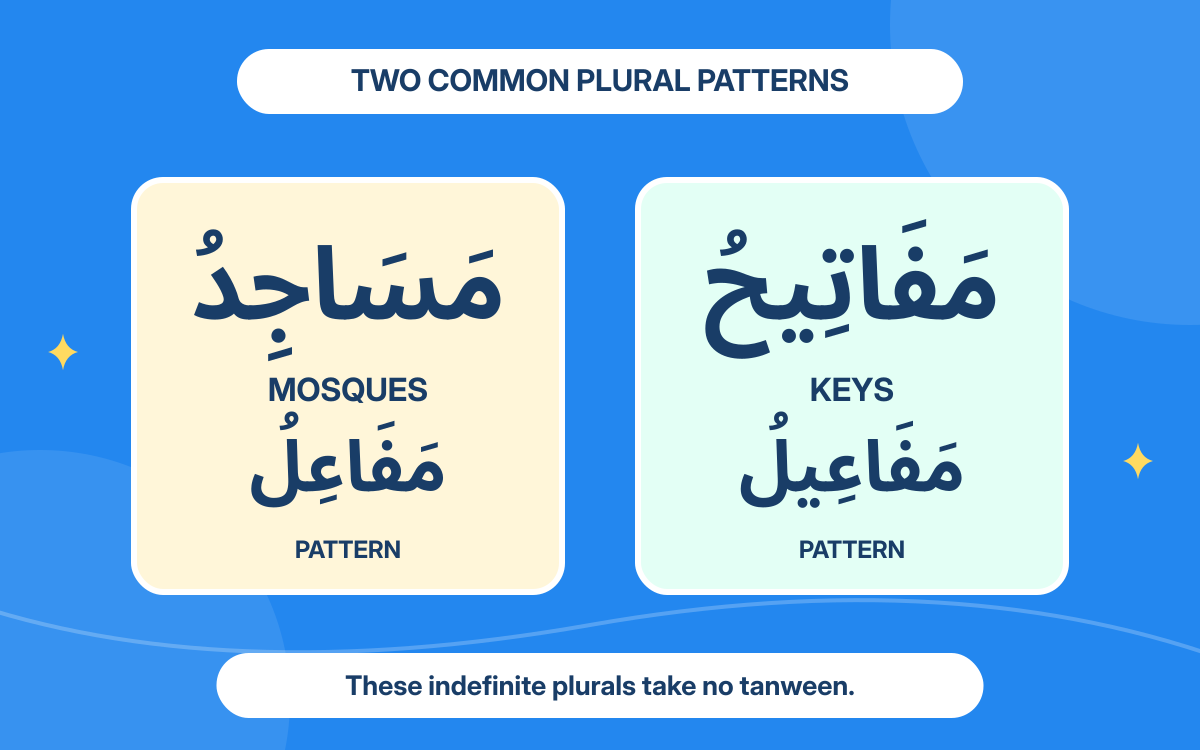
The pattern مَفَاعِل appears in masajid, mosques, and madaris, schools. Its alif marks a long a, and two letters follow that alif. Look at the complete plural rather than the singular ending.
مَسَاجِدُ
masajidu
Mosques — nominative form
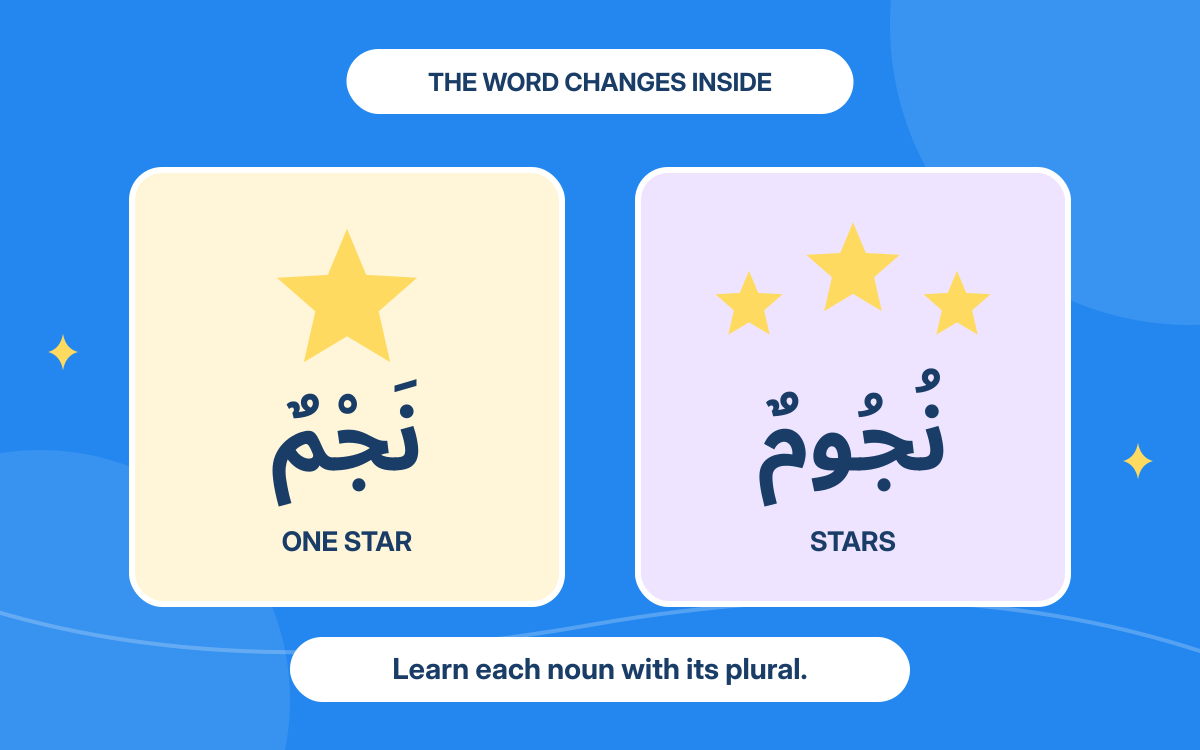
After the alif in مَسَاجِدُ, the letters are ج د. The word ends in one dammah, u, without tanween. Likewise, مَدَارِسُ ends in one u. These are broken plurals because their internal shapes change from the singular. Notice the internal change from madrasah, one school, to madaris.
02Notice the extra ya in مَفَاعِيل
The pattern مَفَاعِيل has a long i near the end, written with ya. Familiar examples are mafatih, keys, and masabih, lamps.
مَفَاتِيحُ
mafatihu
Keys — nominative form
Three letters follow the alif here: ت ي ح. The middle ya carries no short vowel and lengthens the preceding i. The same structure appears in مَصَابِيحُ, with ب ي ح after alif. The plain reading labels simplify vowel length; use the Arabic to see the difference between the two patterns.
03Keep the family separate from all broken plurals
These two patterns belong to صِيَغُ مُنْتَهَى الْجُمُوعِ. This family contains broken plurals with two letters after the plural alif, or three with the middle letter carrying no vowel. Count letters, not vowel marks.
كُتُبٌ
kutubun
Books — a regular broken plural
Kutub does not have either shape and takes tanween. أَقْلَامٌ, pens, also takes regular tanween: only one letter follows its alif. Being a broken plural alone does not make a noun a diptote. Learn the actual plural, then recognise its pattern.
04Use fathah after a preposition when the plural is bare
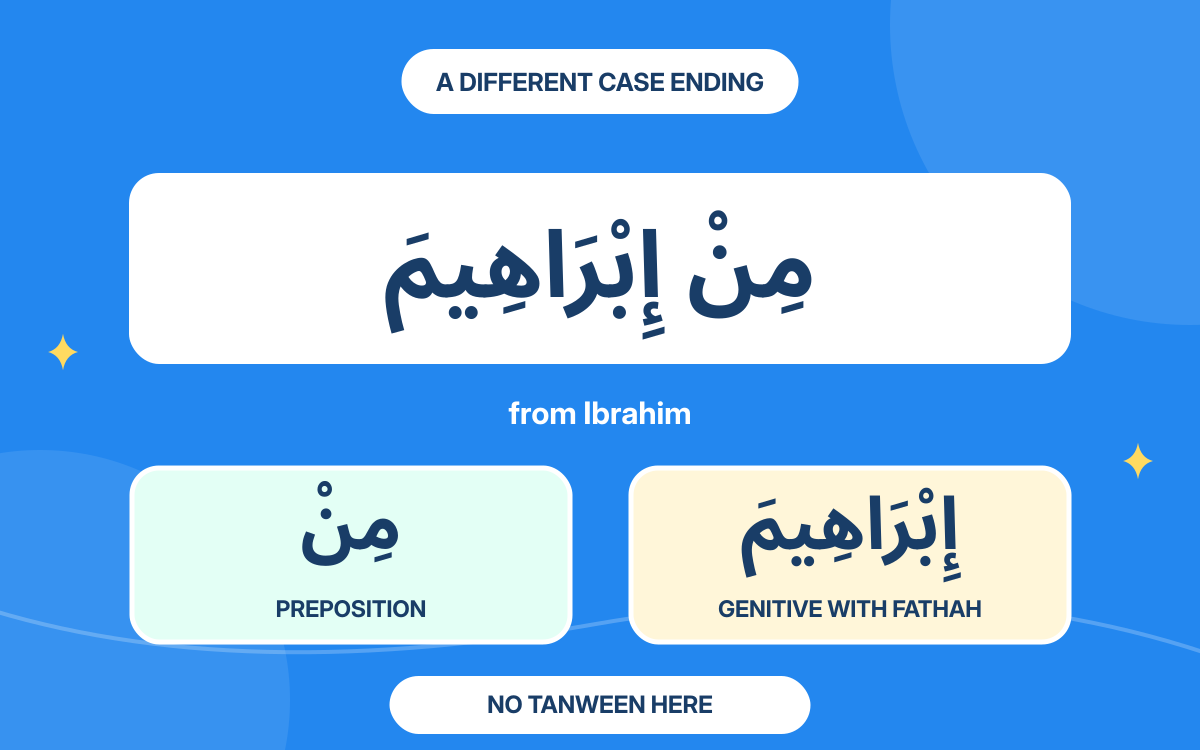
Fi makes the following noun genitive. A diptote without the article al, and not serving as the first noun of an idafa, uses fathah for this case.
فِي مَدَارِسَ
fi madarisa
In schools
The final a marks genitive here; it does not turn the noun into an object. There is no tanween. The same rule gives fi masajida, in mosques, for the bare plural.
05Restore kasrah with al or as mudaf
When the plural itself has al, its genitive ending becomes kasrah. The plural pattern stays the same.
فِي الْمَدَارِسِ
fi lmadarisi
In the schools
Kasrah also returns when the diptote is mudaf, the first noun in an idafa.
فِي مَدَارِسِ الْمَدِينَةِ
fi madarisi lmadinati
In the schools of the city
Madaris is genitive after fi and has kasrah because it is mudaf. The city names what the schools belong to; it is also genitive.
What to remember
- مَفَاعِل has two letters after the plural alif; مَفَاعِيل has three, with ya in the middle marking long i.
- Masajid, madaris, mafatih and masabih are diptotes; kutub and aqlam are regular broken plurals.
- A bare diptote plural uses genitive fathah; kasrah returns when it itself has al or is mudaf.
Your reference shelf
Open a guide whenever you need it.
Keep four singular and plural pairs togetherCompare vocabulary and the two plural shapes
| Meaning | Singular | Plural | Pattern |
|---|---|---|---|
| Mosque / mosques | مَسْجِدٌ | مَسَاجِدُ | مَفَاعِل |
| School / schools | مَدْرَسَةٌ | مَدَارِسُ | مَفَاعِل |
| Key / keys | مِفْتَاحٌ | مَفَاتِيحُ | مَفَاعِيل |
| Lamp / lamps | مِصْبَاحٌ | مَصَابِيحُ | مَفَاعِيل |
The table uses nominative vocabulary forms. Change their endings for their role in a sentence. The singulars have regular tanween even though these plurals are diptotes.
The letters fa, ayn and lam in a pattern stand for root positions. These two patterns are common members of a wider family; its members do not all begin with mim. Recognising a pattern helps you read a plural you have learned, but it does not tell you the correct plural of every new singular.
Genitive kasrah depends on al on the diptote itself, or that diptote being mudaf. Merely placing it somewhere in an idafa is not enough; see the diptote endings guide for the distinction.
Sources & further learning
References for the language explanations and learning guidance.