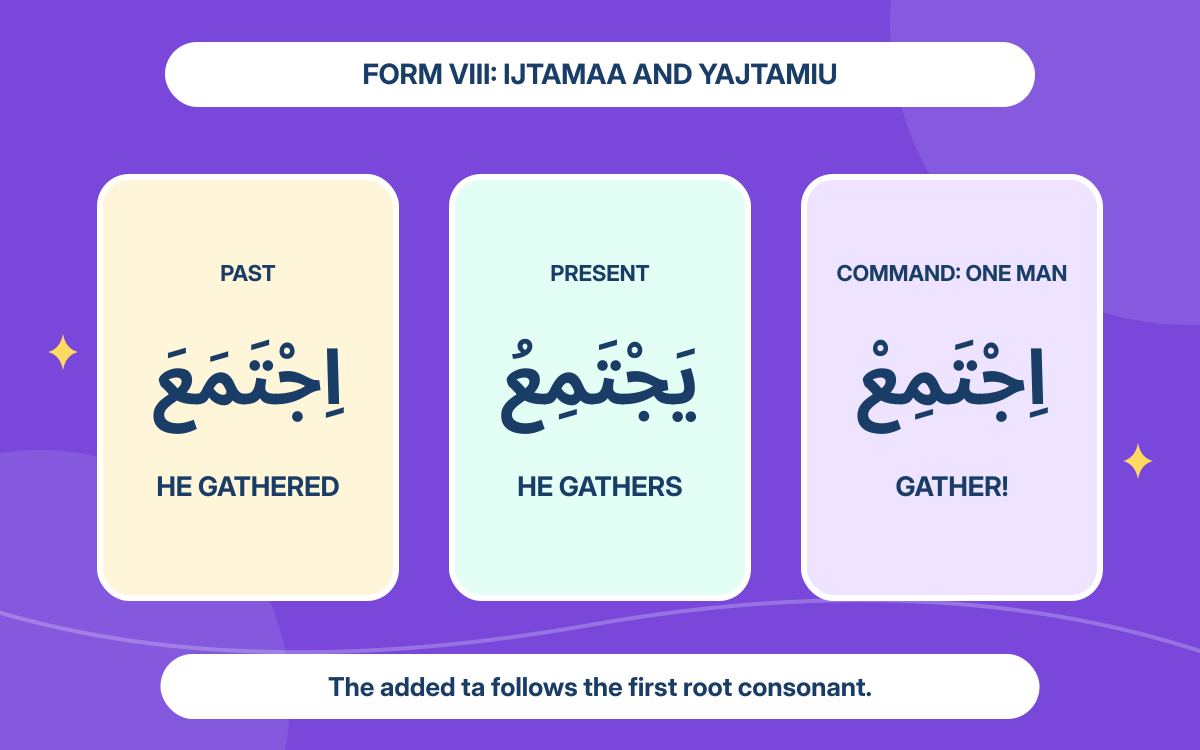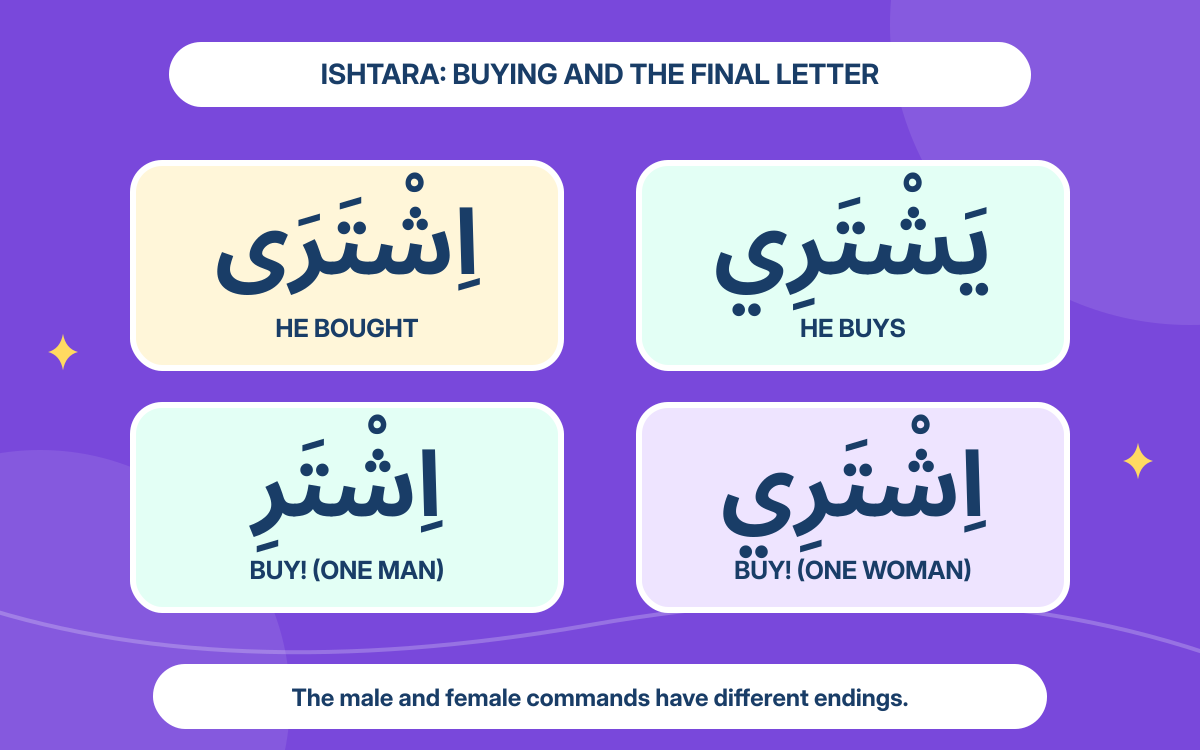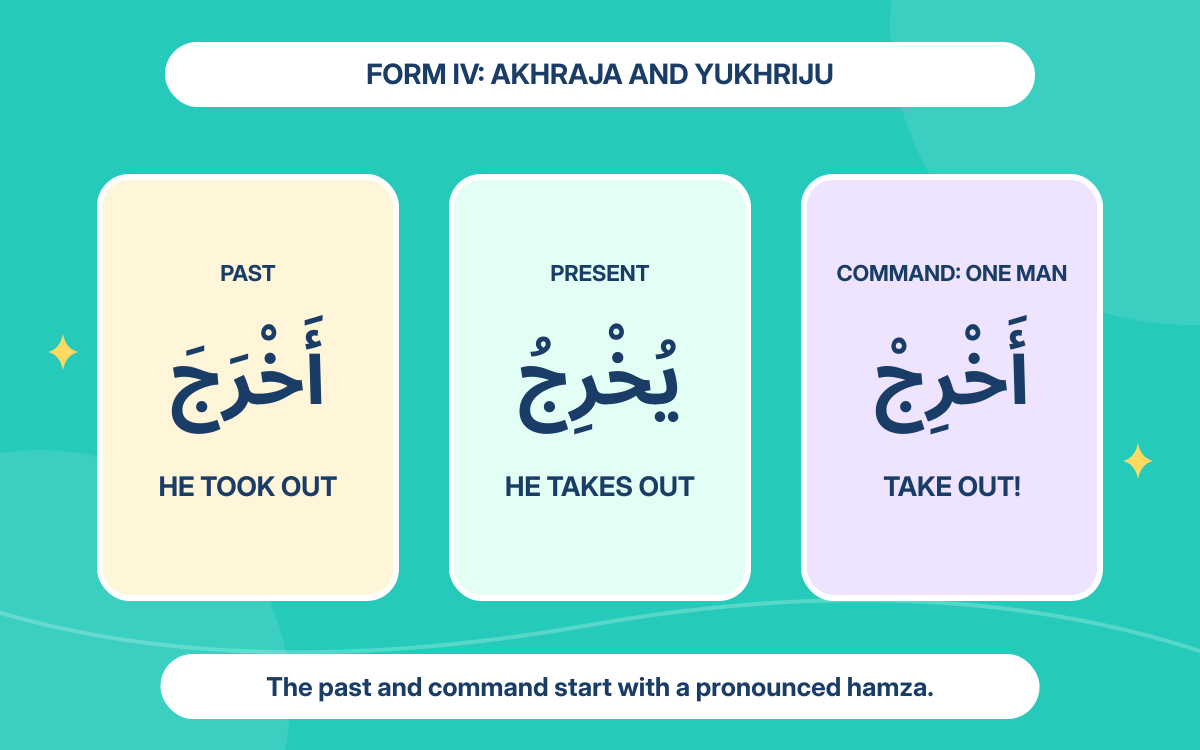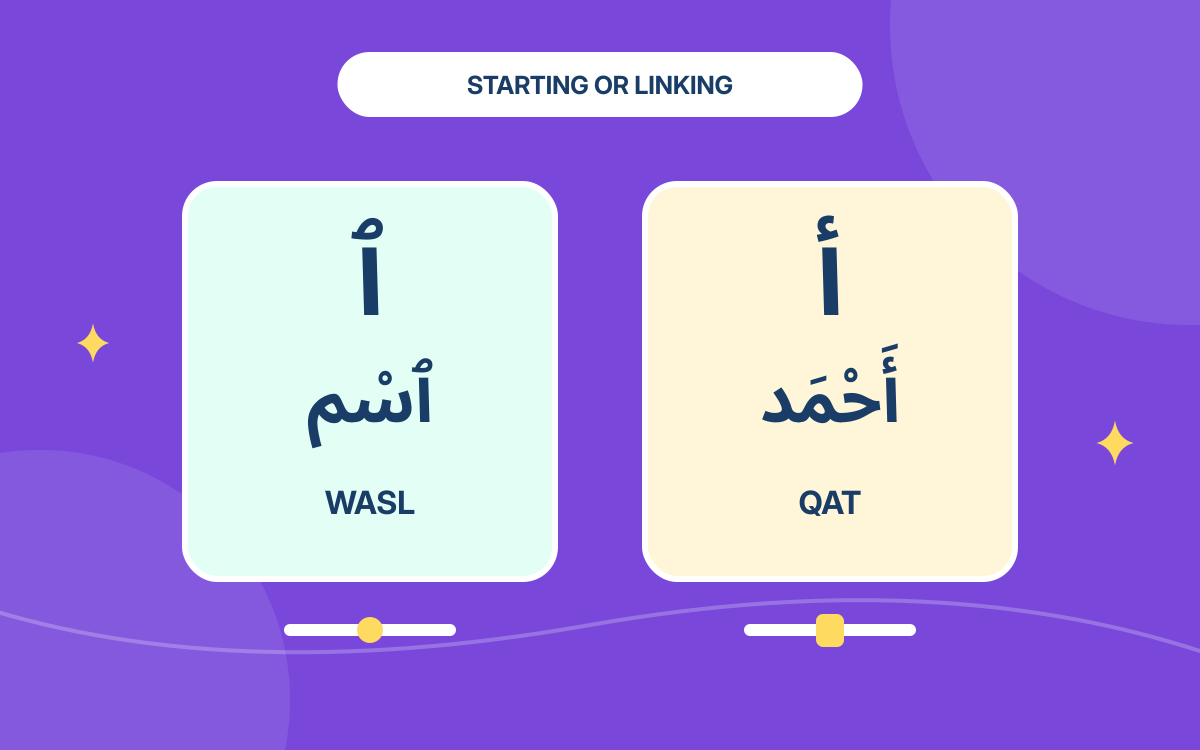
At the start of a phrase, both hamzat al wasl and hamzat al qat help a word begin clearly. When you connect words without pausing, they behave differently: wasl loses its opening sound, while qat keeps its hamza. Start with the book and I.
01Start with the book
الْكِتَاب
alkitab
the book
The definite article ال begins with hamzat al wasl. When starting here, say a before l. Its initial alif is normally written without the small hamza sign. The special marked form ٱ may appear in carefully vowelled texts.
02Join it to and
وَالْكِتَاب
walkitab
and the book
Wa means and and attaches to the next word in Arabic writing. In one flowing reading, the article loses its opening hamza and vowel: say walkitab. Do not restart the article as wa alkitab.
The article’s alif stays in this spelling even though its opening sound is absent. If you genuinely pause and begin again at الْكِتَاب, pronounce the starting a again. What matters is where your voice starts, not whether the word is on a new printed line.
03Keep qat when words connect
ana
I
wa ana
and I
The hamza in ana is hamzat al qat. It remains audible after wa. Our plain label wa ana leaves the catch unmarked. Say wa, then make the hamza before ana without taking a pause. The Arabic is written as one word with the attached wa.
At the beginning of a word, qat is written above alif with a or u, and below it with i. For example, إِلَى ila means to; وَإِلَى wa ila means and to. Both retain their hamza.
04Try a useful classroom instruction
uktub
Write! To one male learner.
waktub
And write! To one male learner.
This command begins with wasl too. At a fresh start, its helping vowel is u. After wa, that opening sound drops. You hear waktub, with the k following wa directly.
Wasl does not always begin with a. Compare the book, alkitab, with write, uktub. Learn the starting vowel with each word. This lesson practises these complete examples rather than asking you to guess unfamiliar verb vowels.
05Use a short connection check
- Starting fresh? Pronounce the initial sound of either type.
- Continuing without a pause? Omit the opening wasl sound.
- Is it qat? Keep its hamza when connecting.
Learn spelling and pronunciation together. A wa test is useful when you already know the correct spoken word; guessing its sound cannot prove its spelling.
Our reading aids show the actual link in these examples. They omit final noun case endings; that does not change the initial wasl and qat contrast. Simple labels do not mark vowel length or hamza. Use the Arabic and the accompanying notes to recover those sound details.
Sun letters can also change how the l of the article is pronounced. That is a separate process. Our book example uses k, a moon letter, so l stays audible throughout.
What to remember
- Wasl is heard at a fresh start and omitted when linked to a preceding word.
- Qat keeps its hamza both at a fresh start and in connected reading.
- Practise alkitab → walkitab, ana → wa ana, and uktub → waktub.
Your reference shelf
Open a guide whenever you need it.
Starting and connecting: side by sideReview all three patterns and the special wasla sign
| Arabic | Reading aid | Notice |
|---|---|---|
| الْكِتَاب | alkitab | Start: the book. |
| وَالْكِتَاب | walkitab | Connected: and the book. |
| أَنَا | ana | Start: I; pronounce the initial catch. |
| وَأَنَا | wa ana | Connected: and I; keep the catch. |
| اُكْتُبْ | uktub | Start: write, addressed to one male. |
| وَاكْتُبْ | waktub | Connected: and write. |
In ordinary spelling, wasl uses a bare initial alif. The sign ٱ makes its identity explicit in some fully marked texts. Qat uses أ or إ at the beginning; the madda form آ can represent hamza followed by long a.
Other familiar wasl words include اسْم ism, name, and ابْن ibn, son. Longer verb patterns have their own starting vowels. These belong in later spelling practice; the three pairs above are enough to establish the connection rule.
Sources & further learning
References for the language explanations and learning guidance.