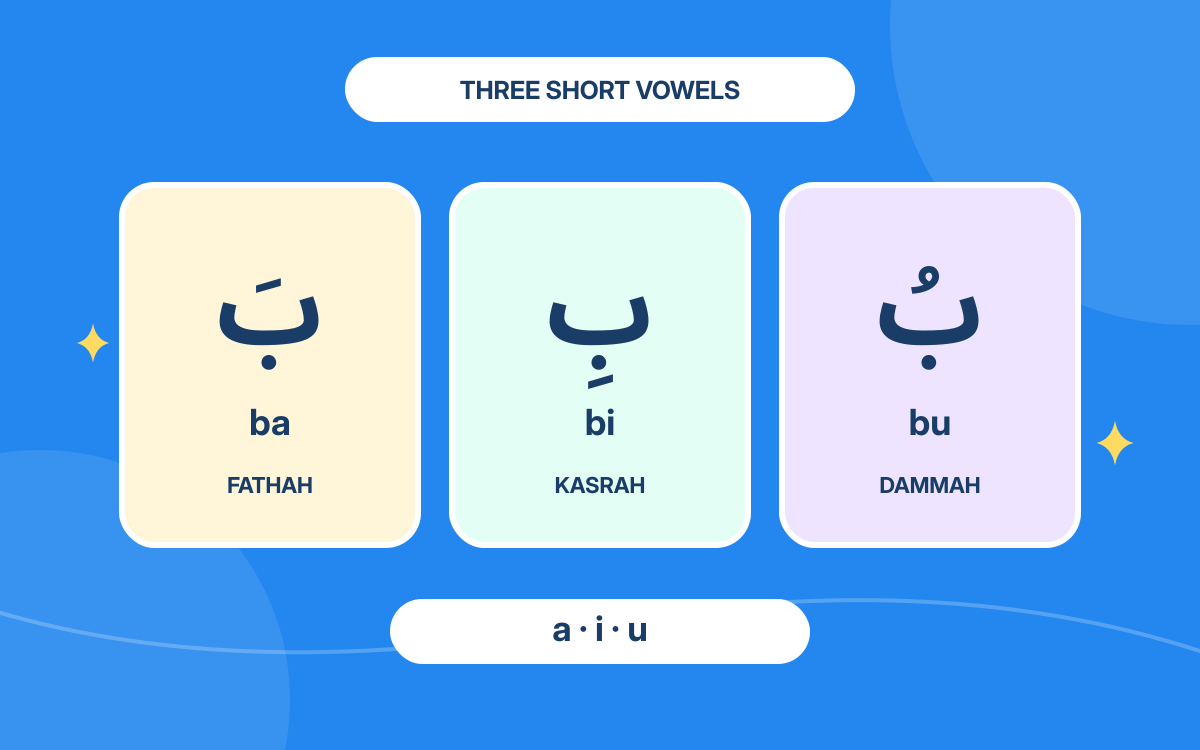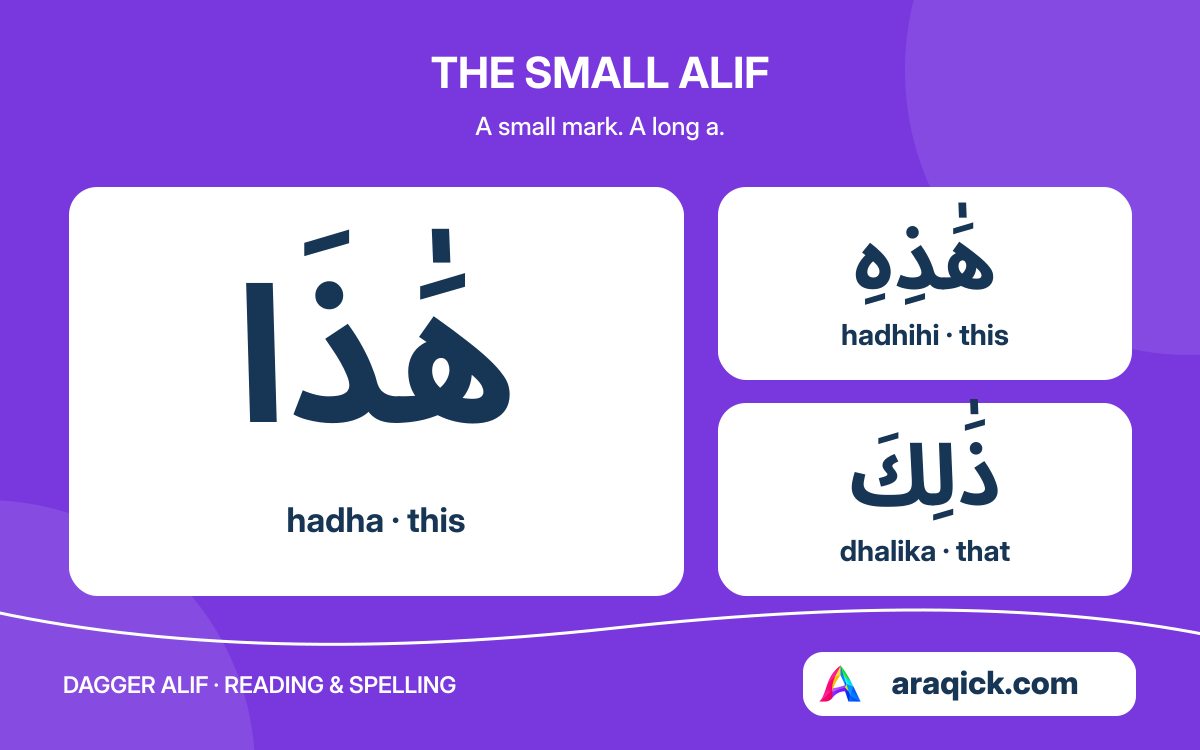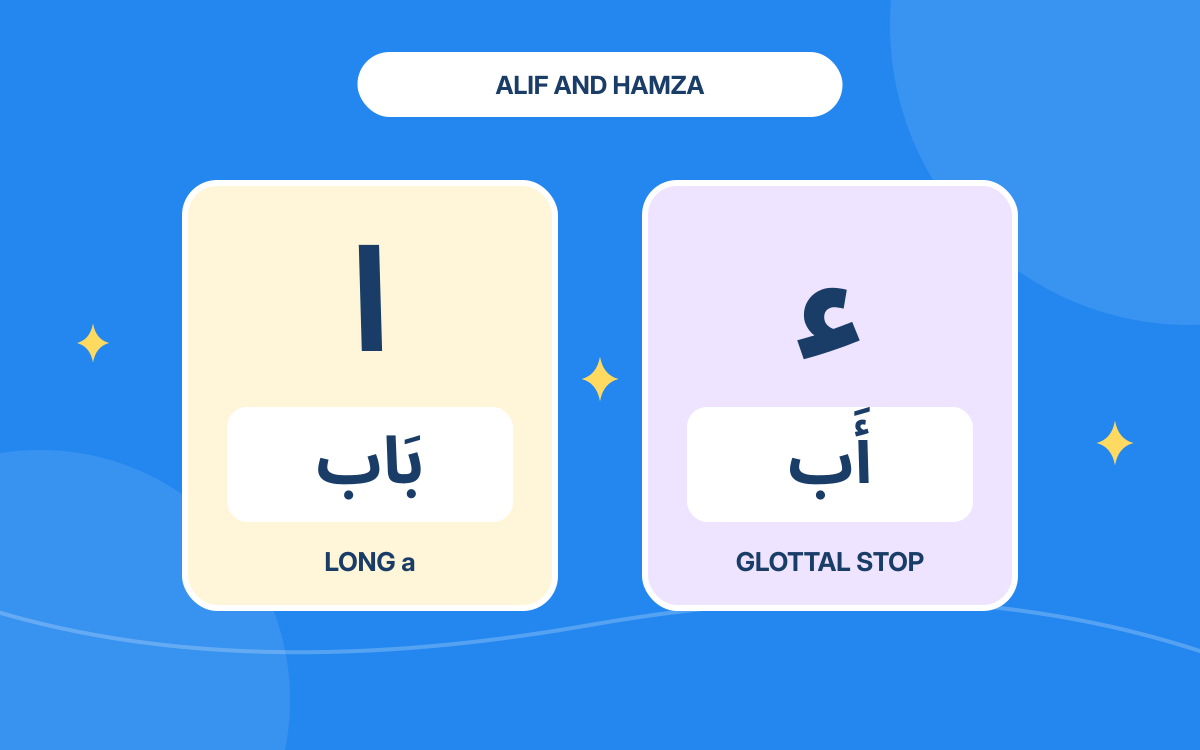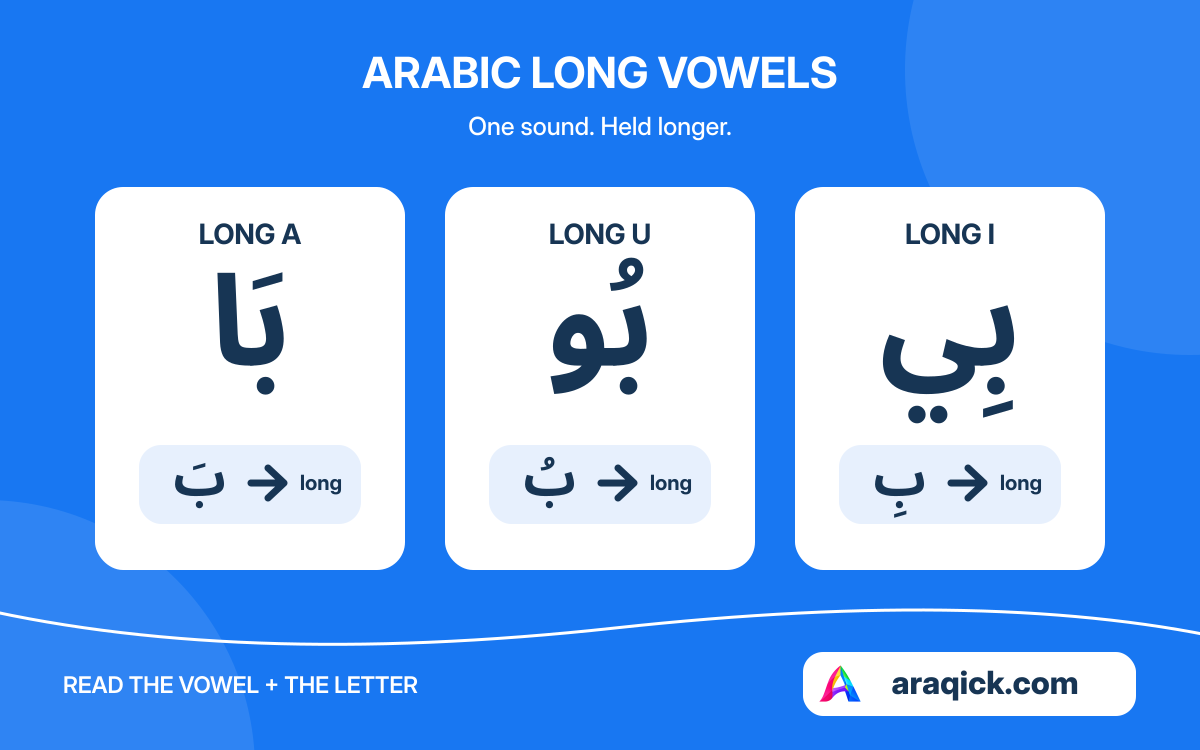
Arabic has three basic long vowel sounds: a, u and i held longer than their short partners. In familiar spellings, alif, waw and ya help write them. Read the vowel mark before the letter too: waw and ya can also be consonants.
01Hold one sound, not two
بَ — بَا
ba — ba
Short a — long a
Both begin with the consonant b. In the first, fathah gives a short a. In the second, alif extends that a. Keep it one continuous vowel; do not insert a catch or another syllable between the two letters.
The plain reading aids on Araqick do not mark vowel length, so these labels look the same. Use the Arabic spelling and the short/long descriptions together. Longer does not mean louder.
02Match each vowel to its partner
| Short | Long | What changes |
|---|---|---|
| بَ | بَا | Fathah plus alif: long a |
| بُ | بُو | Dammah plus waw: long u |
| بِ | بِي | Kasrah plus ya: long i |
In these combinations, the alif, waw or ya does not add its own consonant sound. Read bu with a long u, not as bu plus wa. Read bi with a long i, not as bi plus ya. The marks and letters work as a unit.
03Find the long vowel inside a word
نَارٌ — نُورٌ — فِيلٌ
narun — nurun — filun
Fire — light — an elephant
Narun contains a long a, nurun a long u, and filun a long i. The final un is tanween, a separate grammatical ending. It does not make the earlier vowel long.
When pausing on these standalone words, read nar, nur and fil. Dropping the final un at a pause does not shorten the long vowel inside the word. Try identifying the long vowel before reading the whole word.
04Check when waw and ya are consonants
وَلَدٌ — يَدٌ
waladun — yadun
A boy — a hand
The waw in waladun carries fathah and sounds w. The ya in yadun also carries fathah and sounds y. Neither writes a long vowel here.
بَيْتٌ — يَوْمٌ
baytun — yawmun
A house — a day
After fathah, a vowelless ya or waw can form ay or aw instead of long i or u. Baytun has ay; yawmun has aw. Recognise the whole combination before choosing a sound.
05Use a three-check reading routine
First find the consonant and its vowel mark. Next inspect the following letter. Finally decide whether the combination gives a long vowel, a consonant, or ay/aw.
Practise with بَابٌ (babun, a door), سُوقٌ (suqun, a market) and كَبِيرٌ (kabirun, big). Their long vowels are a, u and i respectively.
These are common patterns, not a claim that every alif, waw or ya must lengthen a sound. Hamza seats and special spellings have separate rules. Review the alif and hamza guide when the letter carries hamza.
What to remember
- Read the vowel mark and its following letter together.
- Waw and ya can represent consonants as well as long vowels.
- Vowel length inside a word remains when final tanween is dropped at a pause.
Your reference shelf
Open a guide whenever you need it.
Long vowel or consonant?Compare six clear reading patterns
| Arabic | Reading aid | Feature |
|---|---|---|
| بَابٌ | babun | Long a |
| نُورٌ | nurun | Long u |
| كَبِيرٌ | kabirun | Long i |
| وَلَدٌ | waladun | Consonant w |
| يَدٌ | yadun | Consonant y |
| بَيْتٌ | baytun | ay, not long i |
Sources & further learning
References for the language explanations and learning guidance.