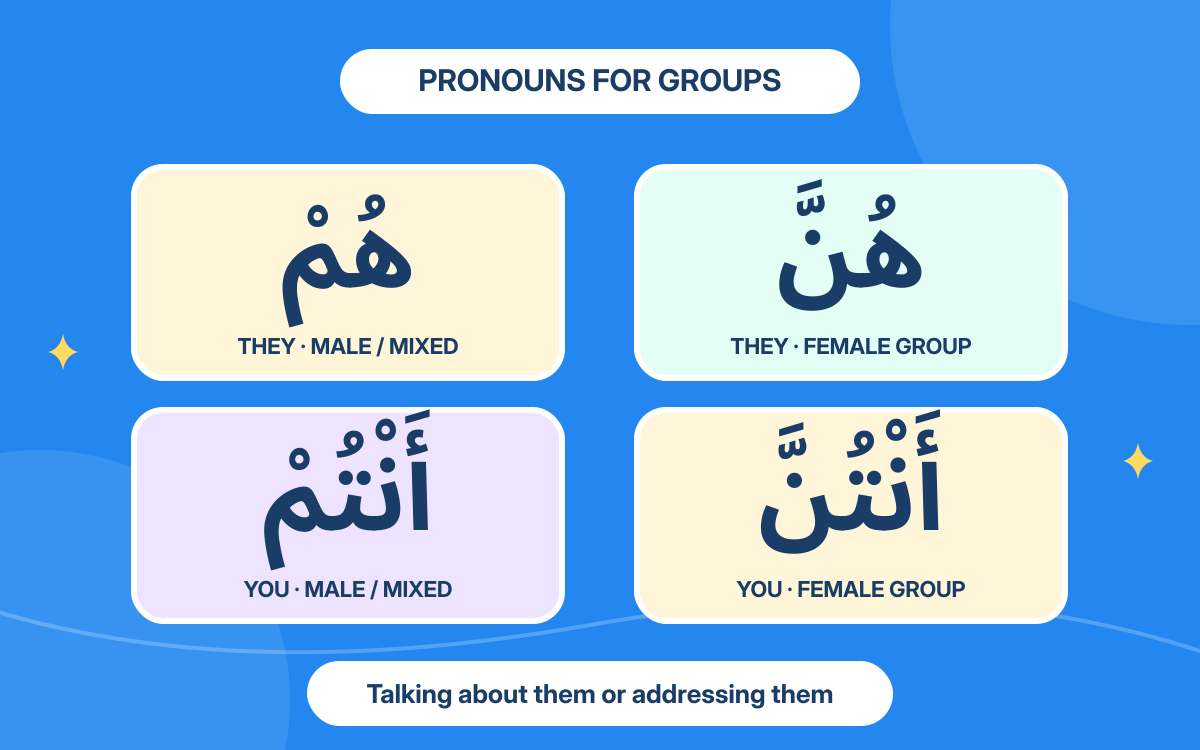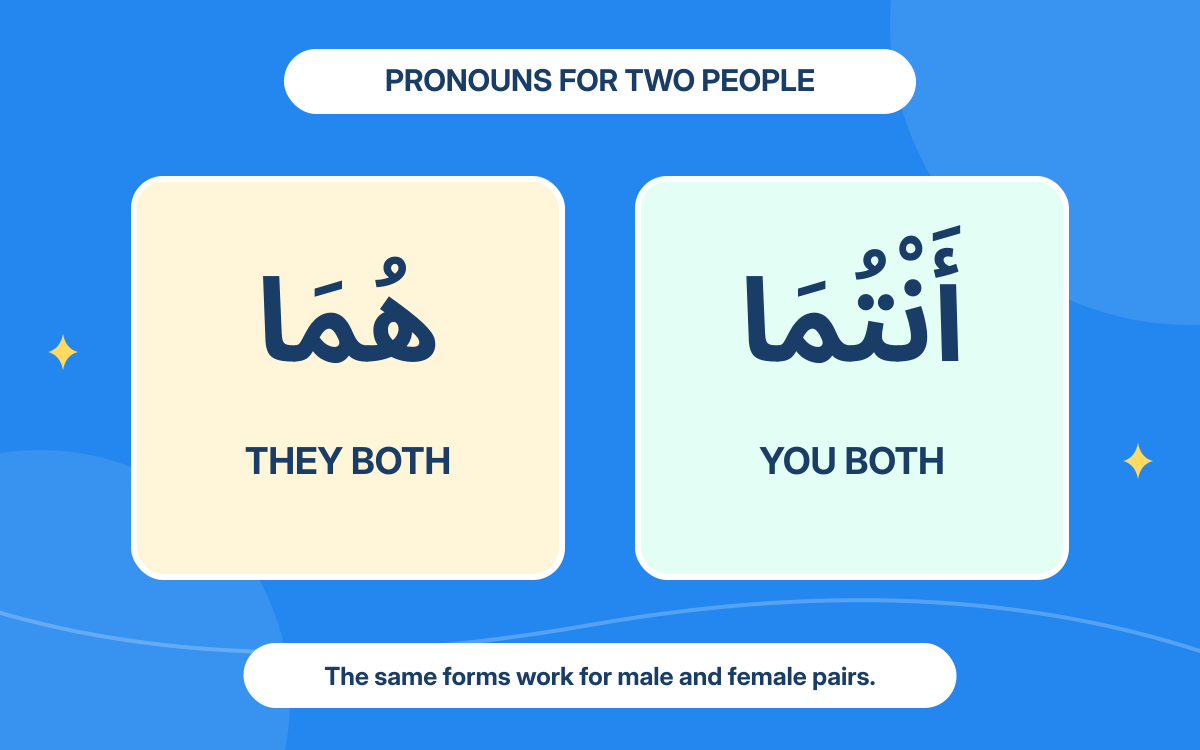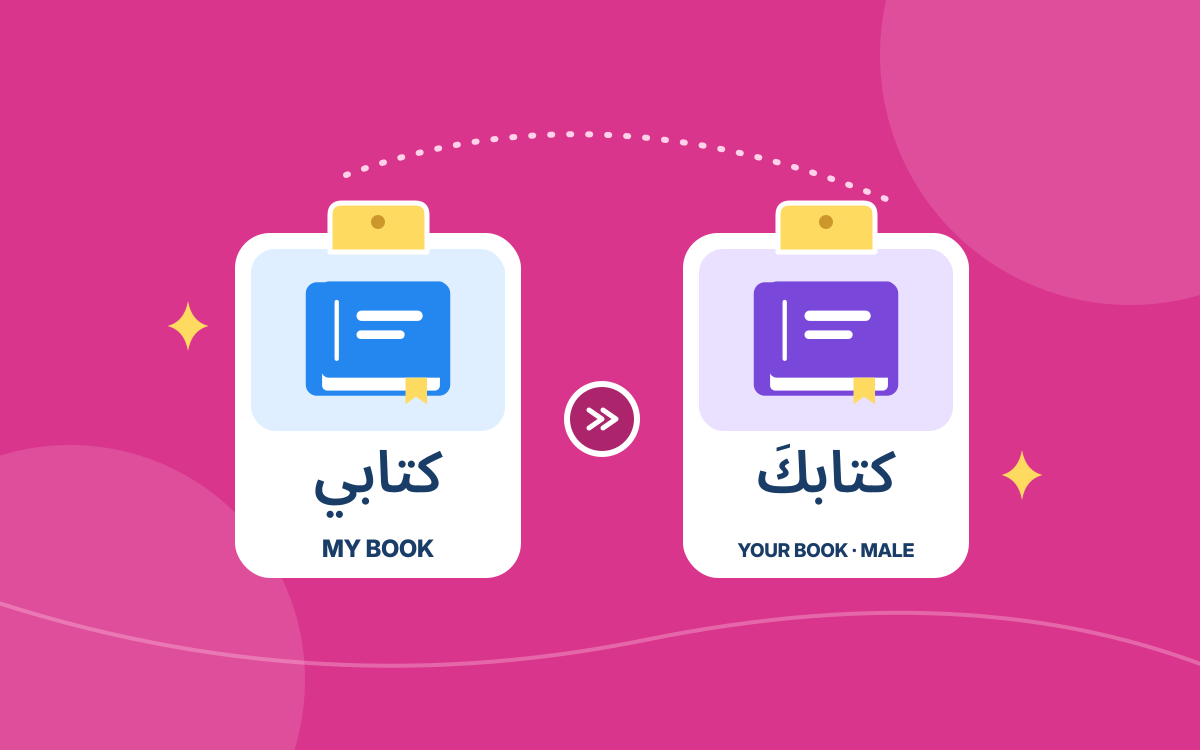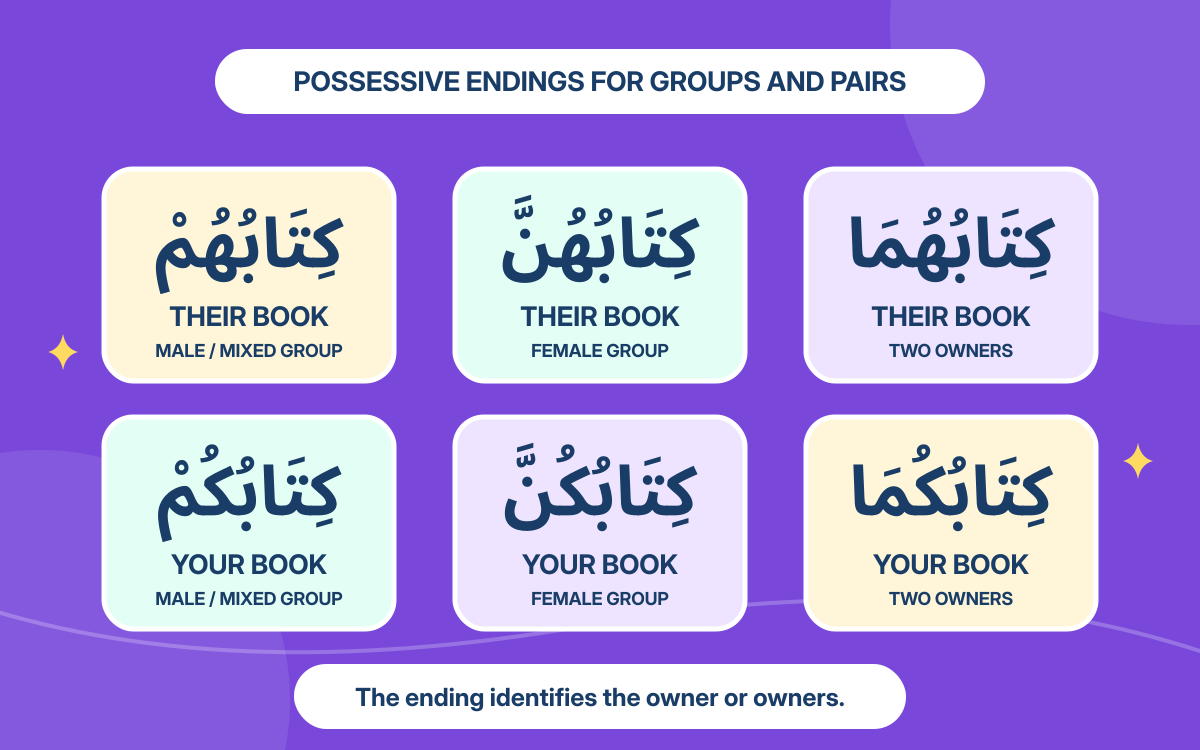
A single book may belong to a group or a pair. Arabic shows those owners with attached suffixes. Their distinguishes a male or mixed group from a female group; your does the same when you address several people. Pairs have their own forms, shared by both genders. Keep the book’s number separate from the owners’ number.
01Say whose book it is: their
For three or more human owners, hum refers to men or a mixed group; hunna refers to women only. Attach the ending directly to the noun.
كِتَابُهُمْ
kitabuhum
Their book. (Male or mixed owners.)
كِتَابُهُنَّ
kitabuhunna
Their book. (Female owners.)
Both examples name one book. The suffix tells you about the owners, not how many books they have. These book forms are nominative.
02Address the owners: your
When those owners are your listeners, use kum for men or a mixed group and kunna for women only. The speaker’s gender does not decide the suffix.
كِتَابُكُمْ
kitabukum
Your book. (Addressing male or mixed owners.)
كِتَابُكُنَّ
kitabukunna
Your book. (Addressing female owners.)
The ending stays attached in writing. Hunna and kunna contain a doubled n. Saying their talks about the owners; saying your talks directly to them. The object can remain the same single book.
03Use one form for either kind of pair
Exactly two owners use huma for their, or kuma when you address them as your. Neither dual suffix distinguishes male from female owners.
كِتَابُهُمَا
kitabuhuma
Their book. (Two owners.)
كِتَابُكُمَا
kitabukuma
Your book. (Addressing two owners.)
Two sisters and two brothers both use the same dual suffixes. The final a is long. First decide whether the pair is being discussed or addressed; then choose huma or kuma.
04Preserve the possessed noun’s spelling
A noun with a possessive suffix is definite without al and has no tanween. In this construction a final taa marbuta becomes an open t before the suffix.
حَقِيبَتُكُمْ
haqibatukum
Your bag. (Addressing a male or mixed group.)
كِتَابُكُمْ جَدِيدٌ
kitabukum jadidun
Your book is new.
The bag’s feminine gender does not turn kum into kunna. Owner gender chooses the suffix; object gender chooses an adjective or demonstrative describing the object. Here book remains masculine, so its predicate is jadidun.
05Change the noun’s case, not the owners
The suffix occupies a genitive owner position, but the noun before it takes the case required by its own job.
فِي كِتَابِكُمْ
fi kitabikum
In your book. (Addressing a male or mixed group.)
Kitabukum in the previous subject sentence has u before kum. After fi, kitabikum has i before the same suffix. Kum still means the same owners. Likewise, a direct object can have كِتَابَكُمْ (kitabakum). Find the noun’s role before selecting its case vowel.
What to remember
- Hum and hunna identify plural owners; kum and kunna address plural owners.
- Huma and kuma identify exactly two owners and use the same form for either gender.
- The possessed noun has no al or tanween; its case vowel comes before the owner’s suffix.
Your reference shelf
Open a guide whenever you need it.
Group and pair owner chartReview the six suffixes and the vowel change before third-person suffixes
| Owners | Their book | Your book |
|---|---|---|
| Male or mixed plural group | كِتَابُهُمْ — kitabuhum | كِتَابُكُمْ — kitabukum |
| Female plural group | كِتَابُهُنَّ — kitabuhunna | كِتَابُكُنَّ — kitabukunna |
| Exactly two, either gender | كِتَابُهُمَا — kitabuhuma | كِتَابُكُمَا — kitabukuma |
For a group including the speaker, كِتَابُنَا (kitabuna) means our book. Na works whether we consists of two people or more.
After the noun’s genitive i, third-person h also takes i: فِي كِتَابِهِمْ (fi kitabihim), فِي كِتَابِهِنَّ (fi kitabihinna), and فِي كِتَابِهِمَا (fi kitabihima). These pronunciation changes keep the same owners; they do not change their gender or number.
Sources & further learning
References for the language explanations and learning guidance.