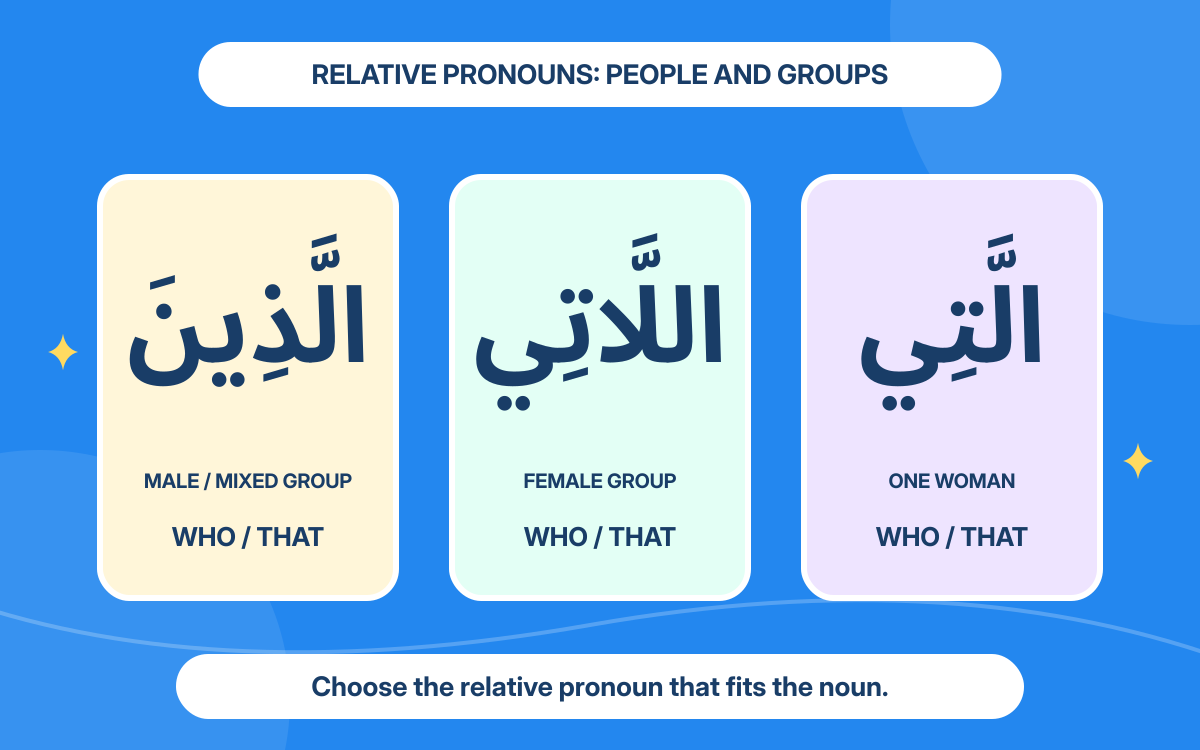
For definite human groups of three or more, use alladhina for a male or mixed group and plural allati for an all-female group. Match the following clause to the people being described. Keep this separate from singular allati and the usual feminine singular agreement for plural things.
01Use alladhina for a male or mixed group
الَّذِينَ, alladhina, connects a definite male or mixed human plural noun to its description. Compare the singular alladhi with this plural form.
الطُّلَّابُ الَّذِينَ كَتَبُوا
attullabu lladhina katabu
The students who wrote — a male or mixed group; a phrase
Katabu means they wrote, for a male or mixed group. Its waw marks the plural doer. The relative clause “who wrote” identifies the students. The whole phrase still needs main information to make a complete sentence.
02Use plural allati for an all-female group
For the female students, use اللَّاتِي. This plural form has two written lam letters and a long a after them. Singular الَّتِي has one written lam, with shaddah, and no alif after it.
الطَّالِبَاتُ اللَّاتِي كَتَبْنَ
attalibatu llati katabna
The female students who wrote — a phrase
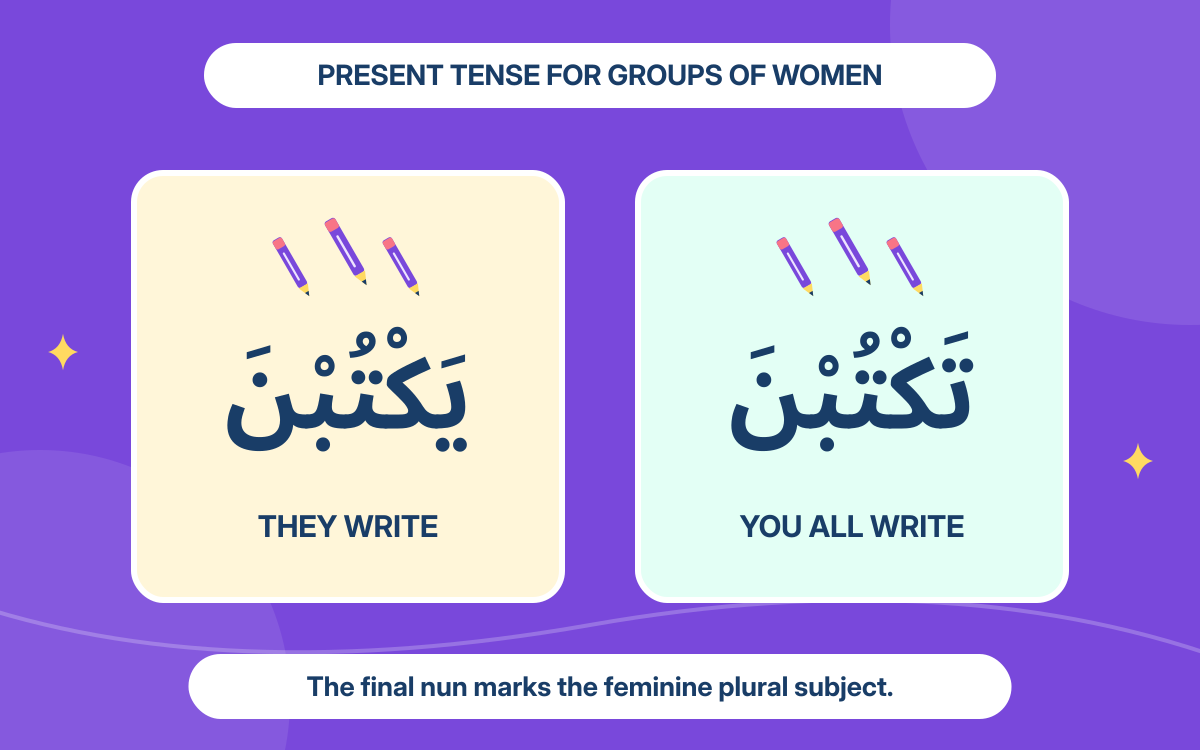
Katabna means they wrote for an all-female group. The nun is their subject ending. The male or mixed plural katabu does not match these female students.
03Keep the plural subject inside the clause
In our examples, the doer inside the relative clause is a plural pronoun referring back to the students. Keep the corresponding plural verb ending; do not change katabu into singular kataba just because a verb follows alladhina.
الطُّلَّابُ الَّذِينَ كَتَبُوا حَاضِرُونَ
attullabu lladhina katabu hadiruna
The students who wrote are present. — male or mixed group
The waw in katabu supplies the link back to the students. Hadiruna gives the main information: they are present. No additional hum is needed in this relative clause.
04Use singular allati for plural things
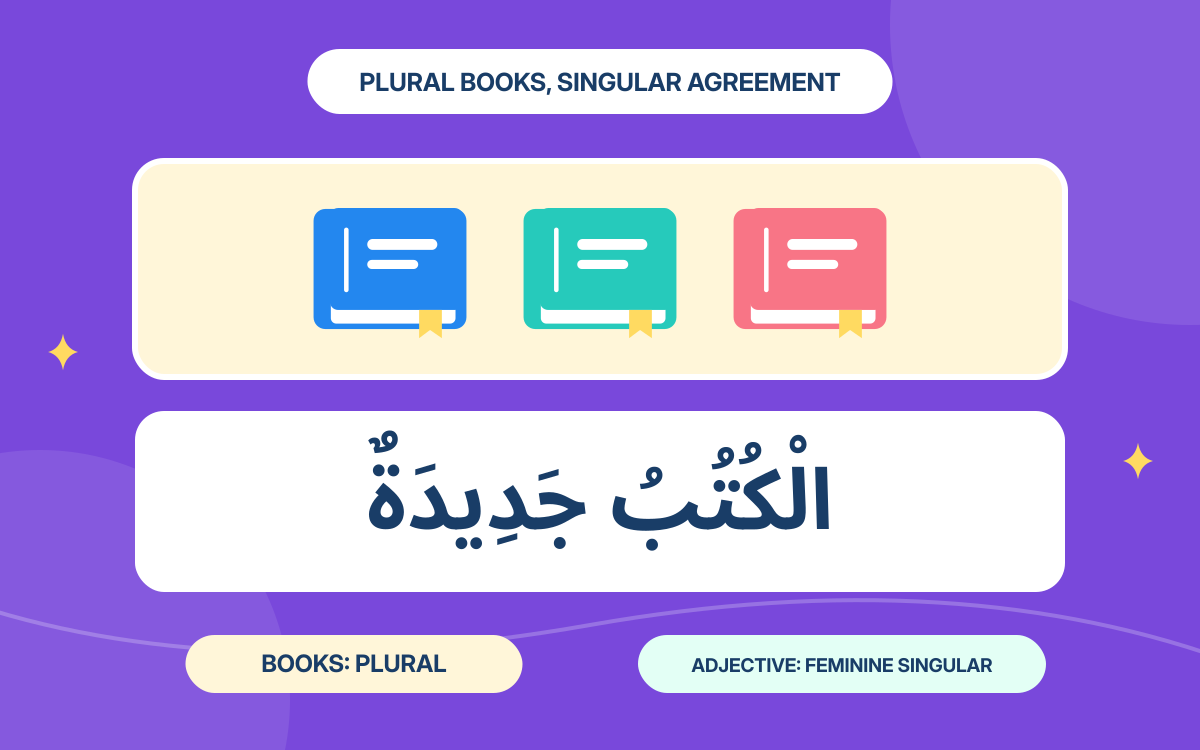
For ordinary plural things, use the usual feminine singular agreement. The books take singular الَّتِي, even though books is plural in English.
الْكُتُبُ الَّتِي هِيَ عَلَى الْمَكْتَبِ
alkutubu llati hiya ala lmaktabi
The books that are on the desk — a phrase
Hiya refers back to the books with feminine singular agreement. The human plural forms alladhina and اللَّاتِي are not the ordinary forms for these books. Check whether the group consists of people before choosing a plural human relative.
05Separate the description from the main information
Build a complete sentence by putting the definite noun first, its relative form and matching clause next, then the main predicate.
الطَّالِبَاتُ اللَّاتِي كَتَبْنَ حَاضِرَاتٌ
attalibatu llati katabna hadiratun
The female students who wrote are present.
The relative clause identifies which students; hadiratun says that they are present. Both the verb ending and the main predicate match the all-female group. Our plain Latin aids simplify long vowels; use the marked Arabic to distinguish singular الَّتِي from plural اللَّاتِي.
What to remember
- Alladhina refers to a male or mixed human plural; plural allati refers to an all-female human plural.
- The plural verb ending inside these clauses supplies a matching subject and a link back to the people.
- Singular allati is also the usual relative for plural things; plural allati has a different written form.
Your reference shelf
Open a guide whenever you need it.
Compare the people and things in this guideHuman plural forms, singular allati and the linking subject
| Noun described | Relative | Matching link in our clause |
|---|---|---|
| Male or mixed students | الَّذِينَ | كَتَبُوا — they wrote |
| Female students | اللَّاتِي | كَتَبْنَ — they wrote |
| One female student | الَّتِي | كَتَبَتْ — she wrote |
| Books, plural things | الَّتِي | هِيَ عَلَى الْمَكْتَبِ — they are on the desk |
You will also meet اللَّائِي for a female human plural. This is another correct relative form; our exercises practise اللَّاتِي. The human plural forms taught here remain fixed in shape when their grammatical position changes. They are not the dual relative forms.
The relative clause is صِلَةُ الْمَوْصُولِ. It must contain a link to the relative’s referent. Here that link is the subject waw in katabu, the subject nun in katabna, or the explicit hiya in the book example. The clause describes the noun; the main predicate completes the larger statement.
Our readings follow the connected forms: after a preceding vowel, the joining vowel at the start of the relative drops, producing lladhina or llati. Plain Latin simplifies vowel length. Singular الَّتِي has short a before ti; plural اللَّاتِي has long a. The fully marked Arabic distinguishes them even though our simplified aid writes llati for both.
Sources & further learning
References for the language explanations and learning guidance.