“Three books” introduces a count. “The three books” identifies a particular group. Arabic can put the definite plural noun first and its number after it. This small change creates a useful description, with different case relationships from the familiar number first construction.
01Name the group, then its size
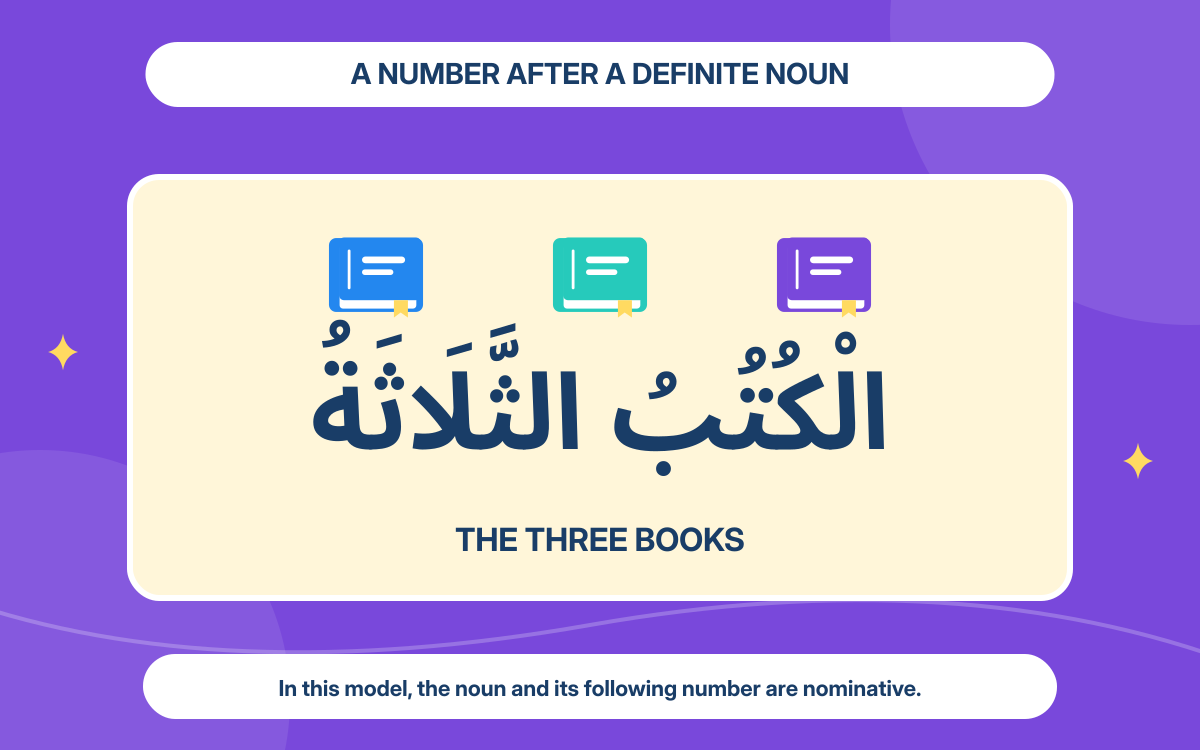
Put the definite plural noun first. The following cardinal number describes how many items belong to that group. It is definite too.
الْكُتُبُ الثَّلَاثَةُ
alkutubu ththalathatu
The three books
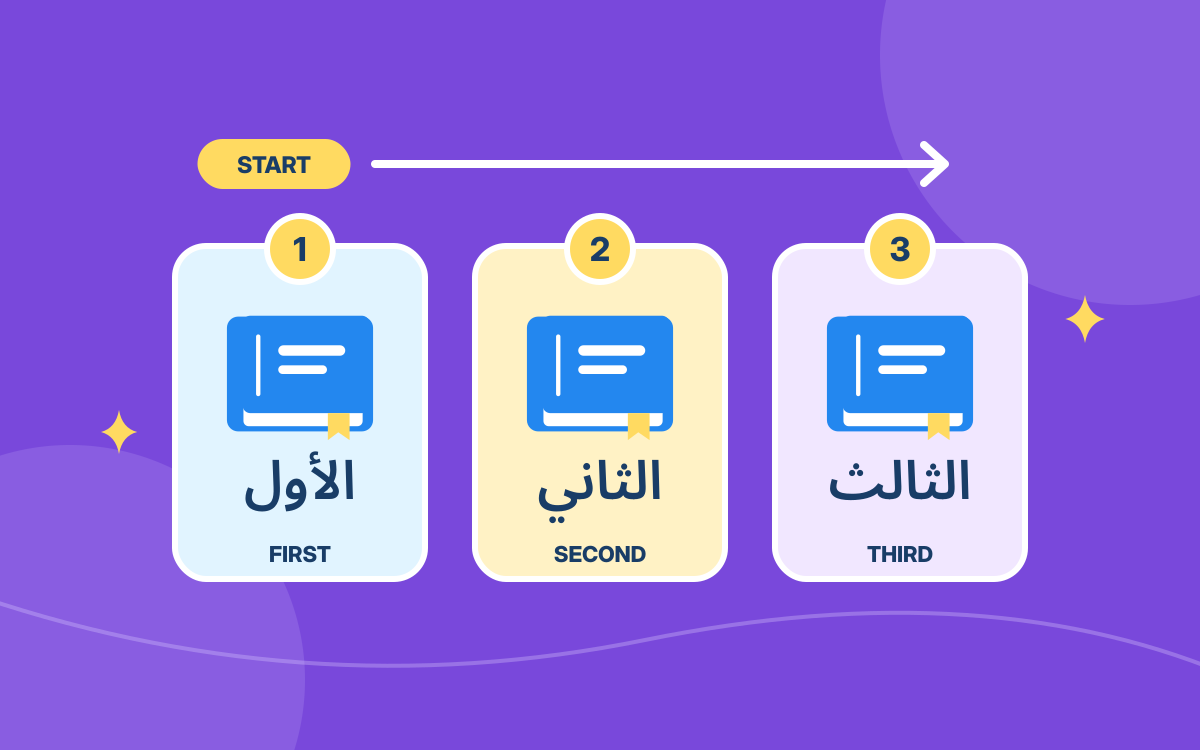
This means three particular books together. It does not mean “the third book.” That uses the ordinal الْكِتَابُ الثَّالِثُ (alkitabu ththalithu), which identifies one book by its position.
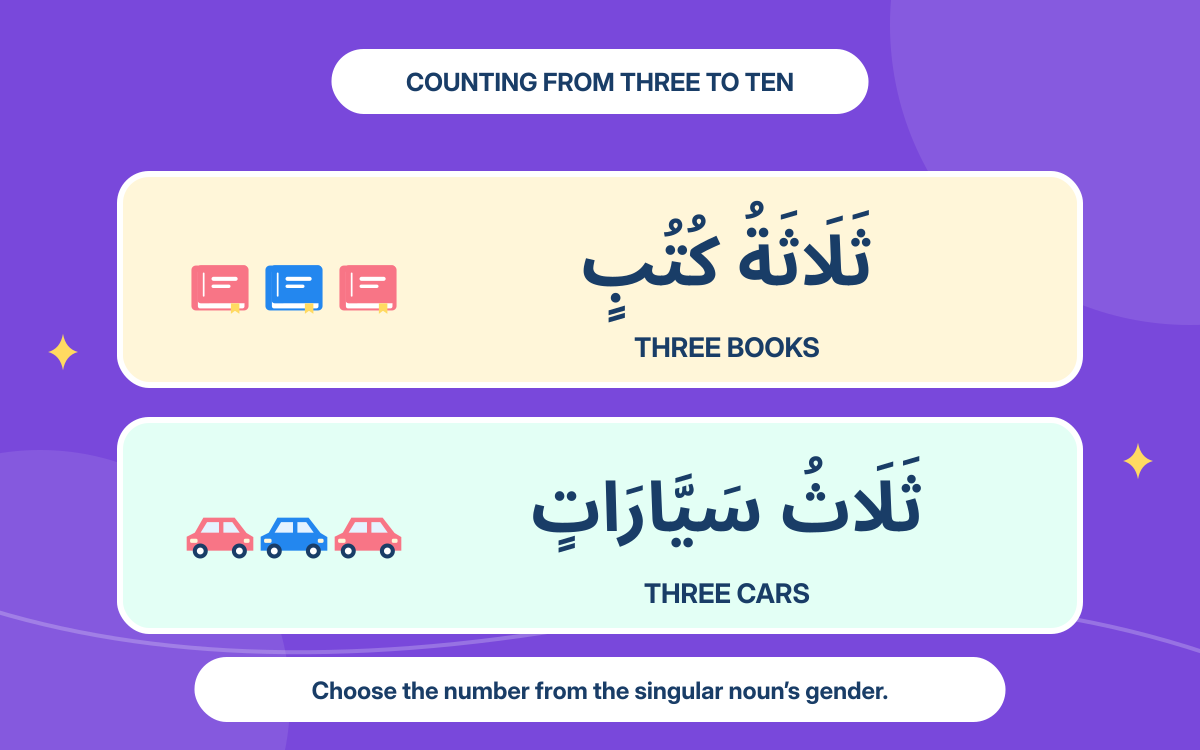
For comparison, ثَلَاثَةُ كُتُبٍ (thalathatu kutubin) means “three books,” without identifying a particular group.
02Practise the usual gender pattern
For our three to ten examples, keep the familiar gender opposition based on the singular noun: masculine كِتَابٌ uses thalatha, while feminine سَيَّارَةٌ uses thalath.
السَّيَّارَاتُ الثَّلَاثُ
assayyaratu ththalathu
The three cars
A following number can also use an agreeing gender form; grammarians allow that alternative. We practise the usual polarity forms here. Both words take ال, and the number matches the noun’s case. Our nominative examples end in u, without tanween.
03Change both endings together
As a direct object, this definite group is accusative. After fi, it is genitive. The number follows the noun into the same case.
قَرَأْتُ الْكُتُبَ الثَّلَاثَةَ
qaratu lkutuba ththalathata
I read the three books
فِي الْكُتُبِ الثَّلَاثَةِ
fi lkutubi ththalathati
In the three books
With these regular words, the paired endings are u in the nominative, a in the accusative and i in the genitive. Do not leave the number nominative after the noun has changed case.
04Compare the number first construction
In the basic number first count, the number and plural noun form an idafa. The number has no tanween, and the noun after it is genitive.
ثَلَاثَةُ كُتُبٍ
thalathatu kutubin
Three books
Compare this with الْكُتُبُ الثَّلَاثَةُ: noun first, both definite, same case. There, kutubu is not genitive merely because three is nearby. Identify the construction before choosing endings.
05Read the whole phrase
Check three things: a particular group or an indefinite count? Noun first or number first? Which case does the sentence require? Keep cardinal “three” separate from ordinal “third.”
قَرَأْتُ الْكُتُبَ الثَّلَاثَةَ
qaratu lkutuba ththalathata
I read the three books
This article practises simple following numbers from three to ten. Larger numbers have additional rules. Our reading aids show connected formal endings; ththalathata reflects the sun letter after the preceding vowel. They do not mark vowel length.
What to remember
- A definite plural noun can come before its definite cardinal number to identify a particular group.
- The following number matches the noun’s case; our examples practise the usual gender polarity forms.
- الْكُتُبُ الثَّلَاثَةُ means the three books; الْكِتَابُ الثَّالِثُ means the third book.
Your reference shelf
Open a guide whenever you need it.
One group across three casesCompare case agreement and keep the two counting constructions apart
| Case | Phrase |
|---|---|
| Nominative | الْكُتُبُ الثَّلَاثَةُ |
| Accusative | الْكُتُبَ الثَّلَاثَةَ |
| Genitive | الْكُتُبِ الثَّلَاثَةِ |
The following cardinal functions as a description, called نَعْتٌ. Case and definiteness agree. Gender opposition is the common model practised here; an agreeing gender form is also permitted when the number follows its noun.
Do not transfer the plural genitive requirement of ثَلَاثَةُ كُتُبٍ into this noun first construction. Nor should you extend this small chart to every compound number. Eight has additional form details covered in its own article.
Sources & further learning
References for the language explanations and learning guidance.