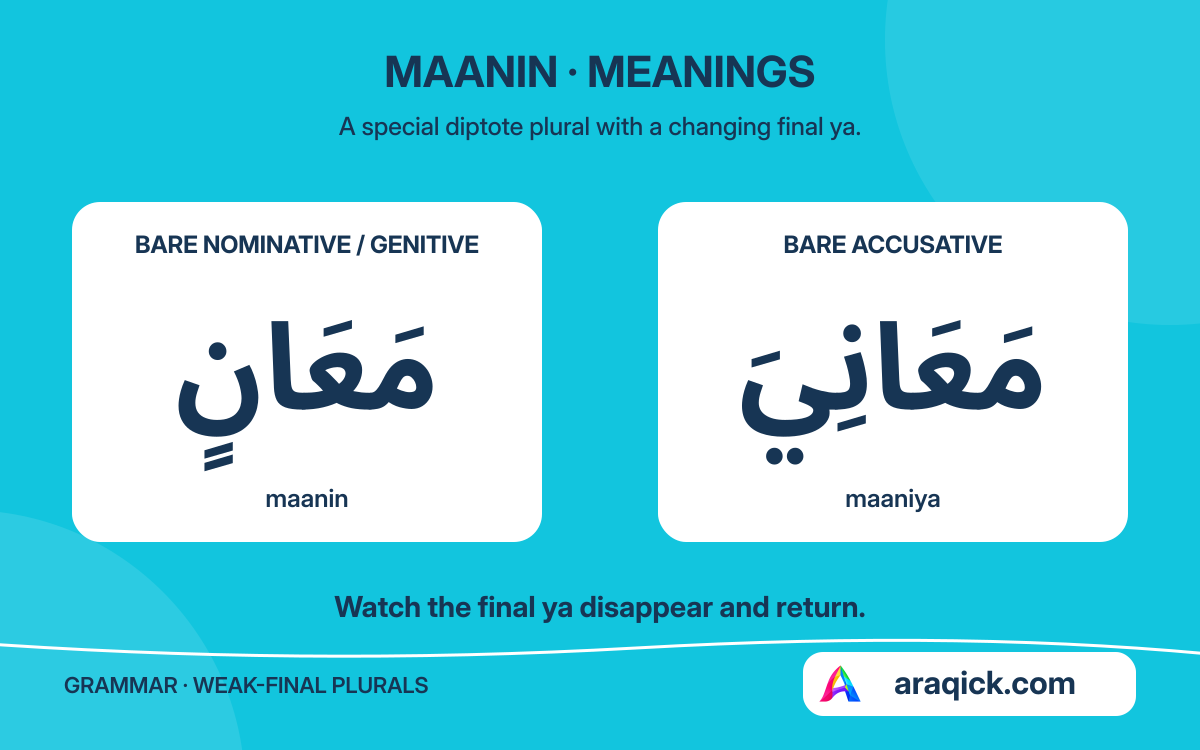
Maanin means meanings, and layalin means nights. Both belong to a special weak-final group of diptote plurals. They lose their final ya in the bare nominative and genitive and show a compensatory tanwin. In the accusative, ya returns with a single fathah. The visible in ending does not identify the case.
01Recognize a nominative form ending in in
لِلنَّصِّ مَعَانٍ دَقِيقَةٌ
linnassi maanin daqiqatun
The text has subtle meanings.
Maanin is the delayed nominative subject after the introductory phrase linnassi. Its final written ya is omitted. The nominative dammah is estimated on that omitted ya, not visibly placed after nun.
The ending is written with kasrah tanwin, but the noun is not genitive. Daqiqatun is a nominative adjective; its feminine singular form agrees with the nonhuman plural. Start with ordinary manqus nouns if disappearing ya is new.
02Restore ya in the accusative
اِكْتَشَفْتُ مَعَانِيَ دَقِيقَةً
iktashaftu maaniya daqiqatan
I discovered subtle meanings.
Maaniya is the accusative object of iktashaftu. The final ya returns, bearing a single fathah. There is no ordinary accusative tanwin after it because the plural belongs to the diptote class.
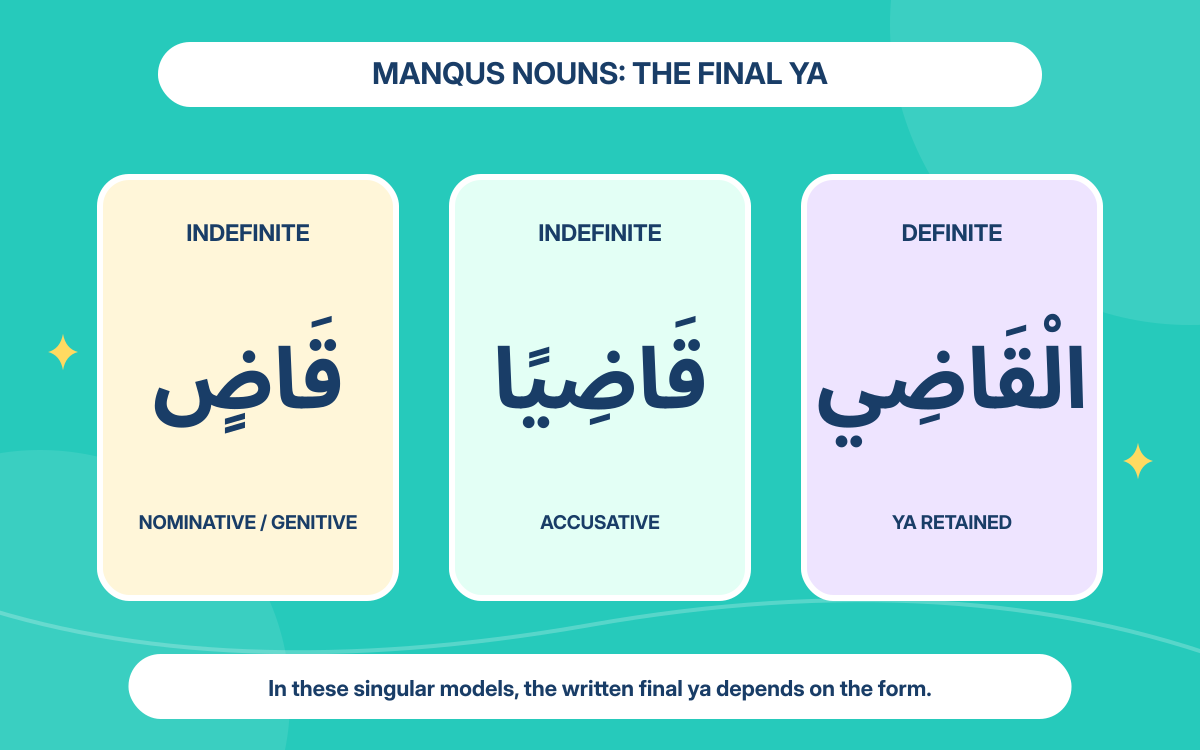
This differs from a regular singular manqus noun such as قَاضِيًا. Do not copy that singular tanwin onto مَعَانِيَ. Daqiqatan is a matching feminine singular accusative adjective.
03Keep the special genitive analysis
فَكَّرْتُ فِي مَعَانٍ دَقِيقَةٍ
fakkartu fi maanin daqiqatin
I thought about subtle meanings.
Fi makes maanin genitive. Its spelling matches the bare nominative, but the case is different. In the diptote analysis, the genitive sign here is an estimated fathah on the omitted ya.
The visible tanwin compensates for the omitted ya; it is not the ordinary declensional tanwin that would make the noun a regular triptote. The adjective daqiqatin takes its own ordinary genitive kasrah. Review diptote plurals for the usual genitive rule.
04Keep ya with al or an idafa complement
تَأَمَّلْتُ فِي مَعَانِي الرِّسَالَةِ
taammaltu fi maani arrisalati
I reflected on the meanings of the message.
Maani is the first noun of an idafa, so it keeps ya and has no tanwin. Because it is mudaf, its genitive sign after fi is an estimated kasrah, rather than the bare diptote’s estimated fathah.
With al, فِي الْمَعَانِي also retains ya and has estimated genitive kasrah. An accusative with al is الْمَعَانِيَ, showing fathah on ya. The definite article does not remove the word’s weak-final structure.
05Transfer the pattern to nights
قَضَيْنَا لَيَالِيَ هَادِئَةً
qadayna layaliya hadiatan
We spent quiet nights.
Layaliya has the same accusative ending pattern as maaniya: restored ya with a single fathah. Compare bare nominative or genitive لَيَالٍ, layalin, and definite اللَّيَالِي, allayali.
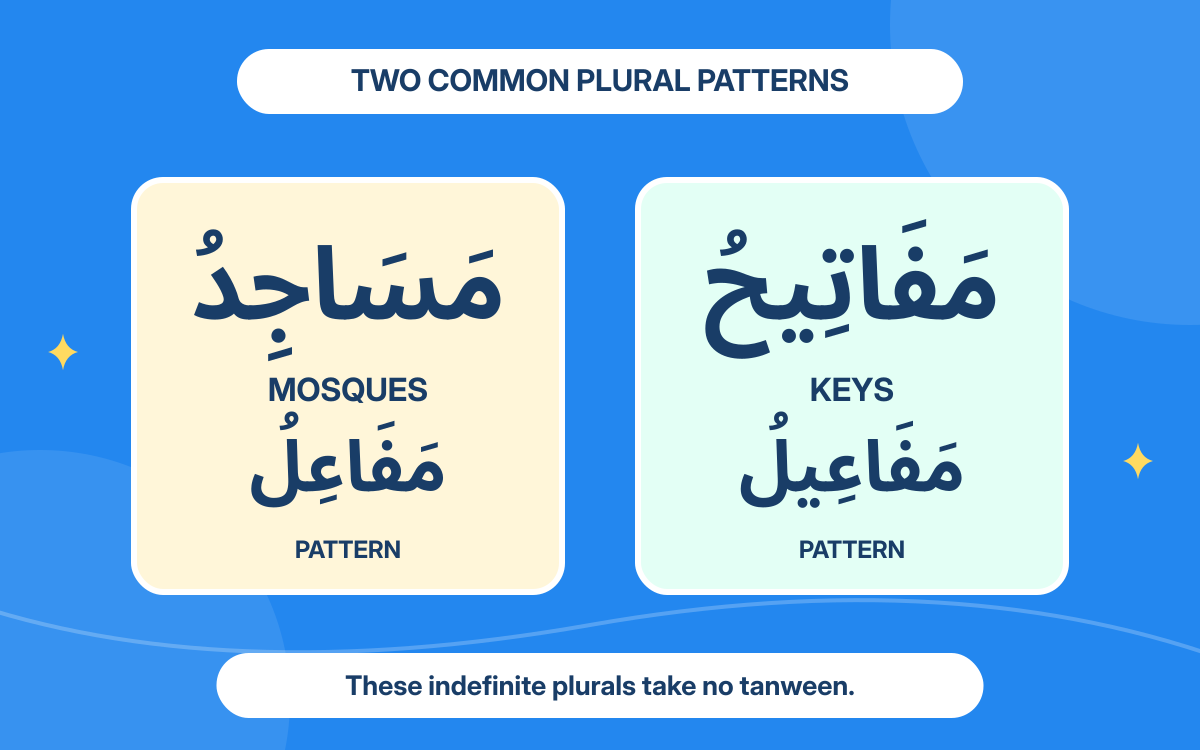
The singulars are مَعْنًى, a meaning, and لَيْلَةٌ, a night. Do not assume every broken plural or every word ending in in follows this special pattern. Identify the plural first, then its role. Plain reading aids simplify long vowels; the chart shows the spelling distinctions.
What to remember
- Bare maanin and layalin can be nominative or genitive despite the same spelling.
- The accusative restores ya with one fathah and no ordinary tanwin.
- Al and idafa keep ya and restore the ordinary estimated genitive kasrah.
Your reference shelf
Open a guide whenever you need it.
Meanings across three casesSeparate the bare plural from definite and idafa forms
| Case | Bare plural | With al | As first term of an idafa |
|---|---|---|---|
| Nominative | مَعَانٍ | الْمَعَانِي | مَعَانِي النَّصِّ |
| Accusative | مَعَانِيَ | الْمَعَانِيَ | مَعَانِيَ النَّصِّ |
| Genitive | مَعَانٍ | الْمَعَانِي | مَعَانِي النَّصِّ |
The bare genitive has estimated fathah. With al or as mudaf, the genitive has estimated kasrah. Nominative dammah is estimated throughout.
Compare meanings, nights and an ordinary manqus nounThe accusative makes the diptote difference especially clear
| Word | Bare nominative / genitive | Bare accusative | With al — nominative / genitive |
|---|---|---|---|
| Meanings | مَعَانٍ | مَعَانِيَ | الْمَعَانِي |
| Nights | لَيَالٍ | لَيَالِيَ | اللَّيَالِي |
| Judge — ordinary singular | قَاضٍ | قَاضِيًا | الْقَاضِي |
The singular qadin is included only for contrast; it does not follow the diptote plural’s accusative and genitive rules.
Sources & further learning
References for the language explanations and learning guidance.