One small change can turn “the new book” into “the book is new.” In the first expression, “new” helps identify the book. In the second, it tells us something about the book. Arabic uses the adjective’s definiteness to make this useful beginner contrast clear.
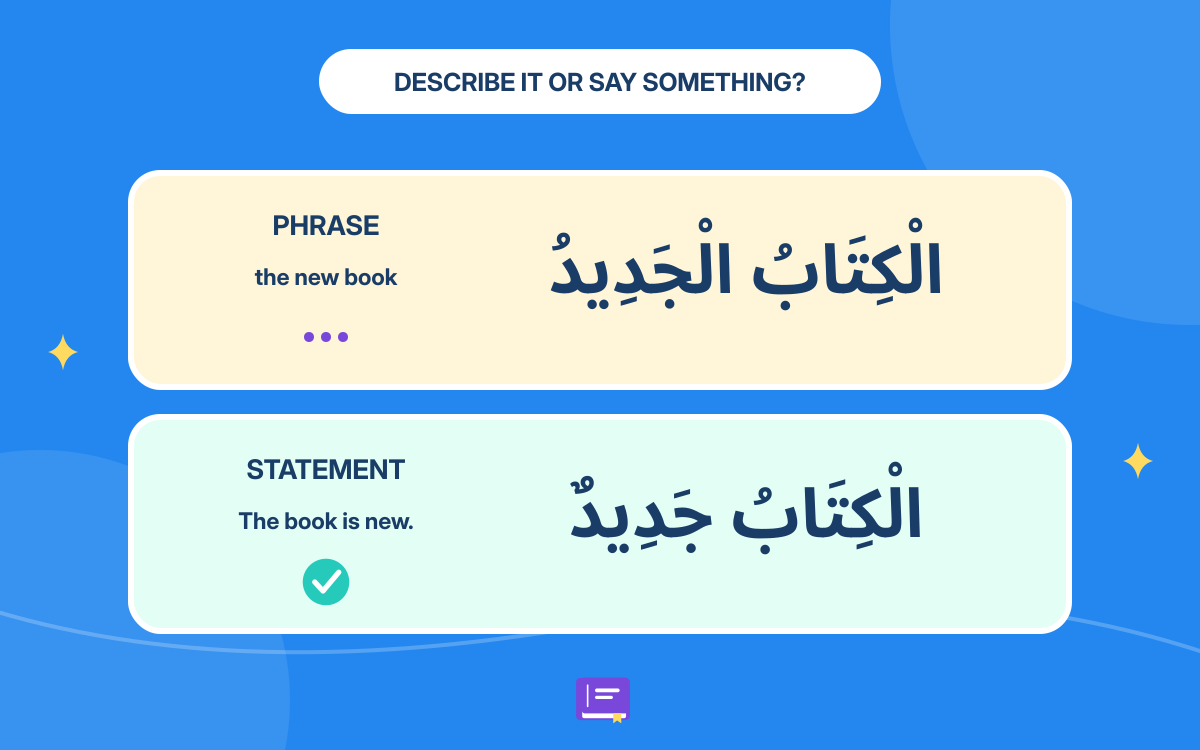
01Name the thing: the new book
الْكِتَابُ الْجَدِيدُ
alkitabu ljadidu
The new book
Both words have ال. Aljadidu is an adjective inside the noun phrase, matching the definite noun alkitabu. The phrase identifies which book we mean. By itself, it does not say what the book is doing or give a complete statement about it.
02Tell us something: the book is new
الْكِتَابُ جَدِيدٌ
alkitabu jadidun
The book is new.
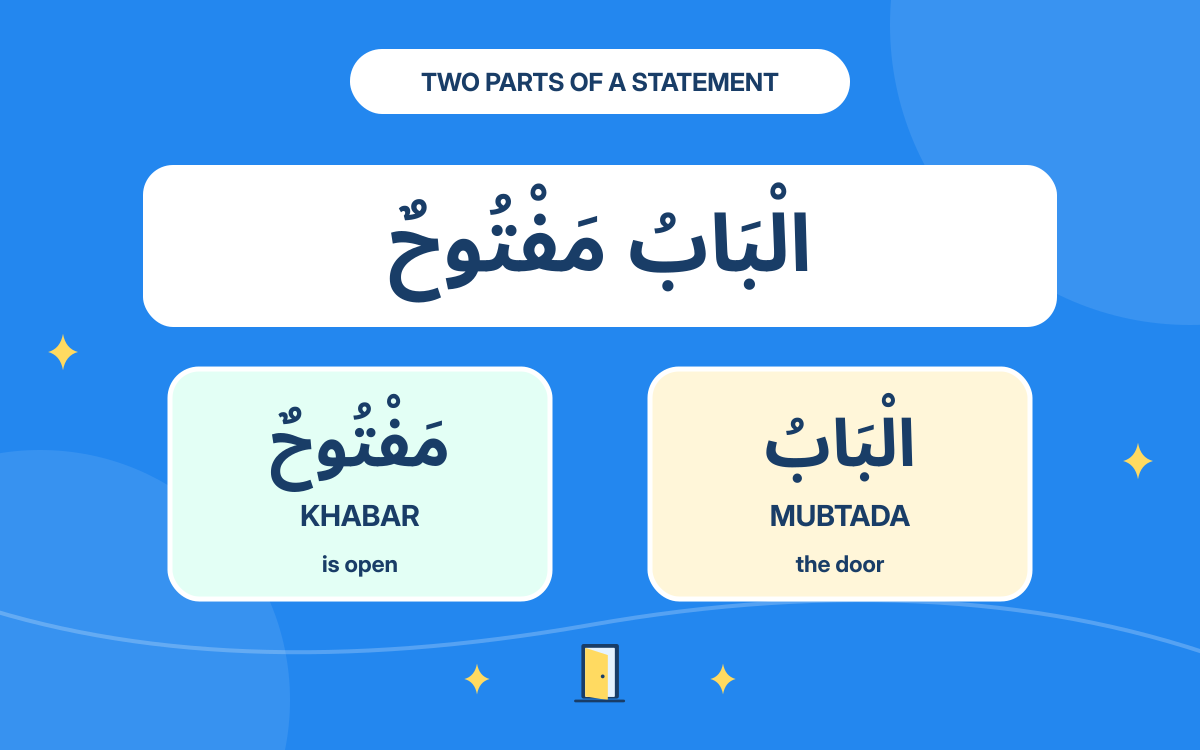
Now jadidun has no ال. It gives the information about alkitabu, the subject or topic. Its job is predicate, called khabar. Arabic needs no separate word for “is” in this ordinary present nominal sentence.
Compare the meanings aloud in English before changing the Arabic. Are you naming the new book, or telling someone that the book is new? The words share a topic, but they perform different jobs.
03Try the change with a bag
الْحَقِيبَةُ الْجَدِيدَةُ
alhaqibatu ljadidatu
The new bag
الْحَقِيبَةُ جَدِيدَةٌ
alhaqibatu jadidatun
The bag is new.
The feminine form remains in both examples because haqiba is feminine. The difference we are testing is definiteness: aljadidatu helps identify the bag, while jadidatun states a quality of it.
The final u or un forms shown here are nominative. A final vowel alone cannot tell you whether a word is an adjective or a predicate. Look at the whole structure and intended meaning.
04Put a phrase inside a statement
الْكِتَابُ الْجَدِيدُ مُفِيدٌ
alkitabu ljadidu mufidun
The new book is useful.
Aljadidu still describes the book inside the subject phrase. Mufidun, “useful,” supplies the predicate. We now have both a noun phrase and a complete statement containing it.
Group “the new book” together first. Then ask what the sentence says about that book: it is useful. Adding a second descriptive word does not automatically make both words adjectives in the same phrase; each has its own role.
05Use the contrast with care
In our simple pattern, a definite noun followed by its matching definite adjective forms a phrase. A definite subject followed by an indefinite adjective as predicate forms a statement. This is a useful reading pattern, not a rule that every Arabic predicate must be indefinite.
For example, هُوَ الْمُدَرِّسُ (huwa lmudarrisu) means “He is the teacher.” Its predicate is definite. Context and structure matter beyond the particular contrast practised here.
When reading without vowel marks, the presence or absence of ال is still visible. These examples keep full formal endings for study; pause pronunciation may drop the final ending. First decide whether you are identifying a thing or making a statement about it.
What to remember
- الْكِتَابُ الْجَدِيدُ names “the new book”; الْكِتَابُ جَدِيدٌ states “The book is new.”
- A complete sentence can contain a descriptive noun phrase and a separate predicate.
- Read the word’s role; this beginner contrast does not make all predicates indefinite.
Your reference shelf
Open a guide whenever you need it.
Phrase or statement comparisonReview three book expressions and the limits of the pattern
| Arabic | Meaning | Role of new |
|---|---|---|
| كِتَابٌ جَدِيدٌ | A new book | Adjective in an indefinite phrase |
| الْكِتَابُ الْجَدِيدُ | The new book | Adjective in a definite phrase |
| الْكِتَابُ جَدِيدٌ | The book is new. | Predicate of a nominal sentence |
These phrase examples use nominative citation forms. Inside a sentence, a noun phrase may instead be accusative or genitive; its adjective then follows its noun’s case. An adjective phrase is not identified by u endings alone.
A phrase can serve as a short answer when context supplies the missing information. That does not turn the phrase’s internal adjective into a predicate. We are comparing the ordinary standalone structures before adding that conversational context.
A nominal predicate can be definite, a location expression or a larger clause. Do not apply the “no ال on new” shortcut to every kind of predicate.
Sources & further learning
References for the language explanations and learning guidance.