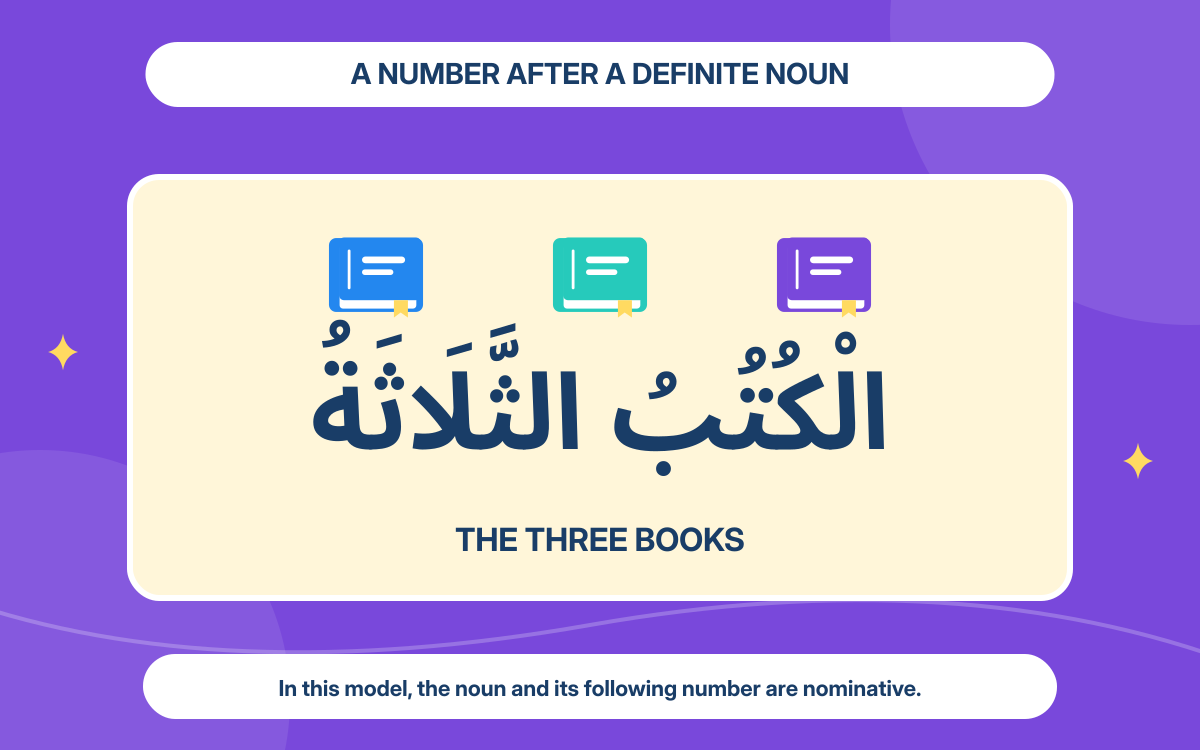
Knowing the Arabic word for three is only the first step. To say “three books,” you also choose the number’s gender form and the noun’s plural ending. For ordinary counts from three to ten, these pieces follow one useful pattern. Learn that pattern before moving to larger numbers.
01Start with the gender of one item
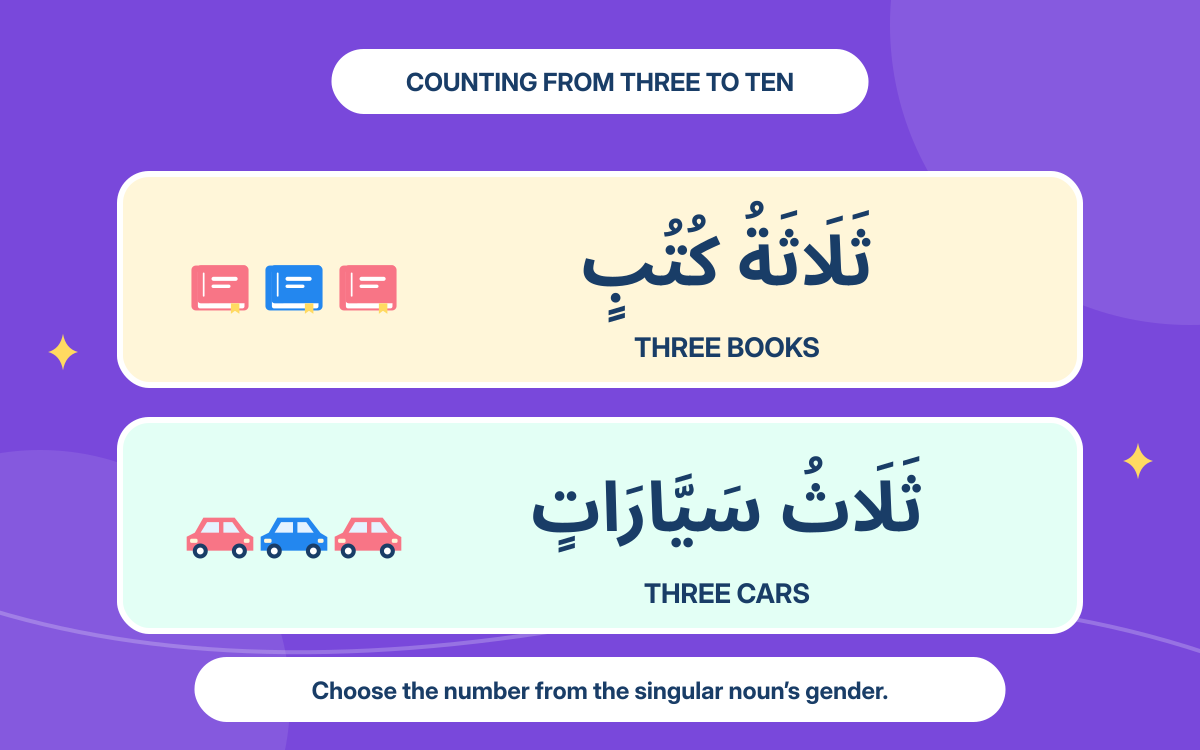
ثَلَاثَةُ كُتُبٍ
thalathatu kutubin
Three books
One book is كِتَابٌ, a masculine noun. From three to ten, the number uses the opposite gender form: here, ثَلَاثَةُ with ة. The counted noun comes after the number and is plural: kutub, “books.”
02Change the number for a feminine noun
ثَلَاثُ سَيَّارَاتٍ
thalathu sayyaratin
Three cars
One car is سَيَّارَةٌ, a feminine noun. The matching number phrase therefore uses the form without ة: ثَلَاثُ. This is gender opposition, not the ordinary agreement used by an adjective.
Always look back to the singular noun. A nonhuman plural may take a feminine singular adjective, but that agreement pattern does not decide the form of its number. Books still use the gender of singular kitab.
03Put the plural noun in the genitive
خَمْسَةُ أَقْلَامٍ
khamsatu aqlamin
Five pens
عَشْرُ حَقَائِبَ
ashru haqaiba
Ten bags
The number and counted noun form an idafa. In this basic pattern the number has no tanween, and the following plural is genitive. Regular aqlam ends in in. Haqaib, the plural of feminine haqiba, belongs to the diptote group and marks this genitive with a instead.
Genitive names a grammatical case; it does not guarantee that every word ends in kasrah. The diptote guide explains this particular ending.
04Let the number’s own ending follow its job
عِنْدِي ثَلَاثَةُ كُتُبٍ
indi thalathatu kutubin
I have three books
قَرَأْتُ ثَلَاثَةَ كُتُبٍ
qaratu thalathata kutubin
I read three books
بِثَلَاثَةِ كُتُبٍ
bithalathati kutubin
With three books
The number is nominative in the first example, accusative as the object in the second, and genitive after bi in the third. Its ending changes from u to a to i. Kutubin stays genitive in all three because it remains the second noun of the idafa.
A memorised number list cannot supply the right ending for every sentence.
05Check the phrase in a fixed order
First identify what one item is called and whether that singular noun is masculine or feminine. Next choose the opposite gender form of the number. Then supply the noun’s plural in the genitive. Finally, choose the number’s own case from its role in the sentence.
Our examples show full formal endings, including the pronounced t of ة inside the phrase. The simple reading aids do not mark vowel length. Use the written Arabic to keep the number and its ending clear.
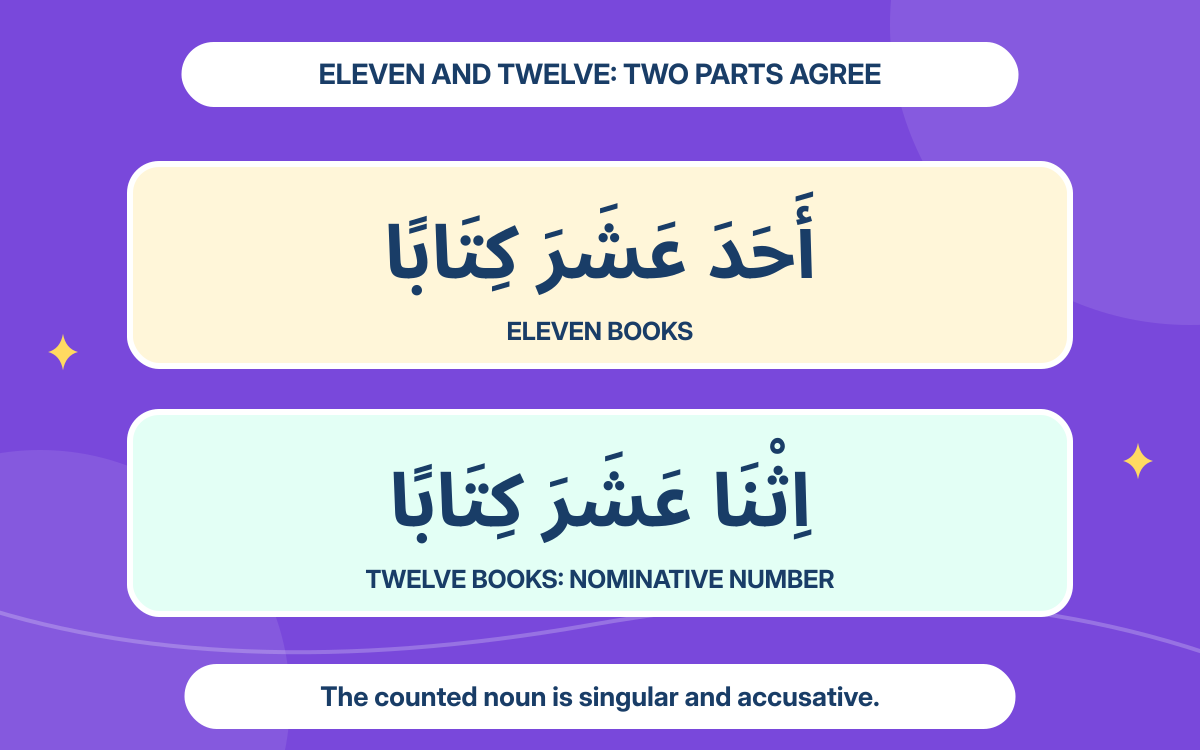
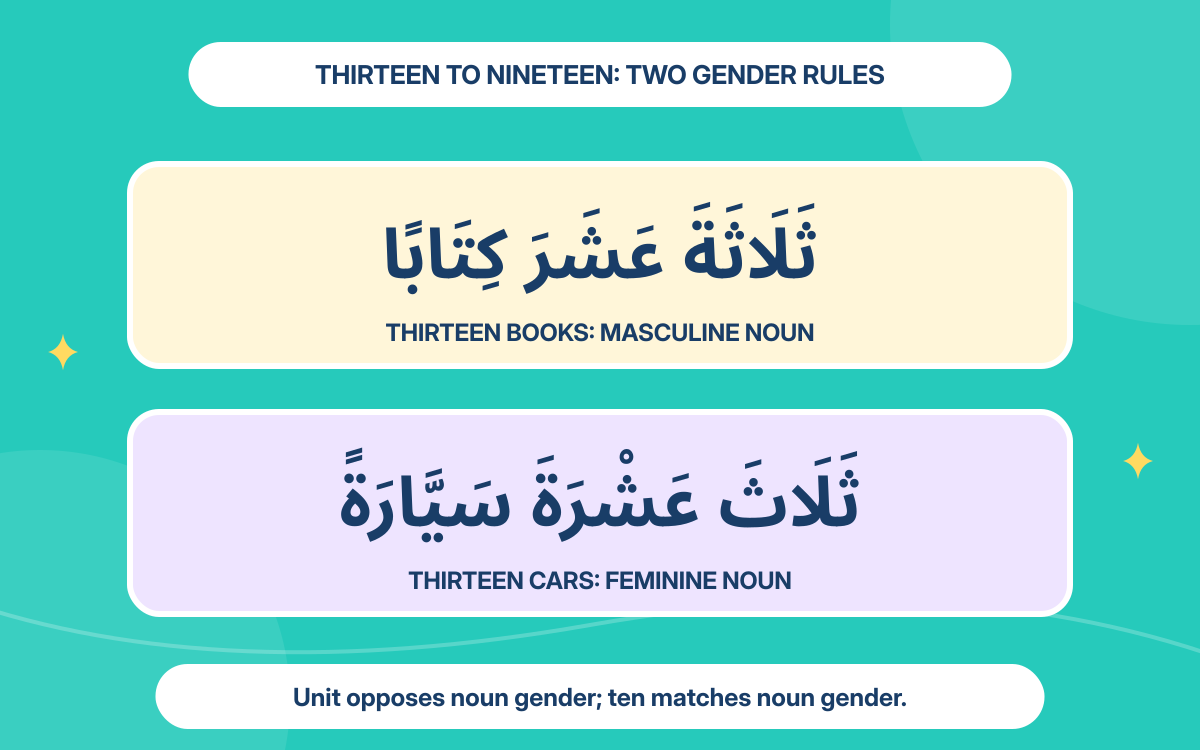
This lesson covers the basic number first construction for three to ten. One and two normally agree with their nouns; eleven and higher bring different patterns. Do not extend today’s rule to every number.
What to remember
- For three to ten, choose the number form opposite to the gender of the noun’s singular.
- In the basic number first pattern, the counted noun is plural and genitive.
- The number has no tanween in this idafa, and its own case depends on its role in the sentence.
Your reference shelf
Open a guide whenever you need it.
Three numbers, two gender formsCompare books and cars without losing the case rule
| Number | Books: singular masculine | Cars: singular feminine |
|---|---|---|
| 3 | ثَلَاثَةُ كُتُبٍ | ثَلَاثُ سَيَّارَاتٍ |
| 5 | خَمْسَةُ كُتُبٍ | خَمْسُ سَيَّارَاتٍ |
| 10 | عَشَرَةُ كُتُبٍ | عَشْرُ سَيَّارَاتٍ |
The number is called عَدَدٌ and the thing counted is the مَعْدُودٌ. The table deliberately shows nominative numbers. Replace their final u with the appropriate case ending when the sentence requires it.
Eight before a feminine counted noun has additional spelling and case details, so practise the clear three, five and ten pairs first. The range rule still applies; a single chart of unchanging English style number words would hide those details.
The supporting noun in عَشْرُ حَقَائِبَ is genitive even though its diptote ending is fathah. This does not change the number’s gender rule.
Sources & further learning
References for the language explanations and learning guidance.