Finding an object and identifying its owner are different tasks. Liman asks “belonging to whom?” In an ownership question, natural English often uses “whose.” Start with a book, then ask about a bag or a car and choose a reply that identifies the owner.
01Ask about the owner
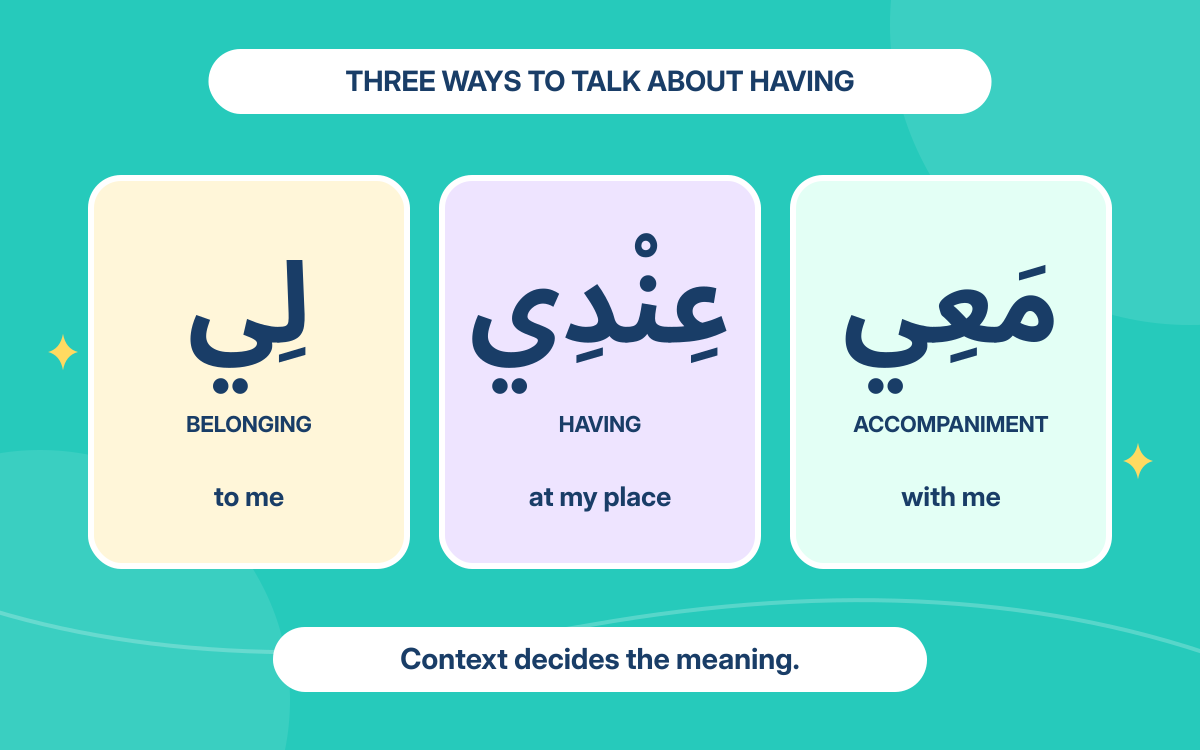
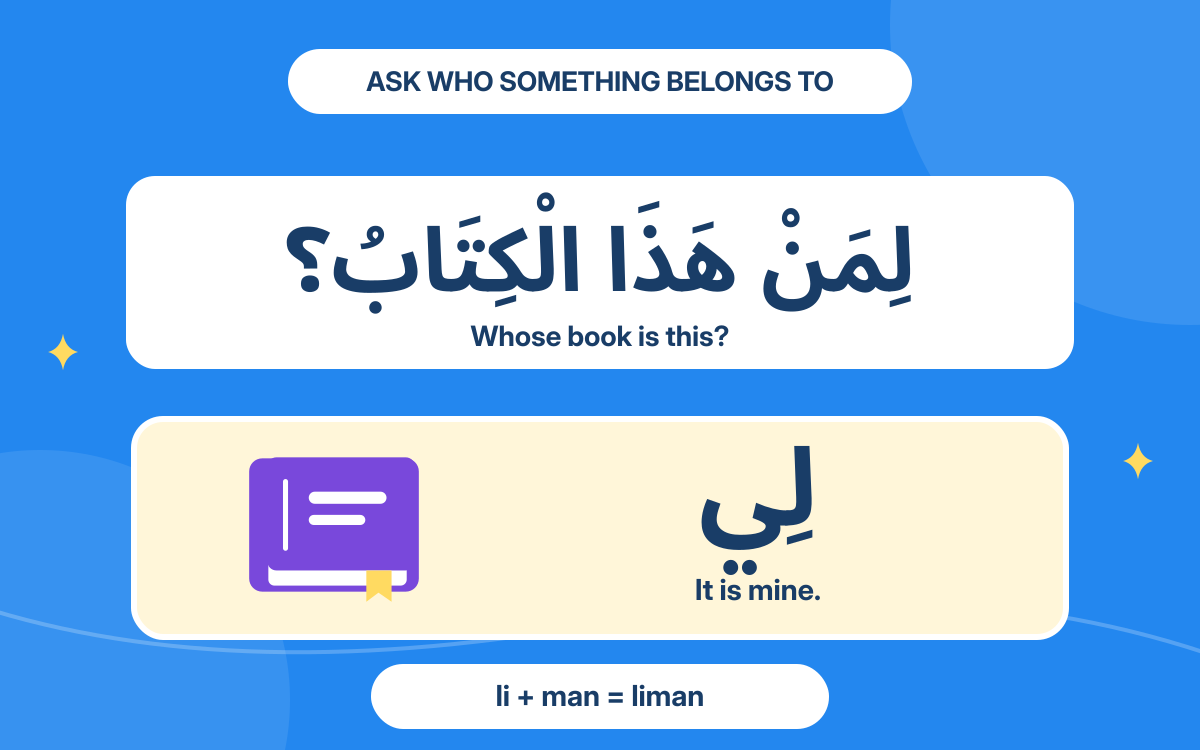
لِمَنْ (liman) combines the preposition li with man, “who.” Here li expresses belonging. The question asks for the owner rather than the object’s name.
لِمَنْ هَذَا الْكِتَابُ؟
liman hadha lkitabu
Whose book is this?
A literal guide is “To whom does this book belong?” A person’s name or a reply such as “mine” answers the ownership question.
02Match this to the object
لِمَنْ هَذِهِ الْحَقِيبَةُ؟
liman hadhihi lhaqibatu
Whose bag is this?
Use hadhihi because حَقِيبَةٌ, “a bag,” is grammatically feminine. Hadha matches the masculine noun kitab, “book.” This choice describes the object’s gender, regardless of who owns it. A man can own the bag, and a woman can own the book.
03Name the owner with li
هَذِهِ الْحَقِيبَةُ لِمُحَمَّدٍ
hadhihi lhaqibatu limuhammadin
This bag belongs to Muhammad.
The preposition li attaches to the name. The ordinary declinable name مُحَمَّدٌ takes the genitive ending here: لِمُحَمَّدٍ. The bag remains nominative; li governs its following name, rather than every noun in the sentence.
04Answer mine, his or hers
هَذَا الْكِتَابُ لِي
hadha lkitabu li
This book is mine.
هِيَ لَهُ
hiya lahu
It is his. — about the bag
هُوَ لَهَا
huwa laha
It is hers. — about the book
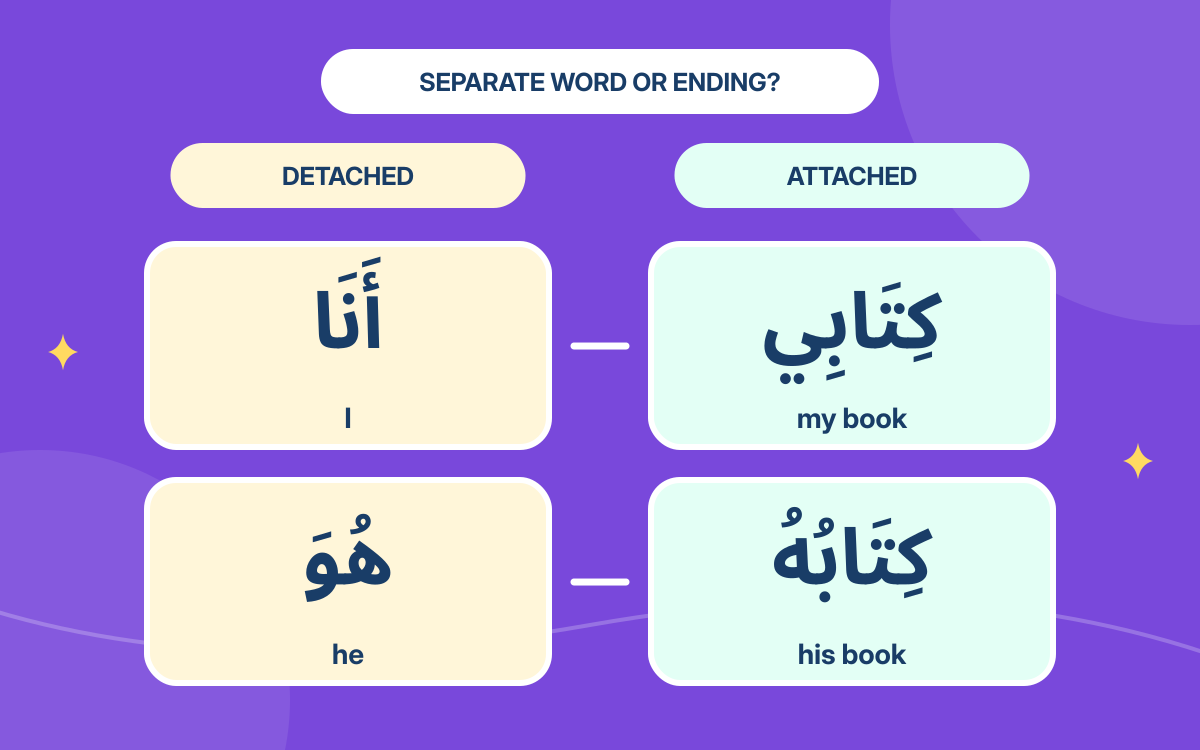
Li identifies the speaker as owner; lahu identifies a male owner; laha identifies a female owner. In the short replies, hiya refers to the feminine bag and huwa to the masculine book. The pronoun referring to the object and the owner expression can therefore have different genders.
05Address the owner with yours
الْكِتَابُ لَكَ
alkitabu laka
The book is yours. — to one man
الْكِتَابُ لَكِ
alkitabu laki
The book is yours. — to one woman
The last vowel changes with the listener: laka addresses one man and laki addresses one woman. Notice that the preposition has a short a in these forms, lahu and laha. The speaker form li keeps its i.
لِمَنْ هَذِهِ السَّيَّارَةُ؟ هِيَ لِي
liman hadhihi ssayyaratu hiya li
Whose car is this? It is mine.
Sayyarah, “car,” is feminine, so hadhihi and hiya refer to it. Li still means mine whether the speaker is a man or a woman.
What to remember
- Liman asks belonging to whom; in an ownership context it introduces a whose question.
- Hadha, hadhihi, huwa and hiya match the object’s grammatical gender.
- Li, lahu, laha, laka and laki identify the owner: me, him, her or the listener.
Your reference shelf
Open a guide whenever you need it.
Five short ownership repliesReview owners and a connected-reading detail
| Arabic | Reading | Ownership reply |
|---|---|---|
| لِي | li | Mine |
| لَهُ | lahu | His |
| لَهَا | laha | Hers |
| لَكَ | laka | Yours — one man |
| لَكِ | laki | Yours — one woman |
The word مَنْ is fixed in form. In liman, it occupies a genitive position after li without acquiring a genitive case ending. When it directly precedes the definite article in connected speech, you may hear لِمَنِ الْكِتَابُ؟ (limani lkitabu), “Whose is the book?” The temporary i connects the consonants; it does not make man a declined word.
The main reading aids follow the connected models: hadha lkitabu and hadhihi lhaqibatu. They simplify Arabic sounds and vowel length, so use the Arabic text and listening practice alongside them.
Sources & further learning
References for the language explanations and learning guidance.