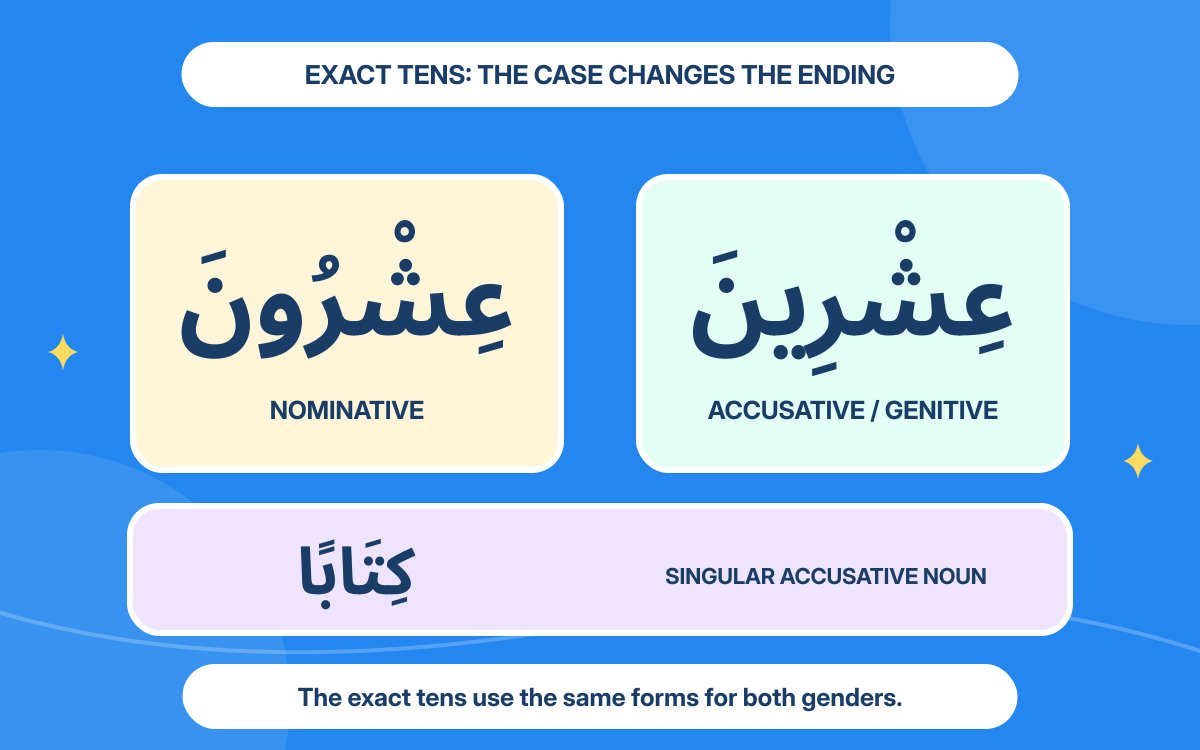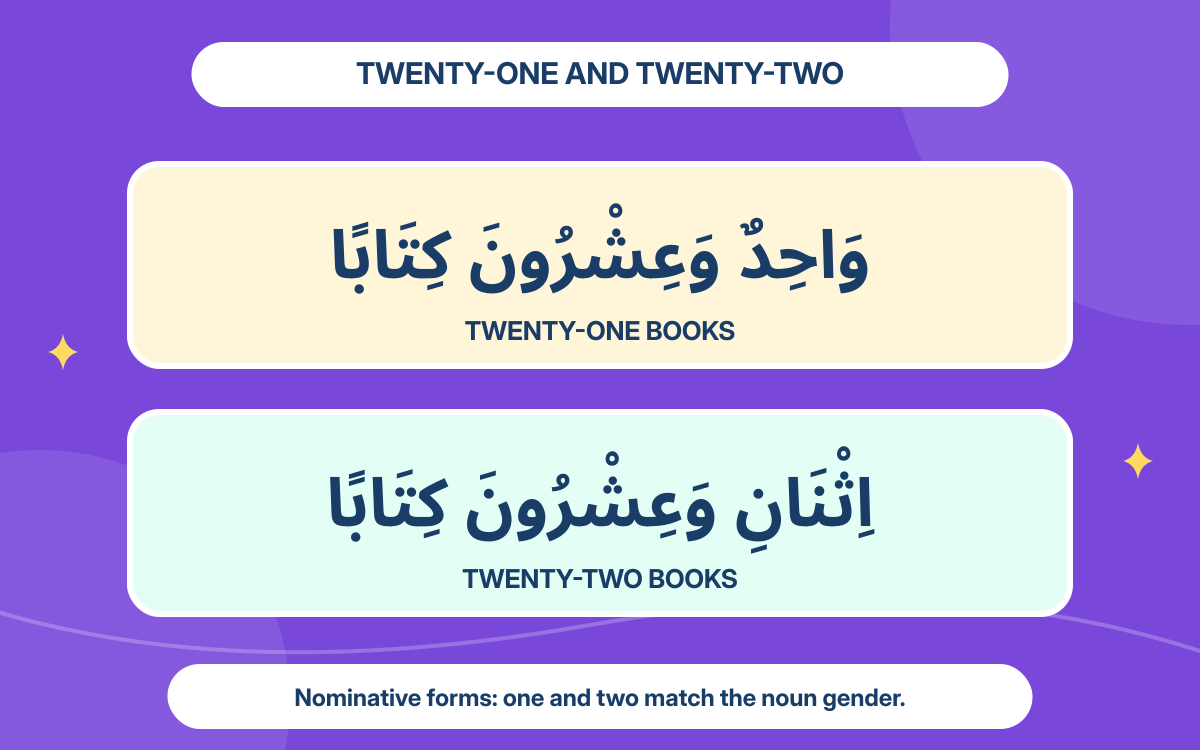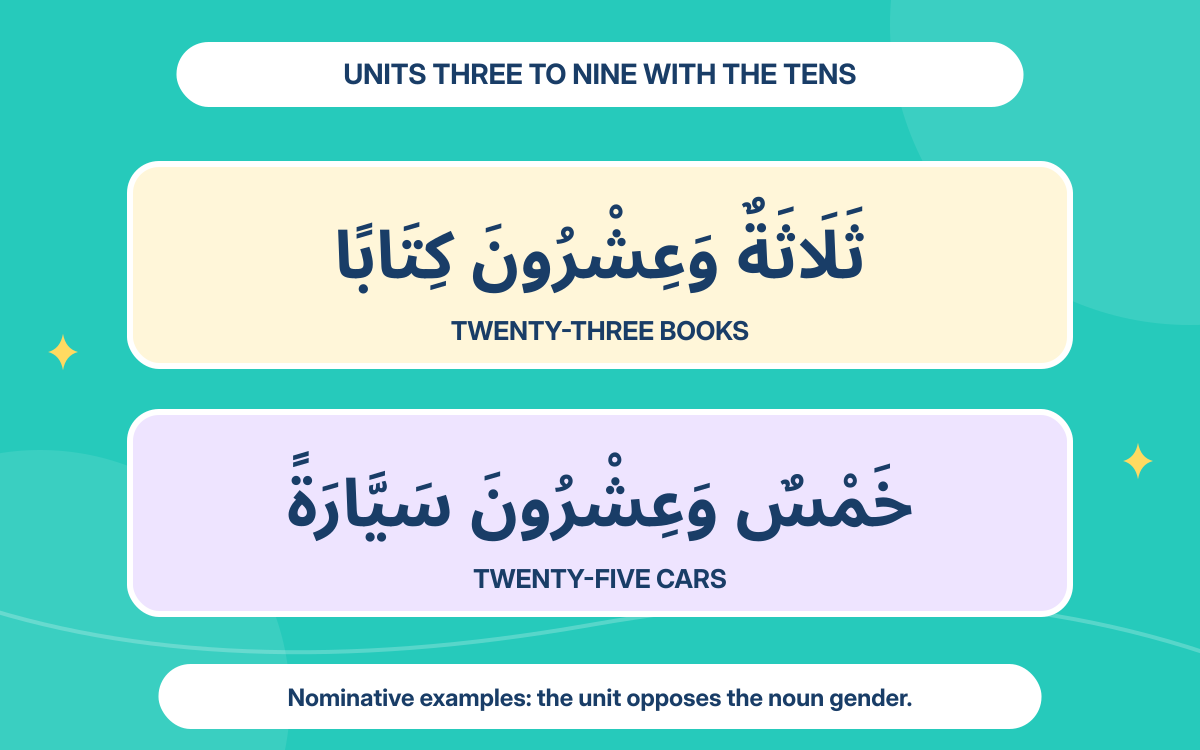
For numbers from 23 to 99 whose unit is three to nine, use the unit, wa and the tens. The unit takes the opposite grammatical gender from the counted noun. The tens have one gender form, and the noun remains singular and accusative.
01Read the unit before the tens
For 23, say three and twenty. Write wa attached to the tens word, then place the counted noun after the complete number.
ثَلَاثَةٌ وَعِشْرُونَ كِتَابًا
thalathatun waishruna kitaban
Twenty-three books
This guide covers 23–29, 33–39 and the corresponding groups through 93–99. Exact tens and numbers ending in one or two have their own guides. These coordinated numbers use wa; the teens use a different compound construction.
02Reverse only the unit’s gender
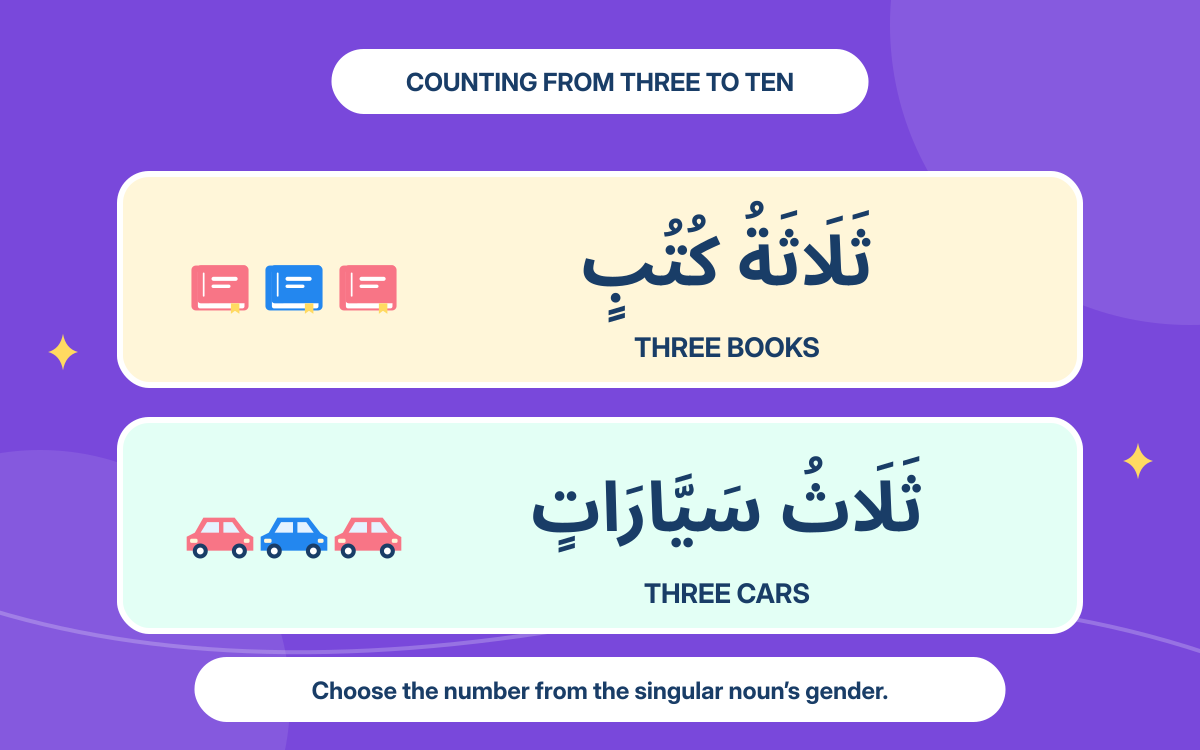
Units three to nine oppose the gender of the singular counted noun. Use thalathatun with masculine kitab, but thalathun with feminine sayyara. The tens do not change for gender.
ثَلَاثٌ وَعِشْرُونَ سَيَّارَةً
thalathun waishruna sayyaratan
Twenty-three cars
Likewise, twenty-five books uses خَمْسَةٌ وَعِشْرُونَ كِتَابًا; twenty-five cars uses خَمْسٌ وَعِشْرُونَ سَيَّارَةً. Check the noun itself, not the person counting it.
03Keep a singular accusative noun
The complete number takes one singular, indefinite, accusative counted noun. The unit three does not bring back the plural genitive noun used when three stands alone.
ثَلَاثَةٌ وَعِشْرُونَ كِتَابًا
thalathatun waishruna kitaban
Twenty-three books
Compare three books, ثَلَاثَةُ كُتُبٍ, with twenty-three books. The complete coordinated number requires kitaban, not kutubin.
04Change both number parts for case
In the regular unit examples here, nominative un becomes accusative an or genitive in. The coordinated tens match the number’s case: un in the nominative, in in the accusative or genitive.
قَرَأْتُ ثَلَاثَةً وَعِشْرِينَ كِتَابًا
qaraatu thalathatan waishrina kitaban
I read twenty-three books.
بِثَلَاثَةٍ وَعِشْرِينَ رِيَالًا
bithalathatin waishrina riyalan
For twenty-three riyals
The unit and the tens change together. Kitaban and riyalan remain accusative because they specify the number, even when the number is genitive after bi.
05Apply the same construction to later tens
Replace twenty with thirty, forty or another exact ten without changing the gender rule. Forty is arbauna in the nominative and arbaina in the accusative or genitive.
خَمْسَةٌ وَأَرْبَعُونَ كِتَابًا
khamsatun waarbauna kitaban
Forty-five books
خَمْسٌ وَأَرْبَعُونَ سَيَّارَةً
khamsun waarbauna sayyaratan
Forty-five cars
Five still opposes the noun’s gender. Use this same check through ninety-nine: unit gender, number case, then singular accusative counted noun.
What to remember
- For coordinated numbers with units three to nine, put the unit before wa and the tens.
- The unit opposes the singular noun’s gender; the tens do not change for gender.
- Both number parts follow the sentence’s case, while the counted noun remains singular accusative.
Your reference shelf
Open a guide whenever you need it.
Compare twenty-three and the special shape of eightOrdinary unit endings change; eight with feminine nouns has a ya pattern
| Case | Number and counted noun |
|---|---|
| Nominative | ثَلَاثَةٌ وَعِشْرُونَ كِتَابًا |
| Accusative | ثَلَاثَةً وَعِشْرِينَ كِتَابًا |
| Genitive | ثَلَاثَةٍ وَعِشْرِينَ كِتَابًا |
Eight follows the same opposite-gender rule but has a special spelling with feminine counted nouns. Before wa, its indefinite nominative and genitive form is ثَمَانٍ; its accusative form is ثَمَانِيًا. For example: ثَمَانٍ وَعِشْرُونَ سَيَّارَةً in the nominative, ثَمَانِيًا وَعِشْرِينَ سَيَّارَةً in the accusative, and بِثَمَانٍ وَعِشْرِينَ سَيَّارَةً after bi. With masculine nouns, use the ordinary ta marbuta form ثَمَانِيَةٌ and change its final case vowel.
One and two agree with the noun in coordinated numbers; they are covered separately. Exact tens also have a separate guide. Do not describe all 23–99 numbers as using an opposite-gender unit: numbers ending in one or two are the exceptions.
The plain Latin aids retain the case endings being studied but simplify Arabic sounds and vowel length. At a natural pause, final case sounds may be reduced; use the fully marked Arabic to study the written construction.
Sources & further learning
References for the language explanations and learning guidance.