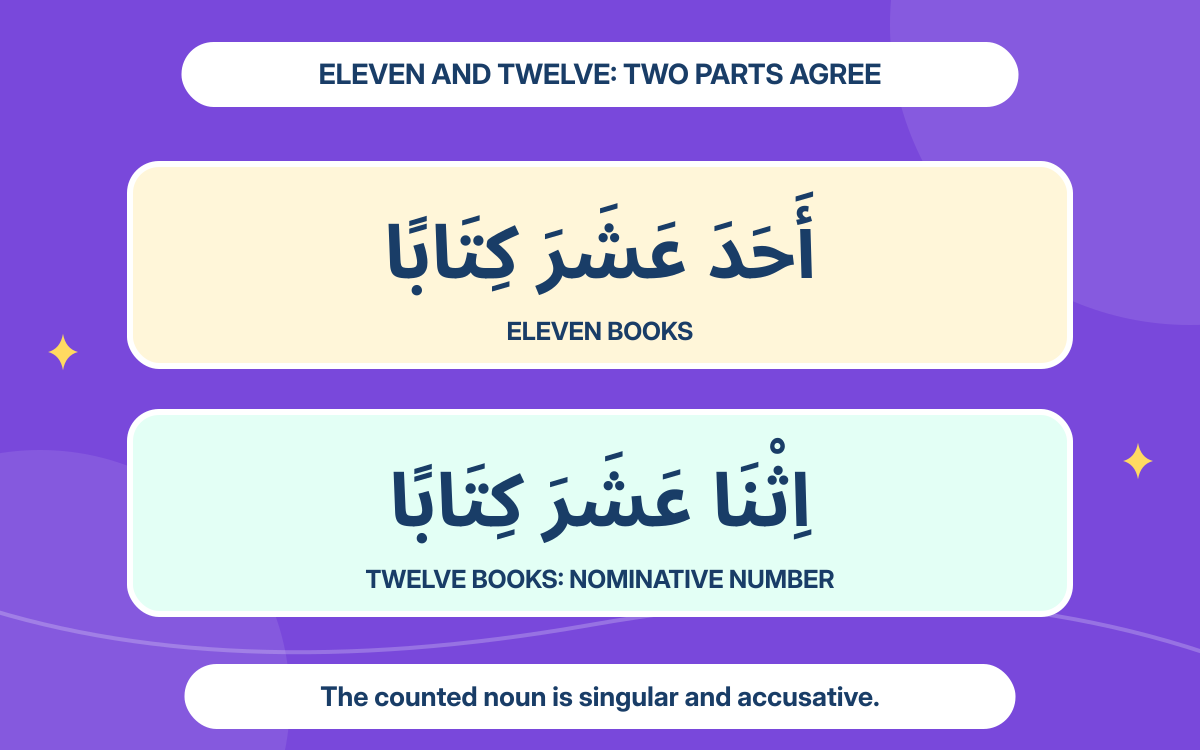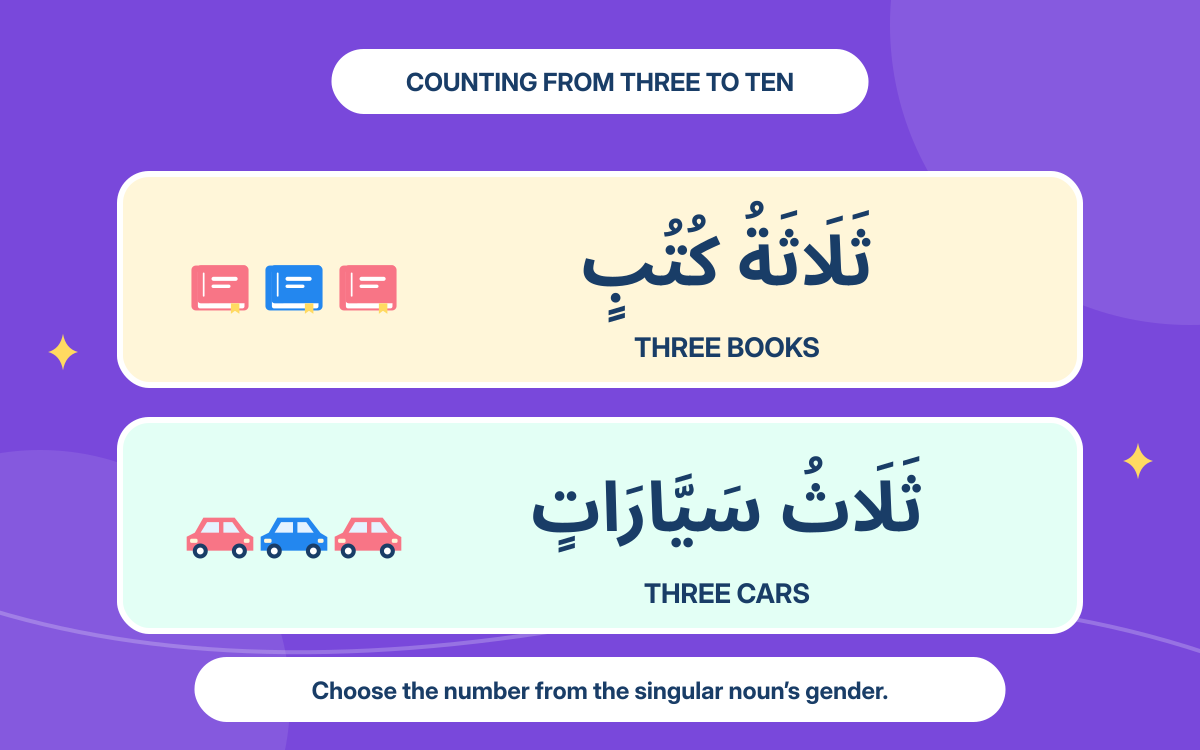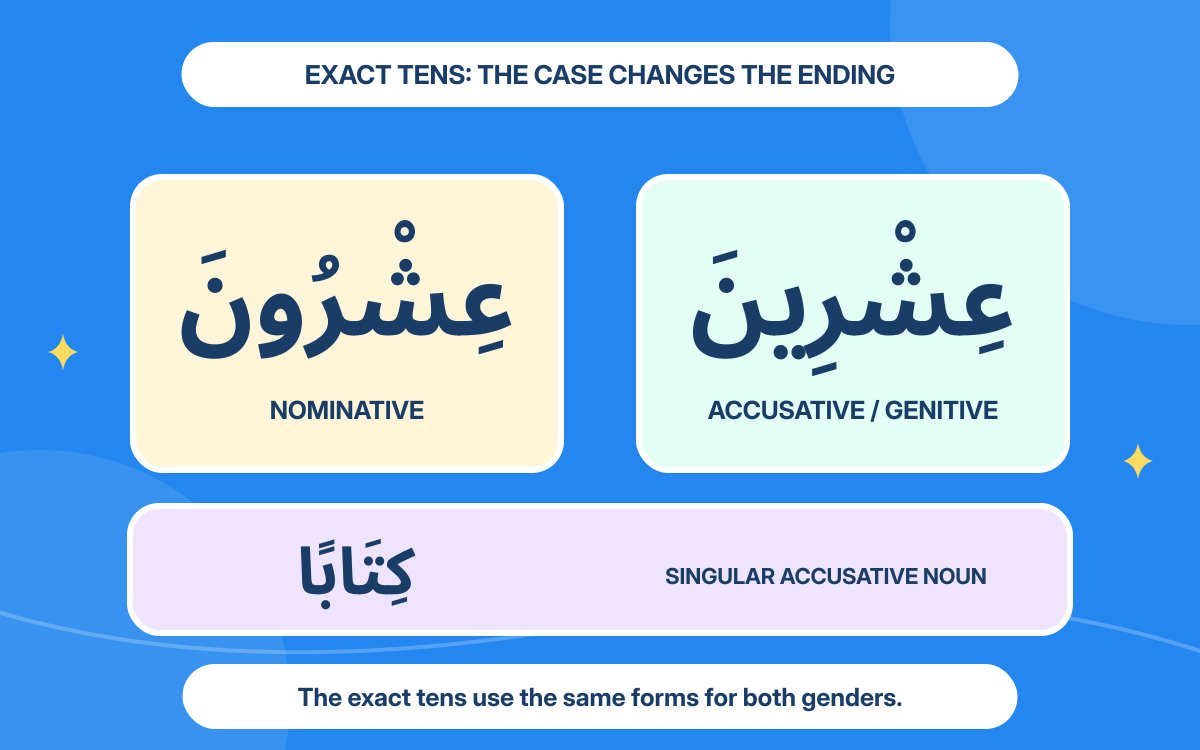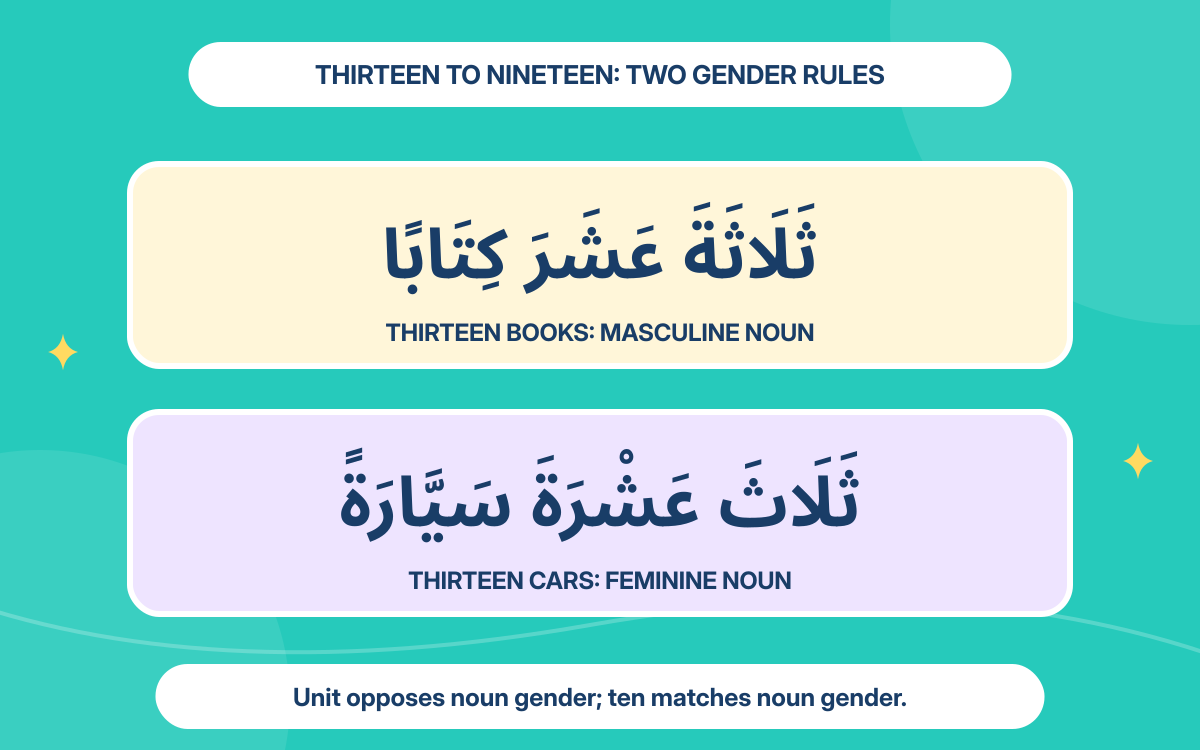
For thirteen to nineteen, the two number parts follow different gender rules. The unit part opposes the singular noun’s gender; the ten part agrees with it. Both parts keep fixed endings, followed by a singular accusative noun.
01Use the opposite unit with a masculine noun
One book, كِتَابٌ, is masculine. For thirteen books, the unit uses thalathata, the feminine form with ة. The ten part uses masculine ashara.
ثَلَاثَةَ عَشَرَ كِتَابًا
thalathata ashara kitaban
Thirteen books
Check the parts separately: unit 3–9 uses gender opposition; the ten part uses gender agreement. This differs from eleven and twelve, whose two parts both agree.
02Reverse the pair for a feminine noun
One car, سَيَّارَةٌ, is feminine. The unit therefore uses thalatha without ة, while the ten part becomes feminine ashrata.
ثَلَاثَ عَشْرَةَ سَيَّارَةً
thalatha ashrata sayyaratan
Thirteen cars
Notice the shin: masculine عَشَرَ has a vowel after it; feminine عَشْرَةَ has sukun on it. Keep that difference as well as the final ة.
03Count with one singular noun
Every number from thirteen to nineteen takes a singular indefinite accusative counted noun, called tamyiz. Use kitaban or sayyaratan, even though the English translation is plural.
خَمْسَةَ عَشَرَ كِتَابًا
khamsata ashara kitaban
Fifteen books
خَمْسَ عَشْرَةَ سَيَّارَةً
khamsa ashrata sayyaratan
Fifteen cars
The noun is not the genitive plural used after three to ten. Identify the noun’s gender from one item, then choose the two number parts.
04Keep both number parts fixed for case
The compound number is built on fathah in both parts. Its grammatical position can be nominative, accusative or genitive, but the parts keep their final a.
عِنْدِي ثَلَاثَةَ عَشَرَ كِتَابًا
indi thalathata ashara kitaban
I have thirteen books.
بِثَلَاثَةَ عَشَرَ كِتَابًا
bithalathata ashara kitaban
With thirteen books
The first number occupies a nominative position after indi. The second occupies a genitive position after bi. Do not change their final a to u or i because the sentence position changes. The counted noun also stays kitaban.
05Put the unit before the ten part
Nineteen uses the same construction: unit first, ten second, noun last. There is no wa between these teen number parts.
تِسْعَةَ عَشَرَ كِتَابًا
tisata ashara kitaban
Nineteen books
تِسْعَ عَشْرَةَ سَيَّارَةً
tisa ashrata sayyaratan
Nineteen cars
Practise the full formal endings. The ة in a number is pronounced t when joined to the next word. Our simple readings omit vowel length; natural pauses may shorten the final noun ending. The optional table supplies all seven teen pairs, including eighteen’s special first part.
What to remember
- From thirteen to nineteen, the unit opposes the singular noun’s gender and the ten part agrees with it.
- Both parts of the compound number keep their built fathah endings in all case positions.
- Put the unit before the ten part without wa, followed by a singular accusative counted noun.
Your reference shelf
Open a guide whenever you need it.
All thirteen to nineteen gender pairsBook and car constructions with a note on eighteen
| Number | With masculine book | With feminine car |
|---|---|---|
| 13 | ثَلَاثَةَ عَشَرَ كِتَابًا thalathata ashara kitaban | ثَلَاثَ عَشْرَةَ سَيَّارَةً thalatha ashrata sayyaratan |
| 14 | أَرْبَعَةَ عَشَرَ كِتَابًا arbaata ashara kitaban | أَرْبَعَ عَشْرَةَ سَيَّارَةً arbaa ashrata sayyaratan |
| 15 | خَمْسَةَ عَشَرَ كِتَابًا khamsata ashara kitaban | خَمْسَ عَشْرَةَ سَيَّارَةً khamsa ashrata sayyaratan |
| 16 | سِتَّةَ عَشَرَ كِتَابًا sittata ashara kitaban | سِتَّ عَشْرَةَ سَيَّارَةً sitta ashrata sayyaratan |
| 17 | سَبْعَةَ عَشَرَ كِتَابًا sabata ashara kitaban | سَبْعَ عَشْرَةَ سَيَّارَةً saba ashrata sayyaratan |
| 18 | ثَمَانِيَةَ عَشَرَ كِتَابًا thamaniyata ashara kitaban | ثَمَانِيَ عَشْرَةَ سَيَّارَةً thamaniya ashrata sayyaratan |
| 19 | تِسْعَةَ عَشَرَ كِتَابًا tisata ashara kitaban | تِسْعَ عَشْرَةَ سَيَّارَةً tisa ashrata sayyaratan |
For eighteen with a feminine noun, this table uses ثَمَانِيَ عَشْرَةَ with the ya retained and a fathah on it. Learn that whole first part: thamaniya. With a masculine noun, thamaniyata includes the pronounced t of ة. The first part is not produced by simply cutting off the whole final syllable of thamaniyata.
The rule is fixed construction, not a nominative or genitive vowel change. For example, قَرَأْتُ ثَلَاثَةَ عَشَرَ كِتَابًا means “I read thirteen books” — qaratu thalathata ashara kitaban — with the number in an accusative position. Its two parts still have fathah.
Vowel length is simplified in the Latin aids. For example, kitab has a long a, and the a after l in thalathata is long. Read the Arabic alongside the aid and keep the noun’s full an ending during practice.
Sources & further learning
References for the language explanations and learning guidance.