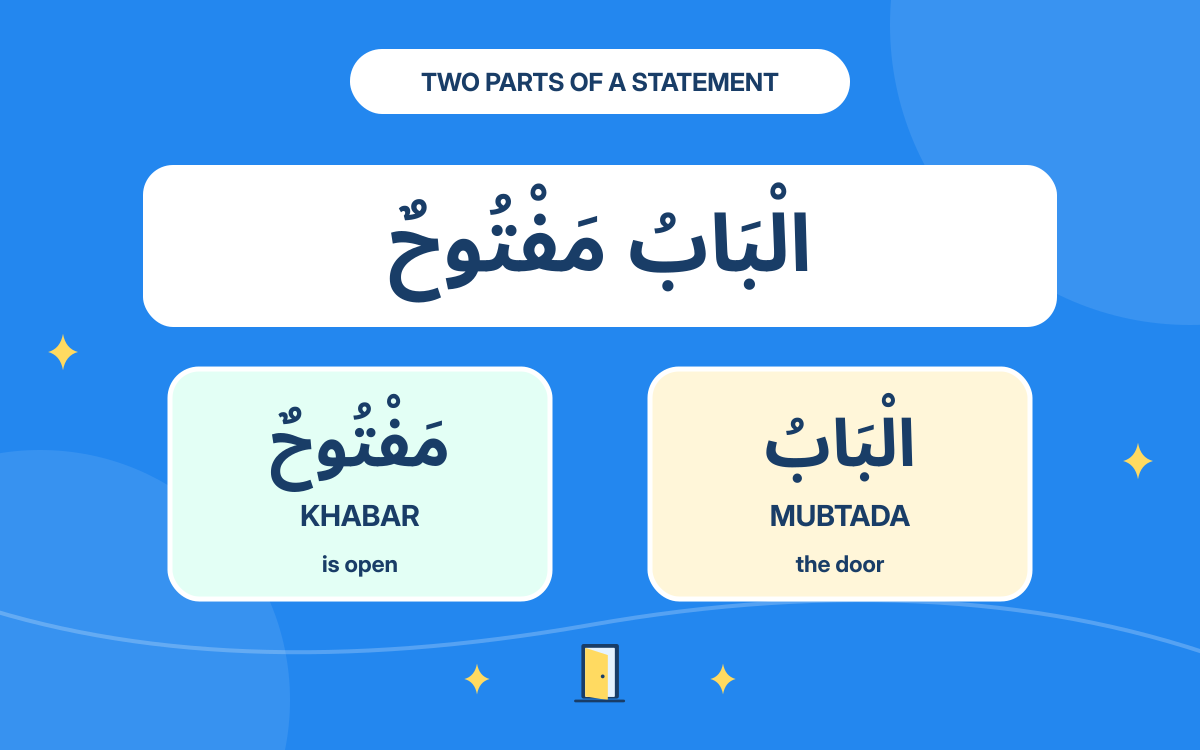
In “The door is open,” one part names the thing we discuss and another gives information about it. Arabic builds the same simple statement with a mubtada and a khabar. You can find both without inserting an Arabic word for “is.”
01Find the two jobs
الْبَابُ مَفْتُوحٌ
albabu maftuhun
The door is open.
Albabu means “the door.” It is the مُبْتَدَأ (mubtada), the subject or topic. Maftuhun means “open.” It is the خَبَر (khabar), the predicate giving information about the door. Together, the two parts form a complete nominal sentence: we know which thing is being discussed and what we learn about it.
02Ask what we are talking about
الْقَلَمُ مَكْسُورٌ
alqalamu maksurun
The pen is broken.
What are we talking about? The pen. Alqalamu is the mubtada. In this beginner pattern, the subject is a definite noun with al: a particular pen that the speaker has in mind.
A subject does not always need al. A personal name, a pronoun such as “he,” or a pointing word such as “this” can also fill this role. Being definite is not the same as having the letters al.
03Ask what information we learn
الْكِتَابُ جَدِيدٌ
alkitabu jadidun
The book is new.
What do we learn about the book? That it is new. Jadidun is the khabar. In all three examples so far, the predicate is one descriptive word without al. The subject is definite and this describing predicate is indefinite.
Read the whole statement naturally in English. “The book new” shows the Arabic parts, but “The book is new” gives the intended English meaning. No extra pronoun is needed between these two Arabic words.
04Notice both nominative endings
In our simple pattern, the mubtada and the single-word khabar are nominative, مَرْفُوع (marfu). The regular singular subject alkitabu ends in u. The indefinite predicate jadidun ends in un because it has tanween.
الْبَابُ مَفْتُوحٌ
albabu maftuhun
The door is open.
Both words are nominative even though their endings do not look identical. Al and tanween affect how these regular forms appear. The un ending does not mean that maftuhun has a different case from albabu.
We retain full endings while studying. At a pause, maftuhun is normally read maftuh; the grammatical relationship remains the same.
05Use this pattern without making it universal
Practise with one known object and one piece of information: the door is open, the pen is broken, the book is new. First identify the topic, then the information about it, then check the endings.
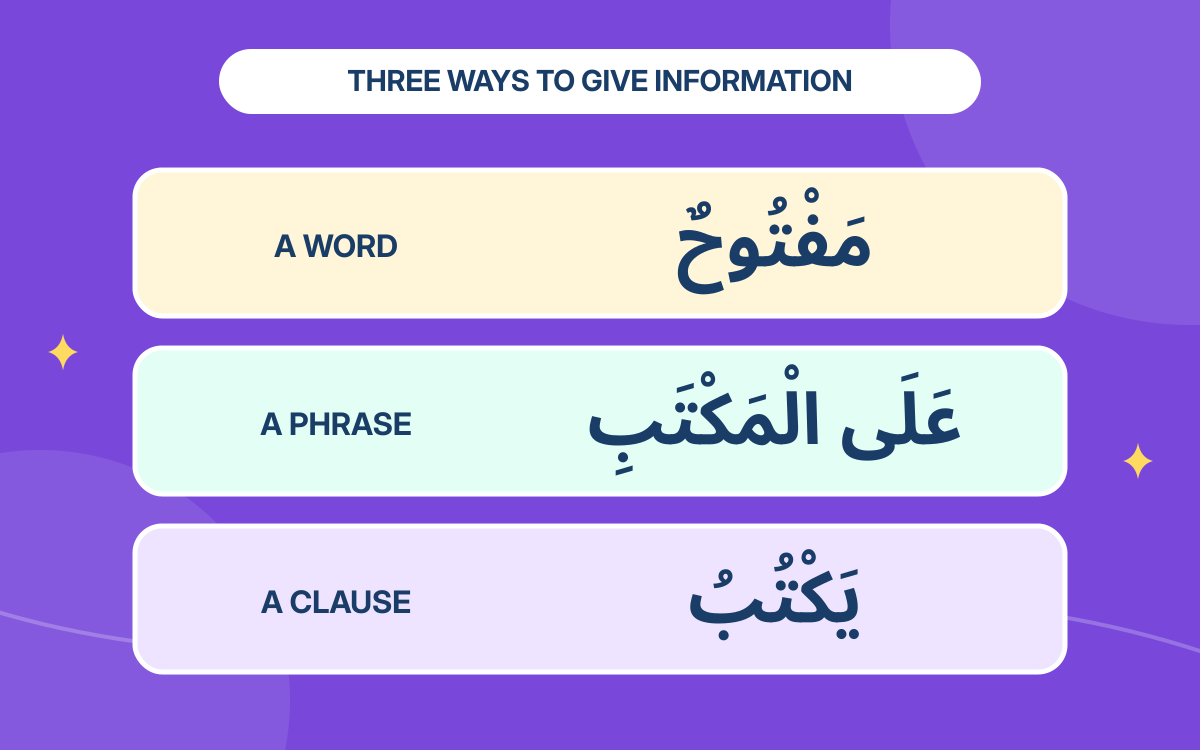
This is a starting pattern, not a rule that every predicate is one indefinite word. A place phrase can give the information instead: “The book is in the house.” The phrase fills the predicate role as a whole; its noun still follows the preposition’s case rule.
Our plain reading labels are reminders, not exact sound transcriptions. For example, maftuh has a long u. Use the Arabic spelling and listening practice to develop pronunciation.
What to remember
- The mubtada names the subject or topic; the khabar supplies information about it.
- In this regular singular pattern, the subject has u and its indefinite describing predicate has un.
- The basic definite-subject and indefinite-predicate pattern is useful, but other nominal sentence patterns exist.
Your reference shelf
Open a guide whenever you need it.
Subject and predicate: the useful limitsReview the two roles, case and other predicate shapes
| Mubtada: topic | Khabar: information | Meaning |
|---|---|---|
| الْبَابُ | مَفْتُوحٌ | The door is open. |
| الْقَلَمُ | مَكْسُورٌ | The pen is broken. |
| الْكِتَابُ | جَدِيدٌ | The book is new. |
Can a predicate contain a preposition?
الْكِتَابُ فِي الْبَيْتِ
alkitabu fi lbayti
The book is in the house.
Fi lbayti gives the information about alkitabu. The phrase occupies the predicate position, while albayti is genitive because it follows fi. Do not change it to albaytu simply because it appears inside the predicate.
What else can change?
Predicates can be definite in suitable structures and can contain whole clauses. An indefinite subject is also possible in suitable contexts. Word order may put a location phrase before its subject. The related guides introduce these patterns separately.
Does nominative always mean a visible u?
No. Some words have fixed forms, and other noun patterns show case differently. Our examples use regular singular nouns so the u and un endings are easy to see. Words such as hadha can fill the subject position without acquiring a new ending.
Sources & further learning
References for the language explanations and learning guidance.