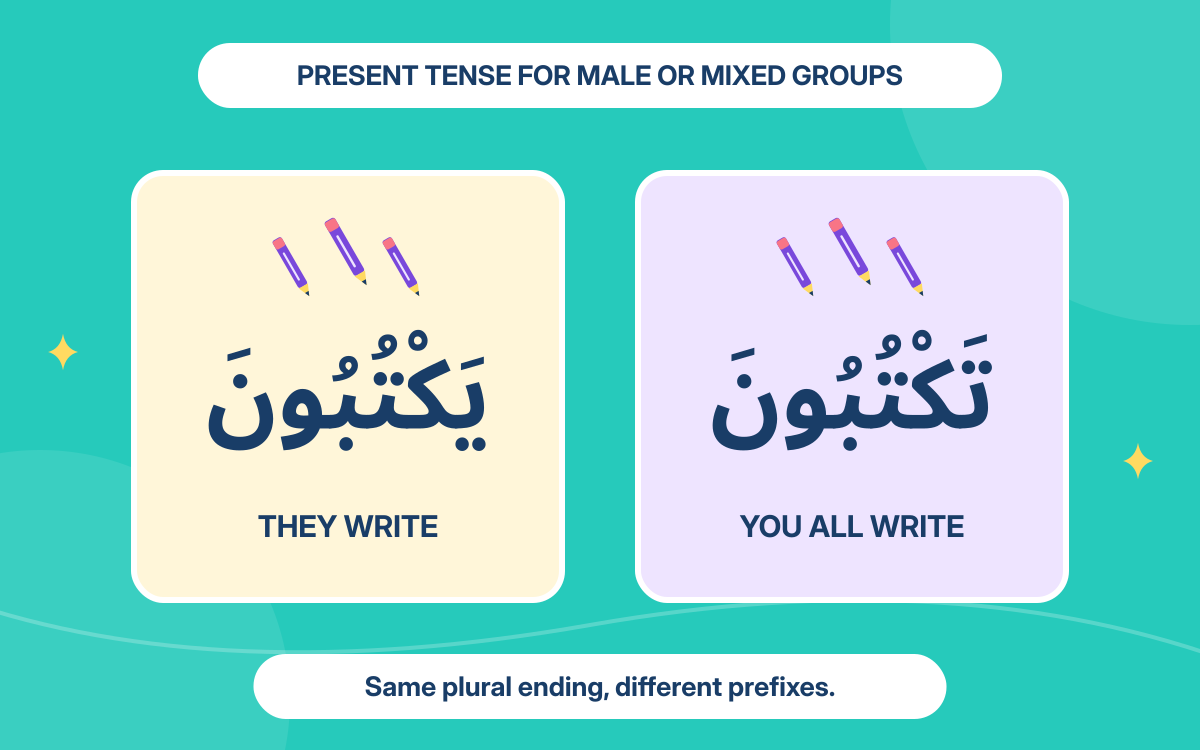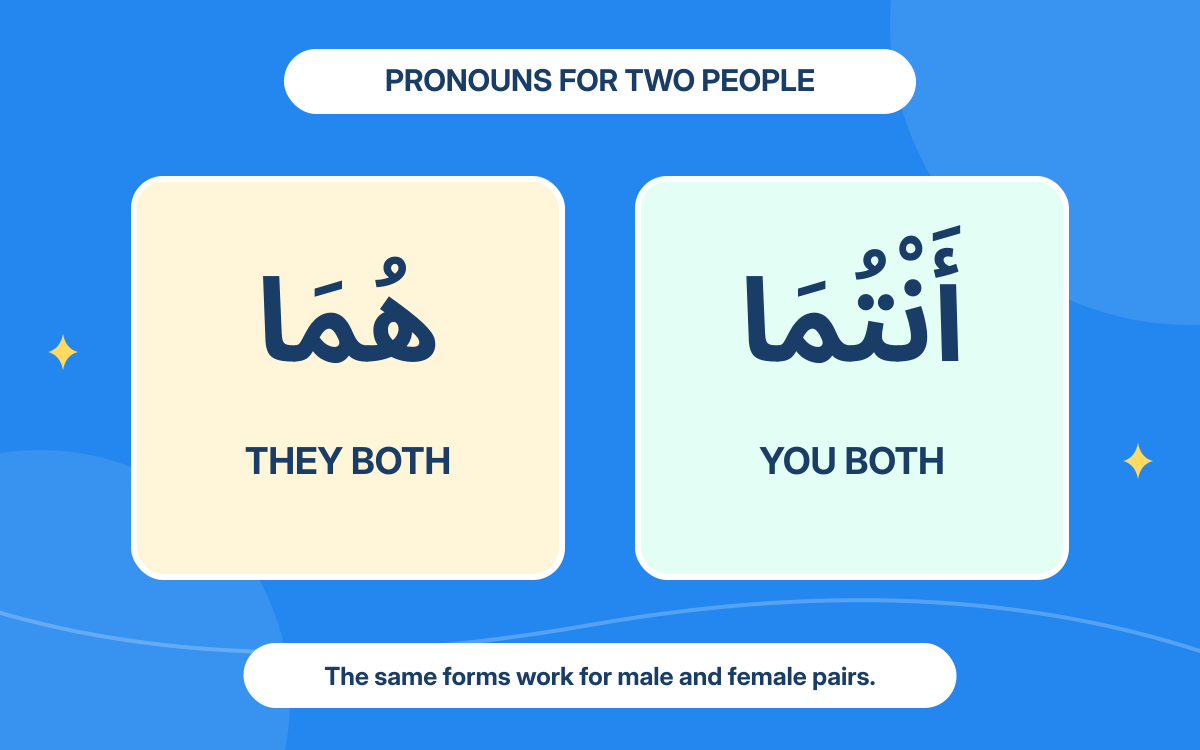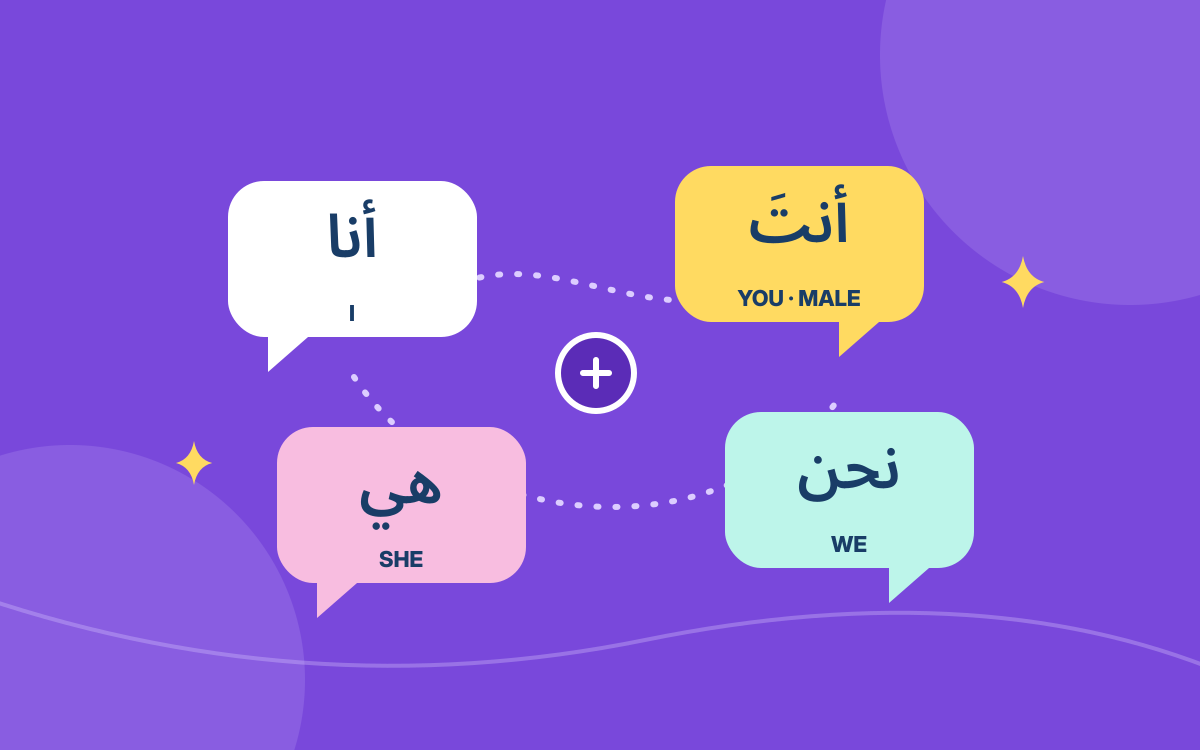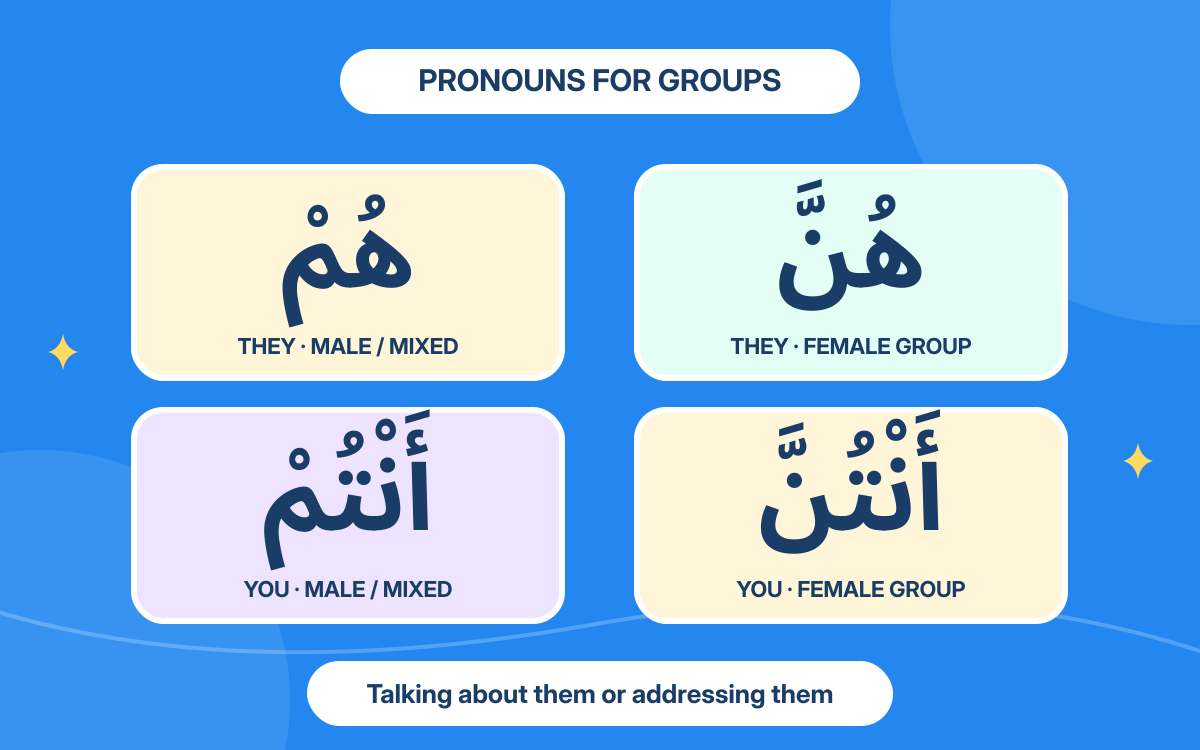
Arabic distinguishes talking about a group from talking directly to it. Hum and hunna mean they; antum and antunna mean you when addressing several people. Modern Standard Arabic also distinguishes male or mixed groups from groups consisting only of women. These four forms extend the singular pronouns you already know.
01Talk about a group: hum and hunna
Use hum for a group of men or a mixed group of men and women. Use hunna for a group consisting only of women. Both mean they and refer to people being discussed.
هُمْ هُنَا
hum huna
They are here. (A male or mixed group.)
هُنَّ هُنَا
hunna huna
They are here. (A female group.)
Hunna has a doubled n, marked by shaddah. These are separate subject pronouns: they stand as their own words. In the ordinary human pattern, plural means three or more; exactly two people use dual forms.
02Address a group: antum and antunna
When those people are your listeners, choose a form of you. Antum addresses men or a mixed group; antunna addresses women only. The gender of the speaker does not decide the choice.
أَنْتُمْ هُنَا
antum huna
You are here. (Addressing a male or mixed group.)
أَنْتُنَّ هُنَا
antunna huna
You are here. (Addressing a female group.)
A woman speaking to several men uses antum. A man speaking to several women uses antunna. English you can refer to one person or many, so look at the situation before choosing the Arabic form.
03Match a descriptive predicate to the people
These simple present nominal sentences need no separate word for are. If the predicate names or describes people, use the appropriate plural form.
هُمْ مُدَرِّسُونَ
hum mudarrisuna
They are male teachers.
هُنَّ مُدَرِّسَاتٌ
hunna mudarrisatun
They are female teachers.
The teacher noun changes from the masculine plural mudarrisuna to the feminine plural mudarrisatun. The same contrast works when addressing the groups: أَنْتُمْ مُدَرِّسُونَ and أَنْتُنَّ مُدَرِّسَاتٌ. A place expression such as huna stays unchanged because it is not a descriptive adjective.
04Change the role, not the people
Imagine three female teachers in a classroom. Talking to someone else about them uses hunna. Turning toward those same teachers and speaking to them uses antunna.
هُنَّ فِي الْفَصْلِ
hunna fi lfasli
They are in the classroom.
أَنْتُنَّ فِي الْفَصْلِ
antunna fi lfasli
You are in the classroom. (Addressing the women.)
The group’s gender and number stay the same; only its role changes. First ask whether the group is being discussed or addressed. Then check whether it is male or mixed, or entirely female. This two-step choice is more useful than memorising the four forms without context.
05Keep ordinary nonhuman plurals separate
The common pattern for plural objects uses feminine singular agreement. Books do not take hum simply because English calls them they.
أَيْنَ الْكُتُبُ؟ هِيَ هُنَا
ayna lkutubu hiya huna
Where are the books? They are here.
Hiya refers back to the plural books in this ordinary Standard Arabic construction. Keep hum and hunna for the human groups practised here. Other literary uses exist, so this is a practical starting pattern rather than a claim about every Arabic text. Review who is speaking to whom, then practise changing just the pronoun in a short location sentence.
What to remember
- Hum and hunna talk about groups; antum and antunna address groups.
- The masculine plural forms cover men or mixed groups; the feminine plural forms cover women only.
- Human descriptive predicates follow plural gender agreement; ordinary nonhuman plurals use feminine singular hiya.
Your reference shelf
Open a guide whenever you need it.
Four plural pronouns at a glanceChoose the role first, then the group’s gender
| Role | Male or mixed group | Female group |
|---|---|---|
| Talking about them | هُمْ hum | هُنَّ hunna |
| Talking to them | أَنْتُمْ antum | أَنْتُنَّ antunna |
These are detached subject pronouns. Compare هُمْ هُنَا (They are here) with كِتَابُهُمْ (their book): the subject hum is separate, while the possessive suffix attaches to a noun. A suffix’s role depends on the word it joins.
Use the plural human forms here for three or more people; Arabic has separate dual forms for two. Standard Arabic retains the female plural distinction, though spoken dialects can use different systems. The Latin reading aids do not mark every sound, and the doubled n in hunna and antunna should remain clear.
Sources & further learning
References for the language explanations and learning guidance.