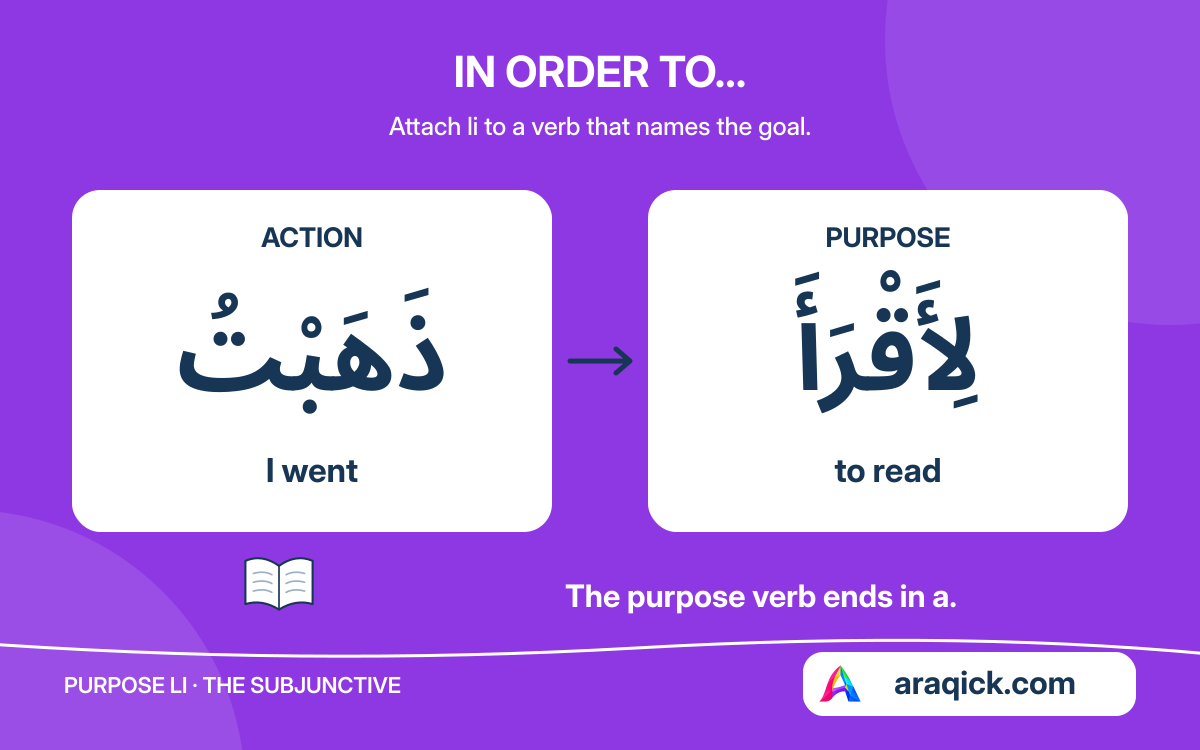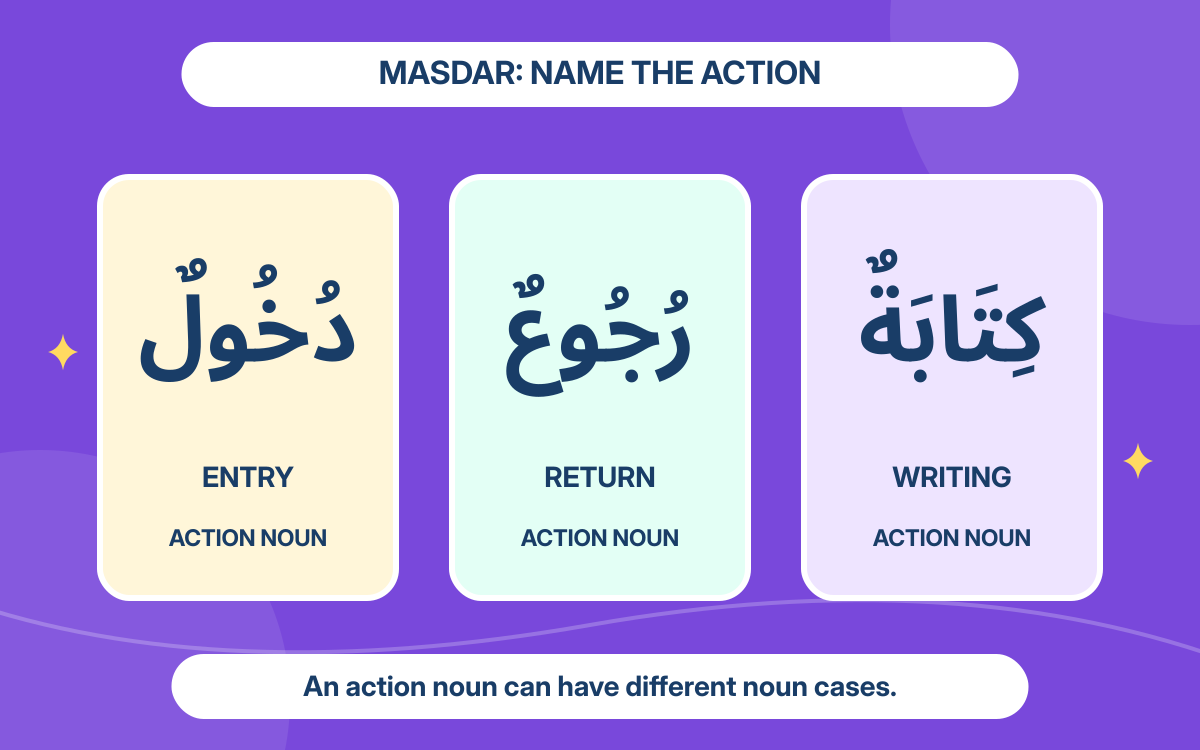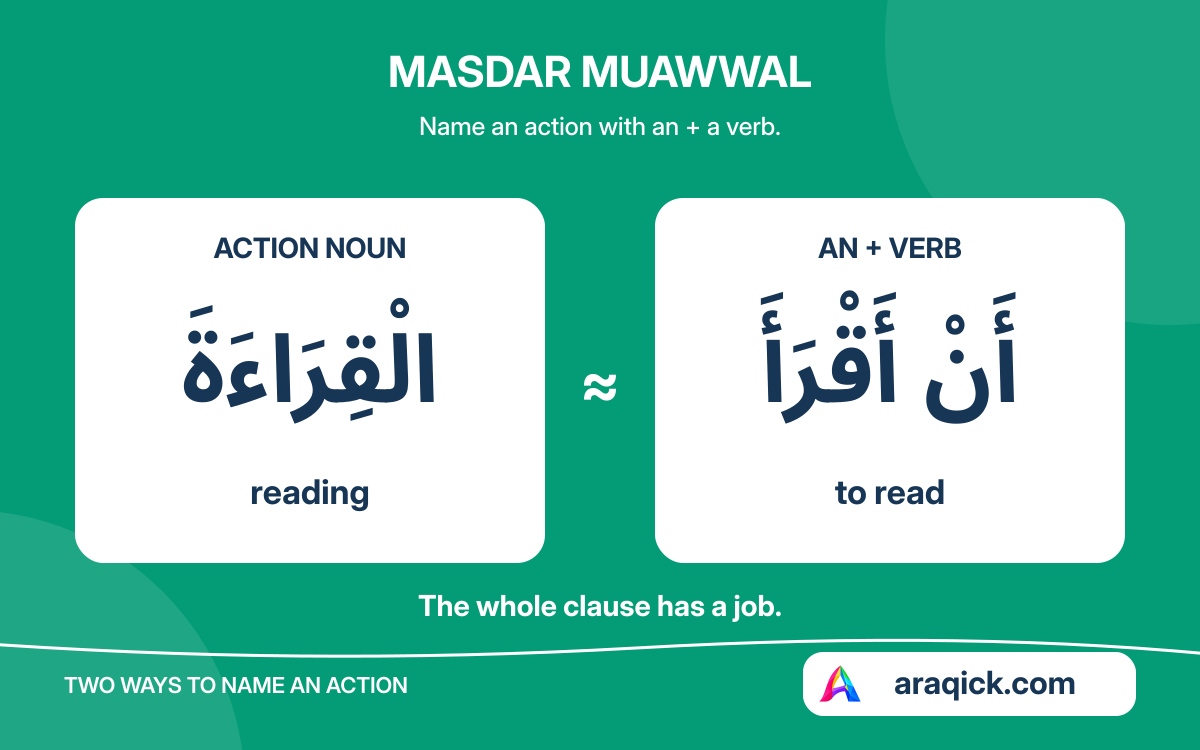
Arabic can name an action with one noun or with a small clause. Alqiraah names reading; an aqraa expresses my reading through a verb. In suitable sentences, both fill a noun-like role. The an clause is called a masdar muawwal, an interpreted verbal noun.
01Compare a noun with an action clause
أُحِبُّ الْقِرَاءَةَ
uhibbu alqiraata
I like reading.
أُحِبُّ أَنْ أَقْرَأَ
uhibbu an aqraa
I like to read.
In the first sentence, alqiraata is a single action noun, or masdar. In the second, an aqraa is a clause that names the action I like. The two examples have the same basic meaning in this context.
Muawwal means interpreted: grammar treats the whole clause as a noun-like unit. It does not turn the verb itself into a noun.
02Keep an and its verb together
أَفْتَحُ → أَنْ أَفْتَحَ
aftahu → an aftaha
I open → to open, with I as the doer
Here أَنْ has sukun on nun and is followed by a subjunctive imperfect. Aftahu changes its last vowel to a. An is a separate written word; the a prefix still belongs to the verb.
Do not confuse this an with أَنَّ, anna, which introduces a different clause pattern. The shaddah and vowel on nun matter.
03Identify the whole clause’s job
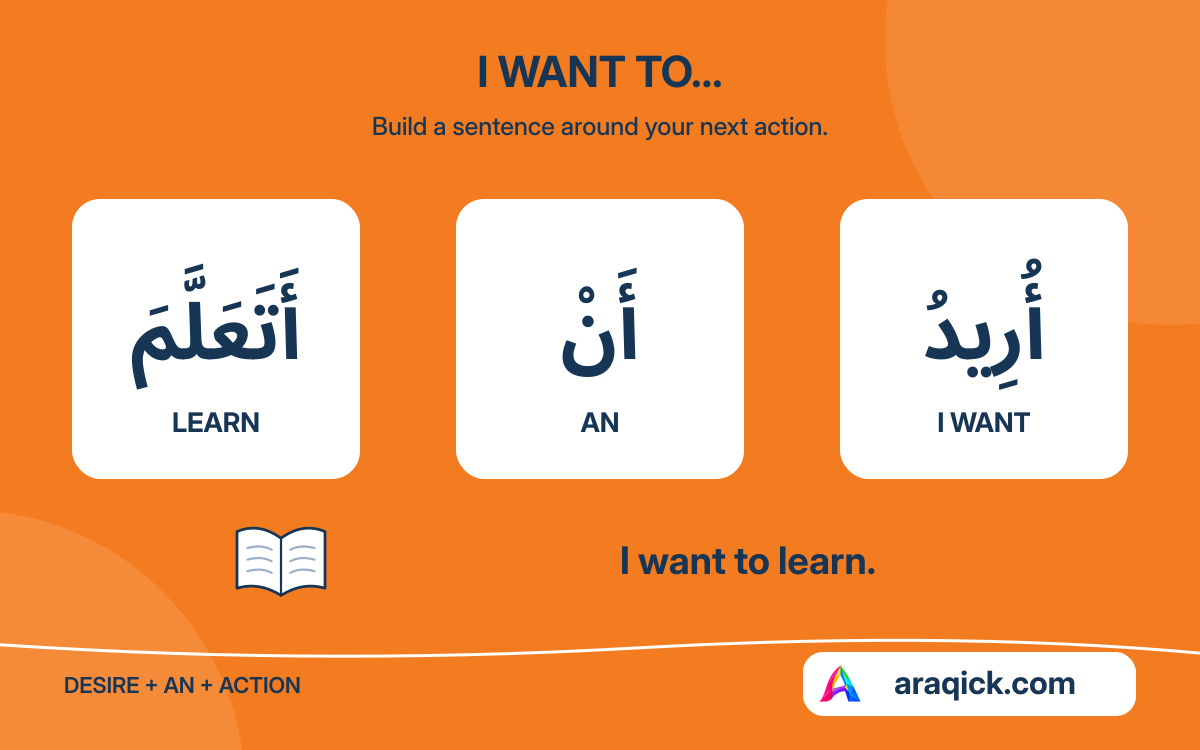
أُرِيدُ أَنْ أَفْتَحَ نَافِذَةً
uridu an aftaha nafidhatan
I want to open a window.
What do I want? To open a window. The whole action clause fills the direct-object position of uridu. Inside that clause, nafidhatan is the direct object of aftaha. These are two levels of analysis.
Aftaha is subjunctive because of an. Do not explain its final fathah by calling the verb a direct-object noun. The basic masdar guide compares the jobs of ordinary action nouns.
04Read who performs the second action
أُرِيدُ أَنْ تَكْتُبَ
uridu an taktuba
I want you to write. — addressing one man
The wanting belongs to I, but the writing belongs to you. In this stated context, the t prefix identifies the male listener. An does not force the two verbs to share a doer.
A noun-based rewrite must preserve whoever performs the action. Avoid replacing every an clause with a bare masdar if that would lose an important person or change the meaning.
05Recognise another noun-like position
أَقْرَأُ قَبْلَ أَنْ أَنَامَ
aqrau qabla an anama
I read before I sleep.
Qabla means before. The following an clause supplies the event used as the time reference and occupies the genitive complement position after qabla. Inside it, anama is still subjunctive after an.
Ask separately what the whole clause does and what ending its inner verb needs. This lesson covers the an-plus-imperfect pattern; other kinds of masdar muawwal have their own rules. Our plain reading aids simplify vowel length and hamza.
What to remember
- An plus a subjunctive imperfect can function as a masdar muawwal.
- The whole clause can fill a noun-like position while its verb remains a verb.
- Keep the doer and meaning clear when comparing a clause with an action noun.
Your reference shelf
Open a guide whenever you need it.
Two levels of sentence analysisA clause can have one role and contain other roles
| Model | Whole action clause | Inner verb |
|---|---|---|
| أُحِبُّ أَنْ أَقْرَأَ | Object position of I like | Aqraa: subjunctive after an |
| أُرِيدُ أَنْ أَفْتَحَ نَافِذَةً | Object position of I want | Aftaha: subjunctive; window is its object |
| أَقْرَأُ قَبْلَ أَنْ أَنَامَ | Genitive complement position after qabla | Anama: subjunctive after an |
The English word to is not a universal translation of an. “Before I sleep” naturally omits it. Learn the Arabic construction and translate the complete message. أَنْ differs from أَنَّ; the latter is taught in the existing anna guide.
Sources & further learning
References for the language explanations and learning guidance.