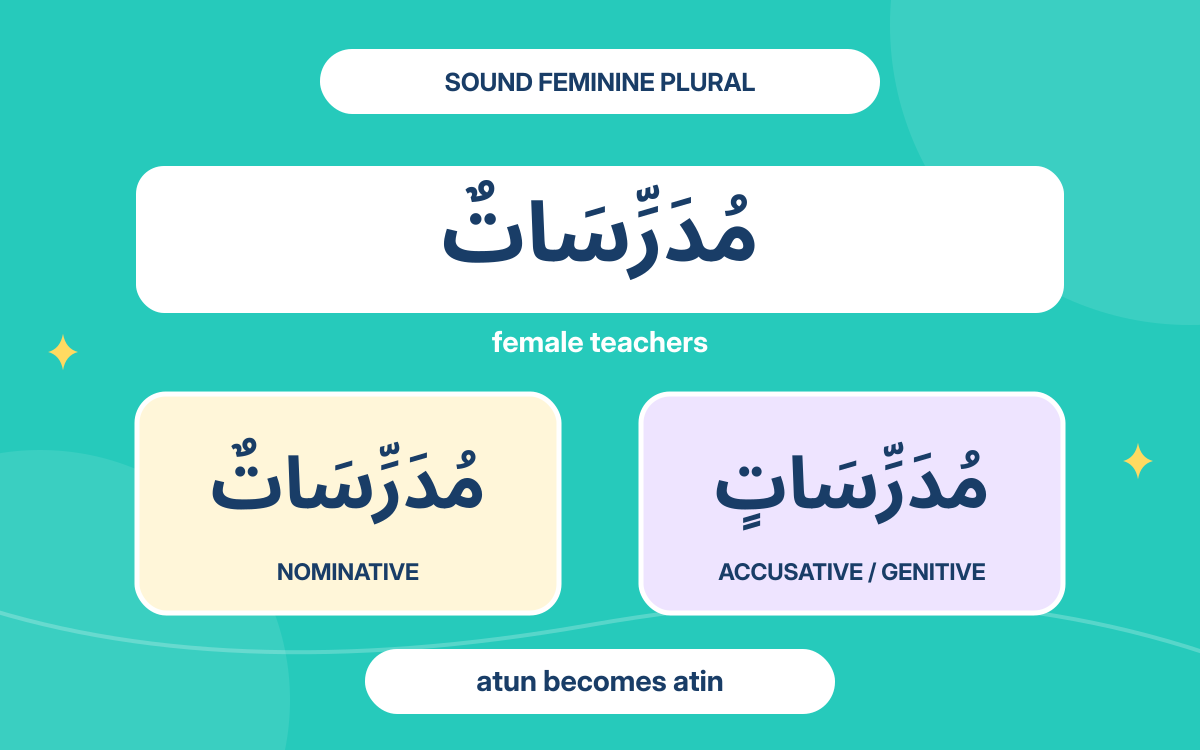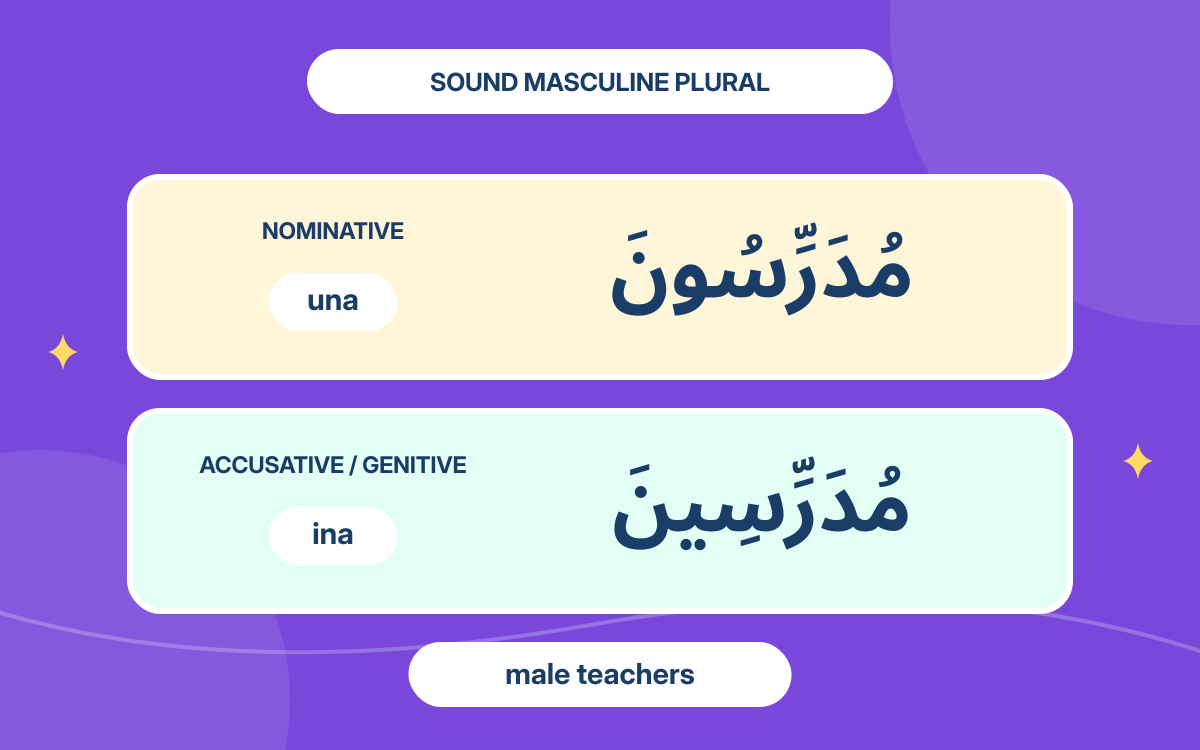
Mudarrisuna and mudarrisina both refer to teachers, using the sound masculine plural. The first suits a nominative role; the second suits an accusative or genitive role. Once you know that a noun uses this plural pattern, the sentence tells you which ending to choose.
01Recognise a sound masculine plural
مُدَرِّسٌ
mudarrisun
A male teacher
مُدَرِّسُونَ
mudarrisuna
Male teachers: nominative
Here the stem mudarris stays recognisable and a plural ending replaces the singular case ending. The u in una is long. Use this pattern for words known to take it, including مُهَنْدِسٌ (muhandisun), “a male engineer.”
02Use una in a nominative role
الْمُدَرِّسُونَ فِي الْفَصْلِ
almudarrisuna fi lfasli
The male teachers are in the classroom.
Almudarrisuna is the subject of this nominal sentence. It is nominative, marked by the waw before nun. The final short a on nun is not an accusative case sign.
With ال, the noun becomes definite, but the plural ending stays una. Without ال, mudarrisuna means “male teachers.” The written nun belongs to the plural ending; it is not a tanween mark.
03Change to ina for the object
قَابَلْتُ الْمُدَرِّسِينَ
qabaltu lmudarrisina
I met the male teachers.
Qabaltu means “I met.” The teachers are the direct object, so almudarrisina is accusative. The case sign is ya, and the i before nun is long.
Notice the change from suna to sina at the end of the whole word. The stem still means teacher, and the group is still plural. Only the form needed for its grammatical role has changed.
04Keep ina after a preposition
سَلَّمْتُ عَلَى الْمُدَرِّسِينَ
sallamtu ala lmudarrisina
I greeted the male teachers.
The expression sallamtu ala means “I greeted.” Ala is a preposition, so the noun it governs is genitive. That gives almudarrisina again.
The ending ina cannot tell you by itself whether the noun is a direct object or follows a preposition. Read the structure around it. In the previous example, the teachers were accusative; in this example, they are genitive. Both cases share the same plural form.
05Apply the pattern to suitable words
مُدَرِّسُونَ مُجْتَهِدُونَ
mudarrisuna mujtahiduna
Hardworking male teachers
A suitable adjective describing these human plurals also takes plural agreement. Here both words are nominative; in an accusative or genitive phrase they become مُدَرِّسِينَ مُجْتَهِدِينَ (mudarrisina mujtahidina).
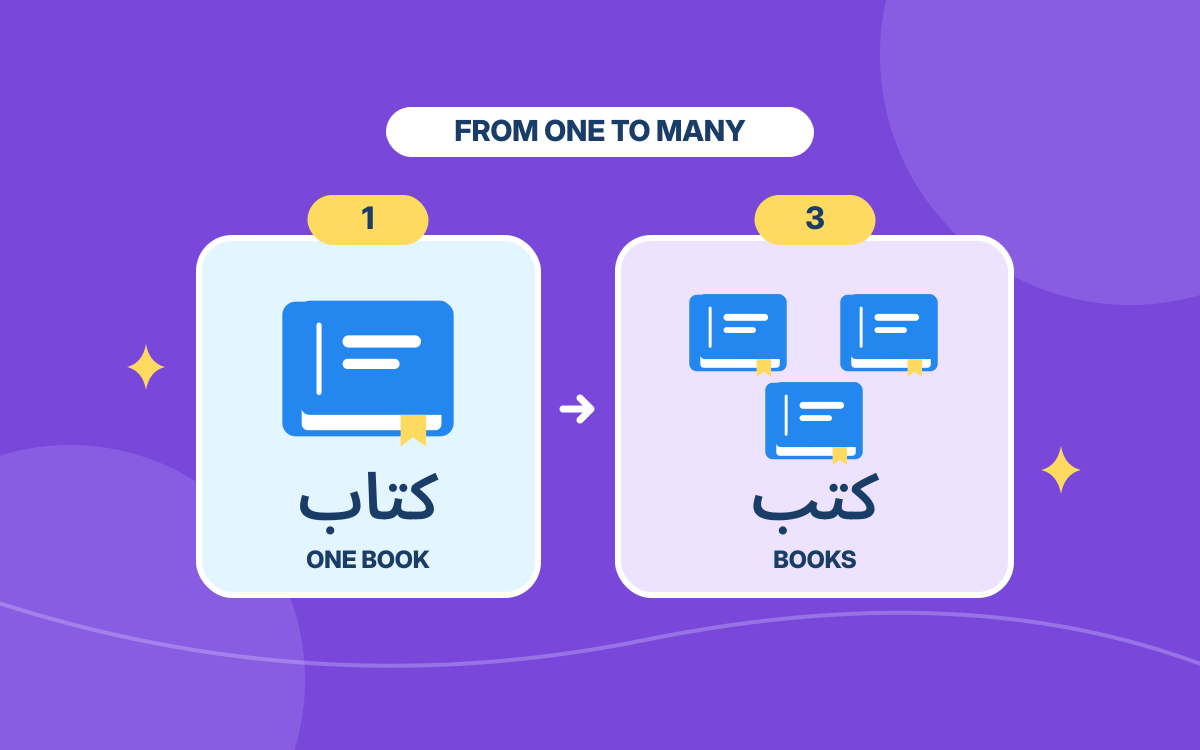
Do not add una to every masculine noun. A book is grammatically masculine, but its usual plural is كُتُبٌ (kutubun). Even human nouns may use a broken plural: رَجُلٌ (rajulun), “man,” has رِجَالٌ (rijalun), “men.” Learn the plural with each new noun, then apply its case pattern.
These examples use full formal readings. The final short a is normally dropped when stopping.
What to remember
- Suitable sound masculine plurals use una in the nominative and ina in the accusative and genitive.
- The waw or ya marks case; the final nun keeps its short a in these full forms.
- Learn whether a noun uses this plural pattern before choosing its case ending.
Your reference shelf
Open a guide whenever you need it.
Sound masculine plural case guideCompare the endings and distinguish a plural from a dual
| Case | Full form | Example role |
|---|---|---|
| Nominative | مُدَرِّسُونَ | Subject: the teachers are here |
| Accusative | مُدَرِّسِينَ | Direct object: I met teachers |
| Genitive | مُدَرِّسِينَ | After a preposition: to teachers |
The name of the pattern is جَمْعُ الْمُذَكَّرِ السَّالِمِ. It commonly occurs with suitable masculine human descriptions and occupations. Its use is restricted; grammatical masculinity alone is not enough.
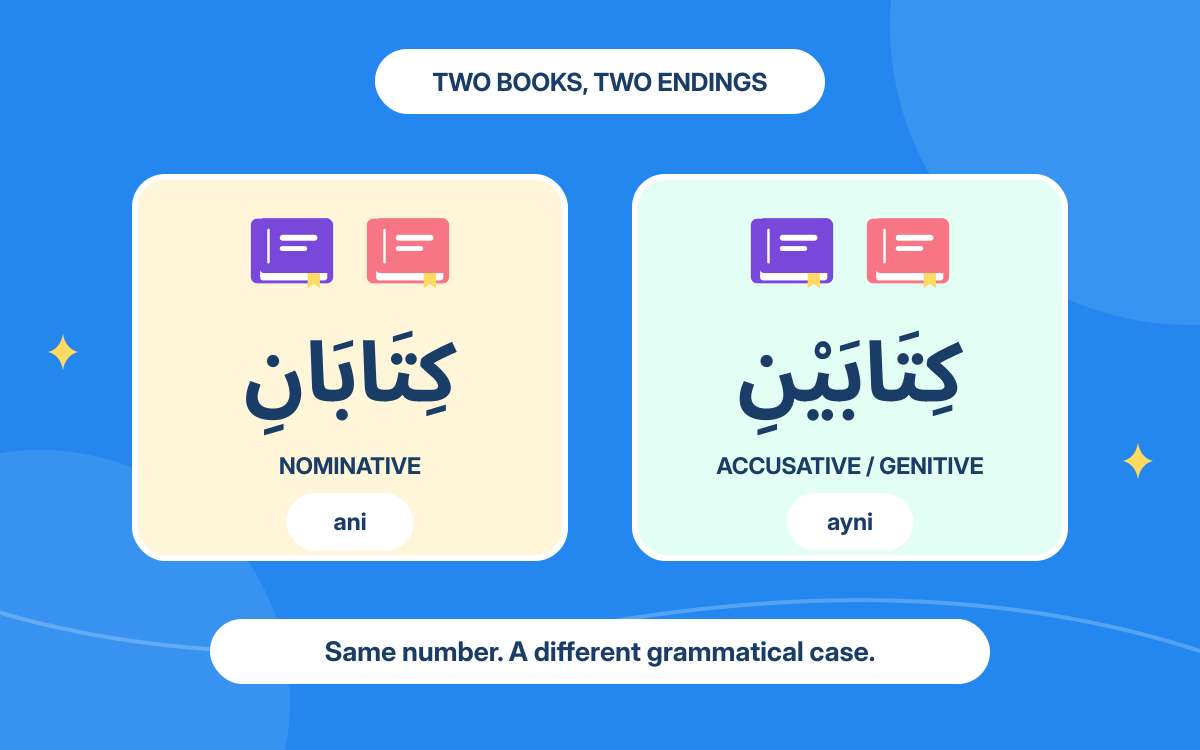
Compare the fully marked forms: مُدَرِّسَيْنِ (mudarrisayni) means two male teachers, while مُدَرِّسِينَ (mudarrisina) means male teachers in the plural. The dual has ay before nun with kasrah; the plural has long i before nun with fathah. Without vowel marks, context helps distinguish them.
A noun in this plural pattern loses its final nun when it is the first term of an idafa. The ordinary forms practised here keep it, including when ال is added.
Sources & further learning
References for the language explanations and learning guidance.