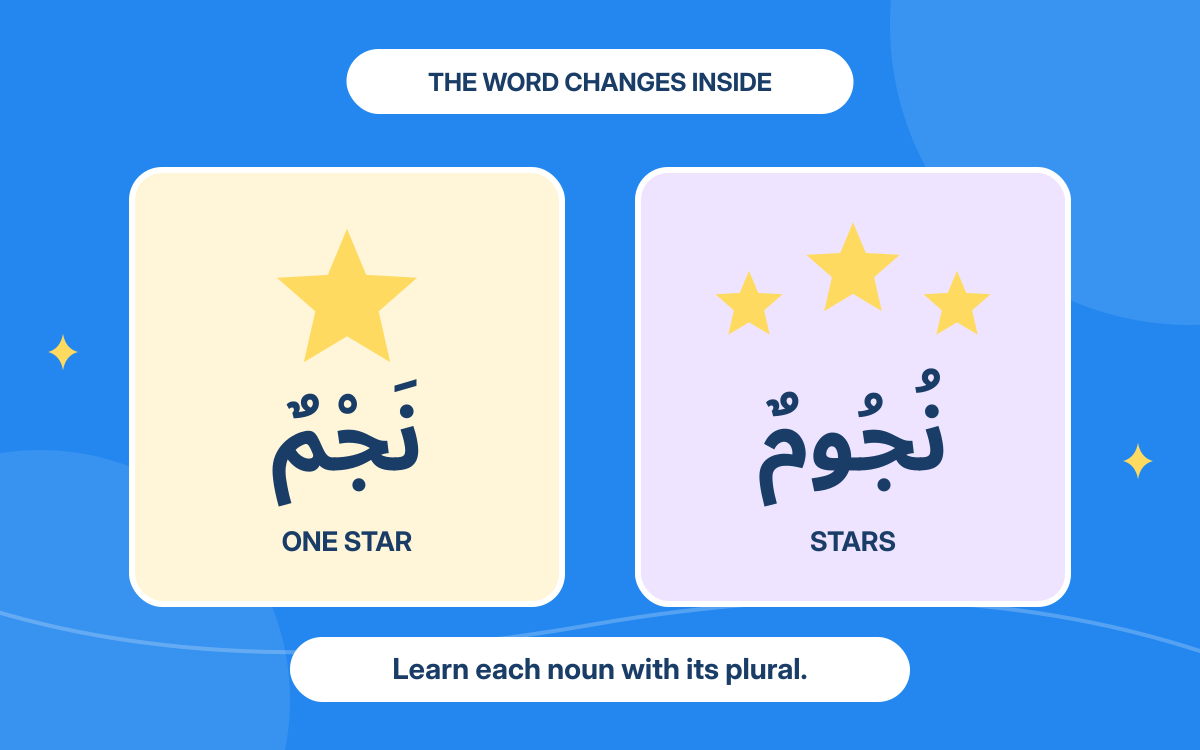
A broken plural changes the shape inside a noun. Najmun becomes nujumun: one star becomes stars. Instead of memorising unrelated spellings, you can notice recurring patterns. The pattern helps you recognise a plural you have learned; it does not tell you every noun’s plural automatically.
01Notice what changes inside the word
نَجْمٌ
najmun
A star
نُجُومٌ
nujumun
Stars
The consonants ن, ج and م stay in the same order. The vowels change, and و appears inside the plural to mark a long u sound. This internal change makes nujumun a broken plural. The final un is a case ending, not the feature that makes the noun plural.
02Use three letters as pattern slots
Grammar books use ف, ع and ل as placeholders for the first, second and third root consonants. They are labels for positions, not letters you add to every noun.
فُعُولٌ
The pattern used by nujumun
For the star pair, put ن in the first slot, ج in the second and م in the third. Keep the pattern’s vowels and its added و: the result is نُجُومٌ. Read the pattern from its Arabic letters and marks; the plain reading aids simplify sounds and do not distinguish short from long vowels.
03Compare a different shape
جَبَلٌ
jabalun
A mountain
جِبَالٌ
jibalun
Mountains
Jibalun follows فِعَالٌ, with an i sound at the start and a long a after the second root consonant. Here ج, ب and ل occupy the three slots. The added alif belongs to the plural pattern; it is not a new root consonant.
Nujumun and jibalun both name several things, but their internal shapes differ. Recognising that difference is more useful than looking only at the final letter.
04Watch for a doubled consonant
طَالِبٌ
talibun
A male student
طُلَّابٌ
tullabun
Male students
Tullabun follows فُعَّالٌ. The shaddah doubles the middle root consonant, ل, and the following alif marks a long a. Keep the doubled l when you say the word.
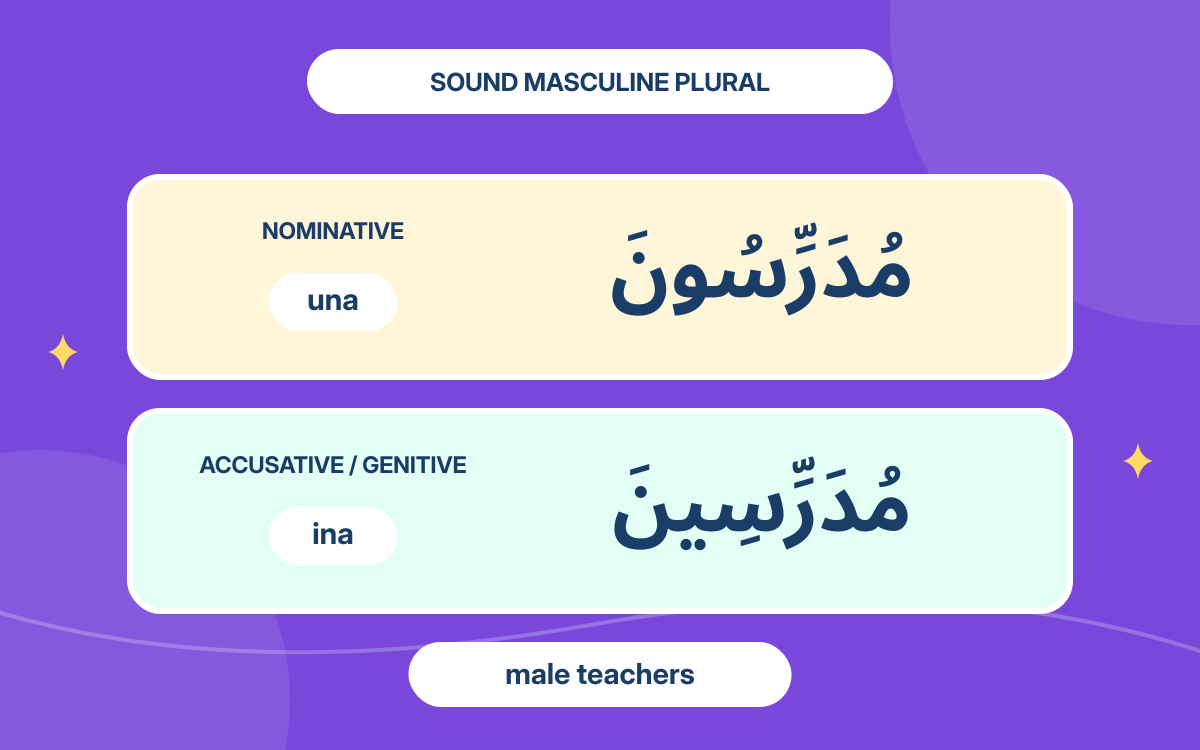
Broken plurals can name people too. A plural’s shape and whether it refers to humans are separate questions. Do not assume that every human plural takes the regular una ending.
05Recognise a pattern, then check the pair
قَلَمٌ
qalamun
A pen
أَقْلَامٌ
aqlamun
Pens
Aqlamun fits أَفْعَالٌ. Its opening hamza and added alif belong to the pattern; ق, ل and م supply the root consonants.
When reviewing a new word, first recall its singular and accepted plural. Next locate the root consonants. Then compare the plural with a familiar pattern. Some nouns have more than one accepted plural, so check a reliable dictionary or lesson before inventing a form.
These examples keep their full nominative endings for comparison. Changing case can change the final ending without changing which plural pattern you recognised.
What to remember
- Broken plurals reshape the noun internally; they can name people or nonhuman things.
- Pattern letters stand for root positions, while added letters and vowels show the shape.
- Learn each noun with its plural, then use patterns to organise and recognise the pair.
Your reference shelf
Open a guide whenever you need it.
Four patterns beside their examplesReview the root slots and a familiar fifth pattern
| Pattern | Singular | Plural | Meaning |
|---|---|---|---|
| فُعُولٌ | نَجْمٌ | نُجُومٌ | Star / stars |
| فِعَالٌ | جَبَلٌ | جِبَالٌ | Mountain / mountains |
| فُعَّالٌ | طَالِبٌ | طُلَّابٌ | Male student / male students |
| أَفْعَالٌ | قَلَمٌ | أَقْلَامٌ | Pen / pens |
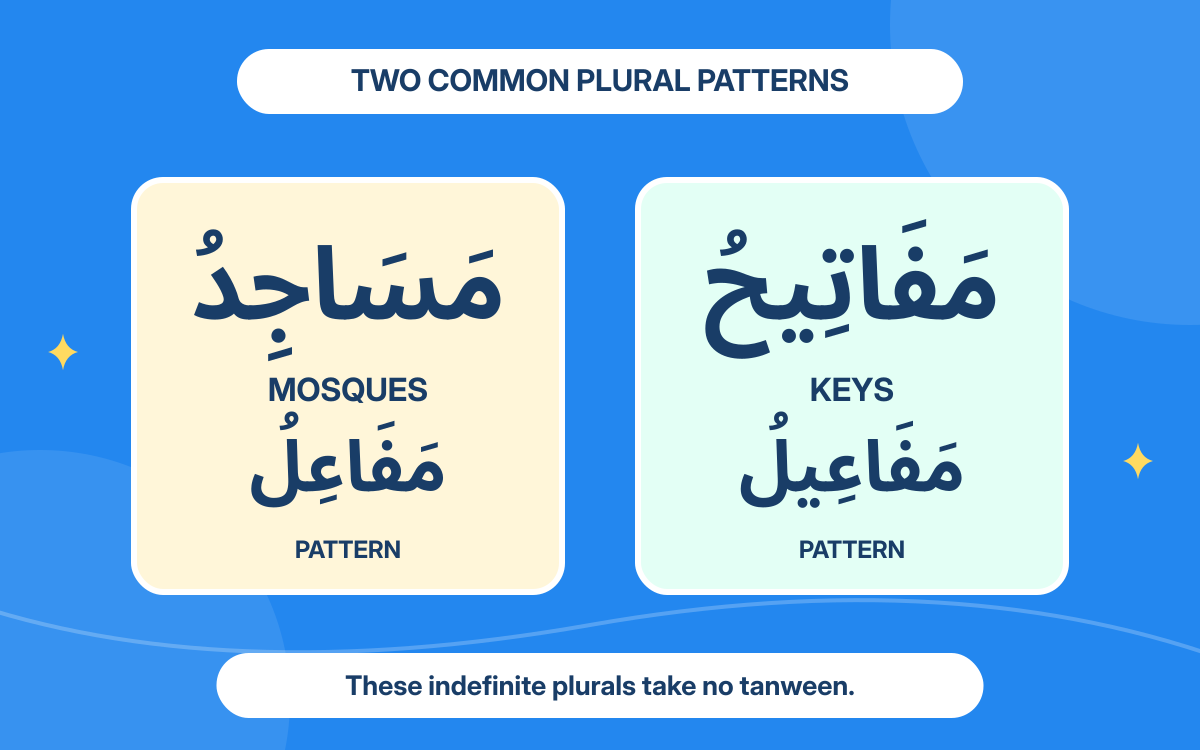
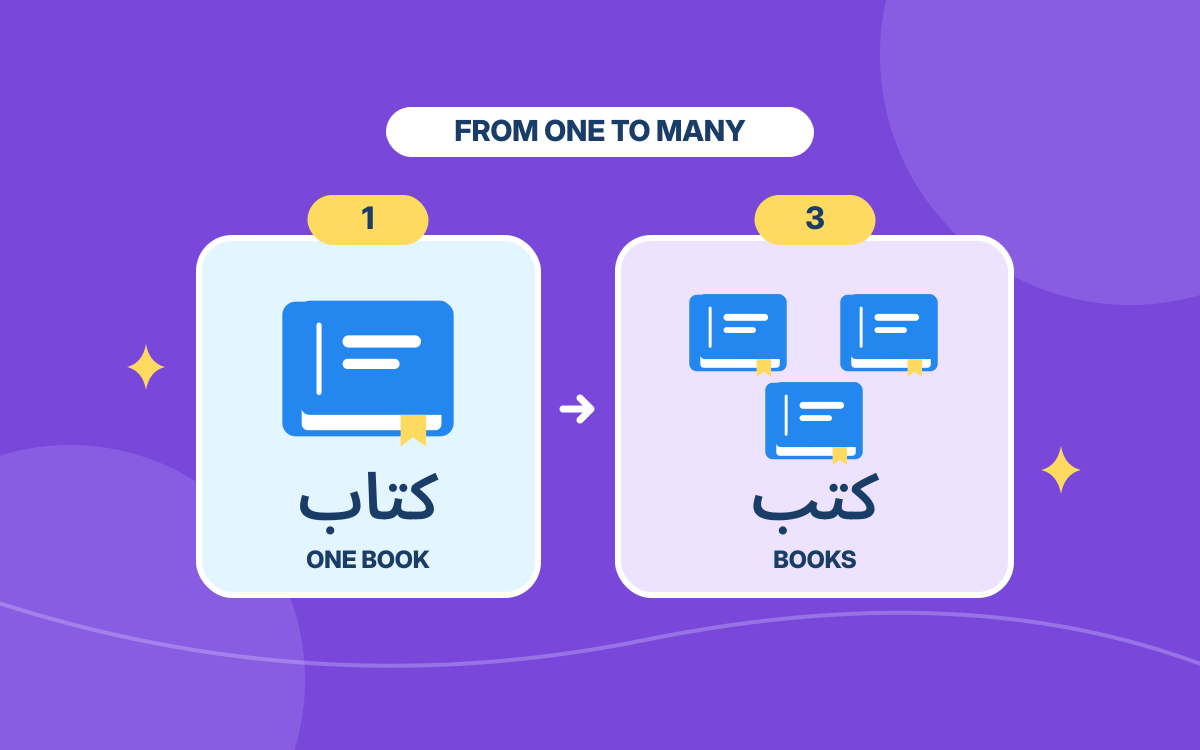
The familiar pair كِتَابٌ and كُتُبٌ uses another pattern, فُعُلٌ. Its plural has three root consonants with short u vowels and no added long vowel between them. This differs from فُعُولٌ, which includes a long u.
Not every Arabic noun has exactly three root consonants, and these four patterns do not exhaust the broken plurals. They provide a manageable first set. The nominative tanween shown here belongs to these particular examples; some other broken plural patterns are diptotes and do not take tanween.
Sources & further learning
References for the language explanations and learning guidance.