
38 Interesting Facts About the Arabic Language
Why does Arabic have several forms of “you”? How did it influence the word “zero”? Discover 38 facts about its history, writing, and everyday use.
Syed Masthan, M.A.Find practical Arabic learning tips, plan your study routine and understand common learning questions. Build habits that help you learn Arabic.
Why does Arabic have several forms of “you”? How did it influence the word “zero”? Discover 38 facts about its history, writing, and everyday use.
Syed Masthan, M.A.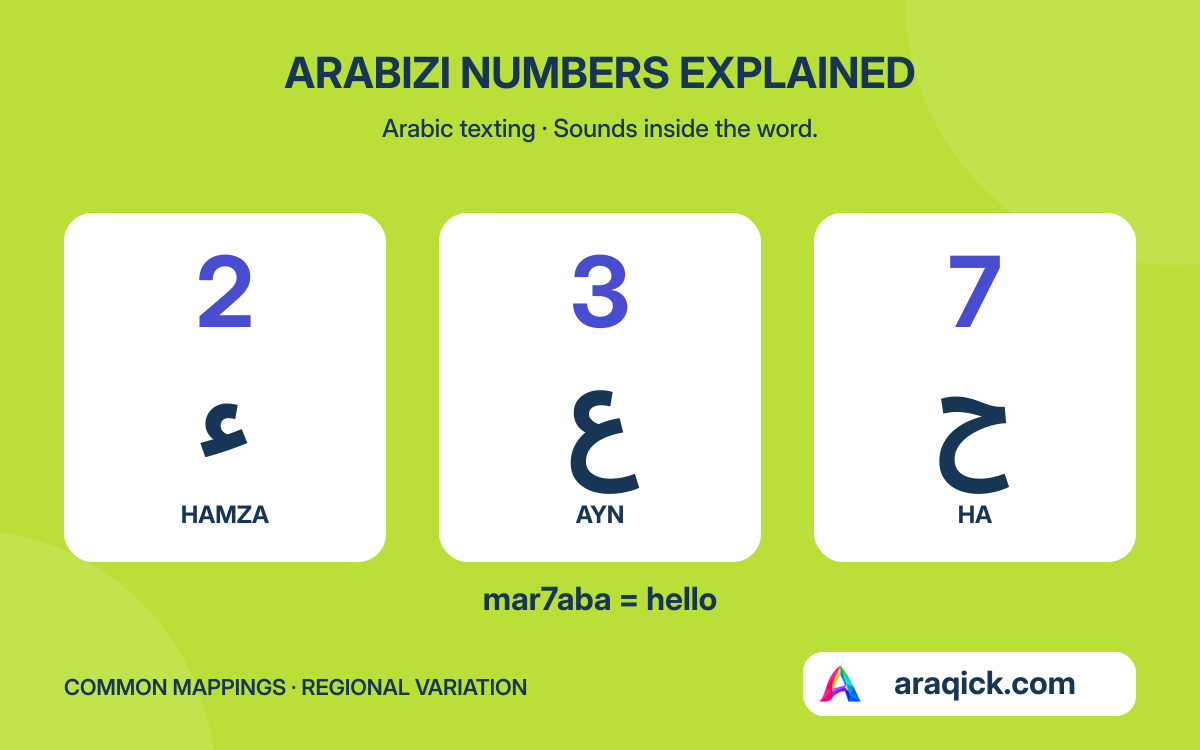
Understand why Arabic messages use numbers, compare common regional mappings, and decode simple examples with seven quizzes.
Syed Masthan, M.A.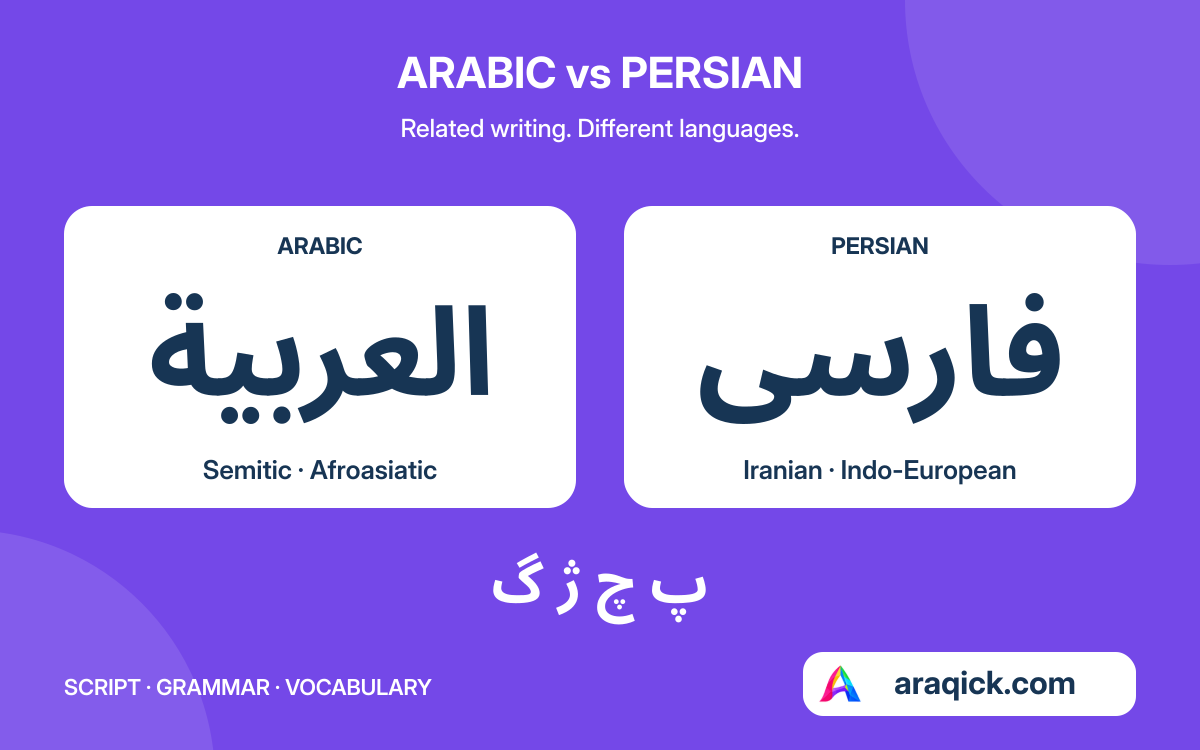
Compare Arabic and Persian scripts, grammar, sounds and shared vocabulary. See clear examples and practise the differences with seven quizzes.
Syed Masthan, M.A.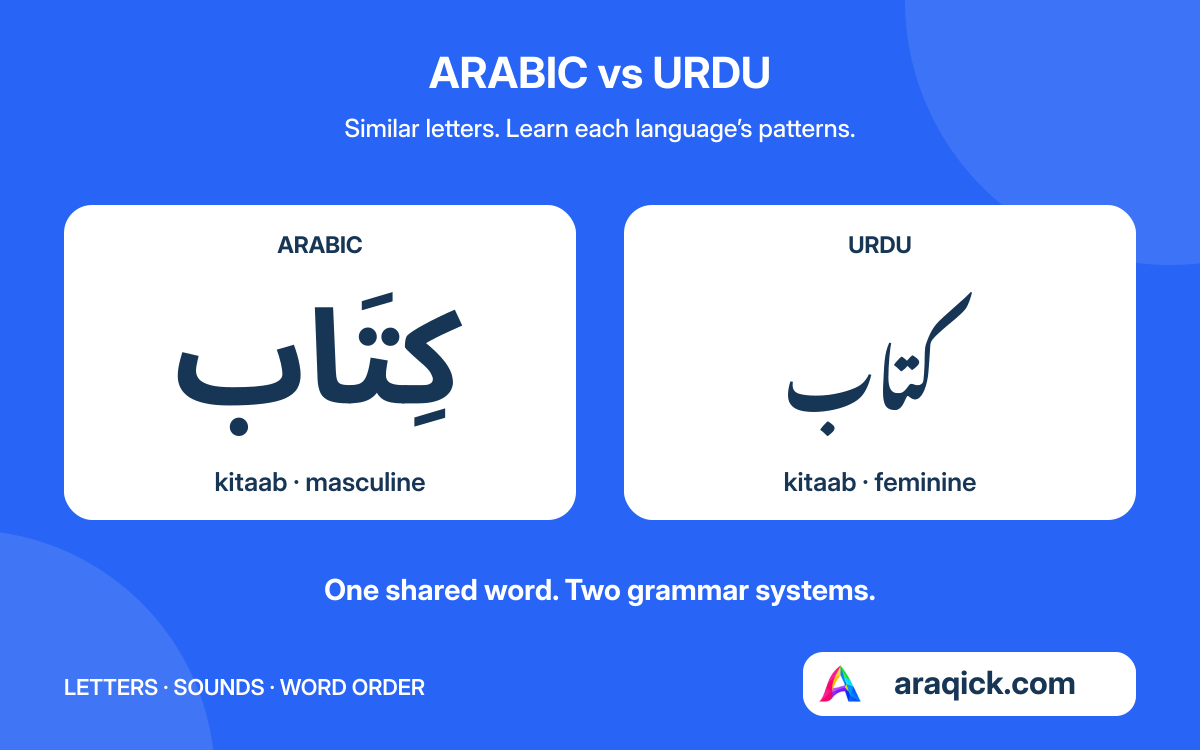
Explore Arabic and Urdu letters, sounds, grammar and shared words. Compare practical examples and test your understanding with seven quizzes.
Syed Masthan, M.A.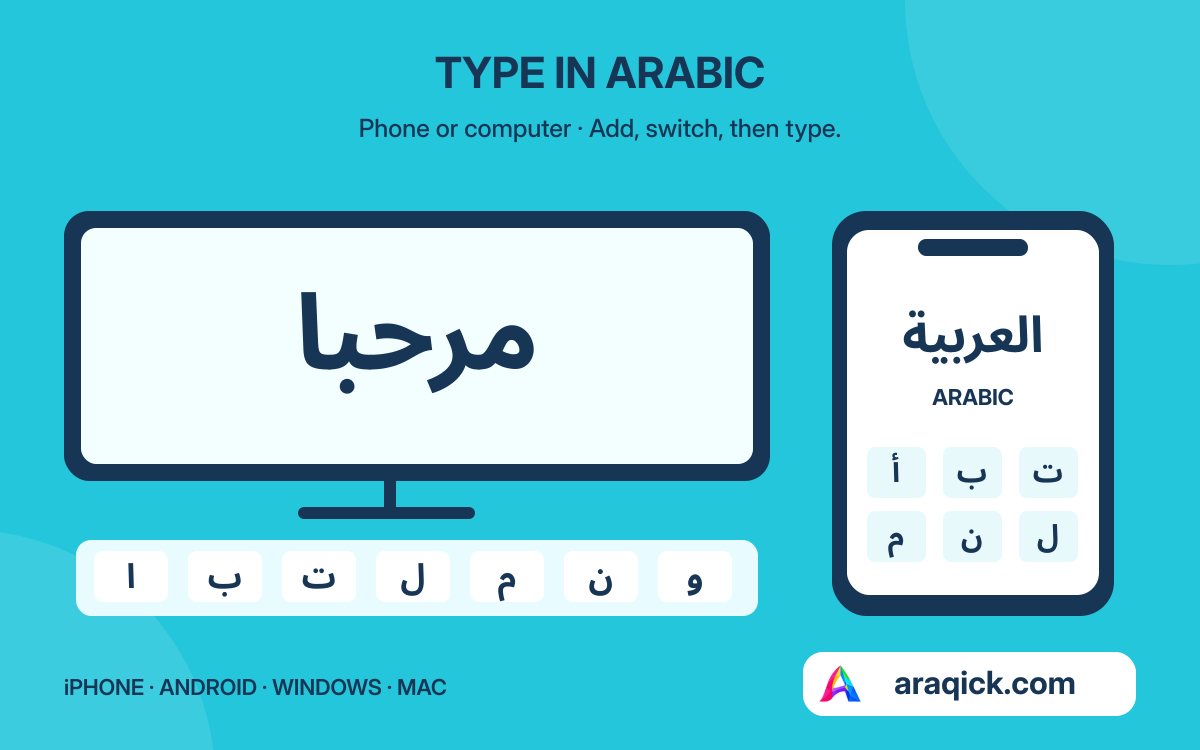
Add an Arabic keyboard on iPhone, Android, Windows or Mac. Learn switching, vowel marks and text direction, then practise with seven quizzes.
Syed Masthan, M.A.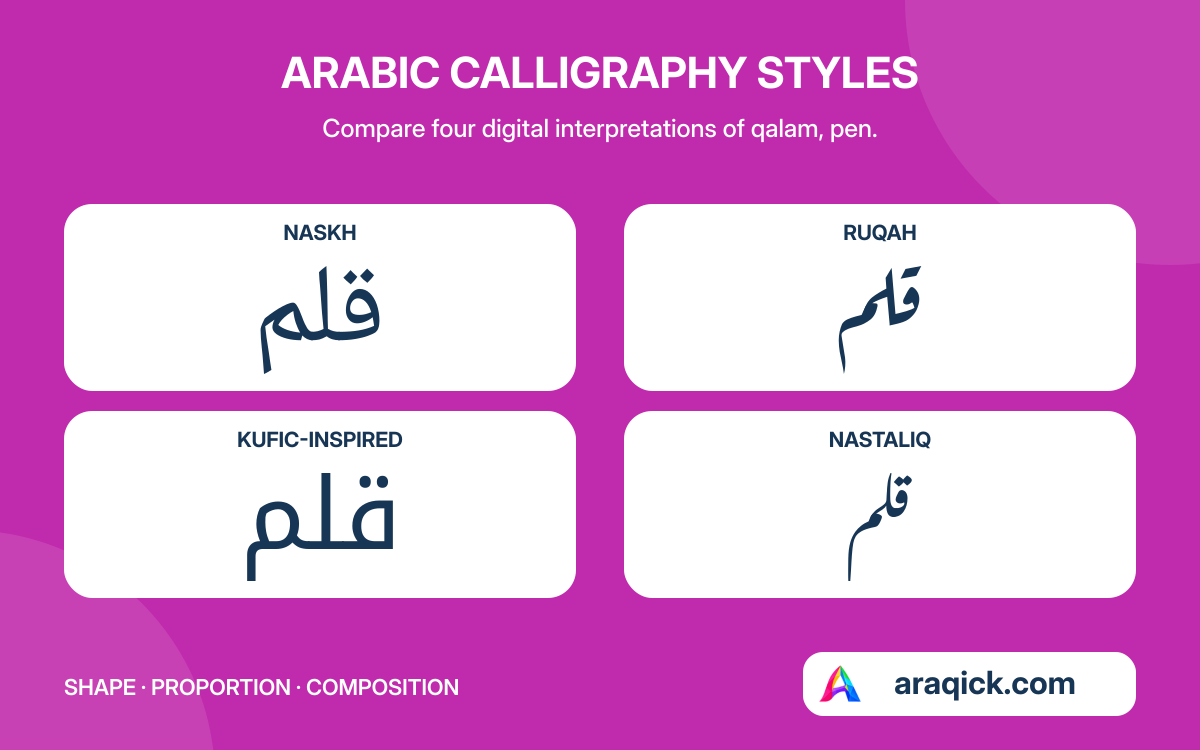
Recognise Naskh, Ruqah, Kufic, Thuluth, Diwani and Nastaliq. Compare style examples, explore their uses and practise with seven quizzes.
Syed Masthan, M.A.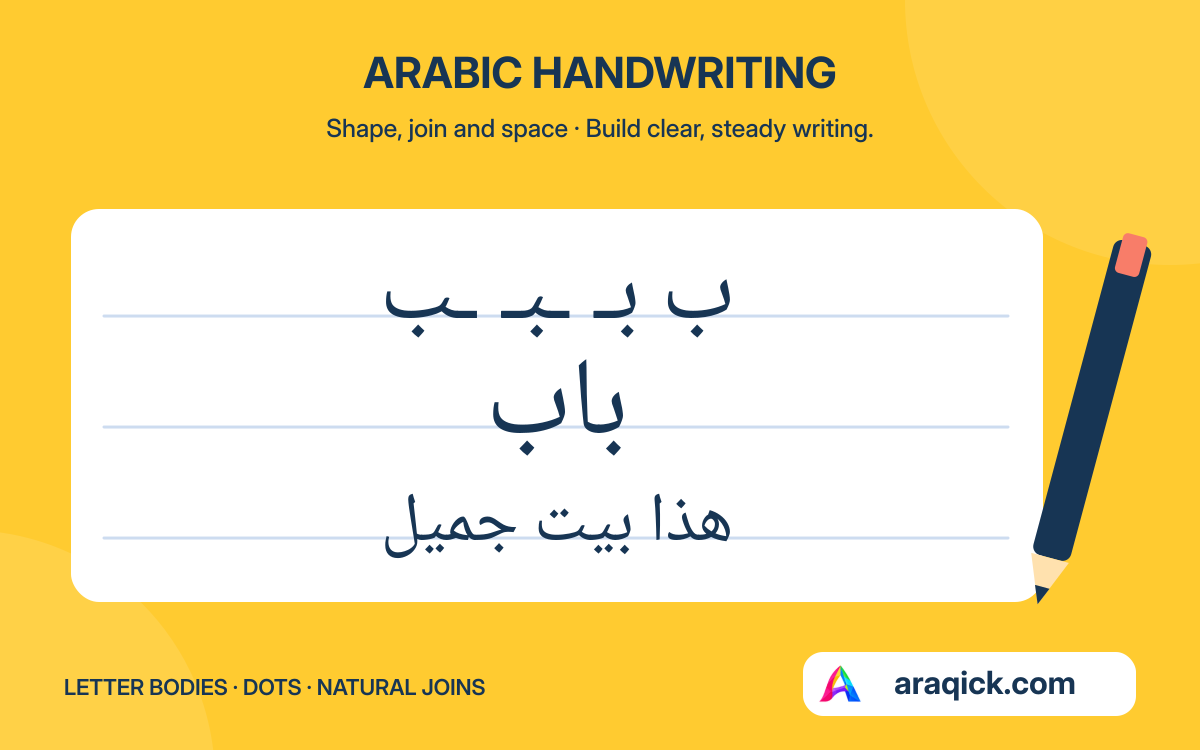
Practise Arabic handwriting with clear letter shapes, joins, baseline and spacing exercises. Follow visual models and try seven quizzes.
Syed Masthan, M.A.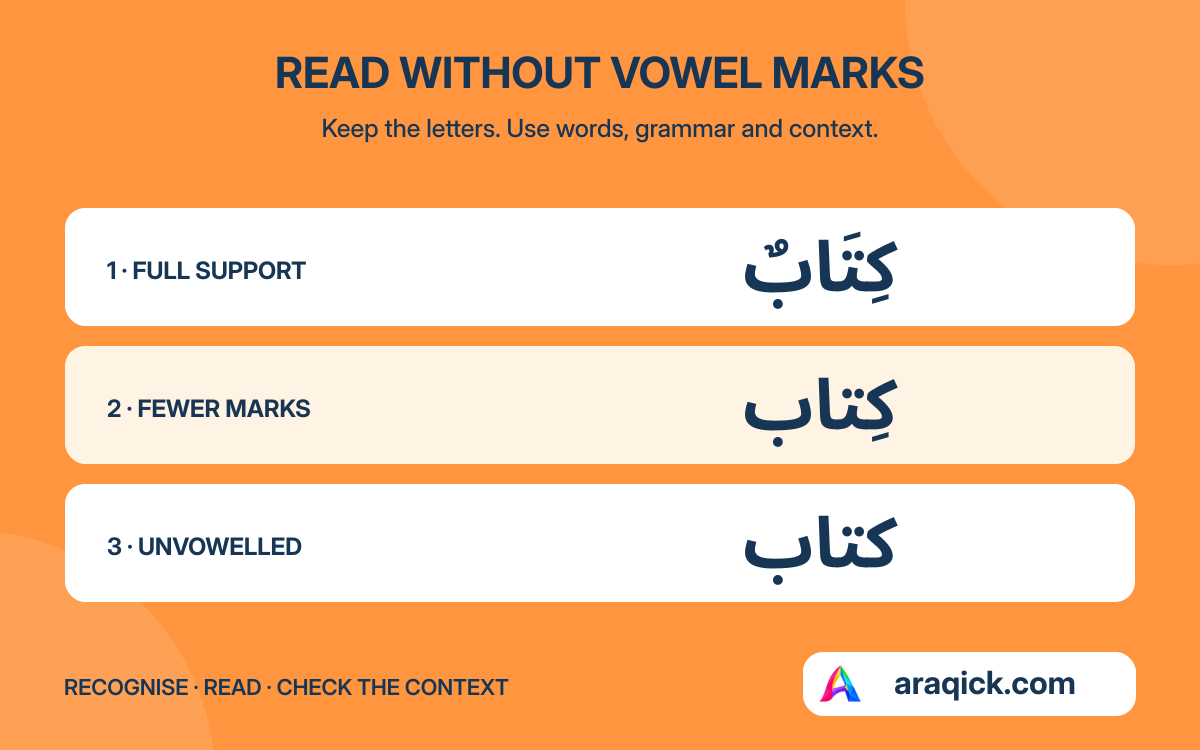
Read Arabic without short vowel marks using vocabulary, context and sentence patterns. Follow gradual examples and practise with seven quizzes.
Syed Masthan, M.A.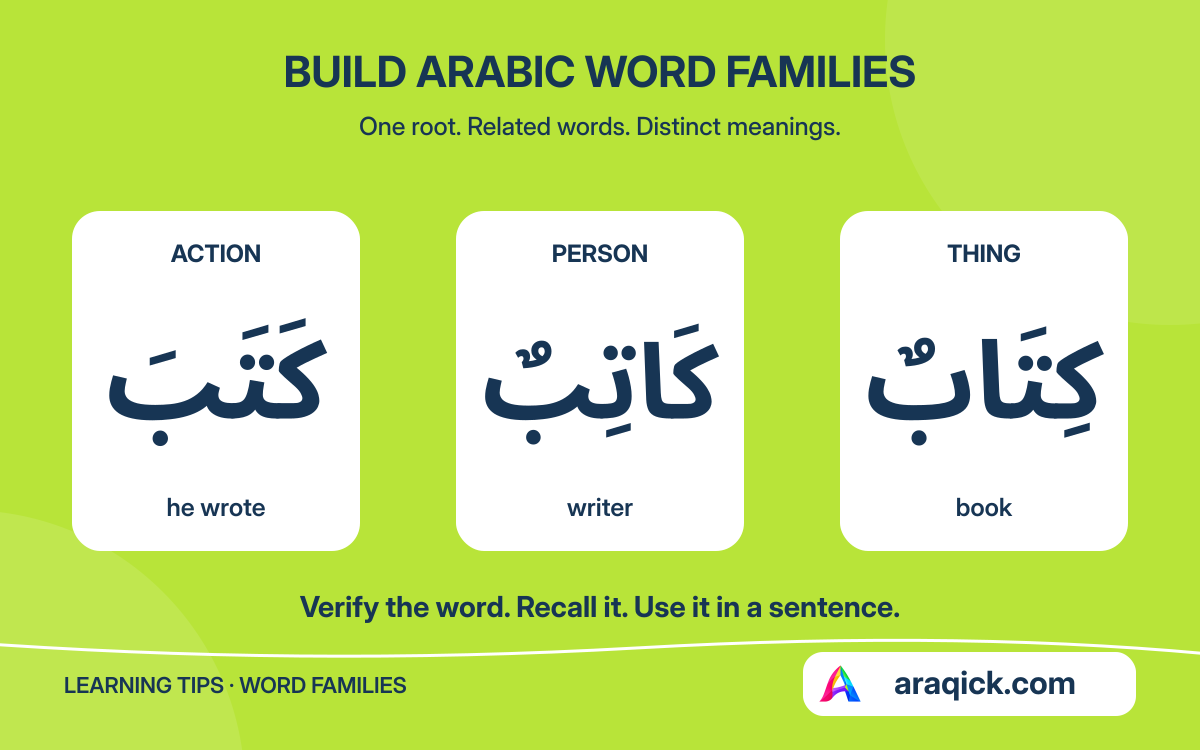
Build Arabic vocabulary with small, verified word families. Connect roots, verb patterns and meanings, then practise with charts and seven quizzes.
Syed Masthan, M.A.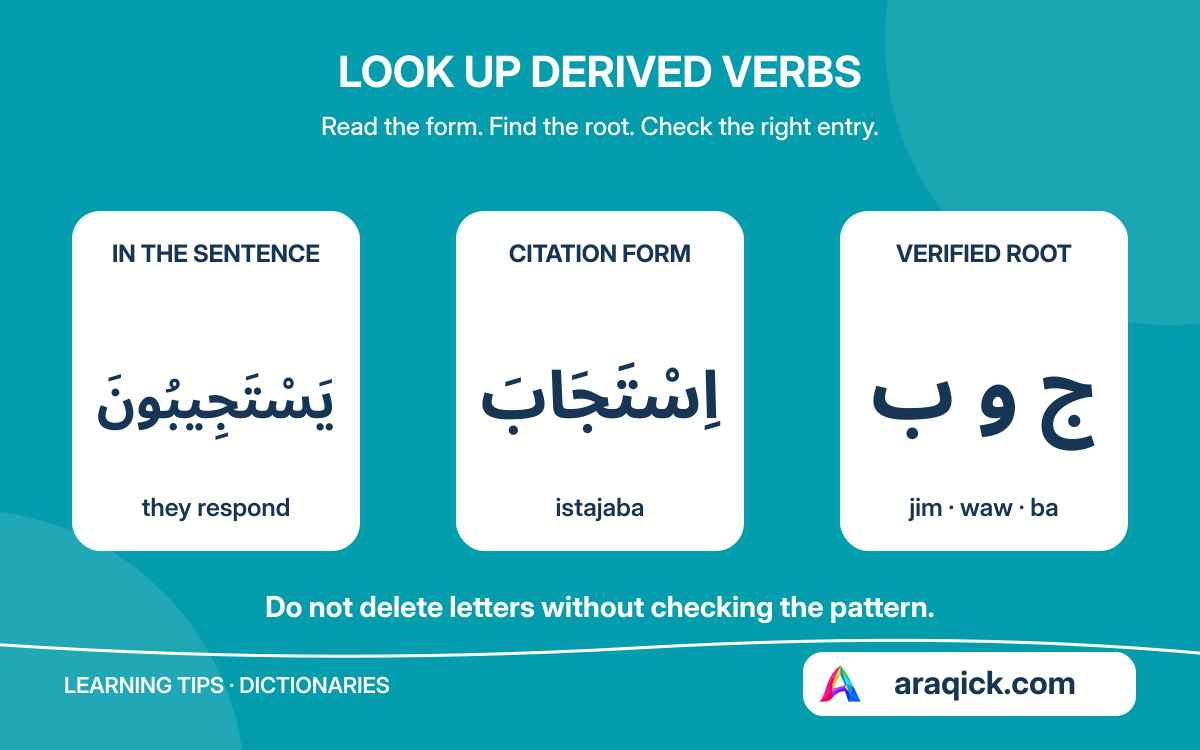
Look up derived Arabic verbs by separating endings, finding the pattern and checking hidden weak letters. Includes lookup charts and seven quizzes.
Syed Masthan, M.A.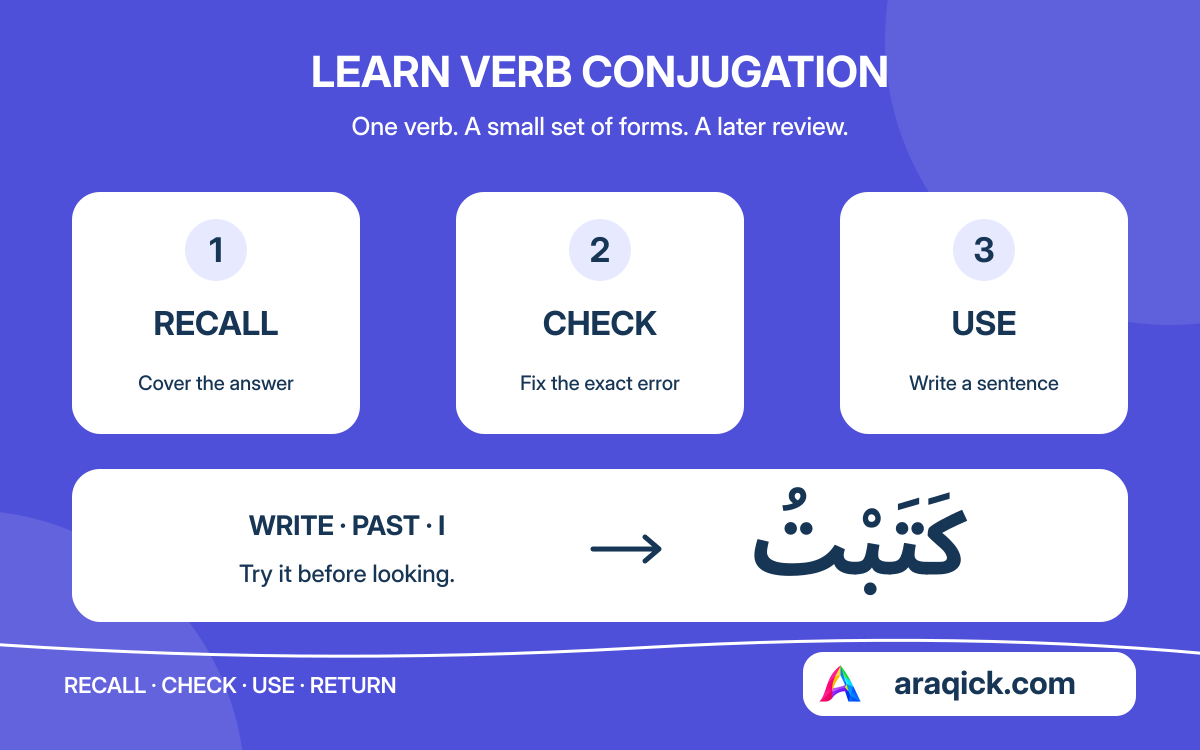
Learn Arabic verb conjugation with a short recall routine. Practise verb pairs, person changes, sentences and review using seven quizzes.
Syed Masthan, M.A.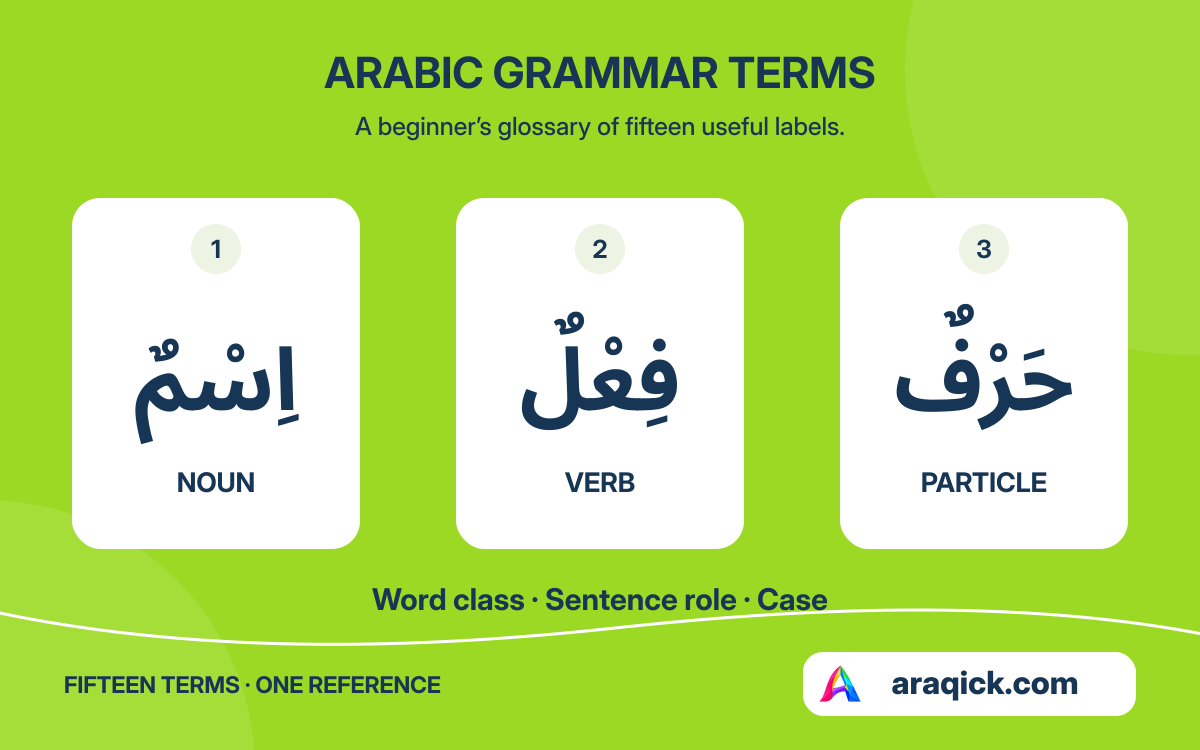
Understand fifteen common Arabic grammar terms in plain English, with examples, a reference glossary and seven practice questions.
Syed Masthan, M.A.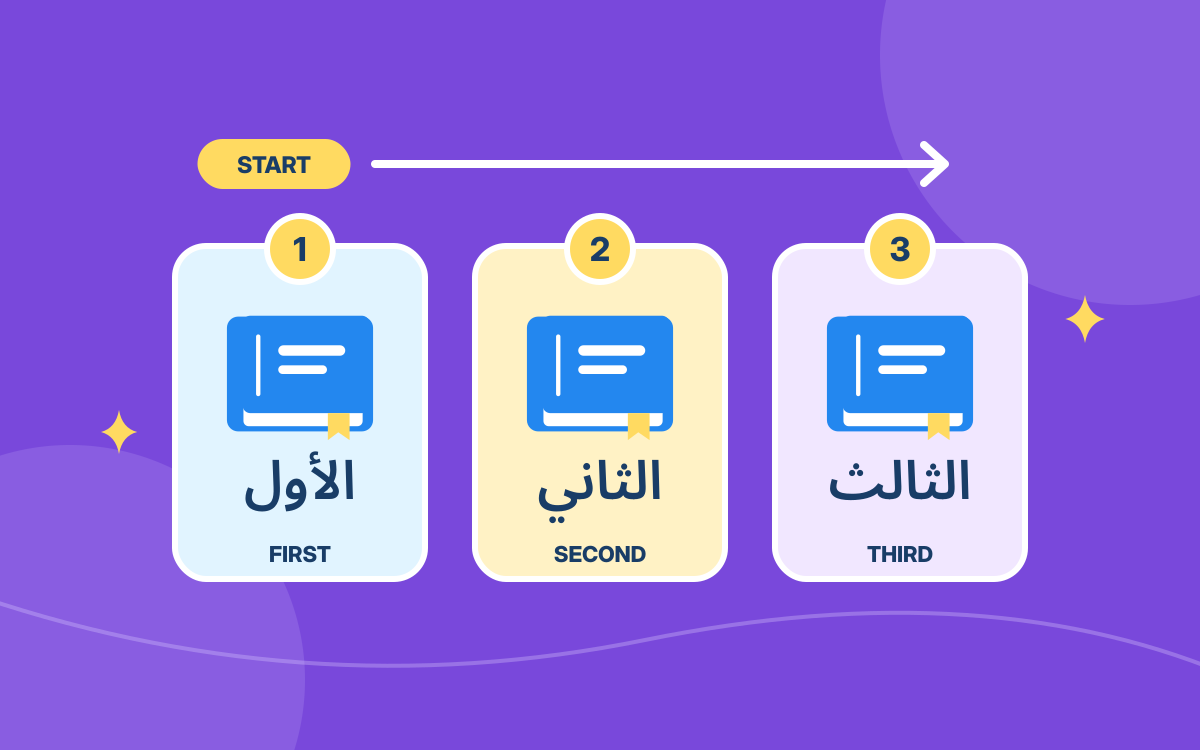
Learn first, second and third in Arabic, match ordinal forms to books and pages, then explore the complete first to tenth reference. Includes seven quick questions.
Syed Masthan, M.A.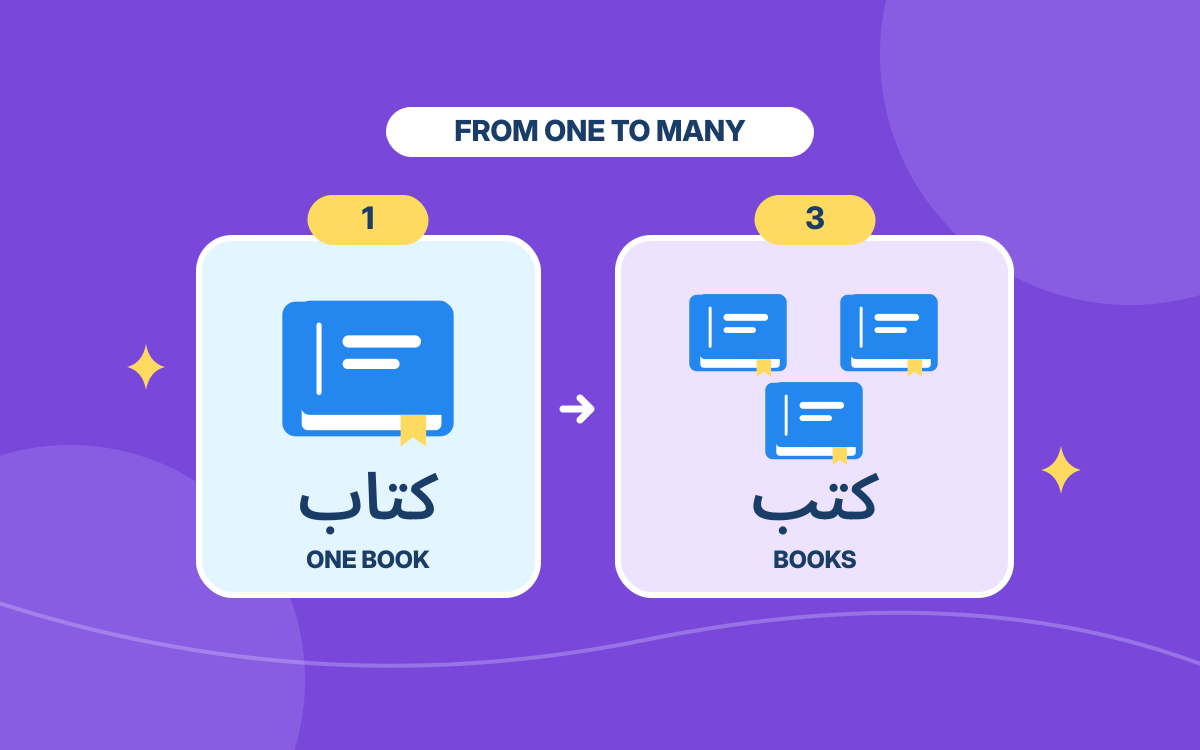
Learn eight useful Arabic singular and plural pairs with clear object illustrations, short explanations and seven quick questions.
Syed Masthan, M.A.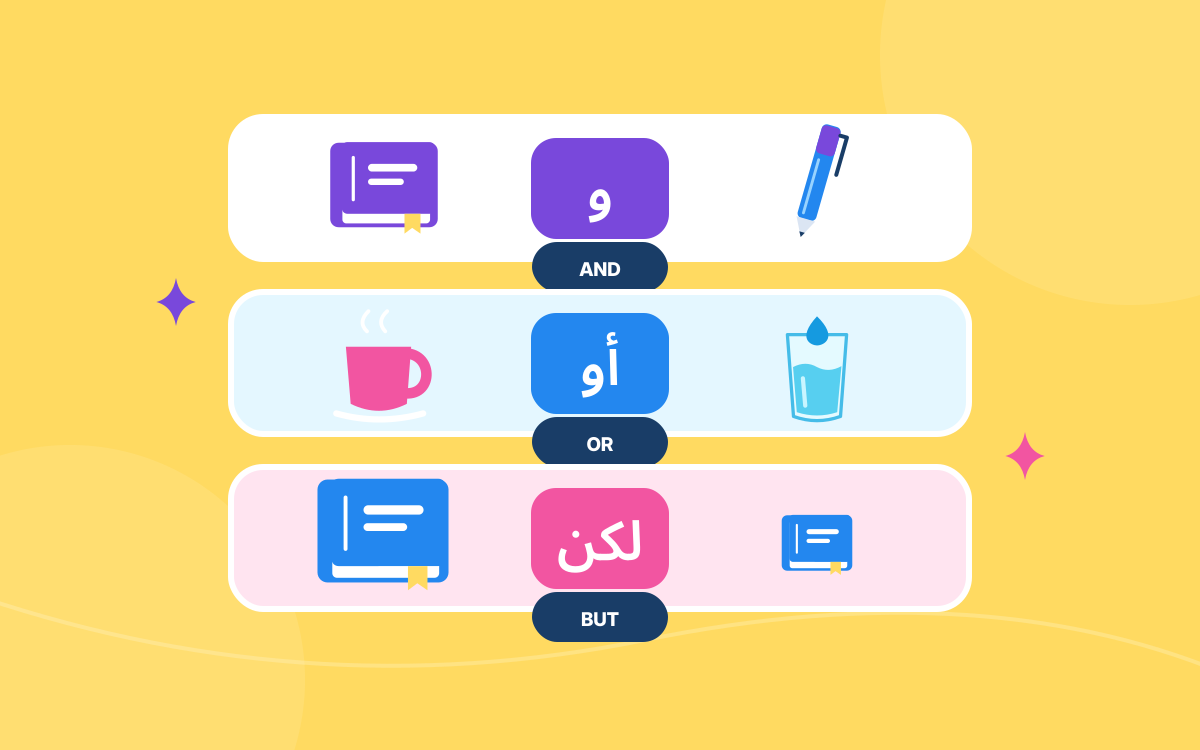
Learn wa, aw and lakin through short Arabic examples. Join two things, express an alternative and connect contrasting ideas, then practise with seven questions.
Syed Masthan, M.A.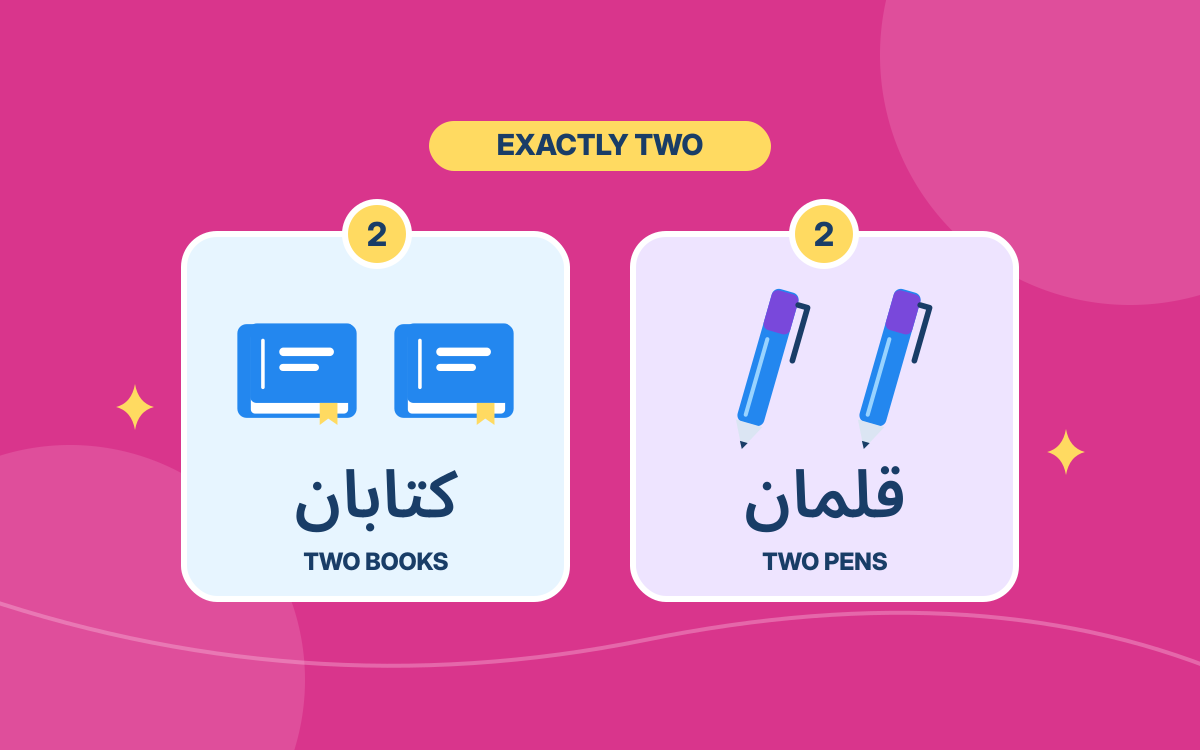
Learn regular Arabic dual nouns and the special stems for father and brother. Practise nominative forms and “these are” sentences through seven quick questions.
Syed Masthan, M.A.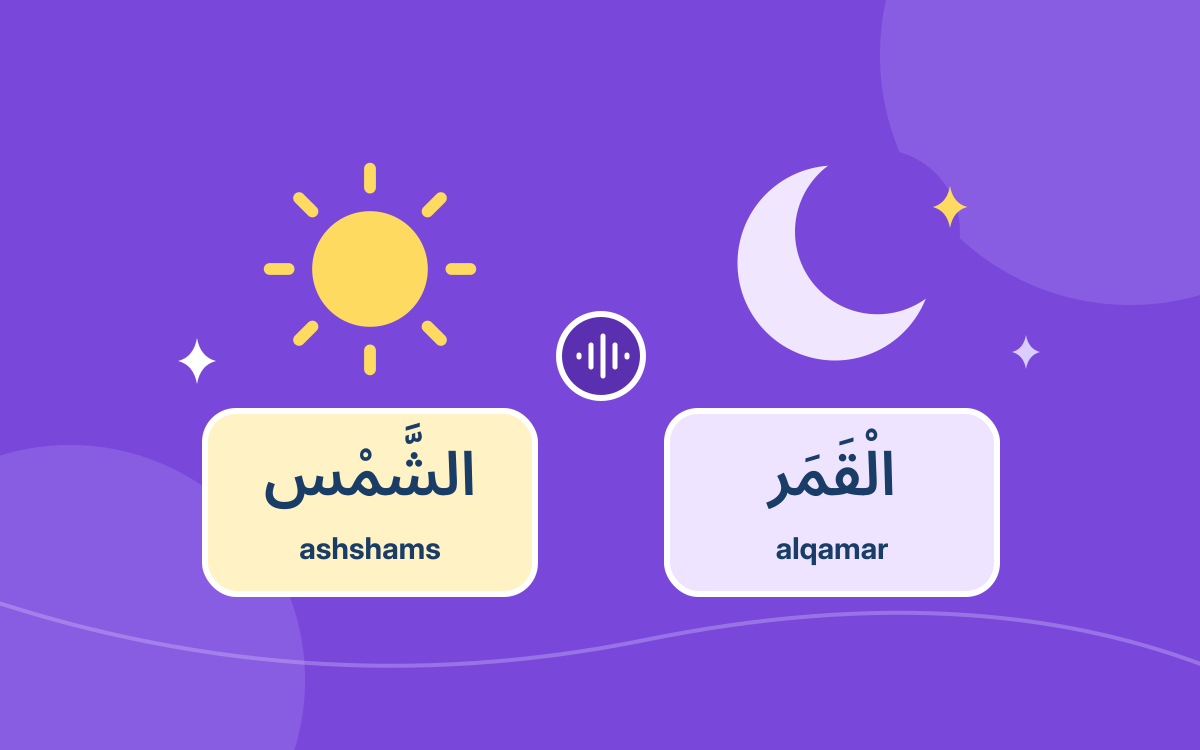
Learn when the l in Arabic al is pronounced, when the next consonant doubles, and why the written spelling stays the same. Includes all 28 letters and seven questions.
Syed Masthan, M.A.
Recognise Arabic letter families, see how letters join, and try seven quick questions. Keep the complete 28-letter chart handy for reference.
Syed Masthan, M.A.
Choose an Arabic starting point that fits your goal. Compare MSA and regional speech, then check your understanding with five short questions.
Syed Masthan, M.A.
Start with one useful goal, a few words and a repeatable routine. Build an Arabic sentence and check your plan with five quick questions.
Syed Masthan, M.A.
Start Quranic Arabic with a practical plan for reading, vocabulary, word forms and short passages. Includes reference charts and six questions.
Syed Masthan, M.A.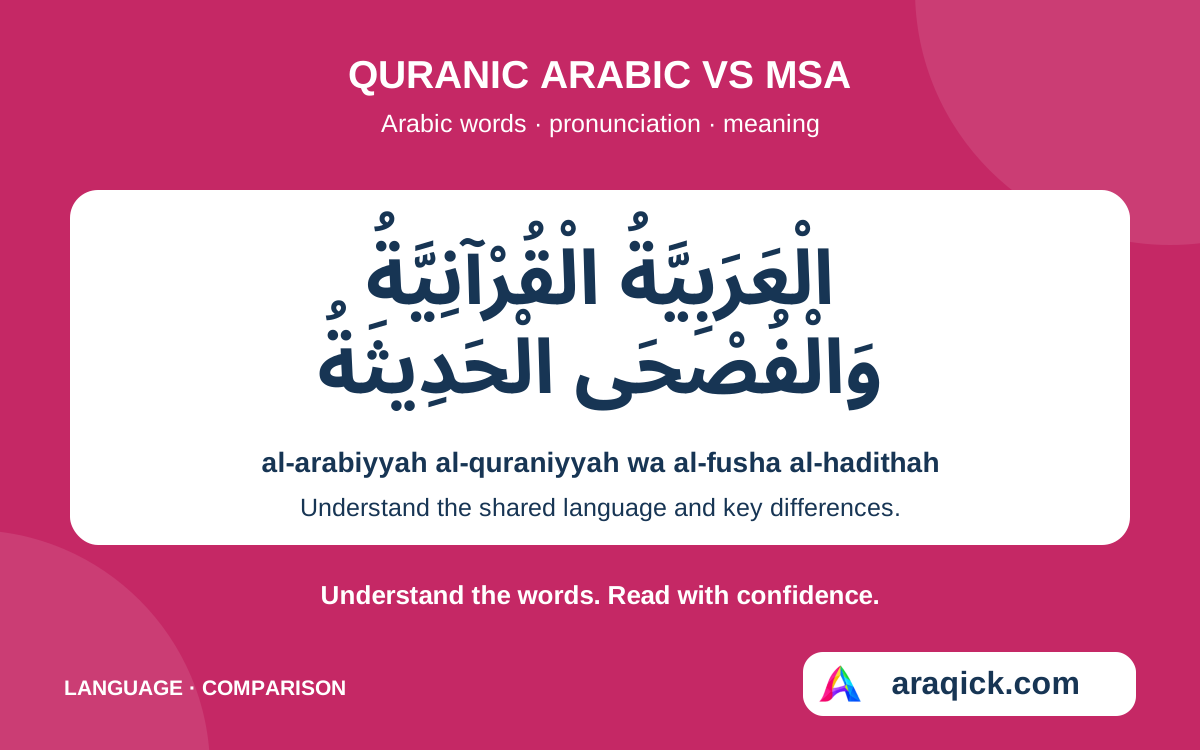
Compare Quranic Arabic and Modern Standard Arabic through vocabulary, grammar, writing and reading goals, with examples and six questions.
Syed Masthan, M.A.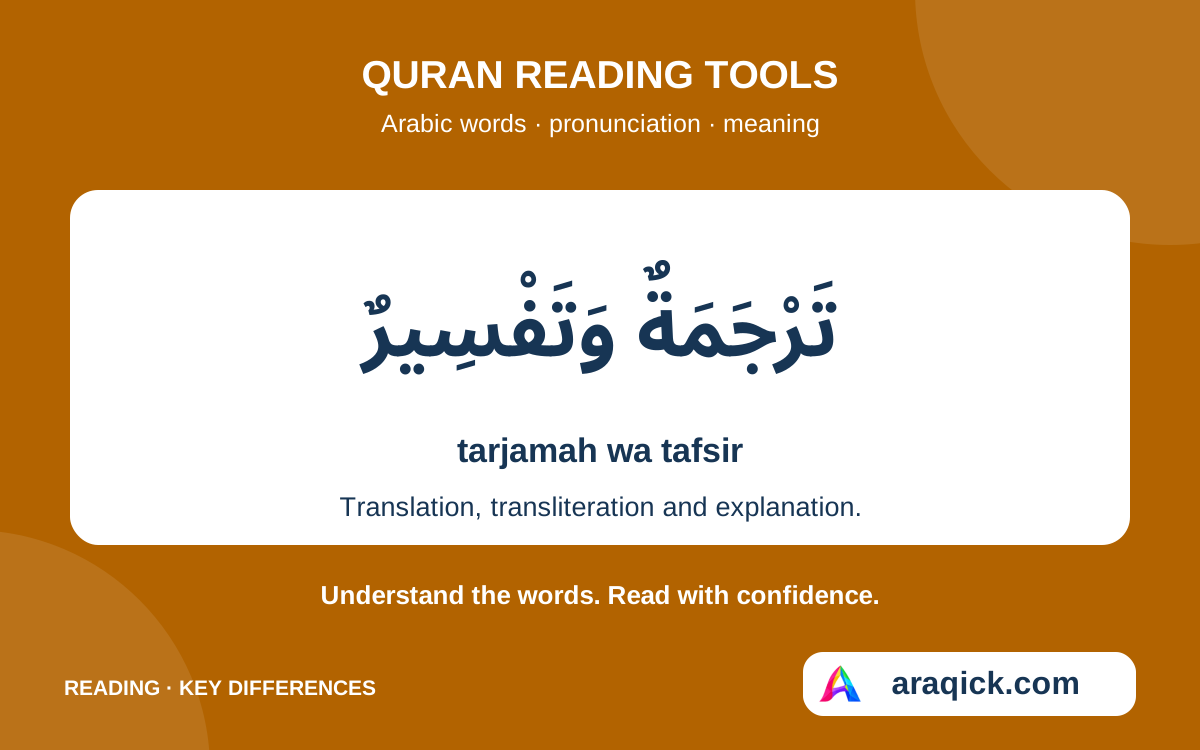
Learn how Quran translation, transliteration and tafsir differ, when to use each, and why word-by-word glosses need context. Includes six questions.
Syed Masthan, M.A.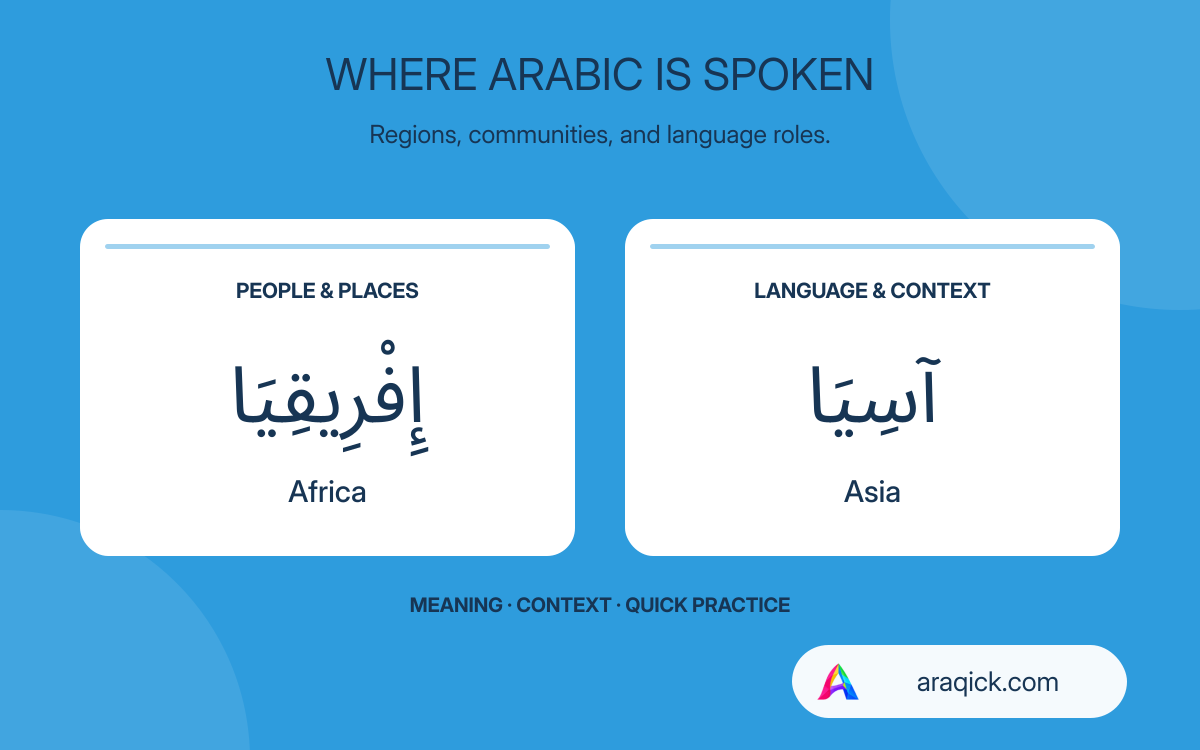
Explore where Arabic is spoken across Africa and Asia, with regional country lists, official-status examples, dialect notes and seven practice questions.
Syed Masthan, M.A.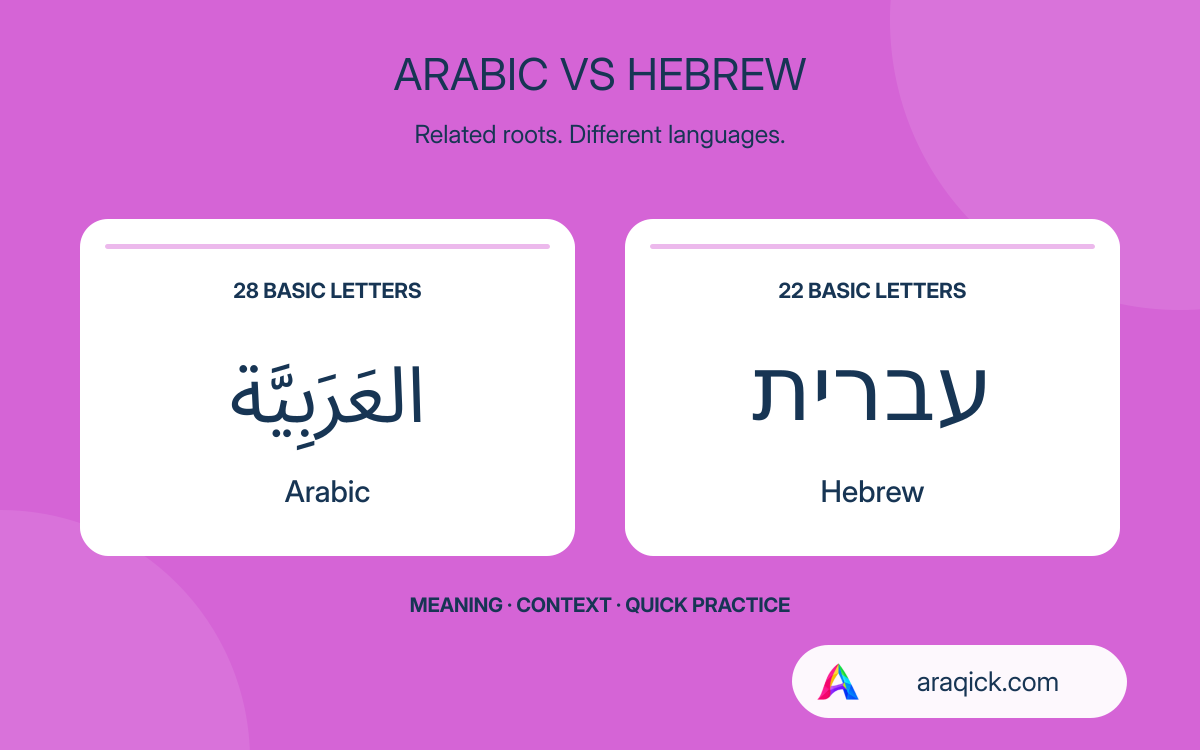
Compare Modern Standard Arabic and Modern Hebrew: scripts, vowel marks, shared roots, grammar and familiar words, with charts and seven quizzes.
Syed Masthan, M.A.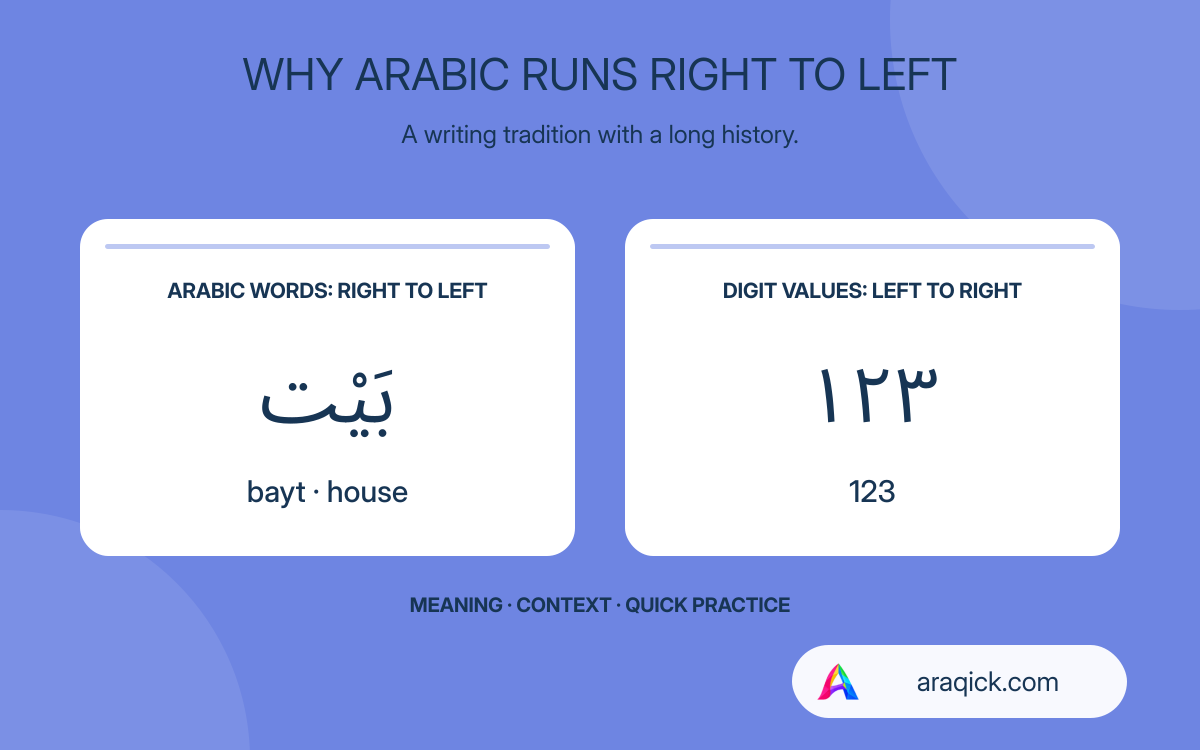
Learn why Arabic writing runs right to left, how Nabataean and Aramaic scripts connect to its history, and why decimal numbers keep their own direction.
Syed Masthan, M.A.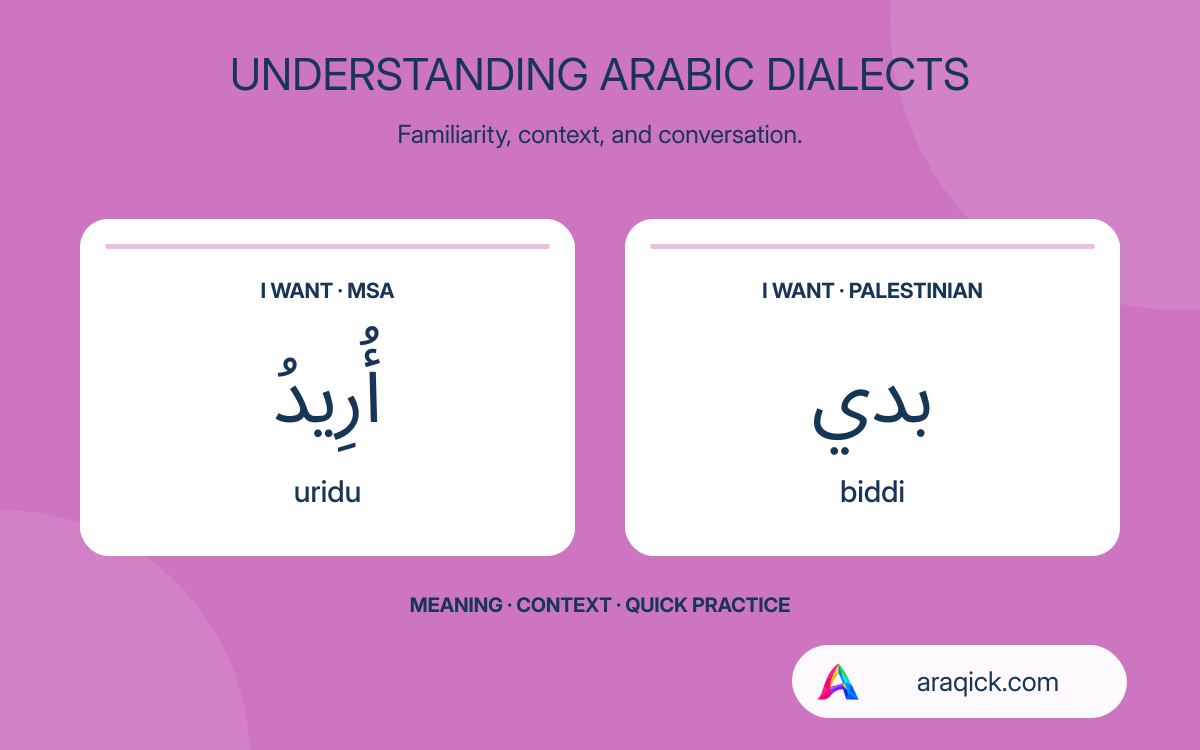
Understand what helps Arabic speakers communicate across dialects: familiar vocabulary, exposure, context, rephrasing and MSA, with seven questions and comparison charts.
Syed Masthan, M.A.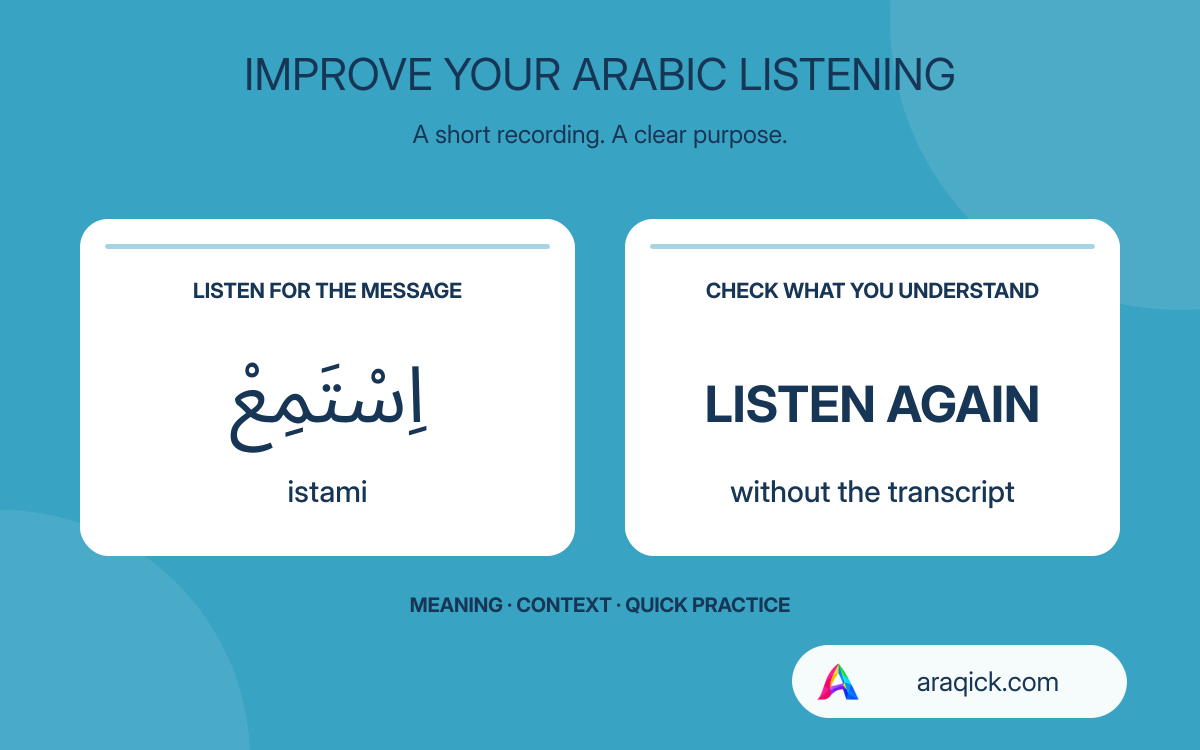
Build Arabic listening practice around short recordings, a transcript and clear tasks. Try a flexible 15-minute routine and seven strategy questions.
Syed Masthan, M.A.Try a different word or clear your search.