A short question word can hide two parts. Bima combines bi with interrogative ma, meaning with what. Formal Arabic removes ma’s final alif after a preposition. Learn four common forms, including the doubled mim in mimma and amma.
01Ask with what using bima
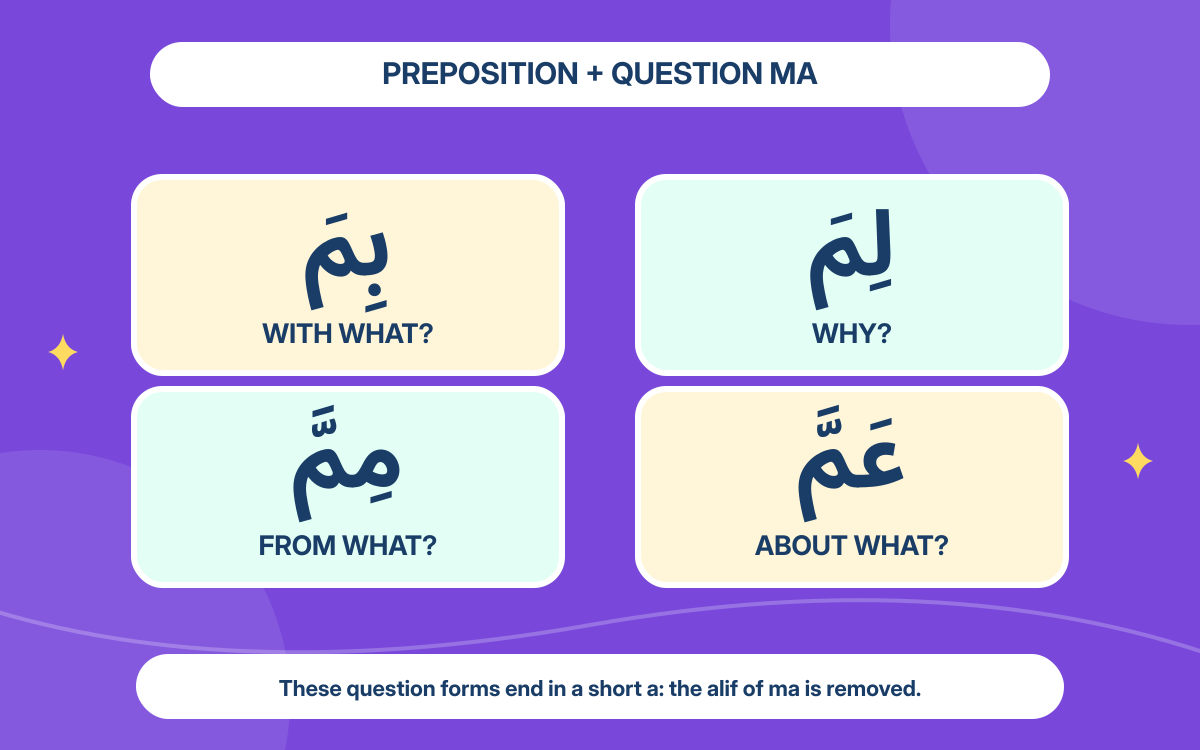
Interrogative مَا asks what. After a preposition, its final alif is removed in standard formal writing, leaving a short final a. Bi plus ma becomes بِمَ (bima), with what.
بِمَ كَتَبْتَ الرِّسَالَةَ؟
bima katabta rrisalata
With what did you write the letter? — to one man
The question asks for the writing instrument. A reply could be بِقَلَمٍ (biqalamin), with a pen. Write bima without a final alif. Our plain Latin aid uses a for both vowel lengths; the Arabic spelling and this short a rule distinguish them.
02Ask why using lima
Li plus interrogative ma becomes لِمَ (lima). It asks why: for what reason?
لِمَ تَدْرُسُ الْعَرَبِيَّةَ؟
lima tadrusu larabiyyata
Why do you study Arabic? — to one man
This asks for a reason, not the language’s name. The final alif of ma is absent, just as in bima. Tadrusu keeps its ordinary indicative u ending: this spelling contraction changes the question phrase, not the verb’s mood. Lima and the familiar limadha both ask why in this example.
03Combine min and ma into mimma
Min means from. With interrogative ma, its nun assimilates into the following mim, giving a doubled m. Remove ma’s final alif too: مِنْ plus مَا becomes مِمَّ (mimma), from what.
مِمَّ يَتَكَوَّنُ الْبَابُ؟
mimma yatakawwanu lbabu
What is the door made of?
Yatakawwanu means consists or is composed. The question asks about the door’s material. The shaddah on mim marks the doubled mm. The final vowel of mimma is short a; there is no final alif.
04Recognise amma without confusing as for
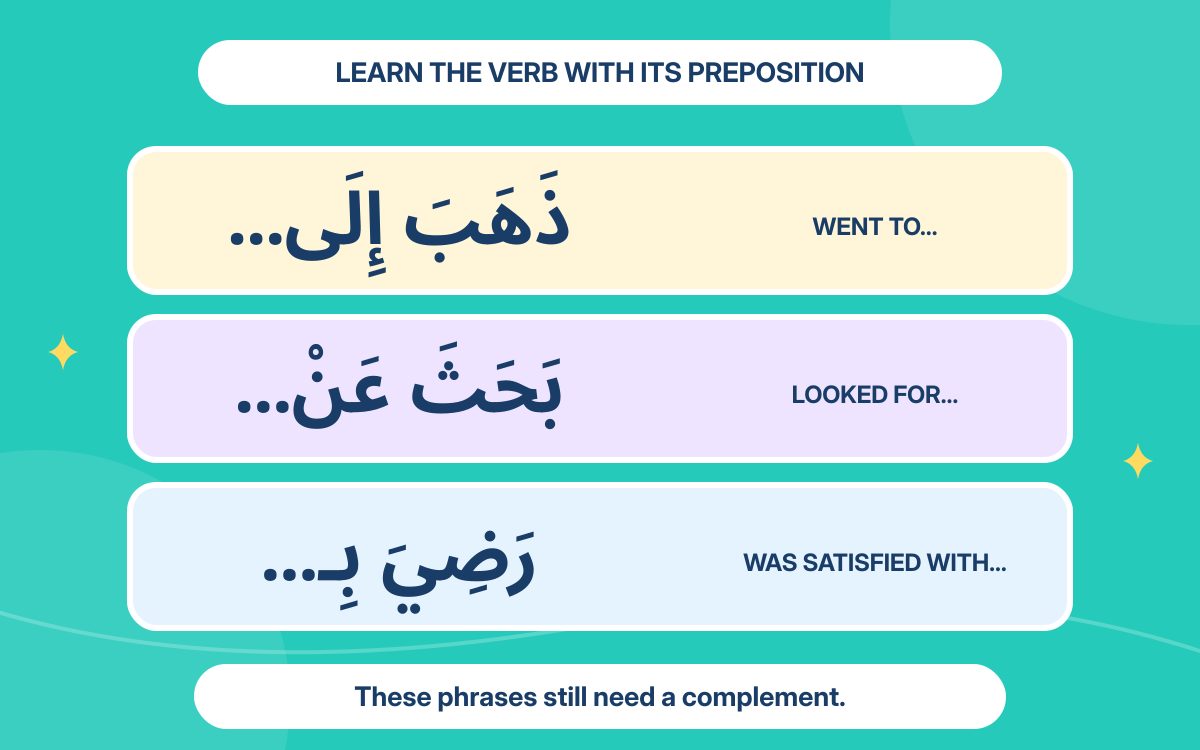
An means about, and follows searching for in the learned pairing bahatha an. An plus interrogative ma becomes عَمَّ (amma): nun assimilates into mim, and ma loses its alif.
عَمَّ تَبْحَثُ؟
amma tabhathu
What are you searching for? — to one man
عَمَّ begins with ayn and ends without alif. The different word أَمَّا, as for, begins with hamzah and retains a final alif. Our simplified Latin aid writes both as amma, so check the Arabic letters and the sentence’s meaning.
05Keep the contracted question phrase together
Choose the relationship first: with what, why, from what or about what. Keep the preposition and interrogative ma together as one written word.
بِمَ كَتَبْتَ الرِّسَالَةَ؟
bima katabta rrisalata
With what did you write the letter? — to one man
Build this question with bima first, then katabta, you wrote, then arrisalata, the letter. The letter is the accusative object of writing, ending in a. Bima asks about the instrument and does not turn the letter into a genitive noun. The alif deletion rule here concerns interrogative ma; other uses of ma need their own spelling.
What to remember
- After a preposition, interrogative ma loses its final alif and keeps a short final a: بِمَ and لِمَ.
- Min and an also assimilate nun into mim, giving مِمَّ and عَمَّ with a doubled m.
- Read Arabic letters and context: عَمَّ, about what, differs from أَمَّا, as for.
Your reference shelf
Open a guide whenever you need it.
Review the four forms and a different maA relative ma keeps its final alif
| Parts | Written form | Meaning |
|---|---|---|
| Bi + ma | بِمَ | With what? |
| Li + ma | لِمَ | Why? |
| Min + ma | مِمَّ | From what? |
| An + ma | عَمَّ | About what? |
Each form ends in short a. The Latin aids bima, lima, mimma and amma simplify vowel length and omit the special ayn symbol; consult the vowelled Arabic.
Relative ma means what or that which and retains its alif: رَضِيتُ بِمَا فَعَلْتَ — raditu bima faalta — I was pleased with what you did, addressing one man. This is a statement using relative ma, not an instrument question. The contraction is about the function of ma, not merely the presence of a question mark elsewhere in a sentence.
Sources & further learning
References for the language explanations and learning guidance.
- Saudi Aramco Arabic editorial guide: prepositions before interrogative ma and the retained alif in other ma uses
- Al-Maaref Centre for Curricula and Educational Texts: Arabic spelling rules, Lesson 8, interrogative ma combinations and assimilation
- Mohamed Mekkawy: paired interrogative and relative ma examples after prepositions