A book can belong to you, remain at your home, or travel with you in a bag. English may use “have” in all three situations. Arabic offers several expressions that draw attention to different relationships. Start with li, indi and mai, then choose the meaning that fits the conversation.
01Use li for belonging
الْكِتَابُ لِي
alkitabu li
The book is mine.
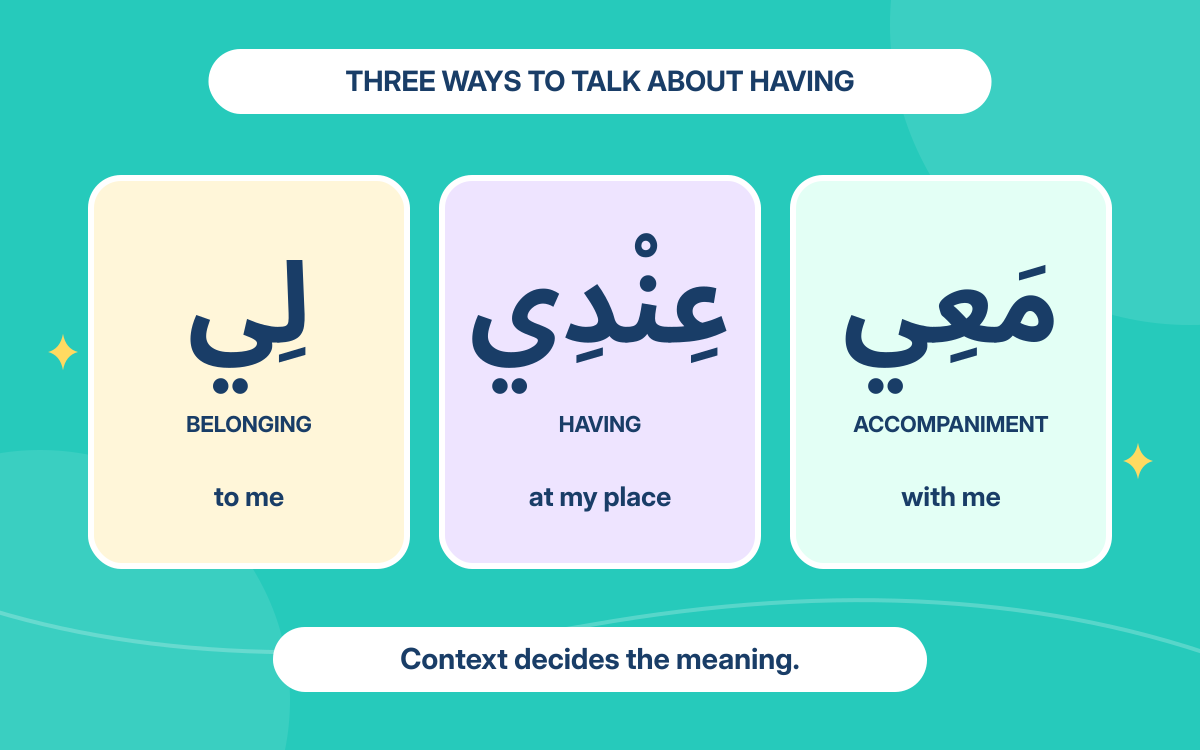
Li means “for me” or “belonging to me” here. It contains the attached pronoun for the speaker. The sentence identifies the book’s owner; it does not tell us whether the book is in the speaker’s bag or somewhere else.
02Use indi for what you have
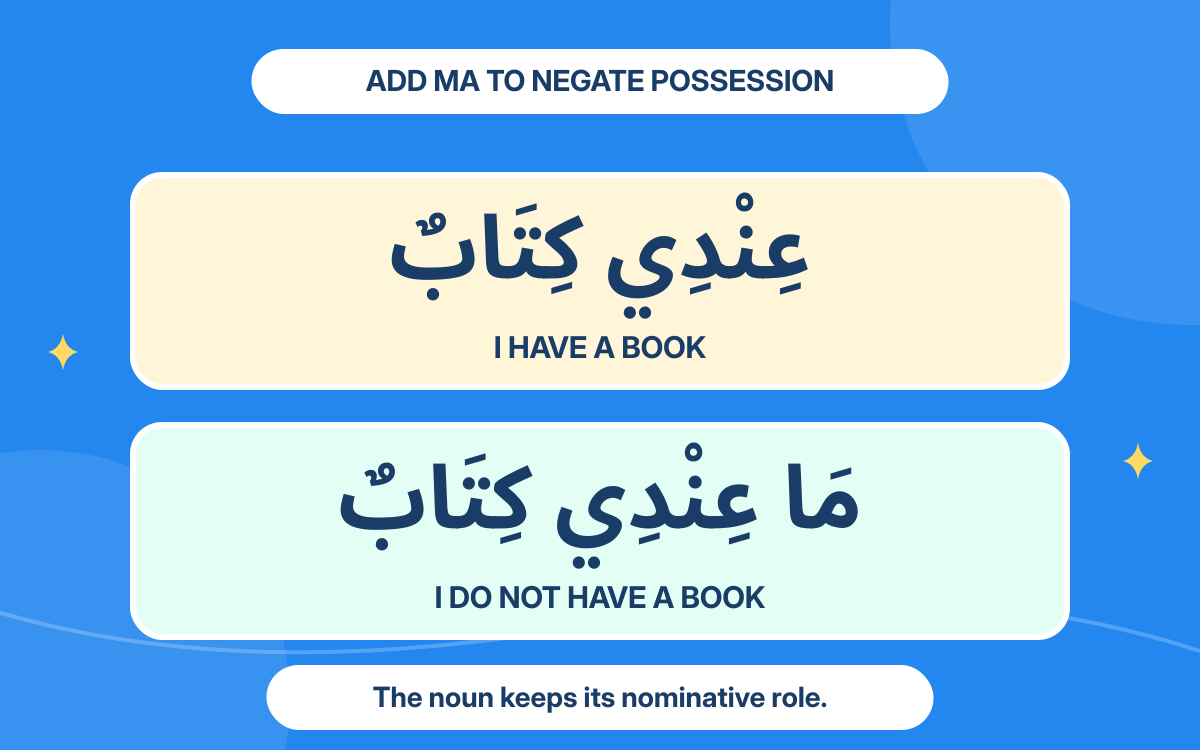
عِنْدِي كِتَابٌ
indi kitabun
I have a book.
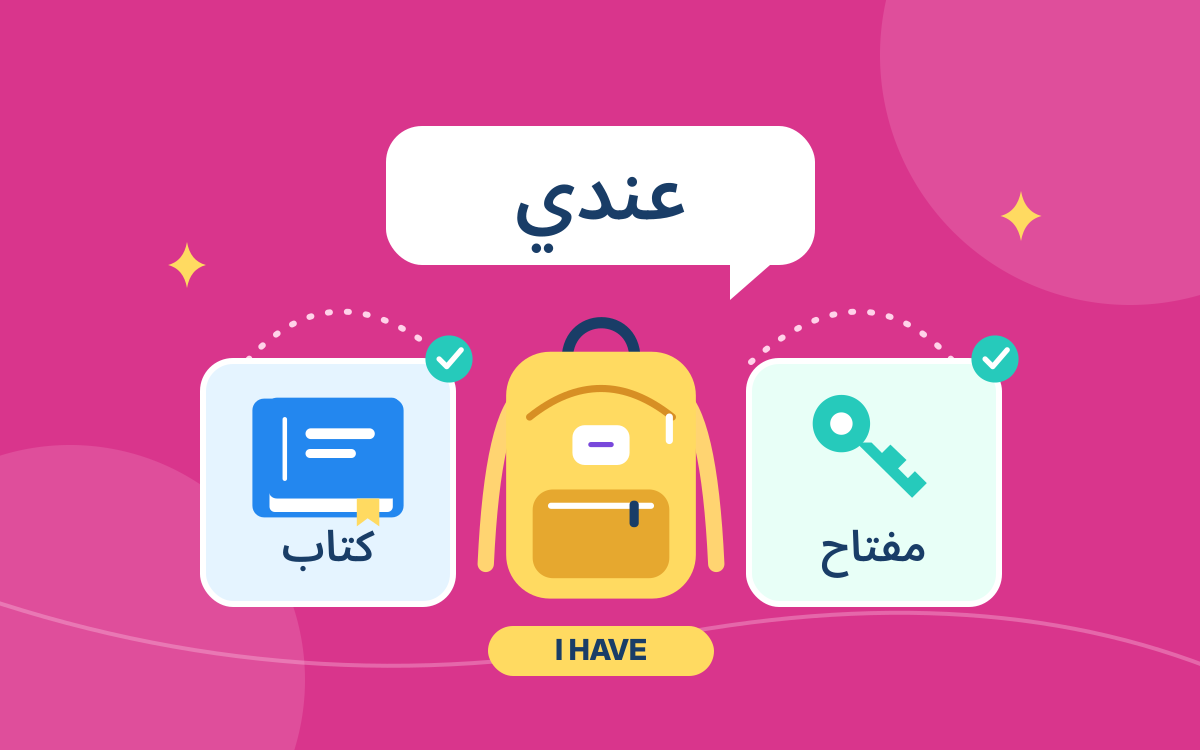
Indi presents something as being in your possession, available to you, or at your place. The book could be on a shelf at home. You do not necessarily have it in your hand, and context may show that it is borrowed.
The base word is عِنْدَ (inda); the attached pronoun gives indi. Its meaning is broader than physical objects: عِنْدِي سُؤَالٌ (indi sualun) means “I have a question.” Ask what the speaker has available in this particular conversation.
03Use mai for something with you
مَعِي قَلَمٌ
mai qalamun
I have a pen with me.
This is useful when someone needs a pen now. Mai emphasises that it accompanies you. The base word مَعَ contains the consonant ayn between its two short vowels; it is different from مَا, “what.”
Accompaniment also applies to people. أَخِي مَعِي (akhi mai) means “My brother is with me.” It tells us where your brother is in relation to you. For the family relationship “I have a brother,” لِي أَخٌ (li akhun) is a useful formal model.
04Compare the same book
هَذَا الْكِتَابُ لِي
hadha lkitabu li
This book is mine.
Change li to indi and the focus becomes having the book in your possession or at your place. Change it to mai and the focus becomes having it with you. A borrowed book can be with you without being yours.
These meanings can overlap. One speaker may own the book and carry it too. Context decides the intended emphasis; do not turn the examples into a rule banning every other natural use. Inda can also occur with family words in appropriate contexts.
05Keep the sentence structure clear
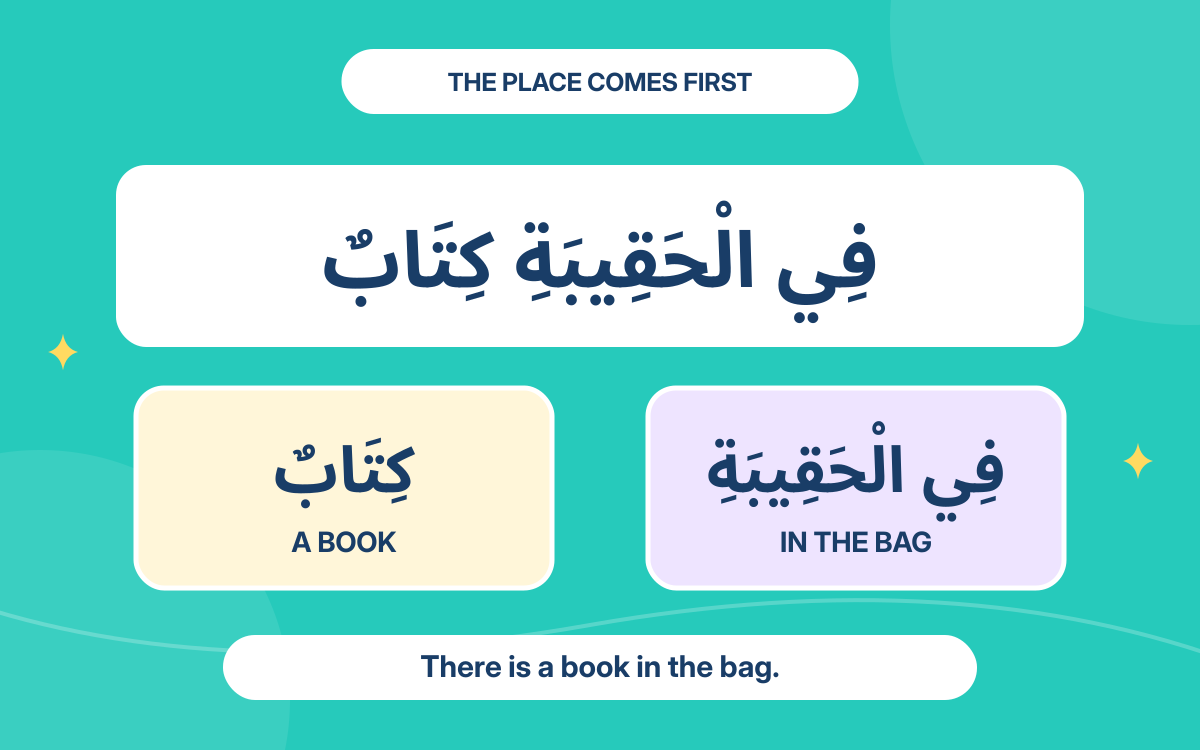
In عِنْدِي كِتَابٌ, indi gives the information first and kitabun is the delayed subject. It is nominative, not genitive. The same applies to qalamun in مَعِي قَلَمٌ. The attached pronoun belongs inside indi or mai; the following noun begins a separate part of the sentence.
Our examples include full formal endings. Choose the relationship first, then build the sentence. Li, indi and mai all already identify the speaker, so a separate ana, “I,” is unnecessary in these short models.
What to remember
- Li can express belonging or a relationship; indi can express possession, availability or being at someone’s place.
- Mai emphasises accompaniment, including something you have with you.
- Context allows overlap; the noun in indi kitabun is a nominative delayed subject.
Your reference shelf
Open a guide whenever you need it.
Compare three useful meaningsReview full sentences and their grammatical structure
| Arabic | Reading | Useful meaning |
|---|---|---|
| الْكِتَابُ لِي | alkitabu li | The book is mine. |
| الْكِتَابُ عِنْدِي | alkitabu indi | The book is with me or at my place. |
| الْكِتَابُ مَعِي | alkitabu mai | The book is with me. |
In traditional Arabic grammar, لِـ is a preposition; عِنْدَ and مَعَ are nouns used adverbially in these constructions. The attached pronouns are genitive in position. The separate noun in عِنْدِي كِتَابٌ is the delayed subject, so its own case is nominative.
The family example لِي أَخٌ expresses a relationship, not ownership of a person. أَخِي مَعِي expresses accompaniment. This difference does not make every use of inda with a family word incorrect.
Sources & further learning
References for the language explanations and learning guidance.