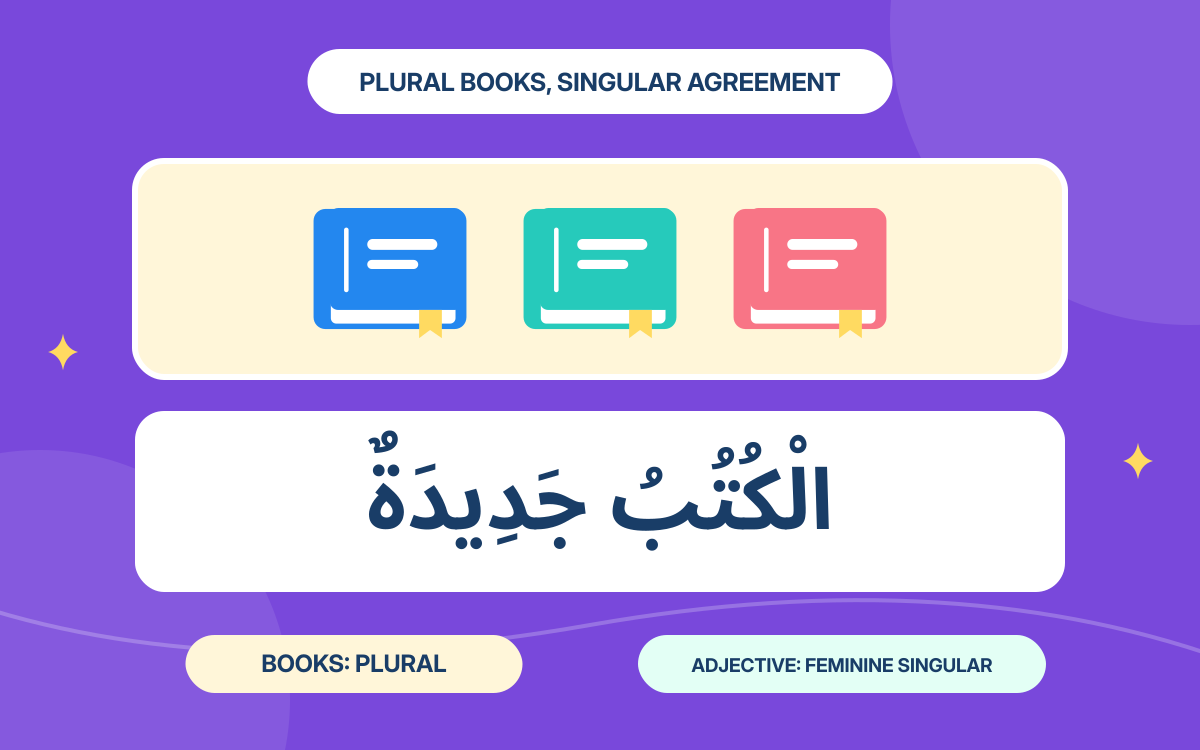
Books are plural, but Arabic normally describes them with a feminine singular adjective. The same agreement appears in words meaning these and they. This does not turn the books into one object. It is a regular Standard Arabic pattern for ordinary nonhuman plurals, including objects, animals and concepts.
01Keep the books plural
الْكُتُبُ جَدِيدَةٌ
alkutubu jadidatun
The books are new.
Kutub still means books. Jadidatun is feminine singular, although the singular noun kitab is masculine. The agreement depends on this nonhuman plural group, not on the gender of the singular word. Here the description is a predicate: it tells us something about the books.
02Use the same agreement inside a phrase
كُتُبٌ جَدِيدَةٌ
kutubun jadidatun
New books
الْكُتُبُ الْجَدِيدَةُ
alkutubu ljadidatu
The new books
Inside these phrases, the adjective still takes the feminine singular form. It also matches definiteness: the definite phrase has ال on both words. The second example identifies particular books but does not yet make a complete statement.
Compare the predicate above: the noun has al, while the indefinite jadidatun gives new information. The feminine singular agreement stays the same in both jobs.
03Refer back with hiya
أَيْنَ الْكُتُبُ؟
ayna lkutubu
Where are the books?
هِيَ فِي الْحَقِيبَةِ
hiya fi lhaqibati
They are in the bag.
Hiya normally means she or it with a singular noun. Here it refers back to the books, so natural English uses they. Translate the reference in context instead of forcing the same English pronoun into every sentence.
The full readings preserve the final case vowels. In connected speech, the initial vowel of ال drops after the preceding vowel, as in fi lhaqibati.
04Point to the group with hadhihi
هَذِهِ كُتُبٌ جَدِيدَةٌ
hadhihi kutubun jadidatun
These are new books.
تِلْكَ سَيَّارَاتٌ جَدِيدَةٌ
tilka sayyaratun jadidatun
Those are new cars.
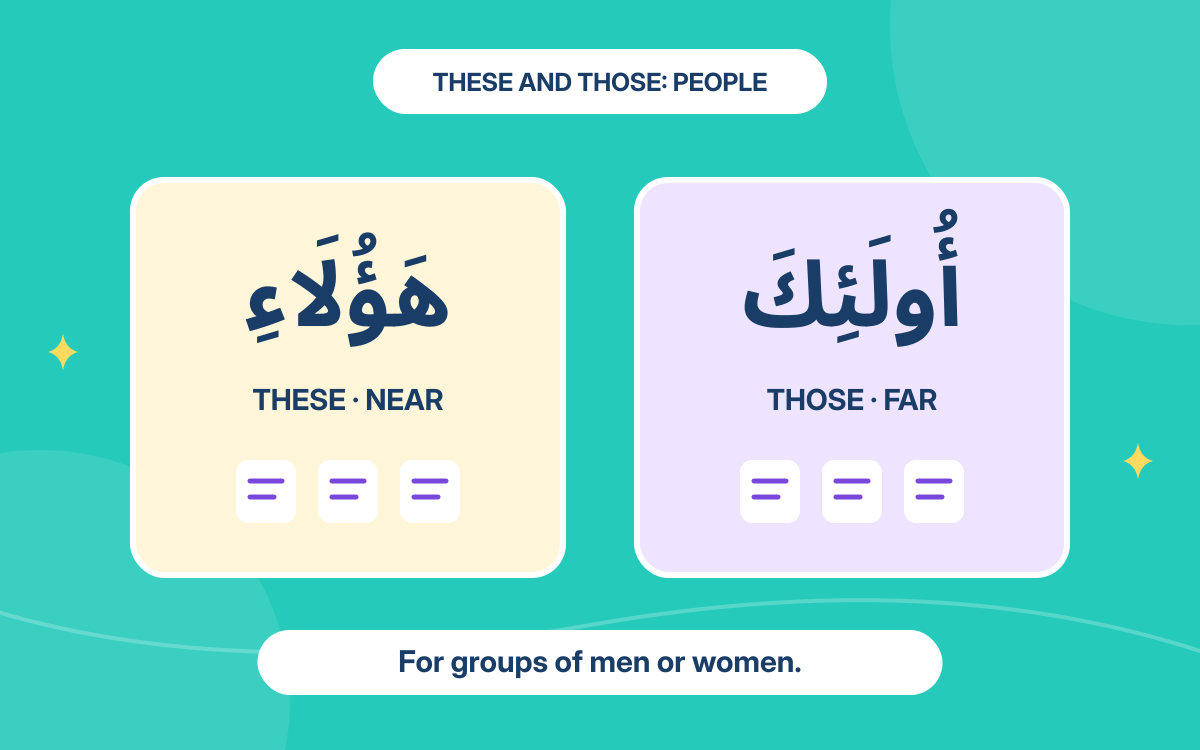
Use hadhihi for the nearby group and tilka for a group farther away. These are the same feminine singular forms you learned for one bag. The plural noun tells you that more than one object is meant.
Books have a broken plural; cars have a sound feminine plural. Both use this agreement because they are nonhuman groups. The way the plural was formed does not decide the agreement by itself.
05Separate people, pairs and plural objects
الْمُدَرِّسُونَ مُجْتَهِدُونَ
almudarrisuna mujtahiduna
The male teachers are hardworking.
الْكِتَابَانِ جَدِيدَانِ
alkitabani jadidani
The two books are new.
Human plurals normally use plural agreement, as the teachers do here. Two books use the dual, including a dual predicate. Do not replace that dual agreement with the nonhuman plural pattern.
First check whether the noun names one, two or a plural group. For a plural, check what it refers to. Then choose the matching description or pronoun. These examples establish the usual beginner pattern; special literary uses need their own context.
What to remember
- Ordinary nonhuman plurals normally use feminine singular agreement while the noun remains plural.
- The pattern includes descriptive adjectives, predicates, hiya, hadhihi and tilka.
- Keep human plural agreement and dual agreement separate from the pattern for plural objects.
Your reference shelf
Open a guide whenever you need it.
One group across four structuresCompare the phrase, statement, pointing word and pronoun
| Job | Arabic | English |
|---|---|---|
| Adjective phrase | الْكُتُبُ الْجَدِيدَةُ | The new books |
| Statement | الْكُتُبُ جَدِيدَةٌ | The books are new. |
| Pointing to the group | هَذِهِ كُتُبٌ | These are books. |
| Referring back | هِيَ جَدِيدَةٌ | They are new. |
Adjectives also follow case. Compare فِي الْكُتُبِ الْجَدِيدَةِ, “in the new books”: the noun and its adjective are genitive. Feminine singular agreement does not remove the other agreement checks.
Arabic teaching materials often call these groups “nonrational” or “irrational” nouns. Those are grammatical labels, not judgments about intelligence. The common class includes ordinary animals, objects and concepts. Personification and some classical constructions can use different agreement; keep this guide’s standard object examples as your starting point.
Sources & further learning
References for the language explanations and learning guidance.