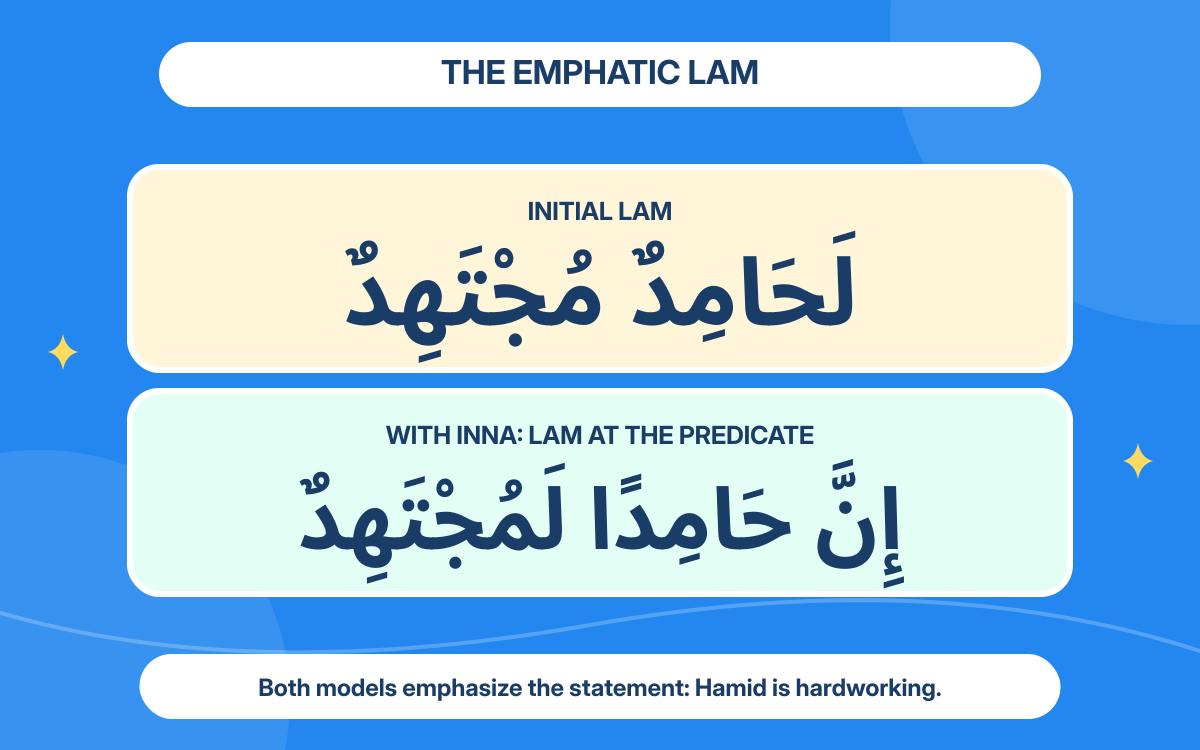
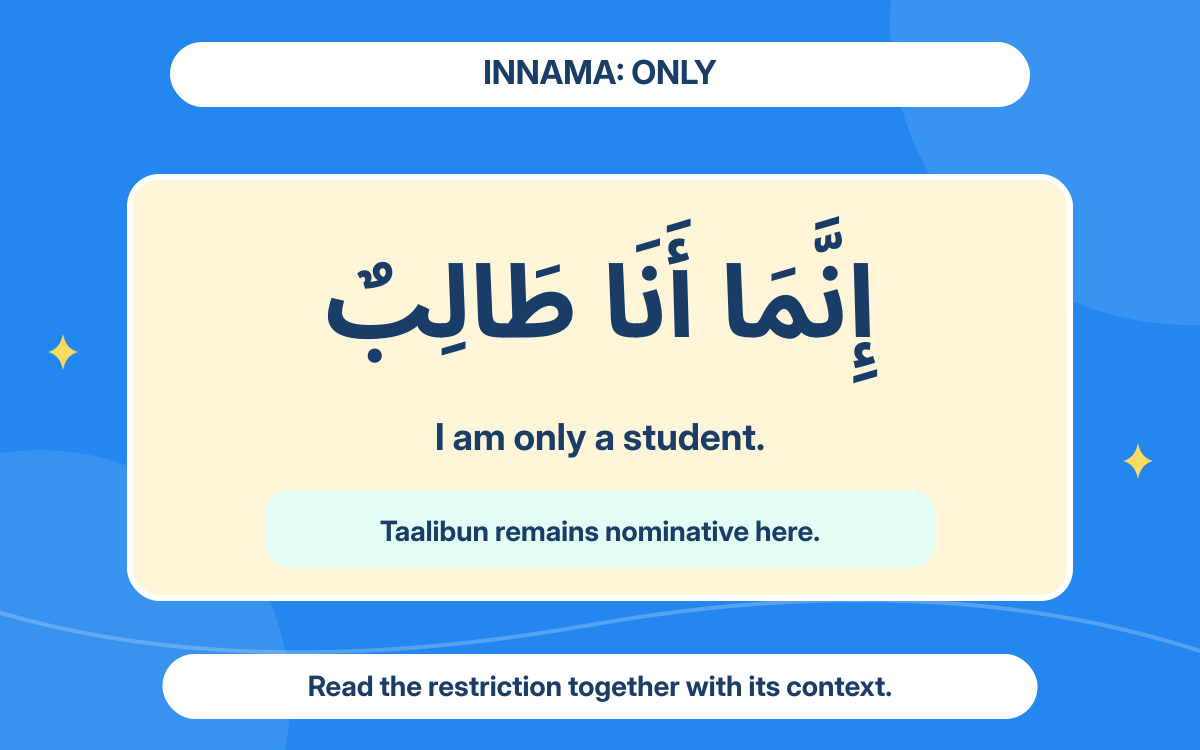
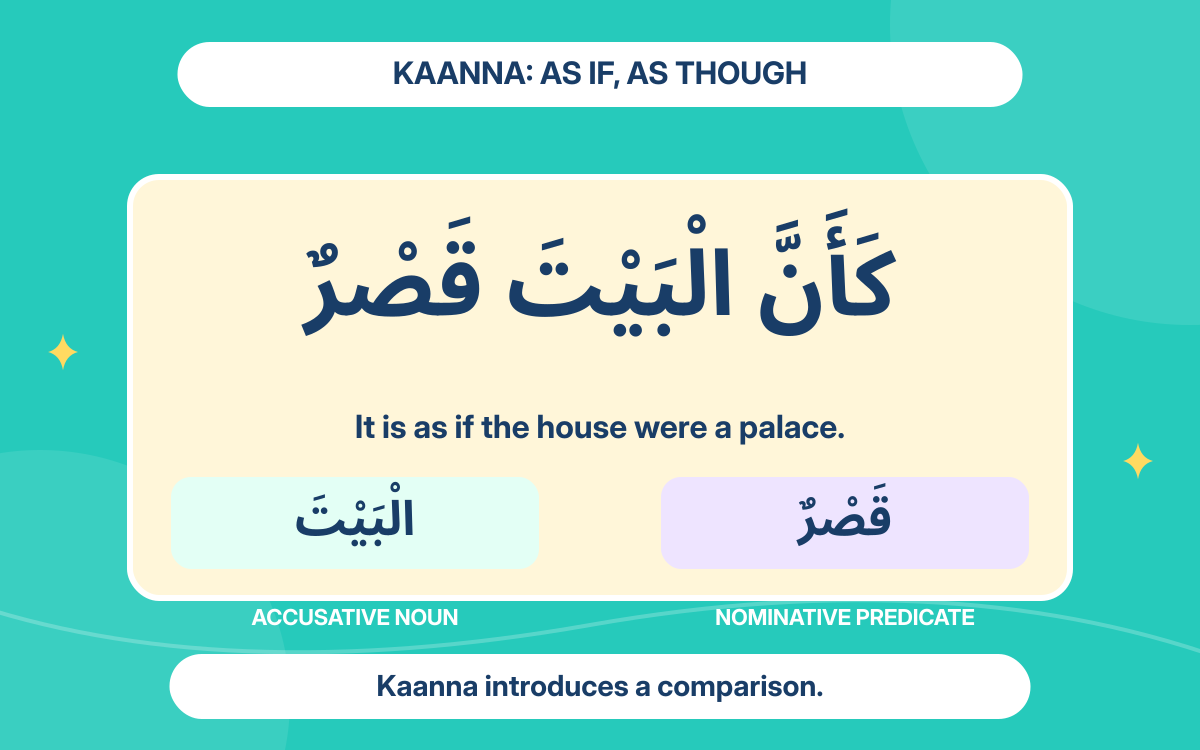
A simple Arabic statement can become more emphatic with inna. The meaning stays recognisable, but the noun’s grammatical role changes. Learn which ending changes, which stays, and how to keep adjectives and location phrases clear.
01Add emphasis to a statement
Inna, إِنَّ, reinforces a statement. English may express this with “indeed” or with the speaker’s stress. It does not always need a separate word in a natural translation.
الْبَيْتُ كَبِيرٌ
albaytu kabirun
The house is big.
إِنَّ الْبَيْتَ كَبِيرٌ
inna lbayta kabirun
Indeed, the house is big.
Arabic still needs no separate present-tense word for “is” in these examples.
02Change the noun, keep the predicate
After inna, the former topic becomes its noun, اسْمُ إِنَّ, and is accusative. The describing word is its predicate, خَبَرُ إِنَّ, and stays nominative.
إِنَّ الْبَابَ مَفْتُوحٌ
inna lbaba maftuhun
Indeed, the door is open.
Albaba ends in a: the definite singular noun has accusative fathah. Maftuhun ends in un: the indefinite predicate has nominative tanwin. Inna does not make both words accusative.
03Use a name with the same pattern
A name can also be the noun of inna. Hamid is a regular name that takes tanwin; its accusative form here ends in an.
إِنَّ حَامِدًا طَالِبٌ
inna hamidan talibun
Indeed, Hamid is a student.
Hamidan is the noun of inna; talibun gives the information about him. Other noun types can mark case differently, so learn the grammatical role rather than expecting every accusative noun to end in a.
04Let an adjective follow its noun’s case
An adjective that describes the noun of inna agrees with that noun, including its accusative case. Keep it separate from the predicate.
إِنَّ الْبَيْتَ الْجَدِيدَ كَبِيرٌ
inna lbayta ljadida kabirun
Indeed, the new house is big.
Aljadida means “new” and describes the definite house: both end in a. Kabirun says what the new house is like and remains nominative. Inna governs its noun; the adjective follows the noun through agreement.
05Keep a location phrase together
The information after inna can be a whole location phrase. Its inner noun still follows its preposition.
إِنَّ الْكِتَابَ عَلَى الْمَكْتَبِ
inna lkitaba ala lmaktabi
Indeed, the book is on the desk.
Alkitaba is accusative as the noun of inna. The whole phrase “on the desk” fills the predicate position, traditionally called a nominative position. Almaktabi stays genitive after ala; do not invent a nominative ending for the desk.
What to remember
- Inna adds emphasis and puts its noun in the accusative case.
- A simple predicate of inna stays nominative; a noun’s adjective follows that noun’s case.
- A phrase can fill the predicate position while its inner noun stays genitive after a preposition.
Your reference shelf
Open a guide whenever you need it.
Compare the roles in an inna sentenceReview noun, adjective and predicate endings
| Role or pattern | Arabic | Reading |
|---|---|---|
| Basic statement | الْبَيْتُ كَبِيرٌ | albaytu kabirun |
| Emphasised statement | إِنَّ الْبَيْتَ كَبِيرٌ | inna lbayta kabirun |
| Noun with adjective | إِنَّ الْبَيْتَ الْجَدِيدَ كَبِيرٌ | inna lbayta ljadida kabirun |
| Location predicate | إِنَّ الْكِتَابَ عَلَى الْمَكْتَبِ | inna lkitaba ala lmaktabi |
The labels mansub and marfu describe grammatical case. Fathah and dammah are the marks in these regular singular examples, not the only possible marks for every noun type. Attached pronouns occupy the noun’s accusative position without taking a new case ending; the next guide teaches their forms.
Sources & further learning
References for the language explanations and learning guidance.