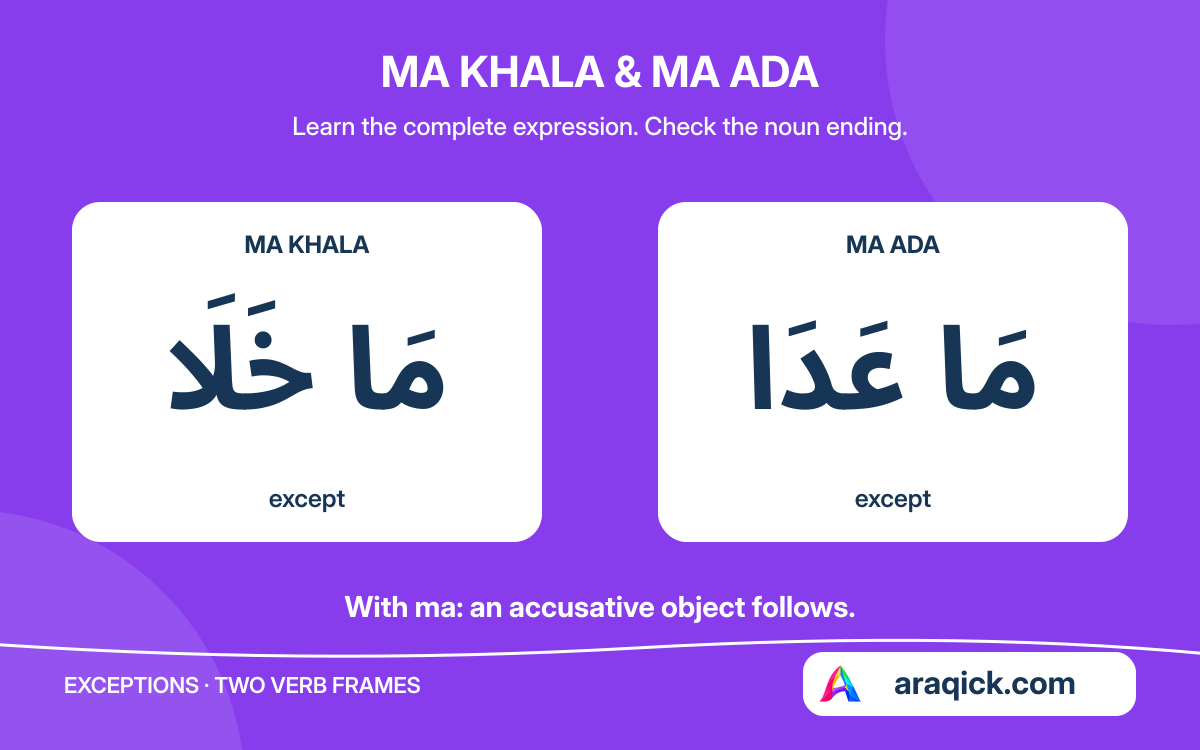
Ma khala and ma ada are two ways to introduce an exception. The useful beginner rule is that the noun following either complete expression is accusative. Without ma, khala and ada allow a second grammatical analysis, so the noun can instead be genitive.
01Exclude a person with ma ada
حَضَرَ الزُّمَلَاءُ مَا عَدَا سَعِيدًا
hadara azzumalau ma ada saidan
The colleagues attended except Saeed.
The colleagues form the group; Saeed is excluded from the attendance statement. In ma ada, ada is treated as a verb, and Saidan is its accusative object.
The ma inside this expression is masdariyyah, not the ordinary negative ma. It does not turn attended into did not attend. Learn ma ada as a complete exception frame before trying to analyze its individual words.
02Use ma khala with a thing
قَرَأْتُ الْفُصُولَ مَا خَلَا الْفَصْلَ الْأَخِيرَ
qaratu alfusula ma khala alfasla alakhira
I read the chapters except the last chapter.
Ma khala follows the same main pattern. Alfasla is accusative as the object of khala, and its adjective alakhira matches that case. The first object alfusula belongs to qaratu; the exception phrase has its own internal structure.
The excluded item need not be a person. Keep its adjective attached to it rather than mistakenly treating last as a description of all the chapters.
03Notice the options without ma
حَضَرَ الزُّمَلَاءُ عَدَا سَعِيدٍ
hadara azzumalau ada saidin
The colleagues attended except Saeed.
Bare ada can be analyzed as a preposition, giving genitive Saidin. It can also be analyzed as a verb, giving عَدَا سَعِيدًا. Bare khala has the same two possibilities.
These two analyses do not change Saeed into a subject. Adding ma removes this choice in the standard construction taught here: مَا عَدَا سَعِيدًا has an accusative complement. The reference chart keeps the four frames separate.
04Avoid importing an extra preposition
فُتِحَتِ الْأَبْوَابُ مَا خَلَا الْبَابَ الْخَلْفِيَّ
futihati alabwabu ma khala albaba alkhalfiyya
The doors were opened except the back door.
The exception goes straight from ma khala to the excluded door. Do not insert fi just because you imagine the English phrase except for. Albaba and alkhalfiyya both remain accusative.
The opening verb is passive: the doors were opened. That passive voice does not alter the case required inside the exception phrase. The linking vowel after futihat helps join the verb to the following definite noun.
05Compare the neighbouring exception frames
مَا عَدَا سَعِيدًا — غَيْرَ سَعِيدٍ
ma ada saidan — ghayra saidin
Except Saeed — two exception phrases
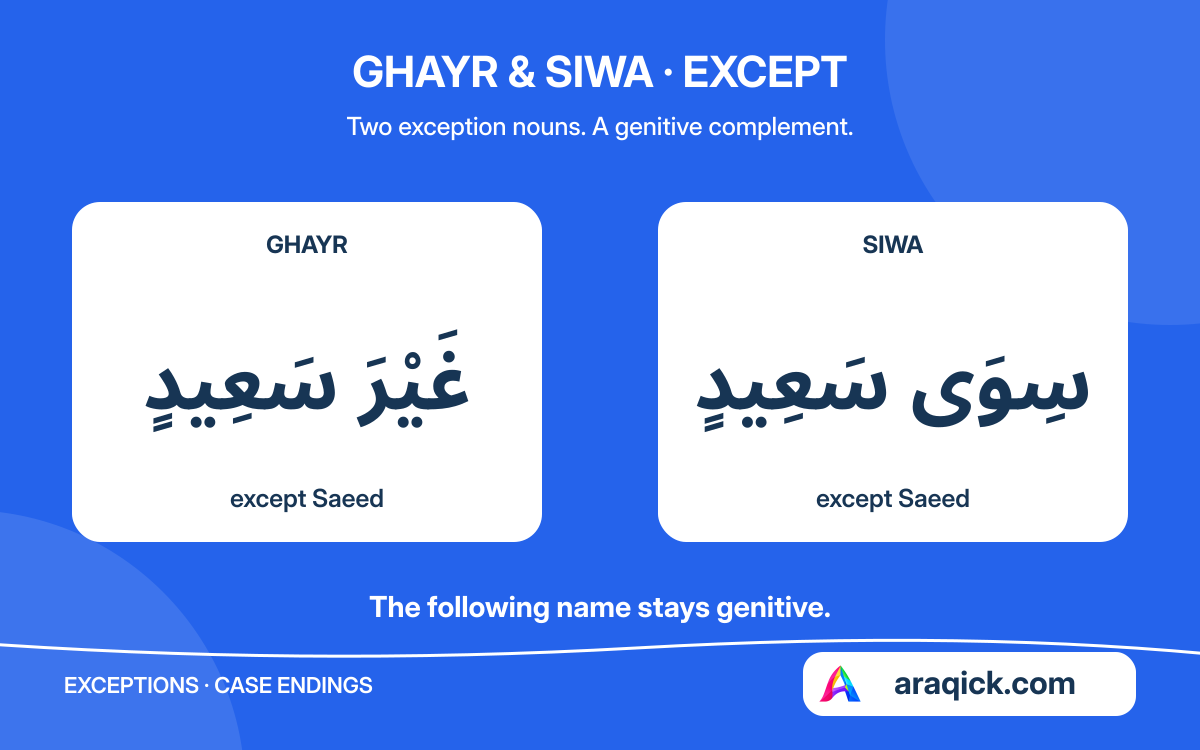
Ma ada takes an accusative object; ghayr takes a genitive complement. The shared English meaning except does not make their noun endings interchangeable. In a complete affirmative sentence, ghayr itself is accusative.
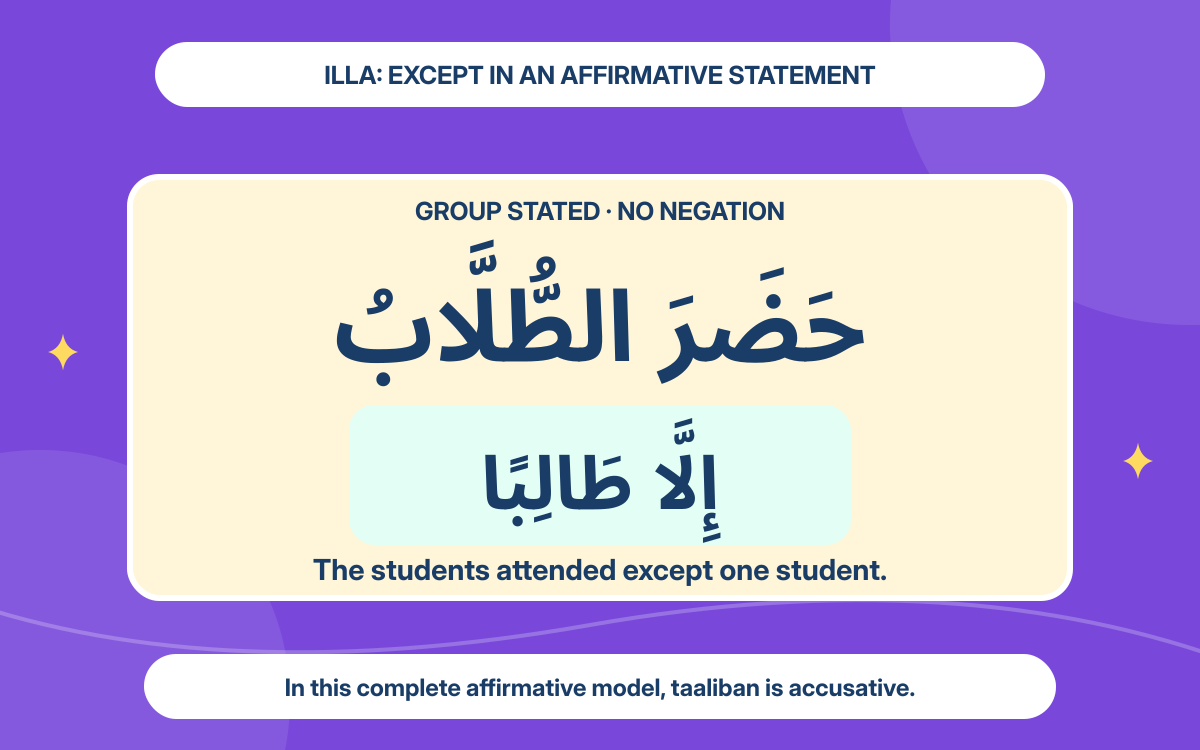
Use ghayr and siwa and illa as separate models. Khala and ada also have other uses as ordinary verbs; this article deals with their exception constructions. Plain reading aids simplify sounds, while the Arabic shows the endings.
What to remember
- Ma khala and ma ada take accusative objects.
- Without ma, khala and ada can instead act as prepositions with genitive complements.
- Do not add a preposition between ma khala and its excluded noun.
Your reference shelf
Open a guide whenever you need it.
Four useful exception framesThe presence of ma changes the available analysis
| Frame | Example | Complement case |
|---|---|---|
| Ma ada | مَا عَدَا سَعِيدًا | Accusative object |
| Ma khala | مَا خَلَا سَعِيدًا | Accusative object |
| Bare ada | عَدَا سَعِيدًا / عَدَا سَعِيدٍ | Accusative as verb; genitive as preposition |
| Bare khala | خَلَا سَعِيدًا / خَلَا سَعِيدٍ | Accusative as verb; genitive as preposition |
This chart uses the standard school-grammar analysis of these exception constructions.
Keep the excluded noun phrase togetherAdjectives follow the noun’s case
| Phrase | Arabic | What to notice |
|---|---|---|
| Except a person | مَا عَدَا سَعِيدًا | The name is accusative |
| Except the last chapter | مَا خَلَا الْفَصْلَ الْأَخِيرَ | Noun and adjective are accusative |
| Except the back door | مَا خَلَا الْبَابَ الْخَلْفِيَّ | No extra preposition before the door |
| Contrast: ghayr | غَيْرَ سَعِيدٍ | Ghayr takes a genitive idafa complement |
Sources & further learning
References for the language explanations and learning guidance.