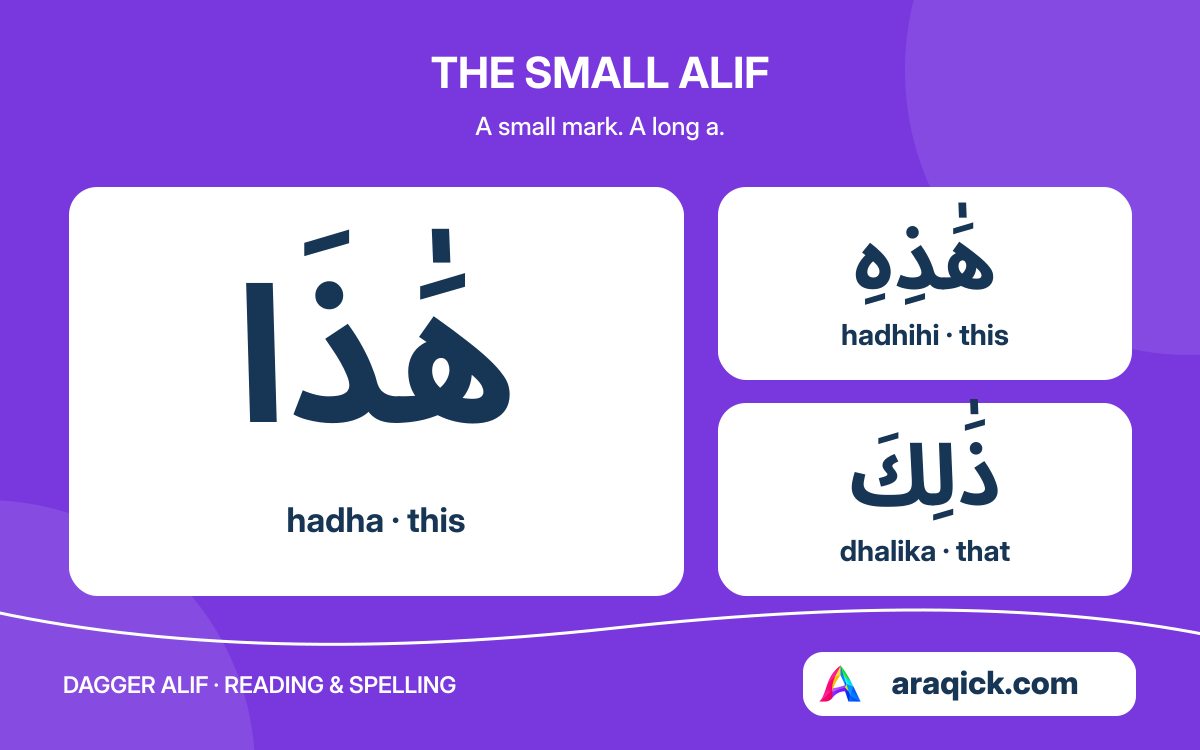
Hadha has a long first a even though its usual spelling, هذا, has no full alif after ha. Some fully marked texts show a small raised alif there. This dagger alif makes an established long vowel visible; it does not create a new word.
01Find the raised alif
هَٰذَا
hadha
This, masculine singular
The short upright mark above ha is called dagger alif or superscript alif. It indicates a long a after that consonant. It sits above the normal writing line rather than taking the space of a full alif.
Fathah is the slanting short-vowel stroke; the raised alif supplies the length information. Fonts may position these marks differently, so inspect the word as a whole.
02Recognise the same word without the mark
هَٰذَا — هَذَا — هذا
hadha
The same word with different amounts of marking
All three forms represent hadha. Ordinary writing often omits the raised mark and other vowel signs. The first a remains long in pronunciation.
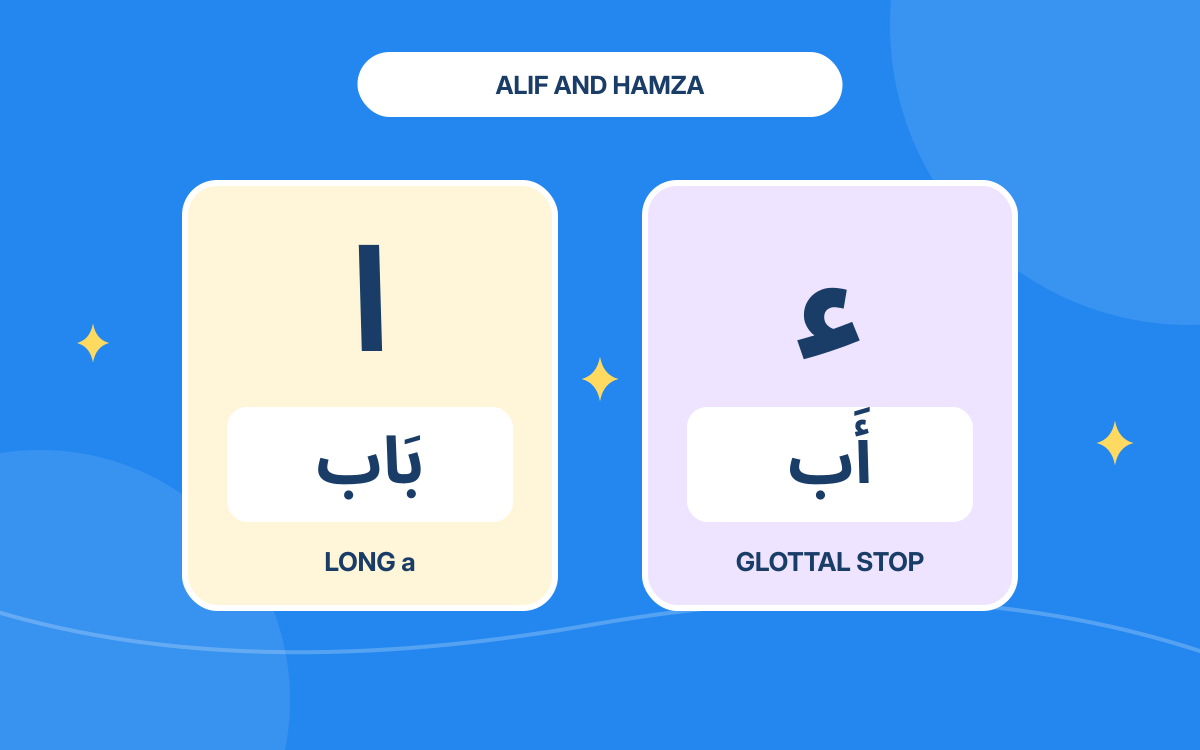
The full alif already visible at the end of hadha writes its final long a. It does not account for the earlier long a after ha. Learn both the pronunciation and the conventional spelling.
03Read three familiar words
| Marked form | Reading aid | Meaning |
|---|---|---|
| هَٰذَا | hadha | This, masculine |
| هَٰذِهِ | hadhihi | This, feminine |
| ذَٰلِكَ | dhalika | That, masculine |
In hadha and hadhihi, hold the a after h. In dhalika, hold the a after dh. Dh represents the sound at the start of English “this,” not an ordinary d.
Our plain transliteration does not use length symbols. The Arabic and these pronunciation notes show where to hold the vowel.
04Keep the sound in a sentence
هَٰذَا مِفْتَاحٌ
hadha miftahun
This is a key.
هَٰذِهِ نَافِذَةٌ
hadhihi nafidhatun
This is a window.
Read the first word smoothly, then the object. Adding another word does not remove the long a. Miftahun is masculine, while nafidhatun is feminine, so the pointing words differ.
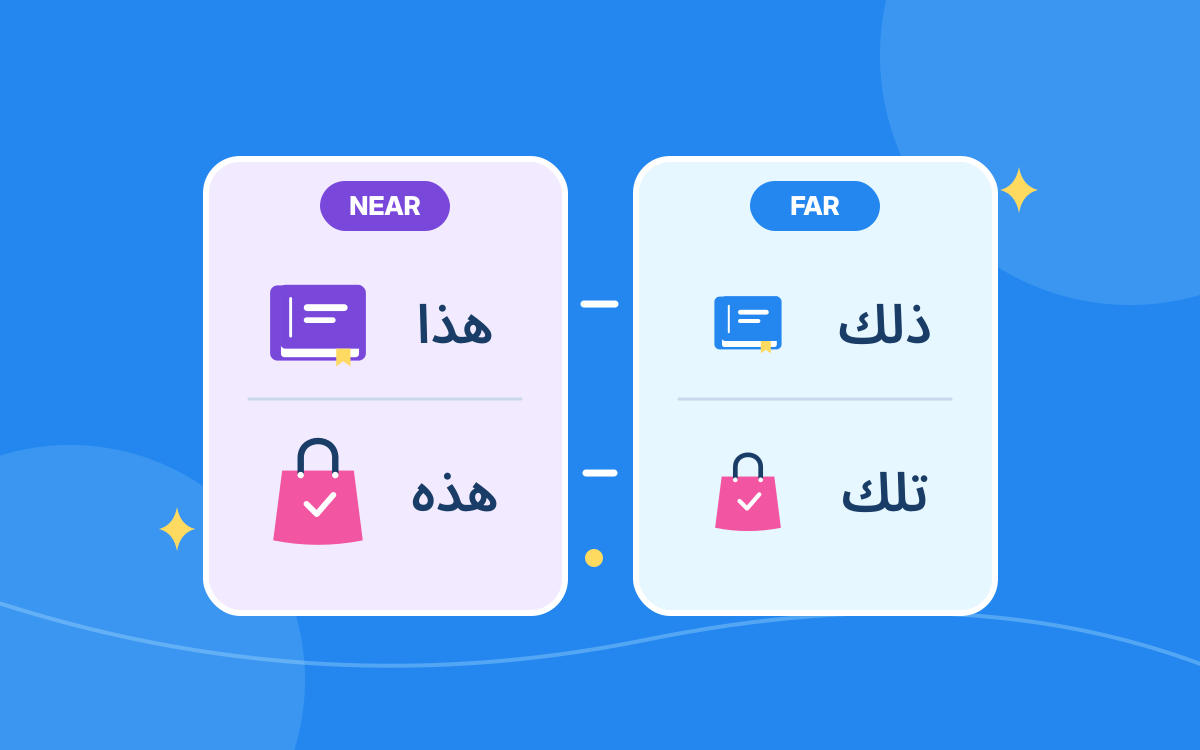
Here the new skill is reading the spelling. For a full explanation of choosing a pointing word, revisit this and that in Arabic.
05Preserve the conventional spelling
When writing normally, use هذا, هذه and ذلك. Do not insert a new full-sized alif merely because you hear a long vowel at the start of these words.
This is a small group of established spellings, not a licence to omit alif from other words. بَابٌ (babun, a door) still needs its normal alif.
Practise by reading a marked word, covering it, writing its ordinary spelling and checking it again. Use a reliable reading model to keep length audible when the small mark disappears.
What to remember
- Dagger alif is a small raised sign for a long a.
- A familiar word can keep its long vowel when the mark is omitted.
- Learn the established spelling; do not add or remove a full alif by guesswork.
Your reference shelf
Open a guide whenever you need it.
Marked and ordinary spellingsCompare the three words side by side
| With dagger alif | Ordinary spelling | Meaning |
|---|---|---|
| هَٰذَا | هذا | This, masculine |
| هَٰذِهِ | هذه | This, feminine |
| ذَٰلِكَ | ذلك | That, masculine |
Sources & further learning
References for the language explanations and learning guidance.