A single letter can turn a statement into a question. The interrogative hamza, أَ, introduces questions such as “Is this a book?” Learn where to write it, how it differs from the separate word hal, and how to recognise a hamza that already belongs to a word.
01Attach أَ to the first word
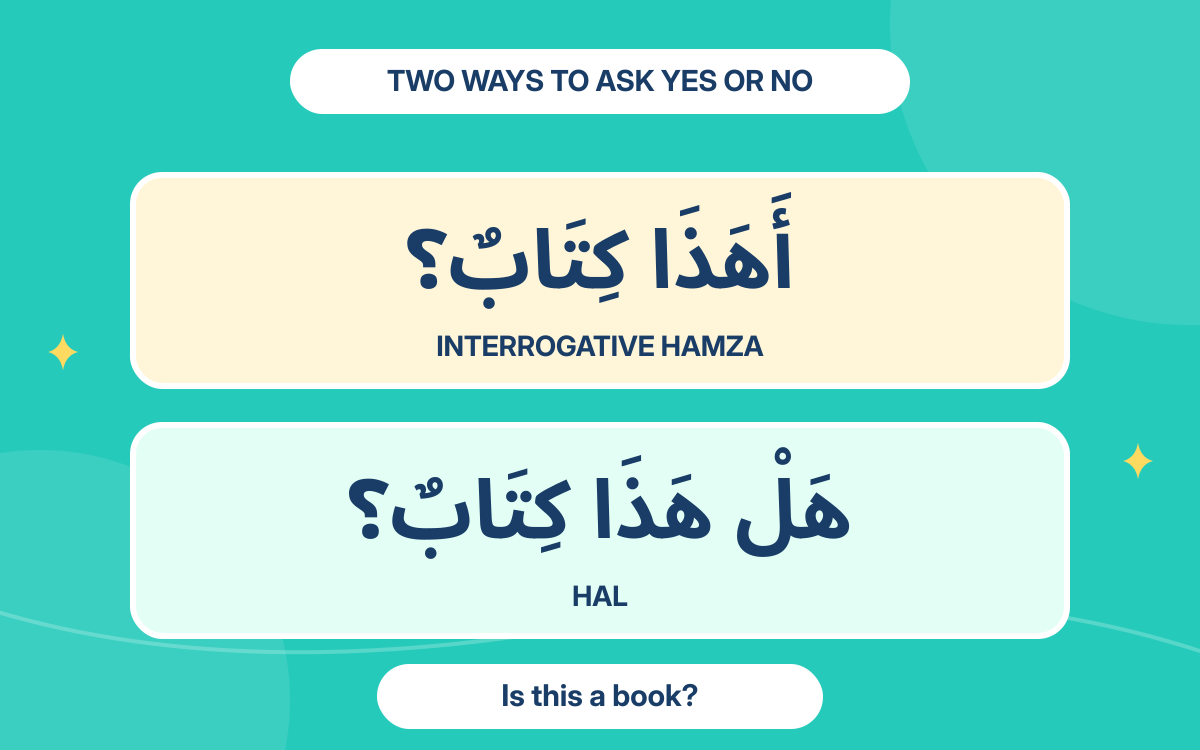
The question particle أَ is read as a short a. Write it directly against the word that follows, without a space. Compare a statement with its question:
هَذَا كِتَابٌ
hadha kitabun
This is a book.
أَهَذَا كِتَابٌ؟
ahadha kitabun
Is this a book?
The added letter asks whether the statement is true. Kitabun keeps its nominative ending; the question marker does not change the noun’s case.
02Compare attached hamza with separate hal
أَهَذِهِ حَقِيبَةٌ؟
ahadhihi haqibatun
Is this a bag?
هَلْ هَذِهِ حَقِيبَةٌ؟
hal hadhihi haqibatun
Is this a bag?
These affirmative questions ask for the same information. The spelling differs: أَهَذِهِ is one written word, while هَلْ هَذِهِ has a space. Hadhihi matches the feminine noun haqibatun. This comparison concerns our simple affirmative questions; hamza and hal have other uses that need separate study.
03Give a matching yes or no answer
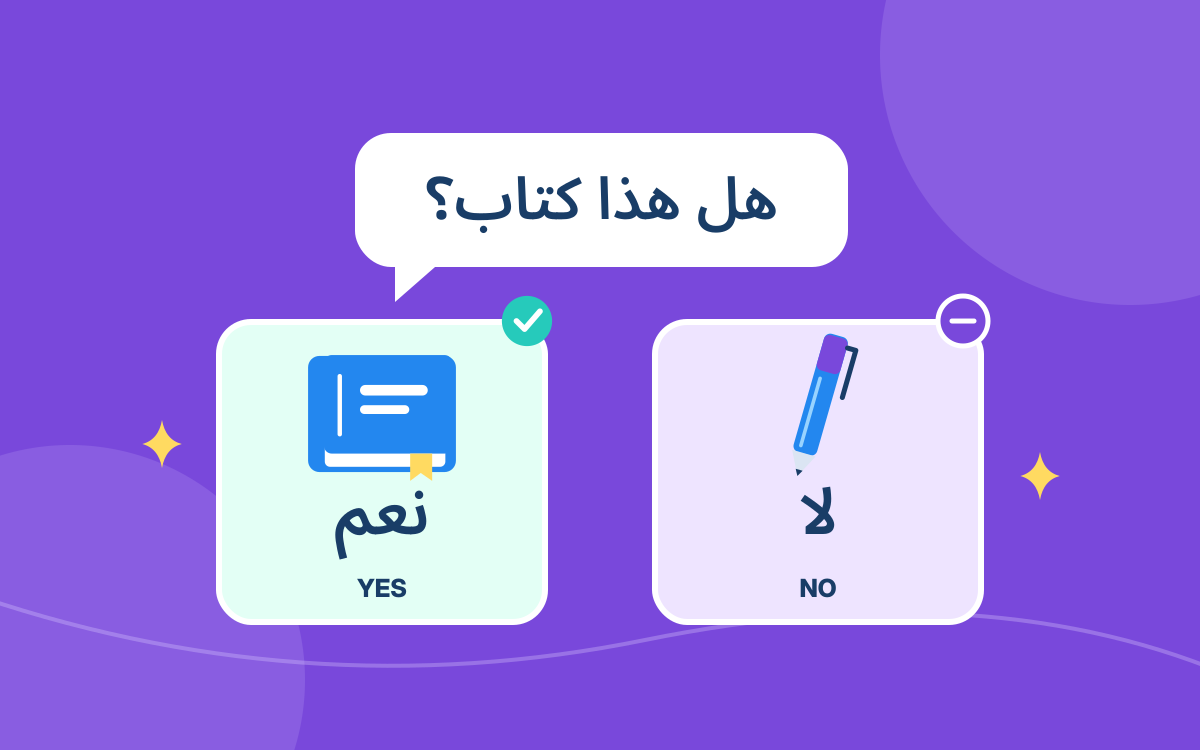
Someone points to an actual book and asks ahadha kitabun. A complete affirmative reply is:
نَعَمْ، هَذَا كِتَابٌ
naam hadha kitabun
Yes, this is a book.
If the object is a pen, correct its identity:
لَا، هَذَا قَلَمٌ
la hadha qalamun
No, this is a pen.
The reply is a statement, so it does not keep the question’s added hamza.
04Ask about an action too
أَكَتَبْتَ؟
akatabta
Did you write? — to one man
The ordinary past form is كَتَبْتَ (katabta), “you wrote.” The added a makes a question. The ending ta still identifies one male listener.
أَكَلَ
akala
He ate.
In akala, the initial hamza is already part of the verb; it is not an added question particle. Read the whole word and sentence rather than treating every initial أ as a question marker.
05Keep the rest of the statement together
أَهَذَا قَلَمٌ جَدِيدٌ؟
ahadha qalamun jadidun
Is this a new pen?
Jadidun describes the indefinite noun qalamun: a new pen. Attach the question hamza to hadha, then keep the noun and its adjective together. The statement underneath the question is still “This is a new pen.”
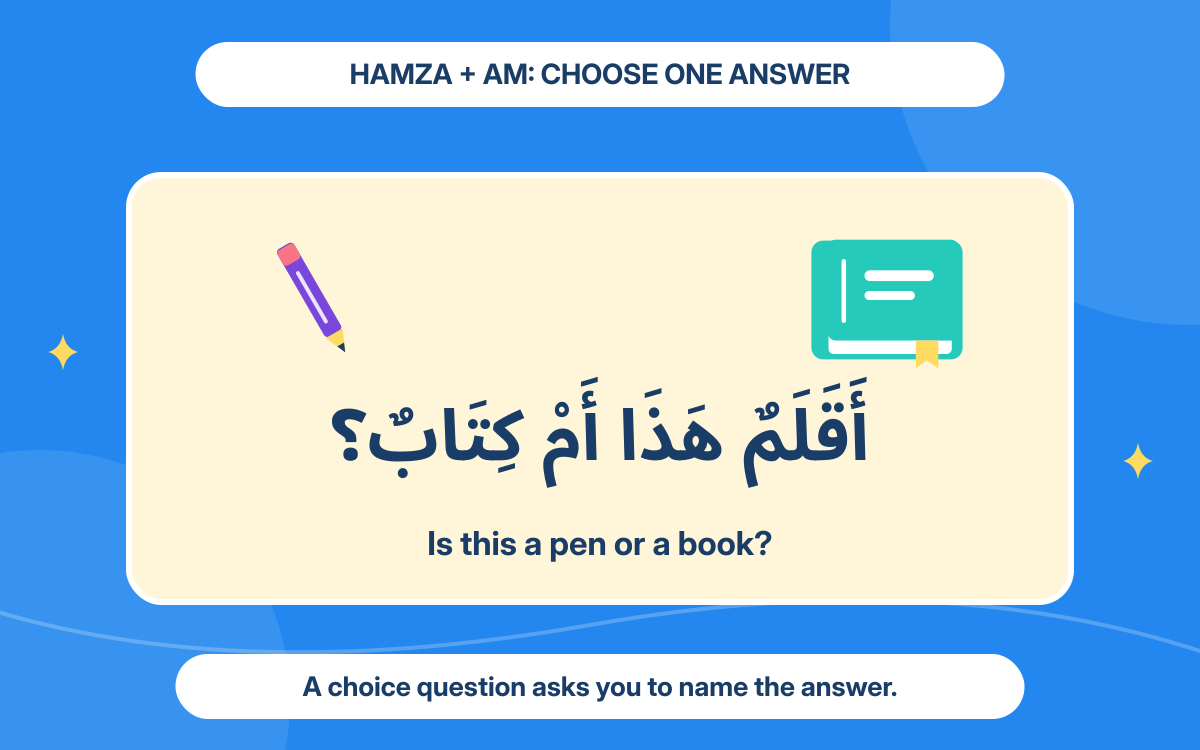
A yes or no question asks for confirmation. A question beginning with ma, “what,” asks you to identify the object instead. Practise these affirmative models before moving to questions that already contain a negative statement.
What to remember
- Attach أَ directly to the first word to form the simple affirmative questions in this guide.
- Hal is written separately; both markers can ask yes or no in these examples.
- An initial hamza may already belong to a word, as in akala, “he ate.”
Your reference shelf
Open a guide whenever you need it.
Statement, hamza question and hal questionCompare spelling across three short models
| Statement | Hamza question | Hal question |
|---|---|---|
| هَذَا كِتَابٌ | أَهَذَا كِتَابٌ؟ | هَلْ هَذَا كِتَابٌ؟ |
| هَذِهِ حَقِيبَةٌ | أَهَذِهِ حَقِيبَةٌ؟ | هَلْ هَذِهِ حَقِيبَةٌ؟ |
| كَتَبْتَ | أَكَتَبْتَ؟ | هَلْ كَتَبْتَ؟ |
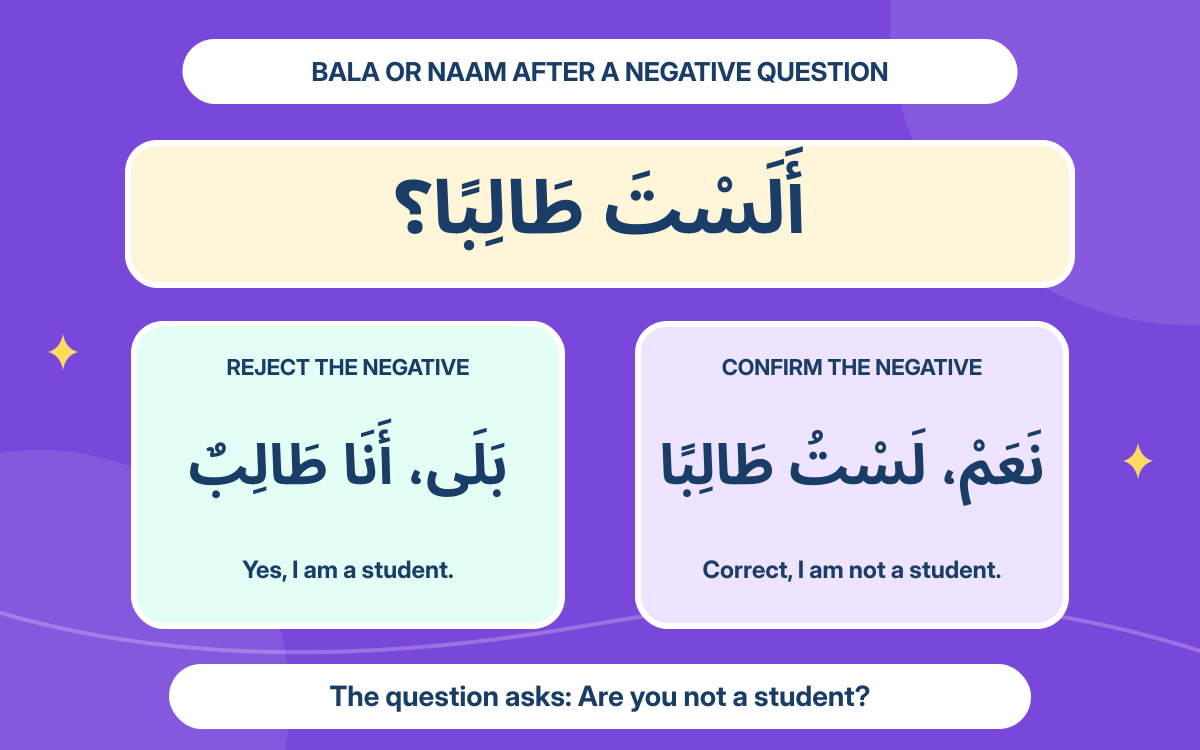
The formal endings remain the same when the question particle is added. The verb examples address one man. These models do not cover negative questions, questions offering alternatives, or the spelling of interrogative hamza before a word that already begins with hamza.
Sources & further learning
References for the language explanations and learning guidance.