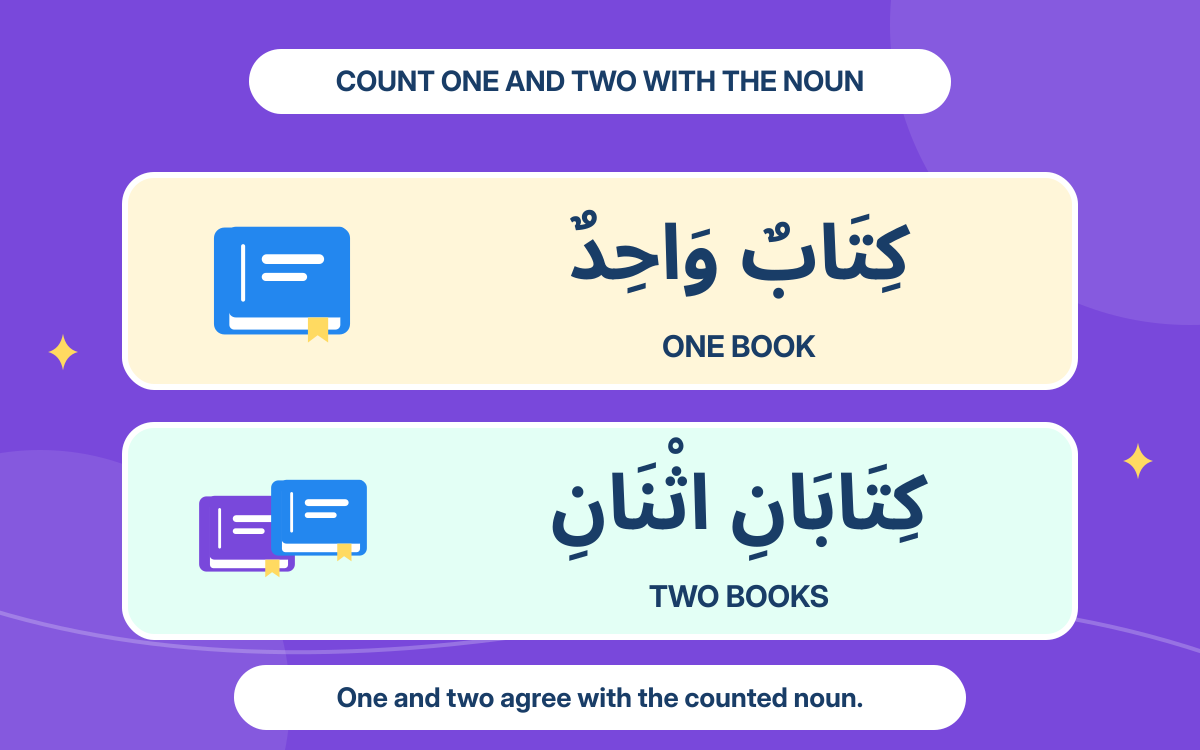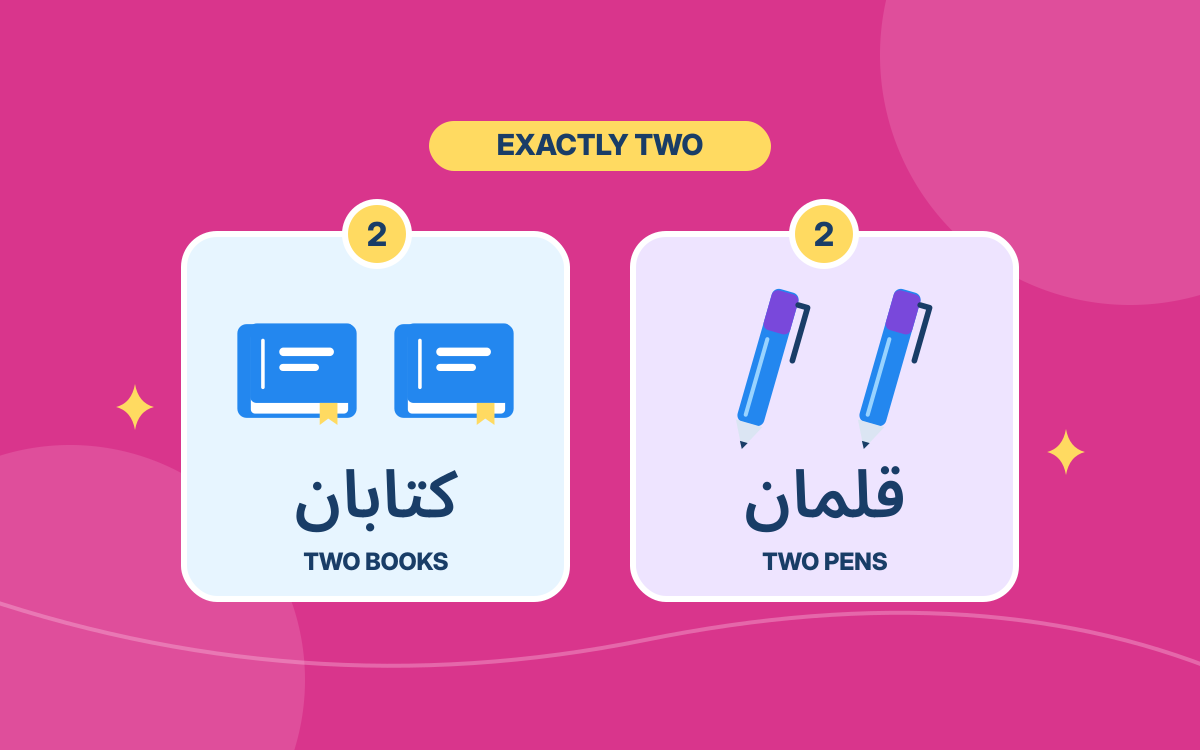
Arabic has a special noun form for exactly two: the dual. Kitab means a book; kitabani means two books in the nominative form used here. Practise with pairs of everyday objects and two short “these are” patterns.
01One book becomes two books
kitab
A book
kitabani
Two books
The ending انِ carries the meaning two. You do not need to add a separate number in this simple label. The dual means exactly two of the same kind, not an unspecified group.
02Try regular and special stems
qalam
A pen
qalamani
Two pens
For these nouns, add انِ to the singular stem. Kitab becomes kitabani; qalam becomes qalamani. These are nominative dual forms, suitable for the “these are” sentences below.
- One book: kitab. Two books: kitabani.
- One pen: qalam. Two pens: qalamani.
- A book and a pen are two different objects; they are not two books.
First count the objects, then name the pair. A dual noun tells you both what the objects are and that there are two.
Two family nouns restore a waw before the ending: أَب (ab), “father,” gives abawani; أَخ (akh), “brother,” gives akhawani. Learn these stems instead of simply attaching ani to the short singular.
أَبَوَانِ
abawani
Two fathers from different families
أَخَوَانِ
akhawani
Two brothers
03Notice the change in a feminine noun
حَقِيبَة
haqiba
A bag
حَقِيبَتَانِ
haqibatani
Two bags
Haqiba ends in ة. Before the dual ending, change that letter to ت. The result is haqibatani, not haqibaani.
This spelling change lets the t sound appear in the longer word. Keep the singular and dual side by side when learning the pair.
- Start with haqiba.
- Change the final letter to an ordinary ta.
- Add the nominative dual ending to make haqibatani.
04Say “These are two…”
hadhani kitabani
These are two books.
hatani haqibatani
These are two bags.
Use hadhani with a masculine pair, such as books or pens. Use hatani with a feminine pair, such as bags. Both demonstratives refer to two nearby things.
Kitab and qalam are masculine nouns; haqiba is feminine. The demonstrative agrees with the noun’s grammatical gender, regardless of who owns the objects.
To describe two pens, keep hadhani and replace kitabani with qalamani: هَذَانِ قَلَمَانِ.
05Keep the ending in its context
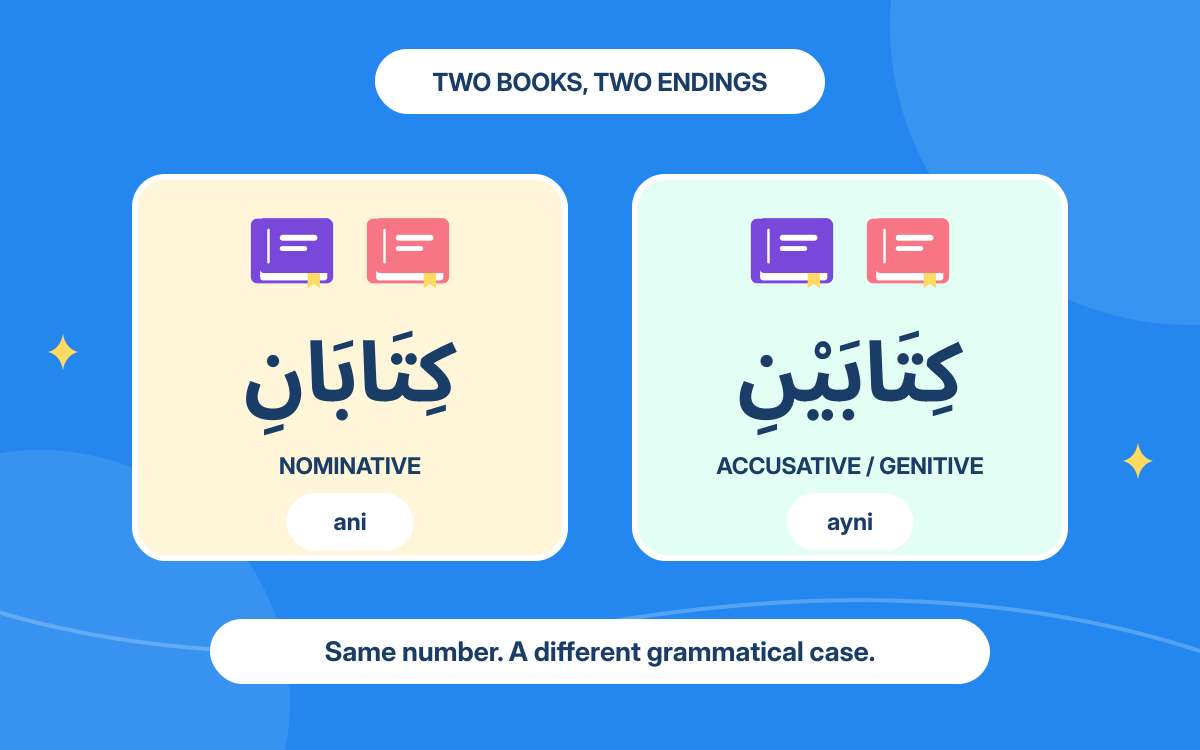
The ani ending is the focus of this lesson, but it is not the ending for every sentence. In Modern Standard Arabic, the dual changes with its grammatical role.
- Nominative: كِتَابَانِ kitabani.
- Accusative or genitive: كِتَابَيْنِ kitabayni.
For now, use the complete hadhani and hatani patterns you have learned. Do not carry kitabani unchanged into every request or prepositional phrase.
Before answering, check three things: are there exactly two, what is the noun’s gender, and does the sentence use the pattern practised here? The optional reference gives a small comparison for later review.
The same case choice applies to these special stems: أَبَوَيْنِ (abawayni) and أَخَوَيْنِ (akhawayni) are their accusative or genitive forms. The restored waw remains.
What to remember
- The dual names exactly two: kitabani means two books. Father and brother restore waw: abawani and akhawani.
- A noun ending in ة changes it to ت before the dual ending: haqiba becomes haqibatani.
- Use hadhani for a masculine pair and hatani for a feminine pair in these nominative sentences.
Your reference shelf
Open a guide whenever you need it.
Regular and special dual stemsCompare both case endings and recognise father and brother
On a small screen, scroll sideways to compare all forms.
| Meaning | Singular | Nominative dual | Accusative or genitive dual |
|---|---|---|---|
| Book | كِتَاب kitab | كِتَابَانِ kitabani | كِتَابَيْنِ kitabayni |
| Pen | قَلَم qalam | قَلَمَانِ qalamani | قَلَمَيْنِ qalamayni |
| Bag | حَقِيبَة haqiba | حَقِيبَتَانِ haqibatani | حَقِيبَتَيْنِ haqibatayni |
| Father | أَب ab | أَبَوَانِ abawani | أَبَوَيْنِ abawayni |
| Brother | أَخ akh | أَخَوَانِ akhawani | أَخَوَيْنِ akhawayni |
These forms show the final i used in connected formal reading. At a pause, that final short vowel is normally not pronounced. Dual forms in possessive constructions have another adjustment, which belongs to a later lesson.
The father rows above count two fathers, for example men from different families. In a family context, الْأَبَوَانِ can instead mean “the parents,” father and mother. Read the context before translating it. This established expression does not make every mixed pair a regular dual of one noun.
Sources & further learning
References for the language explanations and learning guidance.
- Madinah Arabic: forming the dual and changing ta marbuta
- Madinah Arabic: nominative, accusative and genitive dual forms
- Madinah Arabic: dual noun examples
- Blida 2 University: restoring the final stem letter in father and brother duals (morphology notes, page 28)
- Umm Al-Qura University: الأبوان for father and mother through taghlib (journal article, section on the dual)