Readers understand Arabic without short vowel marks by combining familiar words, word patterns, grammar and sentence context. The consonant letters and normally written long-vowel letters remain. There is no single rule that restores every missing vowel: unfamiliar or ambiguous words may still need a dictionary, vowelled source or clarification.
01What stays when vowel marks disappear?
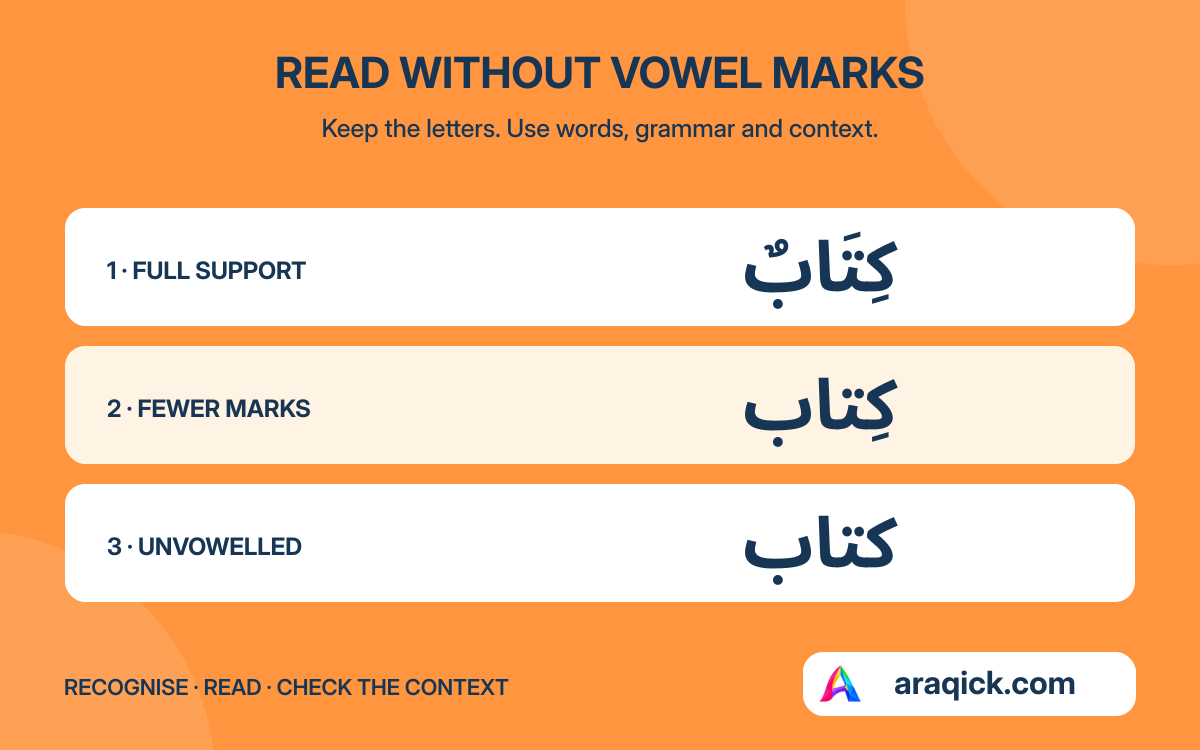
kitaab
Book
kitaab
The same word
The letters kaf, ta, alif and ba stay. Removing short vowel marks does not remove letter dots, hamza or long-vowel letters. Unvowelled texts may also omit shaddah and other reading marks.
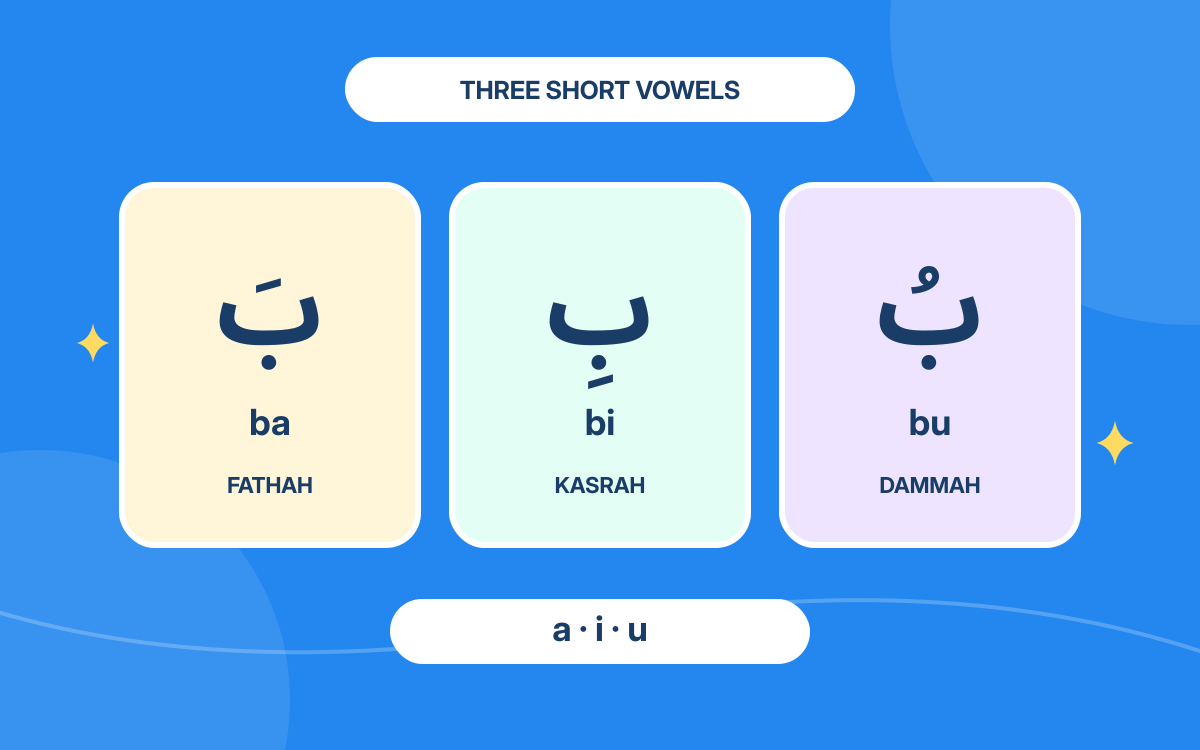
Start with short vowels and long vowels if you cannot yet distinguish these features.
02Which words should I practise first?
Start with words you already know by sound and meaning. Read بَيْت (bayt, house), then بيت. Try قَلَم (qalam, pen), then قلم. Finally compare مَدْرَسَة (madrasa, school) with مدرسة.
Cover the marked version and read again. If you cannot recall the word, look back and relearn it. Guessing rapidly does not replace building vocabulary.
03How do word families help?
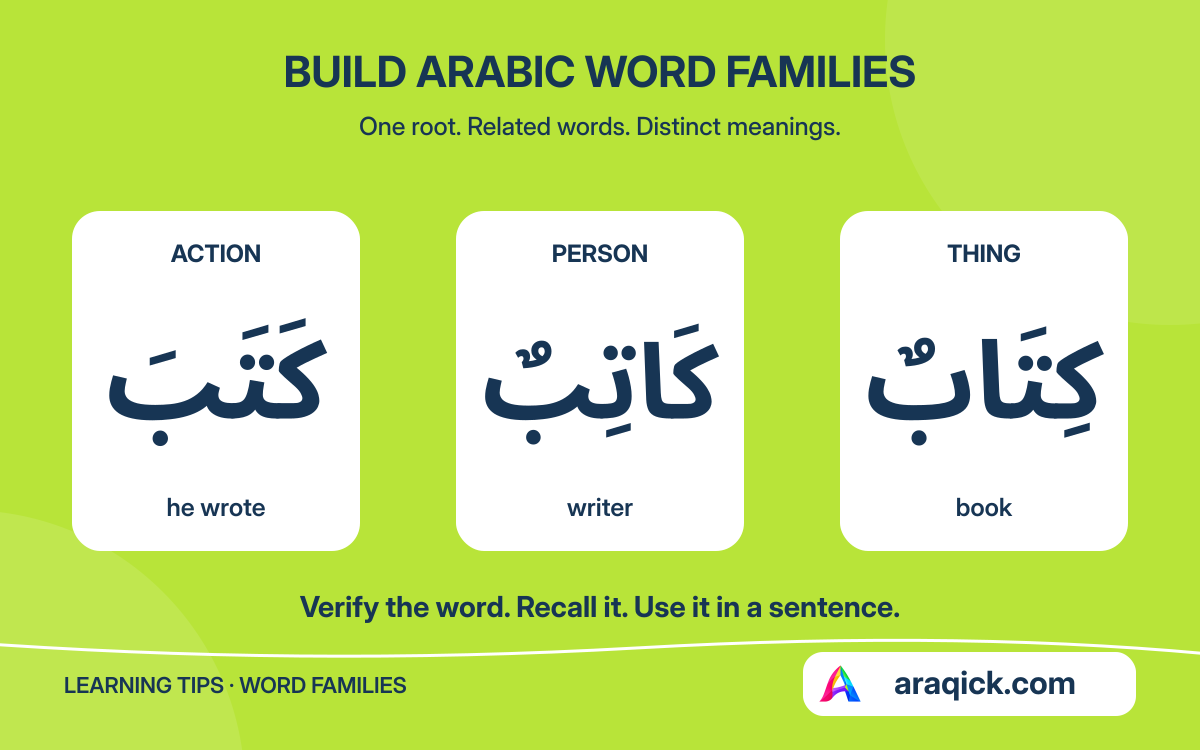
The letters ك ت ب connect several writing-related words: كَاتِب (kaatib, writer), مَكْتَب (maktab, desk/office) and كِتَاب (kitaab, book). Recognising a familiar pattern narrows your choices.
The root alone does not tell you every vowel or meaning. Compare the complete word, including prefixes and long-vowel letters. Practise this with Arabic word families.
04How does the sentence resolve ambiguity?
The bare letters علم can represent عِلْم (ilm, knowledge), عَلَم (alam, flag) or عَلِمَ (alima, he knew), among other forms. Context matters.
Context supports flag
رَفَعَ الطَّالِبُ عَلَمًا أَحْمَرَ
rafaa attaalibu alaman ahmar
The student raised a red flag.
Without marks: رفع الطالب علما أحمر. “Raised” and “red” support the flag meaning. The extra alif in علما remains when the tanwin marks are removed.
05What can grammar tell me?
A familiar sentence frame
هَذَا كِتَابٌ جَدِيدٌ
haadhaa kitaabun jadiid
This is a new book.
Without marks: هذا كتاب جديد. “This” introduces the noun, and the following word describes it. Familiar sentence frames help you choose a sensible reading.
A dictionary supplies the word’s internal vowels; grammar helps with its role and, in fully inflected reading, its ending. Reading at a pause may omit a case-ending sound. Understanding the sentence and reciting every case ending are different skills.
06How can I reduce the marks gradually?
| Stage | Read |
|---|---|
| Full support | فِي الْحَقِيبَةِ قَلَمٌ أَزْرَقُ |
| Support on selected words | في الحقيبة قَلَم أَزْرَق |
| No vowel marks | في الحقيبة قلم أزرق |
The sentence means “There is a blue pen in the bag.” Read the first line, cover it, and try the next. Keep a mark where it still helps, then remove it when you can read the word confidently.
07What if more than one reading still fits?
Do not force certainty. Read the surrounding sentence, identify likely word boundaries and grammar, then check a dictionary or a reliable marked version. Proper names and isolated headlines can remain ambiguous without further information.
For example, كتب alone might be كَتَبَ (kataba, he wrote), كُتُب (kutub, books) or كُتِبَ (kutiba, it was written). Use short reading practice to apply context across several connected sentences.
What to remember
- Removing vowel marks does not remove letter dots or long-vowel letters.
- Use known words, patterns and sentence meaning together.
- Keep selective marks and seek clarification when ambiguity remains.
Your reference shelf
Open a guide whenever you need it.
Marked and unmarked practice linesRead for meaning first, then compare the spellings.
| With marks | Without vowel marks | Meaning |
|---|---|---|
| عَلَى الطَّاوِلَةِ كِتَابٌ | على الطاولة كتاب | There is a book on the table. |
| أَقْرَأُ كِتَابًا جَدِيدًا | أقرأ كتابا جديدا | I read a new book. |
| فِي الْحَقِيبَةِ قَلَمٌ أَزْرَقُ | في الحقيبة قلم أزرق | There is a blue pen in the bag. |
These are gradual practice examples, not a guarantee that context always determines a single pronunciation. Research on Arabic reading examines how vowel information, reader skill and context interact.
A repeatable reading routineUse four checks before deciding that a word is clear.
| Check | Question |
|---|---|
| Letters | Have I kept the dots, hamza and long-vowel letters? |
| Vocabulary | Do I know this complete word and its meaning? |
| Grammar | What job does it have in this sentence? |
| Context | Does this reading fit, or do I need clarification? |
Sources & further learning
References for the language explanations and learning guidance.