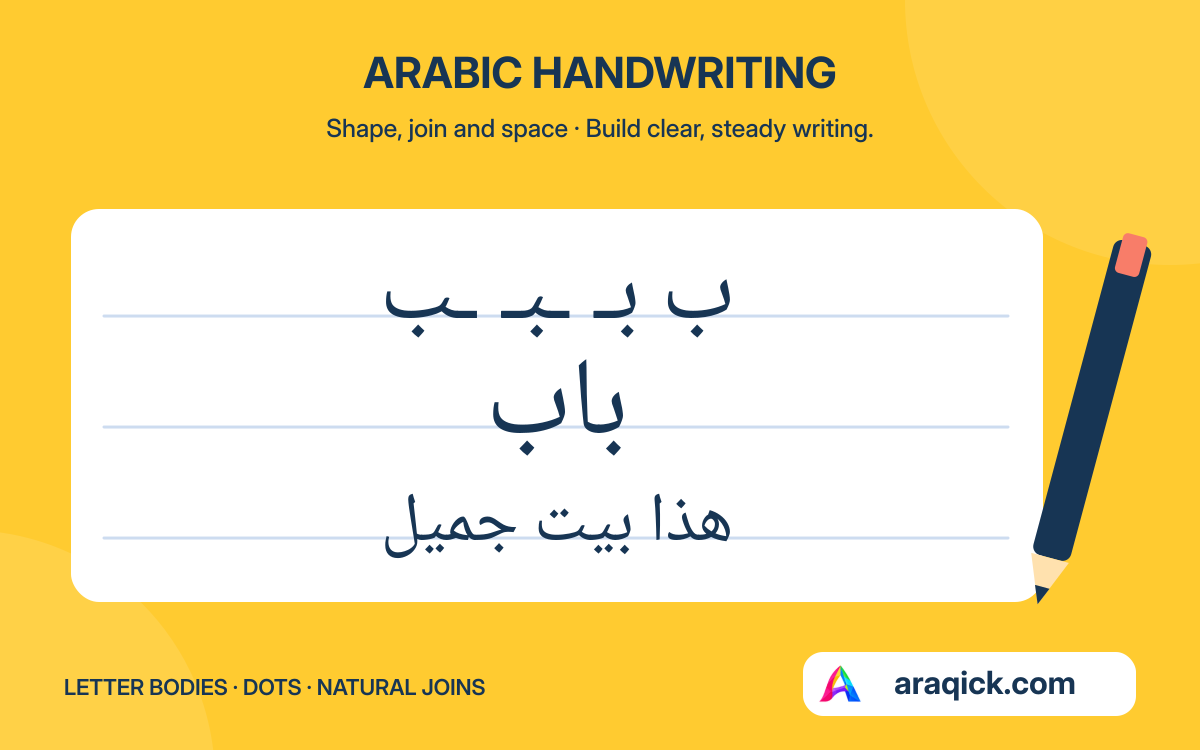
Clear Arabic handwriting comes from recognisable letter bodies, correct dots, natural joins and consistent spaces between words. Start with a simple Naskh-style model and ruled paper. Write slowly, compare one feature, then repeat. The visual models below are typeset shape references for copying, not demonstrations of a calligrapher’s pen strokes.
01How do I start practising letter shapes?
Use an ordinary pen or pencil and comfortable ruled paper. Copy a small group of related letters rather than the whole alphabet at once. Begin with ب ت ث: a similar isolated body, but different dots. Keep the bowl open and the dots recognisable.
Try one row of each letter. Compare their bodies before checking the dots. The aim is consistency, not speed or decorative detail.
02Why does a letter change shape?
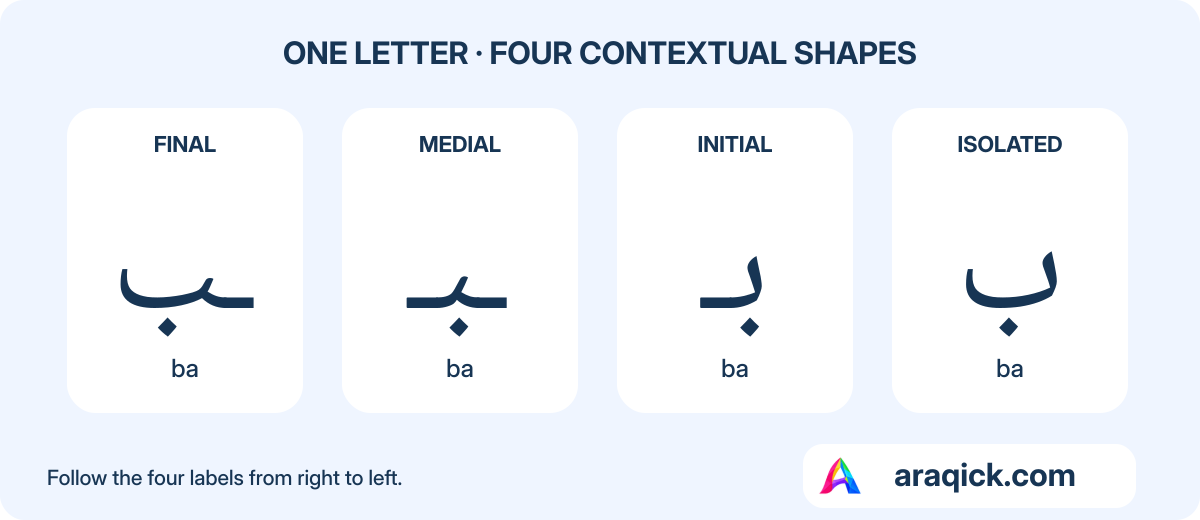
Compare isolated ب, initial بـ, medial ـبـ and final ـب. The joining side changes, but the dot remains below. These positions depend on neighbouring letters that can actually connect.
Copy the connected pair بب before trying a longer word. Use the model’s entry and exit heights.
03Which letters stop a connection?
These six basic letters do not connect onward to the following letter on their left: ا د ذ ر ز و. They may still connect to a preceding join-capable letter on their right.
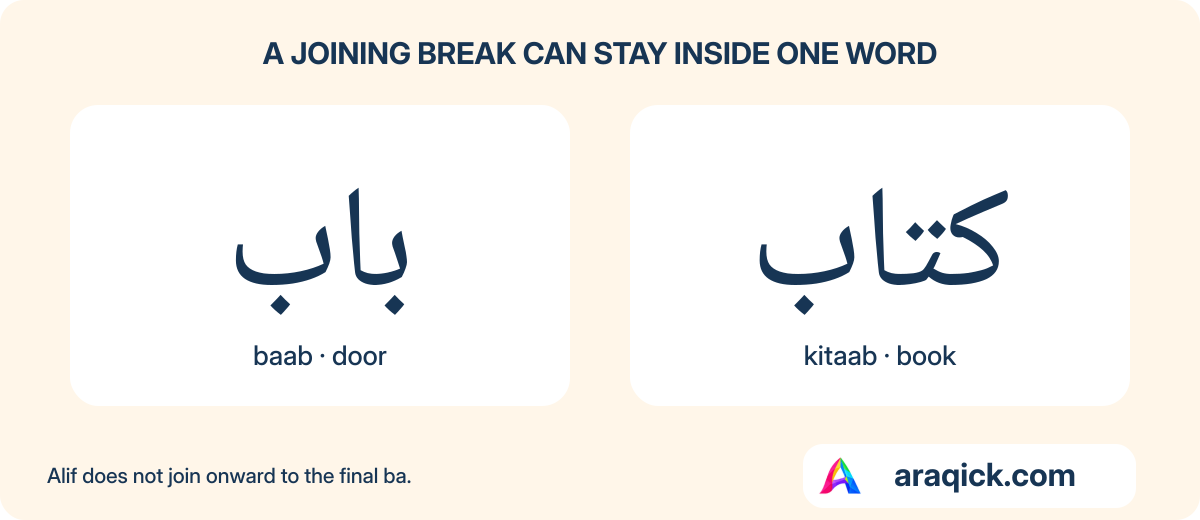
Copy بَاب (baab, door). Alif stops the onward join, so the final ba is separate. Keep the word together visually.
04How do I use the baseline?
Treat the ruled line as a guide for the main bodies and connections. Tall strokes rise above it; some tails descend below it. Do not force every part of every letter onto one line.
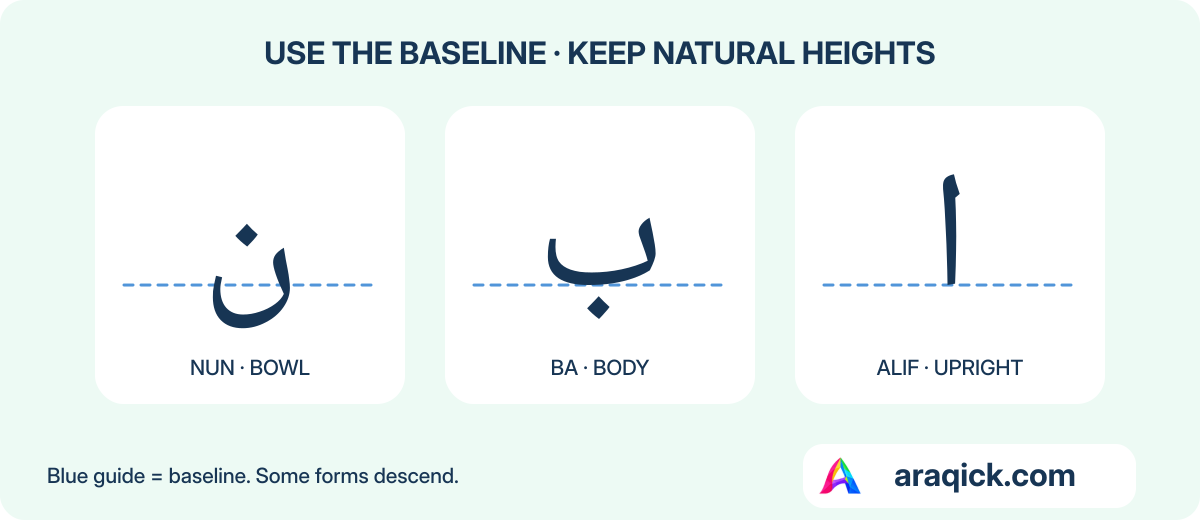
Copy ا ب ن at a steady size. Leave enough space between writing lines for dots, vowel marks and descending shapes.
05When should I check dots and marks?
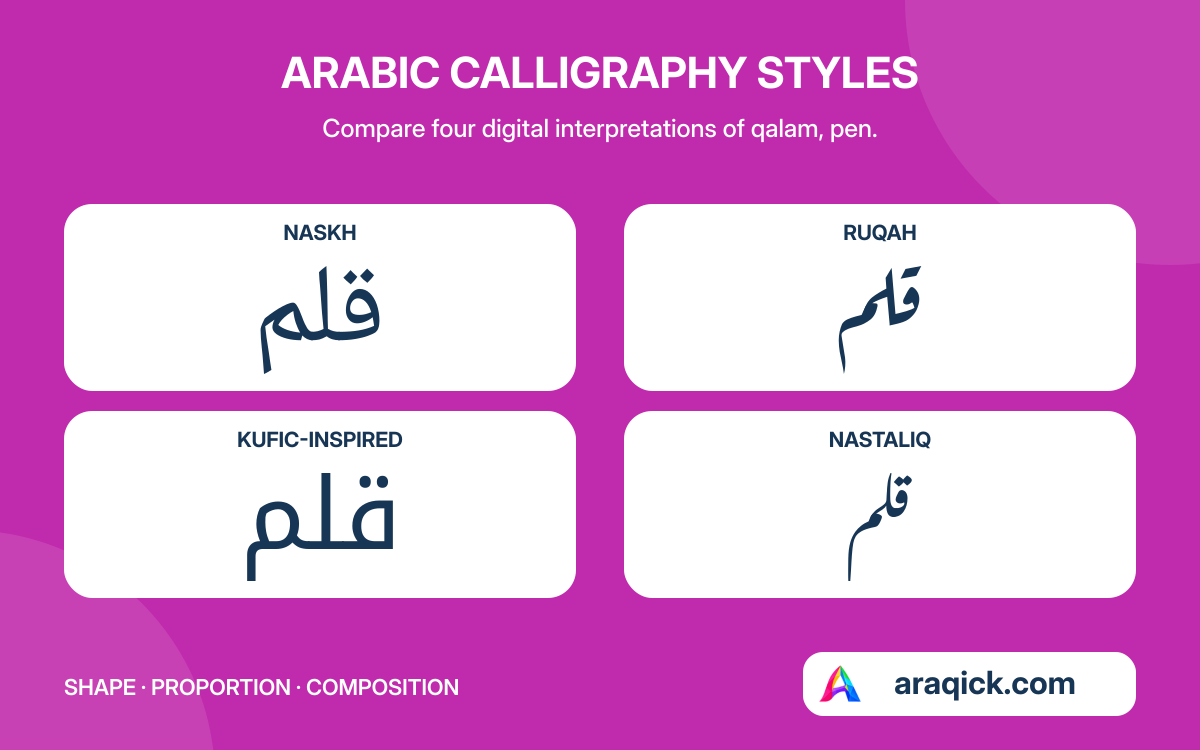
After each short word, check the dots: number, position and clarity. In this beginner Naskh-style practice, make distinct dots. Ruqah may combine dots into short strokes; avoid mixing styles before the basic shapes are stable.
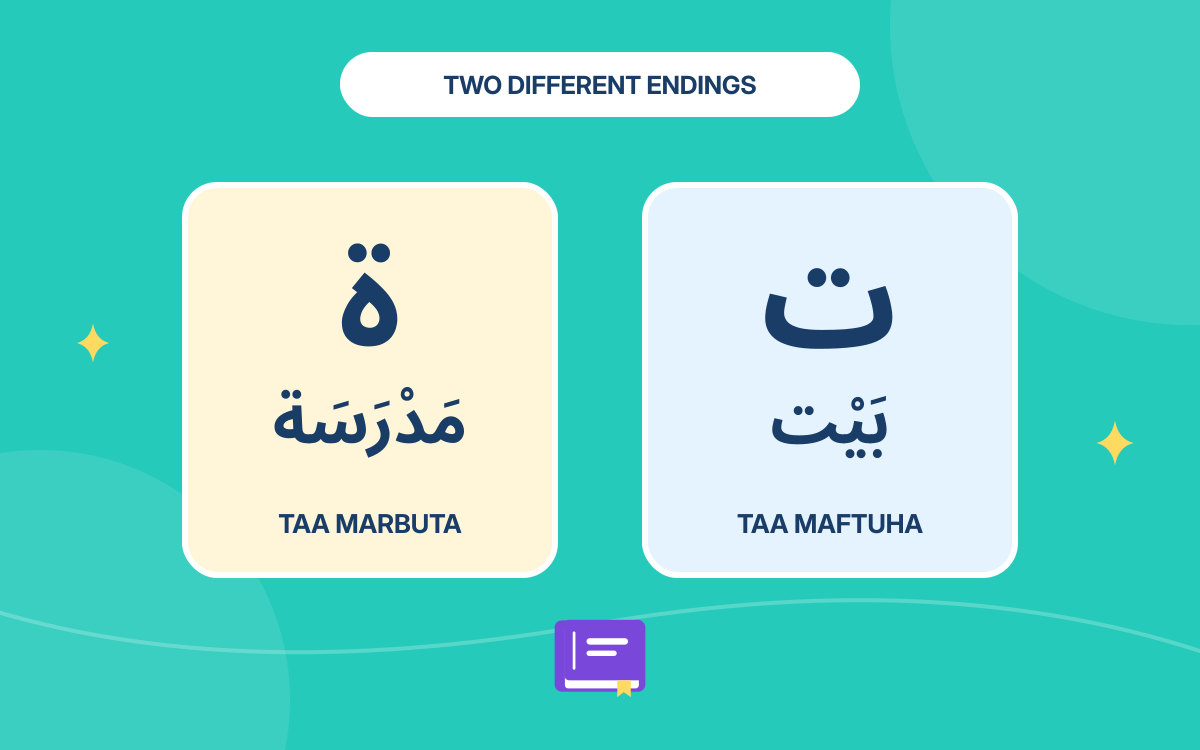
Compare بَيْت (bayt, house) with its letters. Keep letter dots separate from vowel marks. Add only the vowel marks you intend; a stray pen stroke can look like an extra mark.
06How much space goes between words?
Copying practice
هَذَا بَيْتٌ جَمِيلٌ
haadhaa baytun jamiil
This is a beautiful house.
Write the three words with visible gaps between them. Keep natural gaps inside a word smaller than your word spaces. There is no universal millimetre measurement: use a steady visual rhythm that makes word boundaries clear.
Copy once with the model visible, then once from memory. Compare the spelling before trying to make the line faster.
07What should a short practice session include?
Choose one target: dots, a particular join, baseline or word spacing. Copy three examples slowly, write a short sentence, and compare it with the model. Circle one unclear feature and rewrite that word.
The quizzes check recognition and rules; your handwritten line needs visual comparison. Continue with the alphabet, calligraphy styles and Arabic typing. Move toward Ruqah after your basic letter recognition is secure.
What to remember
- Keep letter bodies, dots and vowel marks distinct.
- A natural break inside a word is not a word space.
- Practise one visible feature at a time before increasing speed.
Your reference shelf
Open a guide whenever you need it.
A compact copying routineUse the same model and a comfortable writing size.
| Step | Copy | Look for |
|---|---|---|
| 1 · Related bodies | ب ت ث | Open bodies and clear dot patterns |
| 2 · Connections | بب | Consistent entry and exit heights |
| 3 · Natural break | باب | One word despite the break after alif |
| 4 · Word spacing | هذا بيت جميل | Three readable words |
| 5 · Compare | Rewrite one unclear word | One specific improvement |
The outlined diagrams use Noto Naskh Arabic as a legible model. They show finished shapes, not prescribed stroke order. A handwriting teacher or calligraphy copybook can demonstrate pen movements for your chosen style.
The six common onward-join blockersThey can connect from their right, but not to the next letter on their left.
| Letter | Name |
|---|---|
| ا | Alif |
| د | Dal |
| ذ | Dhal |
| ر | Ra |
| ز | Zay |
| و | Waw |
Sources & further learning
References for the language explanations and learning guidance.