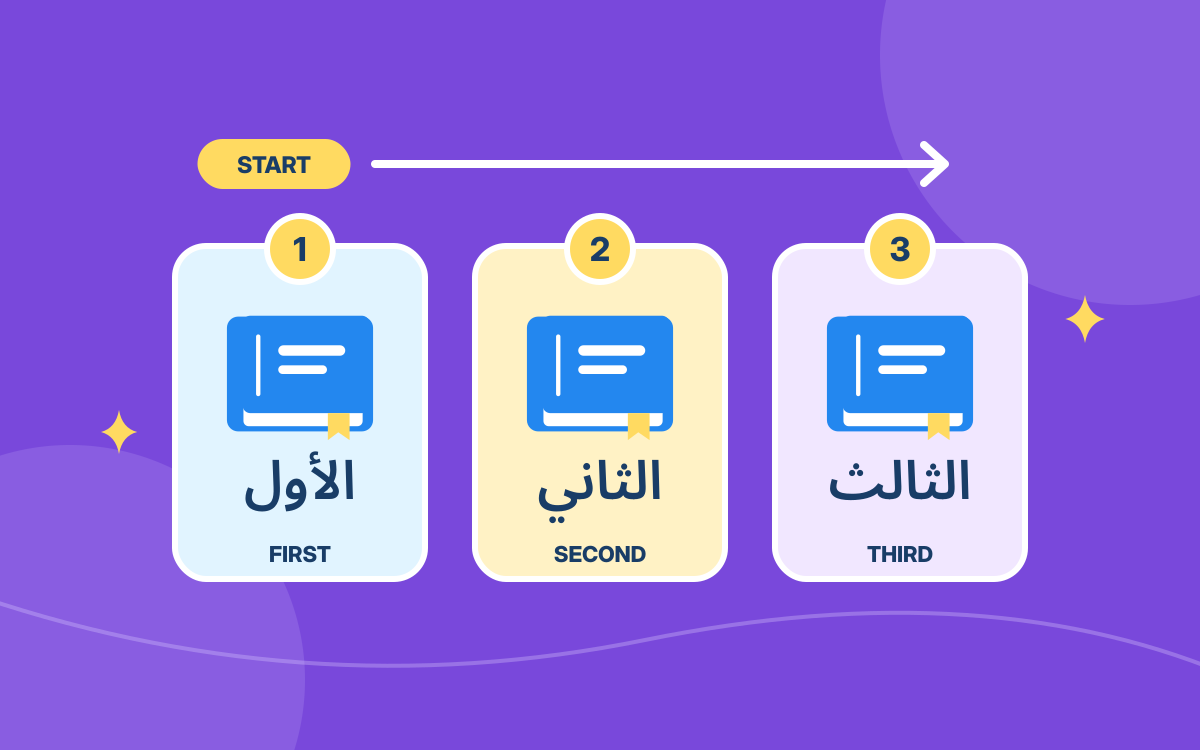
Ordinal numbers tell you a position: first, second or third. Alawwal means the first with a masculine noun; alula is its feminine partner. Start with three positions, then use books and pages to see how the wording changes. The reference below includes every ordinal from first to tenth.
01Read the order from the top
These three entries run from top to bottom. Each position names one book, not the total number of books.
- الْأَوَّل
alawwal
First book in this list
- الثَّانِي
aththani
Second book in this list
- الثَّالِث
aththalith
Third book in this list
First, second and third are ordinals. Counting the whole list gives three books; naming its middle entry gives the second book.
02Put the book before its position
الْكِتَاب الثَّانِي
alkitab aththani
The second book
Kitab is grammatically masculine. Put the ordinal after the noun: the book, then the second. Both words have the definite article in this phrase.
Change only the position to make الْكِتَاب الْأَوَّل alkitab alawwal, the first book, or الْكِتَاب الثَّالِث alkitab aththalith, the third book. Keep the noun first when naming an item this way.
03Change the form for a page
assafha alula
The first page
assafha aththaniya
The second page
Safha, page, is feminine. That is why the ordinal changes. The third page is الصَّفْحَة الثَّالِثَة assafha aththalitha.
Compare alawwal with alula: first has a special feminine form. For second and third, notice the final ة in the feminine word. The position stays the same; the grammatical gender changes to match the noun.
04Add fourth, fifth and tenth
arrabi
The fourth
alkhamis
The fifth
alashir
The tenth
These are masculine forms, ready to follow alkitab. For example, الْكِتَاب الْخَامِس alkitab alkhamis means the fifth book.
The table below also gives sixth, seventh, eighth and ninth, with feminine partners for all ten positions. Learn a few at a time. Practise a position out of sequence so you can recognise fifth without reciting first through fourth.
05Check the noun, then the position
- A book: use alawwal, aththani or aththalith for the first three positions.
- A page: use alula, aththaniya or aththalitha.
- In our book and page phrases: keep the article on both the noun and its ordinal.
For the second page, combine assafha with aththaniya. For the second book, combine alkitab with aththani. This agreement follows the noun, regardless of who owns or reads it.
These examples use Modern Standard Arabic. Plain reading aids simplify sounds and omit some endings; they help you recognise the words alongside the Arabic spelling.
What to remember
- Ordinals name a position; cardinal numbers count how many.
- Put the ordinal after the noun and match its gender and definiteness.
- Learn alawwal and alula as the masculine and feminine forms of first.
Your reference shelf
Open a guide whenever you need it.
First to tenth: both formsOpen all ten positions with masculine and feminine reading aids
These definite forms suit phrases such as the first book and the first page. The plain reading aids pause at the end of each entry; case vowels can change in sentences.
On small screens, scroll the table sideways to see every column.
| Position | Masculine | Feminine |
|---|---|---|
| First | الْأَوَّل alawwal | الْأُولَى alula |
| Second | الثَّانِي aththani | الثَّانِيَة aththaniya |
| Third | الثَّالِث aththalith | الثَّالِثَة aththalitha |
| Fourth | الرَّابِع arrabi | الرَّابِعَة arrabia |
| Fifth | الْخَامِس alkhamis | الْخَامِسَة alkhamisa |
| Sixth | السَّادِس assadis | السَّادِسَة assadisa |
| Seventh | السَّابِع assabi | السَّابِعَة assabia |
| Eighth | الثَّامِن aththamin | الثَّامِنَة aththamina |
| Ninth | التَّاسِع attasi | التَّاسِعَة attasia |
| Tenth | الْعَاشِر alashir | الْعَاشِرَة alashira |
Sources & further learning
References for the language explanations and learning guidance.