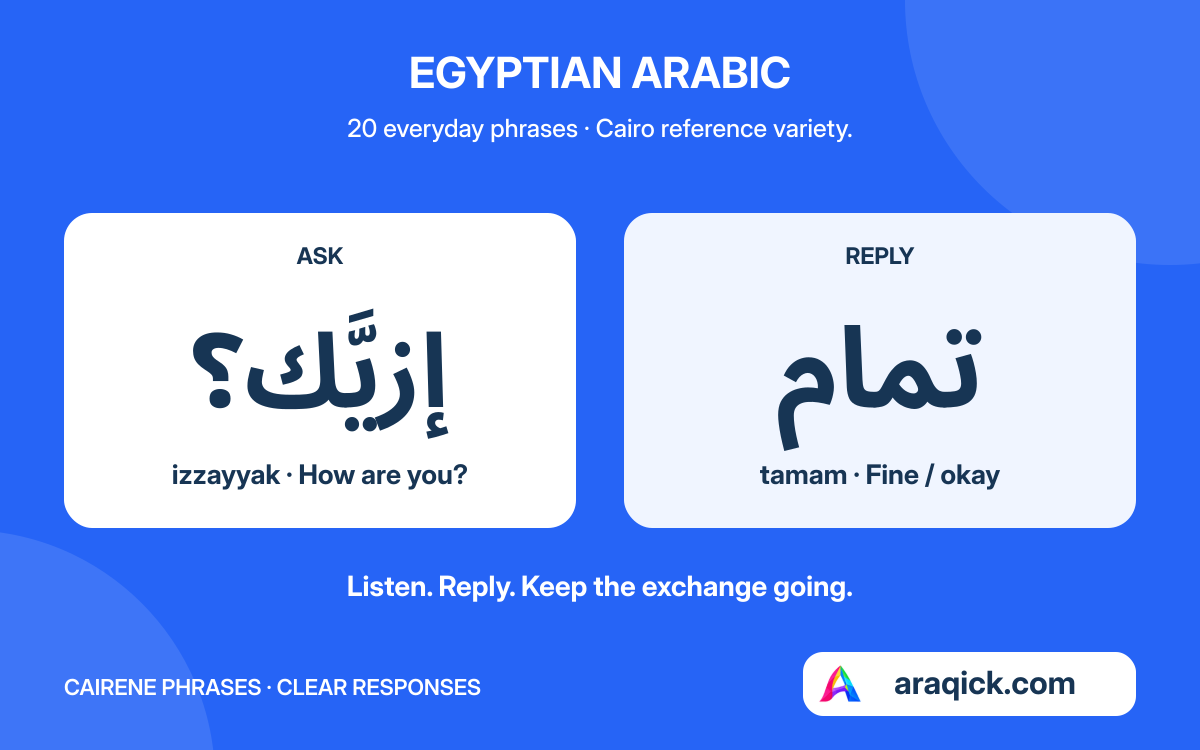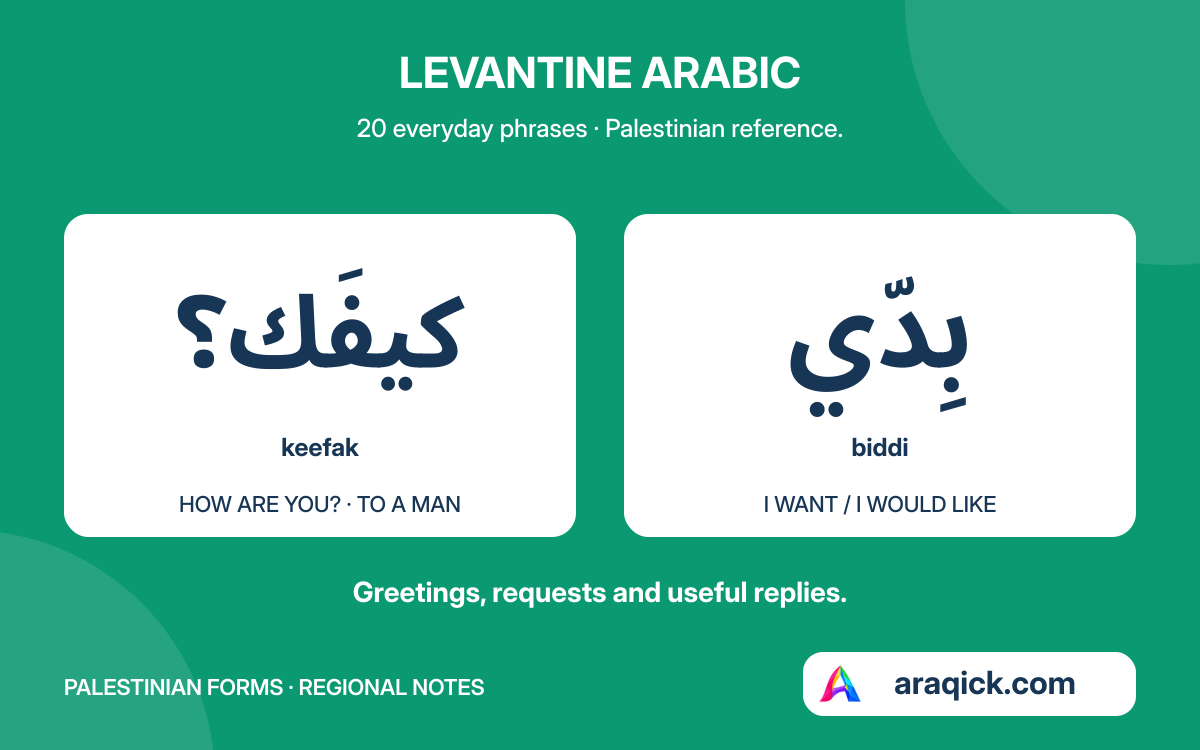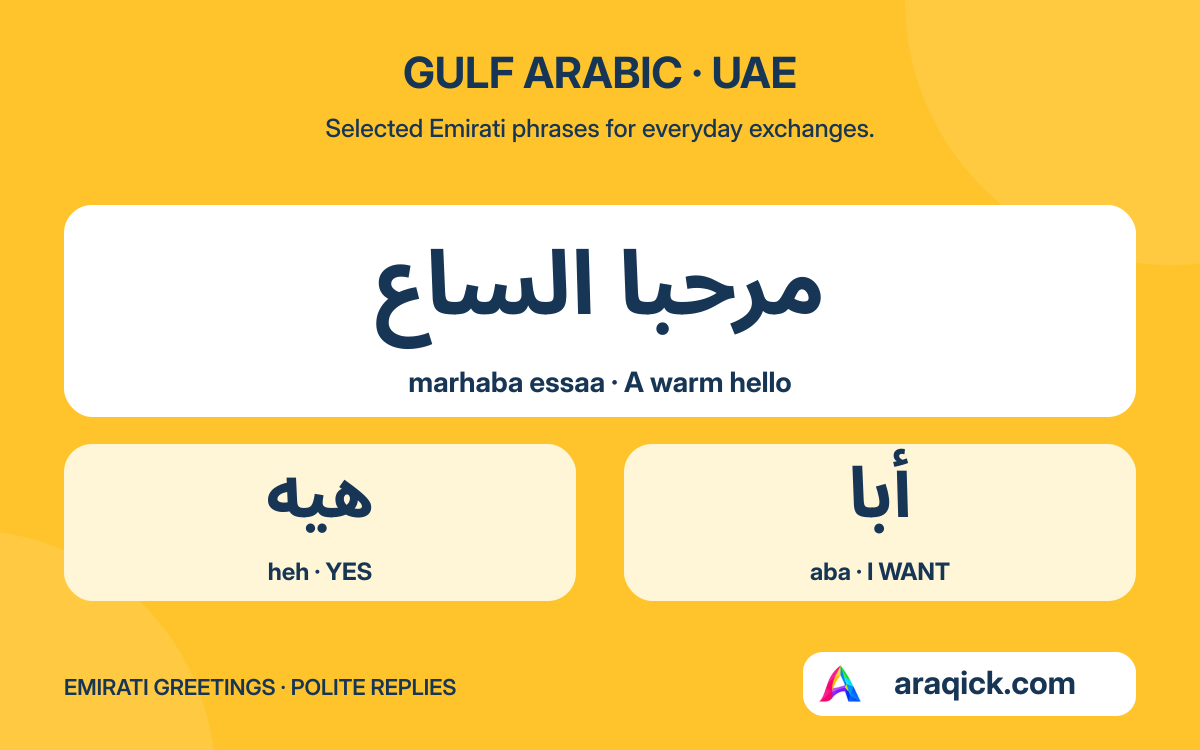
Modern Standard Arabic is widely used in formal writing and speech. Regional Arabic varieties are central to everyday conversation. Your best starting point depends on what you want to read, hear and say. You can study both with a clear, manageable plan.
01Notice where each variety appears
- MSA: news articles, formal announcements, much nonfiction and education.
- Regional varieties: everyday conversations, informal messages and local media.
A news report and a conversation about that report can sound different. Speakers may also blend formal and colloquial features as the audience or situation changes.
Regional Arabic is not incorrect MSA. Each variety has patterns and grammar of its own.
02Let the goal guide your choice
| You want to… | Start with… |
|---|---|
| Read news and public information | MSA reading and vocabulary |
| Talk with a particular family or community | The variety those people use |
| Prepare for travel | Local conversation, plus script and standard signs |
| Read the Qur’an or classical literature | A course designed for that text tradition |
This is a starting point, not a permanent choice. You do not need to finish MSA before beginning a dialect, or stop conversation practice to learn the script.
For a trip, write down three exchanges you expect to use: a greeting, a price and a direction. Check whether your course actually teaches them with relevant speakers.
03Compare a word, then its context
Vocabulary, pronunciation and sentence patterns can differ. Here is one small example:
MSA: مَا · ma · what
Egyptian Arabic: إيه · eh · what
These are variety labels, not permission to swap either word into every sentence. Learn a complete question with its answer so you hear how each form is used.
- Keep the Arabic, meaning and variety label together in your notes.
- Use audio from the community you want to understand.
- Ask about the whole exchange when wording sounds unfamiliar.
Broad labels such as Levantine or Gulf include local differences. Check where a resource’s recordings and examples come from. Familiarity with one variety helps, but does not guarantee understanding of every conversation.
04Build a small plan for both
- Choose one immediate task. For example, understand a relative’s greeting or read a short introduction.
- Give your main goal most of the session. Add a little reading or listening in the other variety when useful.
- Keep one shared topic. Compare introductions with introductions, using clearly labelled examples.
- Check a real skill. Close your notes and try the exchange or read the passage again.
There is no single ideal ratio between MSA and dialect study. Adjust the balance to your goal and the resources available. If two forms keep getting confused, practise one exchange until it is familiar before comparing again.
MSA and Qur’anic Arabic share much, but modern news vocabulary does not replace study designed for the Qur’an. Choose a suitable course for that purpose.
Our core beginner examples use MSA; regional forms are labelled. Use the beginner roadmap to turn your choice into a short routine.
What to remember
- MSA and regional varieties serve different, overlapping roles.
- Choose your study focus around the people, places and texts that matter to you.
- Label examples and learn complete exchanges rather than mixing isolated forms.
Sources & further learning
References for the language explanations and learning guidance.