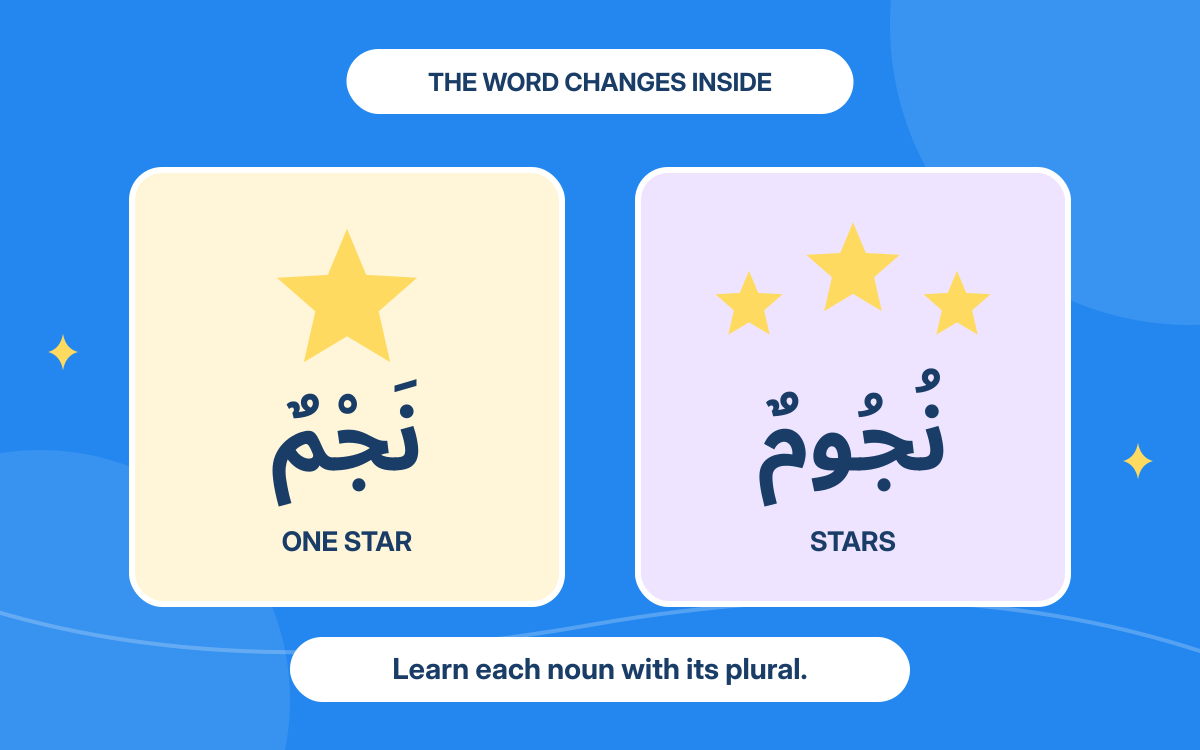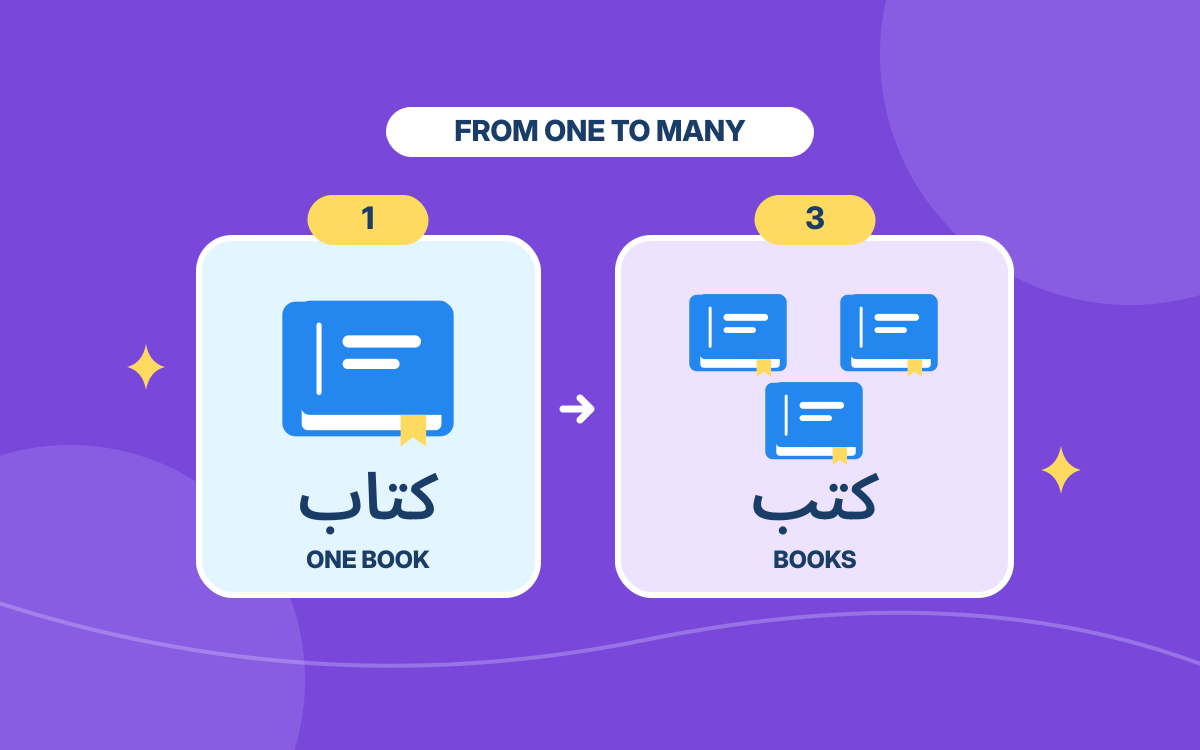
Kitab is a book; kutub means books. Arabic plurals can change the shape inside a word or use a regular ending. Learn each singular with its plural instead of guessing one ending for everything. Start with objects you can picture, then practise eight useful pairs in Modern Standard Arabic.
01Compare one book with a group
kitab
One book
kutub
Books
Kutub names books as a group. Our picture shows three, but the word does not mean exactly three. Arabic distinguishes a singular for one, a dual for exactly two and a plural normally naming three or more.
02Notice the changes inside
قَلَم
qalam
أَقْلَام
aqlam
بَاب
bab
أَبْوَاب
abwab
بَيْت
bayt
بُيُوت
buyut
These are broken plurals: the word changes internally. Qalam becomes aqlam; bab becomes abwab; bayt becomes buyut. The label broken describes a word pattern, not damaged objects.
Aqlam and abwab have a similar shape, while buyut follows a different one. Learn the actual pairs aloud. Cover each plural and recall it from the singular, then reverse the task.
03Add two familiar objects
حَقِيبَة
haqiba
حَقَائِب
haqaib
كُرْسِيّ
kursi
كَرَاسِيّ
karasi
Haqiba becomes haqaib; kursi becomes karasi. Both are broken plurals too. Notice that the singular bag ends in ة, yet its plural here is haqaib.
A final taa marbuta does not guarantee that a word uses the regular at ending. When learning a new noun, keep its dictionary plural beside it. That small habit prevents an incorrect guess from becoming familiar.
04Spot the regular ending
sayyara
Car
sayyarat
Cars
حَافِلَة / حَافِلَات
hafila hafilat
Bus / buses
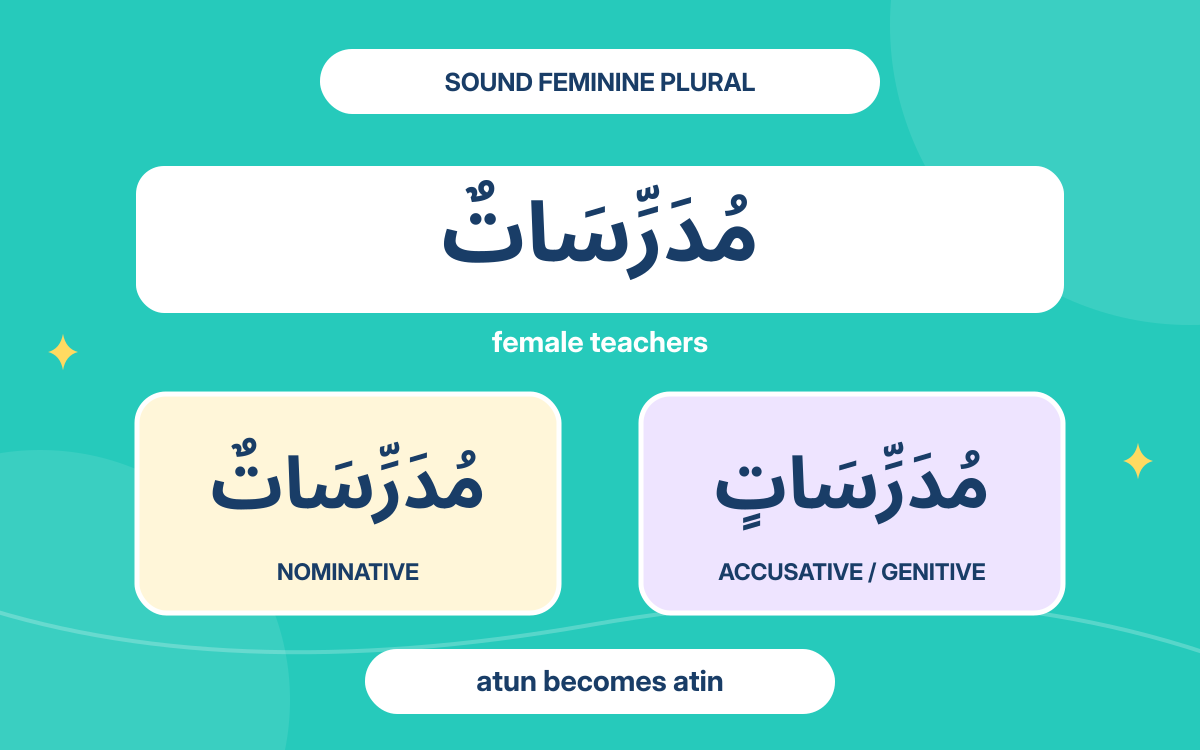
Sayyarat and hafilat use the sound feminine plural ending ات. In these two pairs, replace the final ة with ات. The main stem remains easy to recognise.
The grammatical name does not mean the vehicles are female. It identifies this plural pattern. Compare these regular pairs with haqiba and haqaib before deciding how another noun forms its plural.
05Use one short sentence
هَذِهِ كُتُب
hadhihi kutub
These are books.
هَذِهِ أَقْلَام
hadhihi aqlam
These are pens.
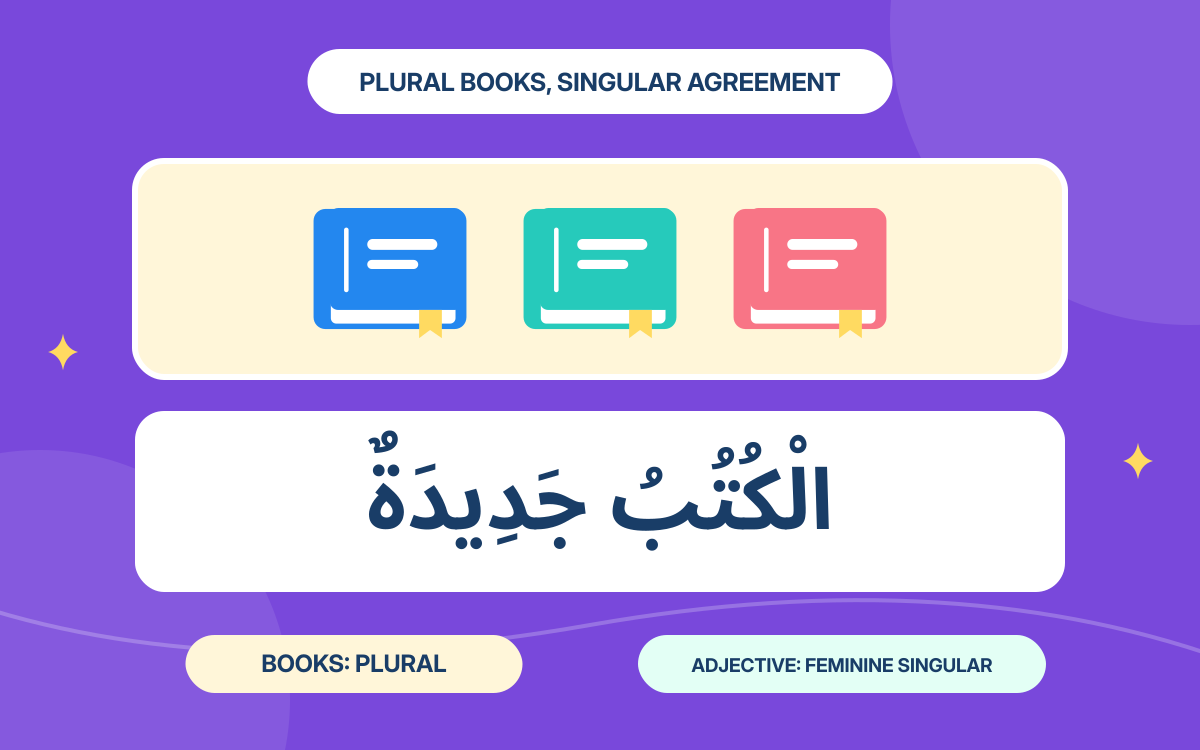
In this Modern Standard Arabic pattern, groups of nonhuman things use feminine singular hadhihi. The noun remains plural: kutub or aqlam. This differs from the pattern used for groups of people.
Point to several pens and say the second sentence. Then point to books and change only the noun. You are recognising the group, choosing its plural and using the correct demonstrative together.
The reference keeps all eight pairs together. Plain reading aids simplify sounds and omit some case endings, so keep the Arabic visible as you review.
What to remember
- Learn the singular and plural together; one ending will not work for every noun.
- Broken plurals change internally; cars and buses use the regular at pattern here.
- Use hadhihi with the nonhuman plural groups in the taught sentences.
Your reference shelf
Open a guide whenever you need it.
All eight singular and plural pairsOpen the complete list with plain reading aids
On small screens, scroll the table sideways to see every column.
| Meaning | Singular | Plural |
|---|---|---|
| Book / Books | كِتَاب kitab | كُتُب kutub |
| Pen / Pens | قَلَم qalam | أَقْلَام aqlam |
| Door / Doors | بَاب bab | أَبْوَاب abwab |
| House / Houses | بَيْت bayt | بُيُوت buyut |
| Bag / Bags | حَقِيبَة haqiba | حَقَائِب haqaib |
| Chair / Chairs | كُرْسِيّ kursi | كَرَاسِيّ karasi |
| Car / Cars | سَيَّارَة sayyara | سَيَّارَات sayyarat |
| Bus / Buses | حَافِلَة hafila | حَافِلَات hafilat |
These are vocabulary forms without case endings. The first six pairs use broken plurals; cars and buses use sound feminine plurals. The two word sentence examples above focus on nonhuman objects, not groups of people.
Sources & further learning
References for the language explanations and learning guidance.