Choose one useful Arabic task, learn the words and sounds it needs, then practise without looking at the answer. A small routine can include listening, reading and speaking. Start at your current level and measure what you can understand or say.
01Choose one task
Make your first goal something you can actually try:
- Greet someone and give a reply.
- Say your name and where you are from.
- Recognise five familiar objects in Arabic.
Match your resource to the goal. MSA is useful for formal reading; a regional variety matters for conversation with a particular community. Choose one main learning sequence, clear audio and a place for notes. Our varieties guide explains the choice.
02Connect the letters to sound
If the script is new, use the alphabet chart with a structured pronunciation resource.
- Learn a few letters, including their joined forms.
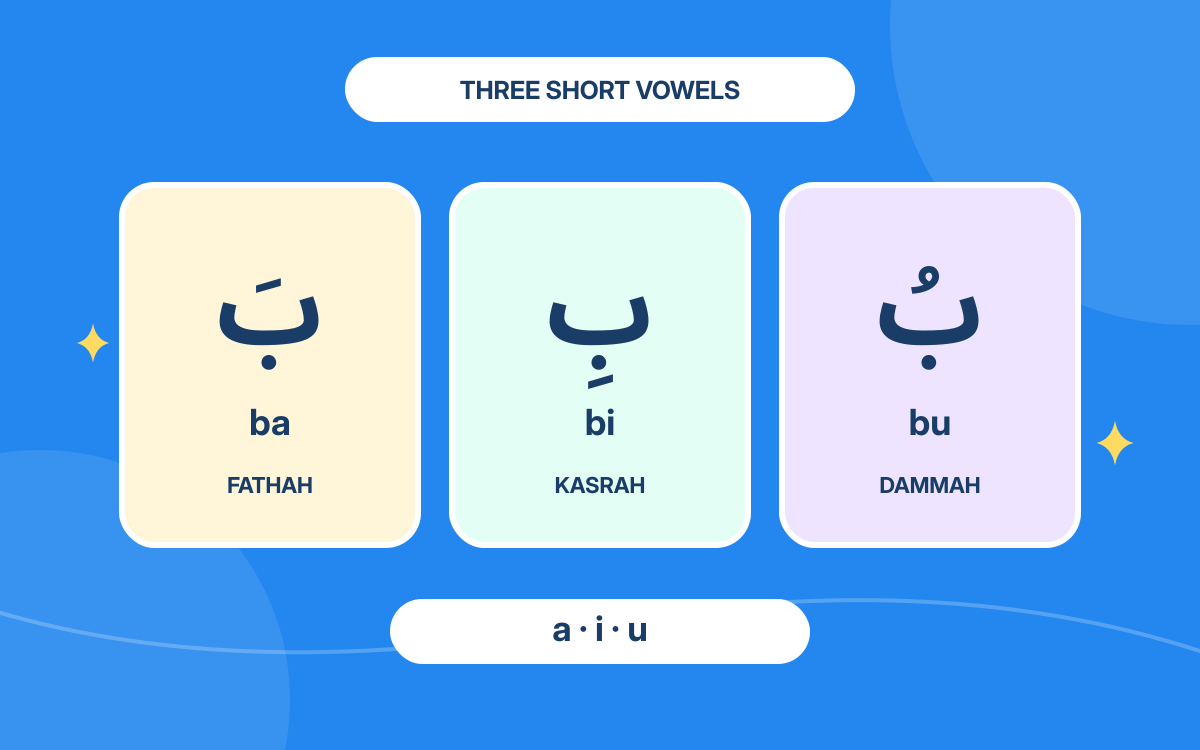
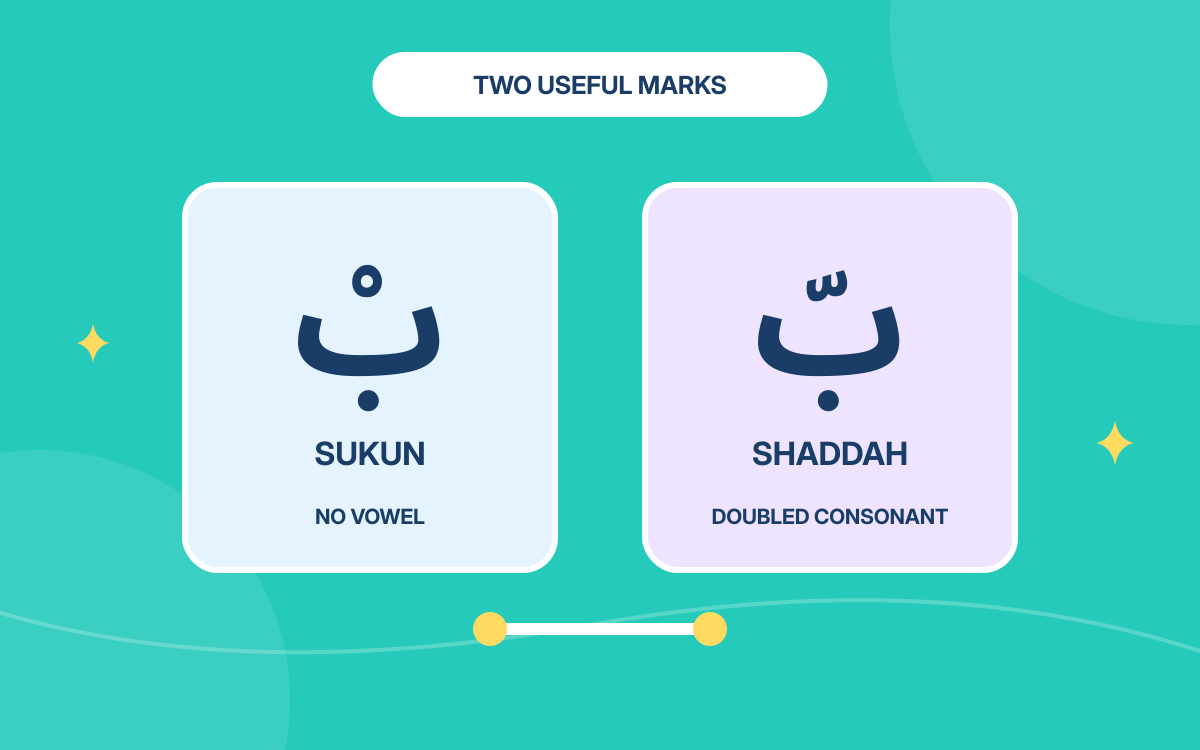
- Add short vowels and read a small, familiar word.
- Look at Arabic first; use transliteration when you need help.
كِتَاب
kitab · book
English letters cannot capture every Arabic sound. Listen to a model and notice its vowels. You can practise greetings while learning to read; perfect handwriting is not a prerequisite for speaking.
03Turn one word into a sentence
Learn words inside a reusable MSA pattern:
هٰذَا كِتَابٌ
hadha kitab · This is a book.
Replace كِتَابٌ with قَلَمٌ (qalam, pen):
هٰذَا قَلَمٌ
hadha qalam · This is a pen.
- هٰذَا refers to a masculine singular item here.
- This kind of affirmative present-tense sentence needs no separate word for is.
- The reading aids use simple pause-style forms.
Point to the object, say the sentence, then hide the model. For other nouns, learn the matching form with its example.
04Give a short session a clear shape
Here is a sample fifteen-minute routine. Adjust it to your day; it is a schedule, not a promise about reaching a level.
- 3 minutes: recall a few previous words before looking.
- 4 minutes: listen to a short exchange and check its transcript.
- 4 minutes: practise one new pattern or a few words.
- 3 minutes: say or write your own example.
- 1 minute: note what to revisit next time.
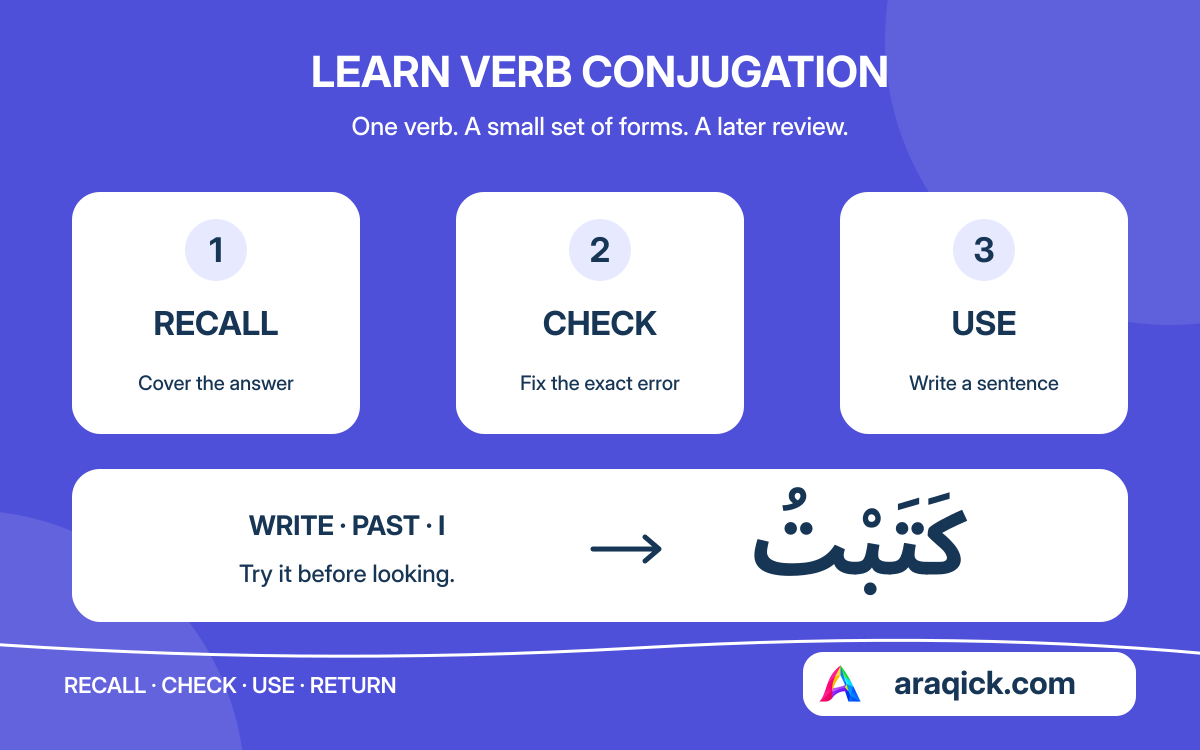
Recall means attempting an answer from memory. Check it afterwards, correct mistakes and revisit the item on another day. Spread practice across sessions instead of relying on one long reread.
05Check something you can do
At the end of a session, close your notes and try one small task:
- Recognise a word when you hear or see it.
- Recall Arabic when you want to name an object.
- Change one detail in a sentence you know.
These tasks reveal different skills. If you recognise kitab but cannot recall it from book, practise that direction next. A mistake gives you a specific starting point for another session.
Learn Arabic A1 supports beginner vocabulary and short sentences. If letters and vowels are unfamiliar, add a dedicated foundation resource. Next, practise both sides of a greeting and reply.
What to remember
- Choose a task you can practise, such as introducing yourself.
- Connect words to sound, script and a short example.
- Try recalling, check the answer, and revisit it in a later session.
Sources & further learning
References for the language explanations and learning guidance.