Arabic has 28 basic letters, written from right to left. Start by noticing shapes and dots, then see how letters join inside words. This short lesson introduces the essentials; the complete chart below is a reference you can return to as you learn.
01Start with shapes and dots
Read Arabic from right to left. In this family, the body stays similar while the dots change the letter:
- ب ba: one dot below.
- ت ta: two dots above.
- ث tha: three dots above.
Say each name, cover the labels, and look again. Recognising a letter out of order is more useful than only remembering its place in the alphabet.
02Try another family
Now compare ج ح خ. Keep your attention on the same three features: body, dots, and position.
- ج jim has one dot below; its usual MSA sound is like the j in jam.
- ح ha has no dot; it is a breathy throat sound.
- خ kha has one dot above; its sound resembles the end of Scottish loch.
English comparisons are approximate. Listen to a reliable recording, especially for sounds English does not have. The full chart includes names and sound notes for all 28 letters.
03Watch the letters join
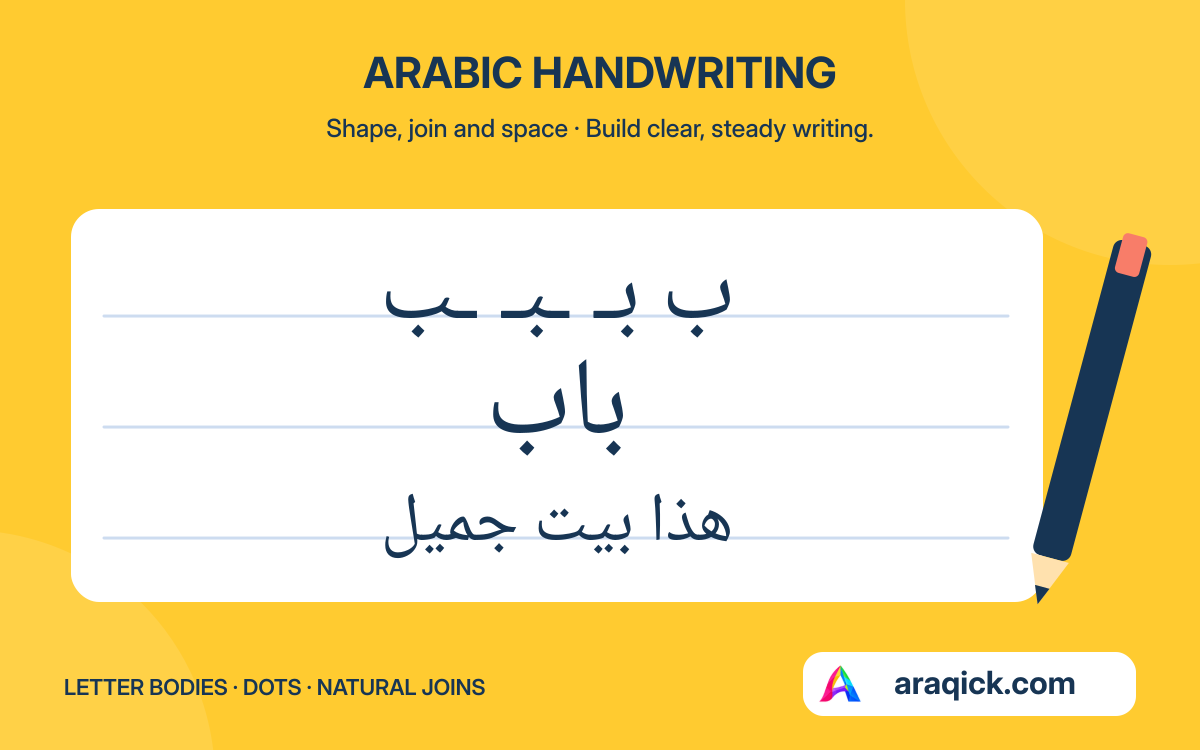
Most letters connect, changing shape with their position. In the word below, ba starts, ya sits in the middle, and ta ends:
بَيْت
bayt · house
The separate letters are ب ي ت, in reading order. They remain the same letters when joined.
Six letters break the connection onward: ا د ذ ر ز و. They can receive a join from the preceding letter on their right, but never join to the following letter on their left.
In بَاب (bab, door), alif leaves a gap before the final ba. That gap is still inside one word.
04Add a short vowel
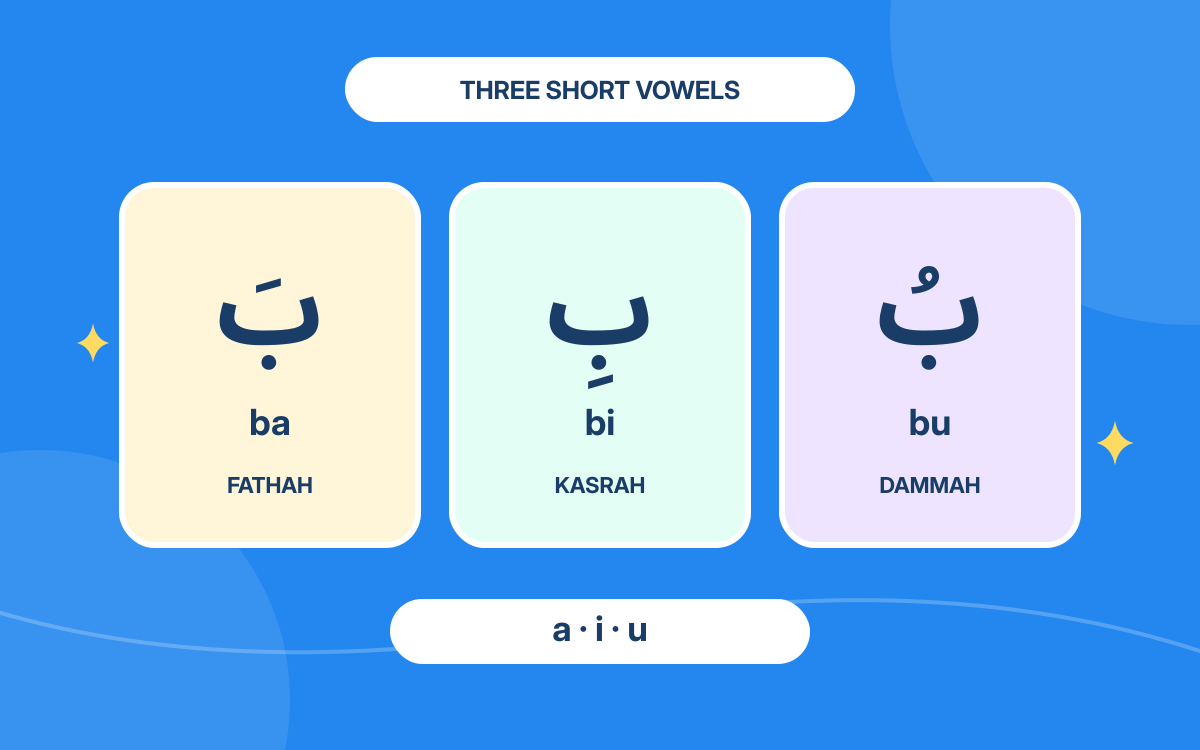
Small marks help you pronounce unfamiliar words. Compare the same letter with three short vowels:
- بَ ba: fatha, a stroke above.
- بِ bi: kasra, a stroke below.
- بُ bu: damma, a curl above.
These marks are not extra alphabet letters. Ordinary Arabic often leaves them out, while beginner texts include them. Learn marked words first, then recognise familiar words without marks.
Plain transliteration is a reading aid; it cannot show every Arabic sound or vowel length. Listen alongside it.
05Read one word, then return tomorrow
- Find ب ي ت in the chart and compare their joined forms.
- Read بَيْت (bayt) aloud from a pronunciation model.
- Cover the model and recognise the same word again.
Also notice لا: lam followed by alif. Its special joined shape represents two letters.
Use the optional chart in small portions. Once the script feels familiar, try everyday words. Learn Arabic A1 focuses on vocabulary and short sentences; use a dedicated alphabet and vowel resource alongside it when you are new to reading Arabic.
What to remember
- Dots can change a letter even when the main shape looks the same.
- Six letters can join from the right but do not connect onward to the left.
- Practise a few letters inside real words, with audio to support pronunciation.
Your reference shelf
Open a guide whenever you need it.
All 28 letters and their joining formsOpen the complete alphabet chart
The chart runs down the page in the usual alphabetical order. The joining strokes show how a letter can connect; they are not extra letters. “Middle” and “end” show the shape after a connecting letter. If the previous letter cannot connect forward, the next letter starts a new joined group.
| Letter | Name / sound | Start | Middle | End |
|---|---|---|---|---|
| ا | alif long a; also a seat for hamza | ا | ـا | ـا |
| ب | ba b | بـ | ـبـ | ـب |
| ت | ta t | تـ | ـتـ | ـت |
| ث | tha th, as in thin | ثـ | ـثـ | ـث |
| ج | jim j, as in jam in standard pronunciation | جـ | ـجـ | ـج |
| ح | ha h, a breathy throat sound | حـ | ـحـ | ـح |
| خ | kha kh, as in Scottish loch | خـ | ـخـ | ـخ |
| د | dal d | د | ـد | ـد |
| ذ | dhal dh, as in this | ذ | ـذ | ـذ |
| ر | ra a tapped or rolled r | ر | ـر | ـر |
| ز | zay z | ز | ـز | ـز |
| س | sin s | سـ | ـسـ | ـس |
| ش | shin sh | شـ | ـشـ | ـش |
| ص | sad an emphatic s | صـ | ـصـ | ـص |
| ض | dad an emphatic d | ضـ | ـضـ | ـض |
| ط | ta an emphatic t | طـ | ـطـ | ـط |
| ظ | za an emphatic dh in standard pronunciation | ظـ | ـظـ | ـظ |
| ع | ayn a voiced throat sound | عـ | ـعـ | ـع |
| غ | ghayn gh, a voiced sound at the back of the mouth | غـ | ـغـ | ـغ |
| ف | fa f | فـ | ـفـ | ـف |
| ق | qaf q, made farther back than k | قـ | ـقـ | ـق |
| ك | kaf k | كـ | ـكـ | ـك |
| ل | lam l | لـ | ـلـ | ـل |
| م | mim m | مـ | ـمـ | ـم |
| ن | nun n | نـ | ـنـ | ـن |
| ه | ha h | هـ | ـهـ | ـه |
| و | waw w or long u | و | ـو | ـو |
| ي | ya y or long i | يـ | ـيـ | ـي |
Six letters behave differently: ا د ذ ر ز و. Their middle and ending shapes are the same because they never join to the next letter on their left. You will see this in the examples below.
The letter names use plain English letters without accent marks or special symbols. This simplified spelling does not capture every sound: letters such as ع need listening practice, and long vowels must be held longer. Follow the sound notes and a reliable recording alongside the chart.
Useful spelling signsExplore hamza, ta marbuta and alif maqsura
These signs appear early, so meeting them now prevents a common surprise. Hamza ء represents a glottal stop, a brief closure in the throat. It may stand alone or appear on a seat, as in أ إ ؤ ئ. Alif and hamza are related in writing, but they are not interchangeable.
Ta marbuta ة occurs at the end of many nouns and adjectives, often marking a feminine form. In a word such as مَدْرَسَة (madrasa, school), its pronunciation depends on whether you pause or connect the word grammatically. For now, recognise its two dots and learn each whole word with audio.
Alif maqsura ى is a final form of alif that looks like ya without dots. It represents a long a, as in عَلَى (ala, on). These are useful spelling details, not reasons to restart the alphabet.
Sources & further learning
References for the language explanations and learning guidance.