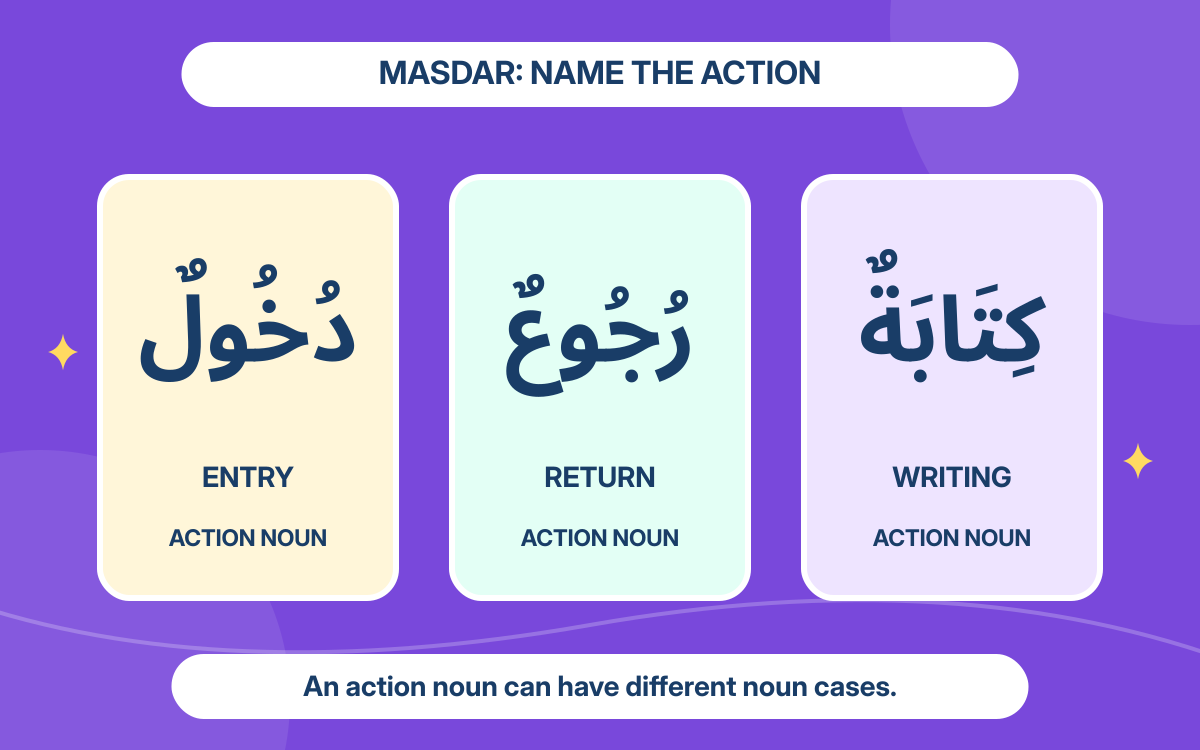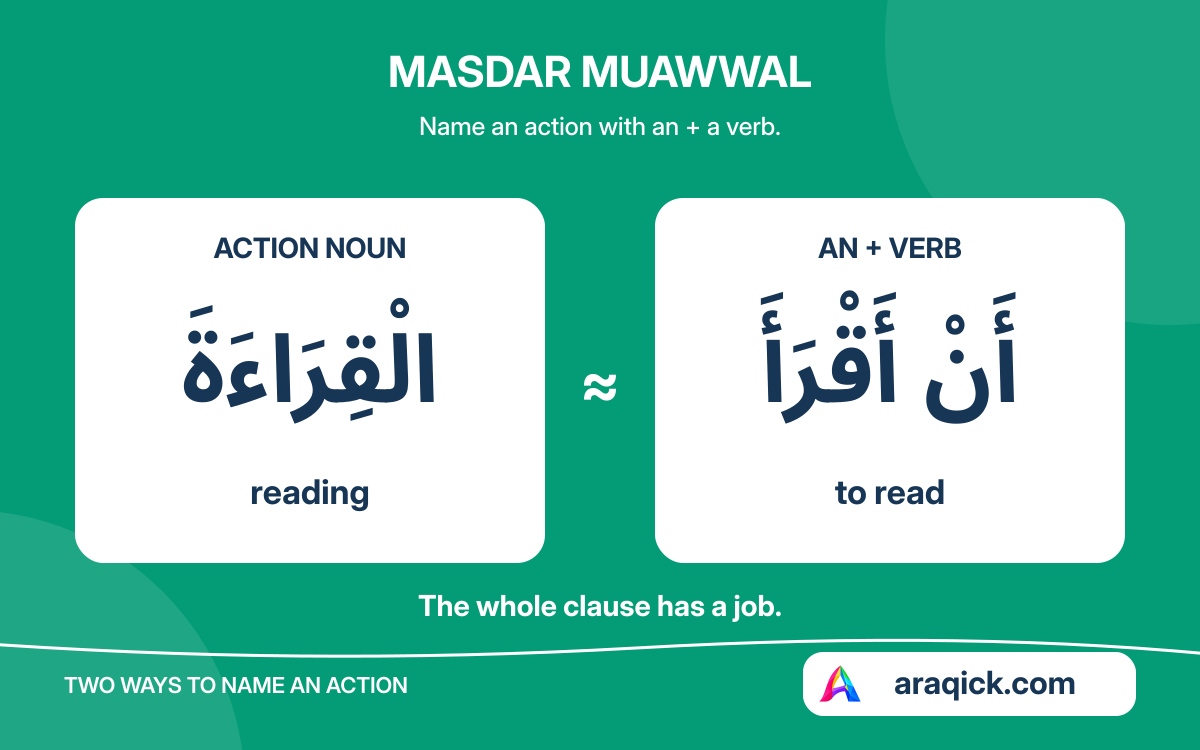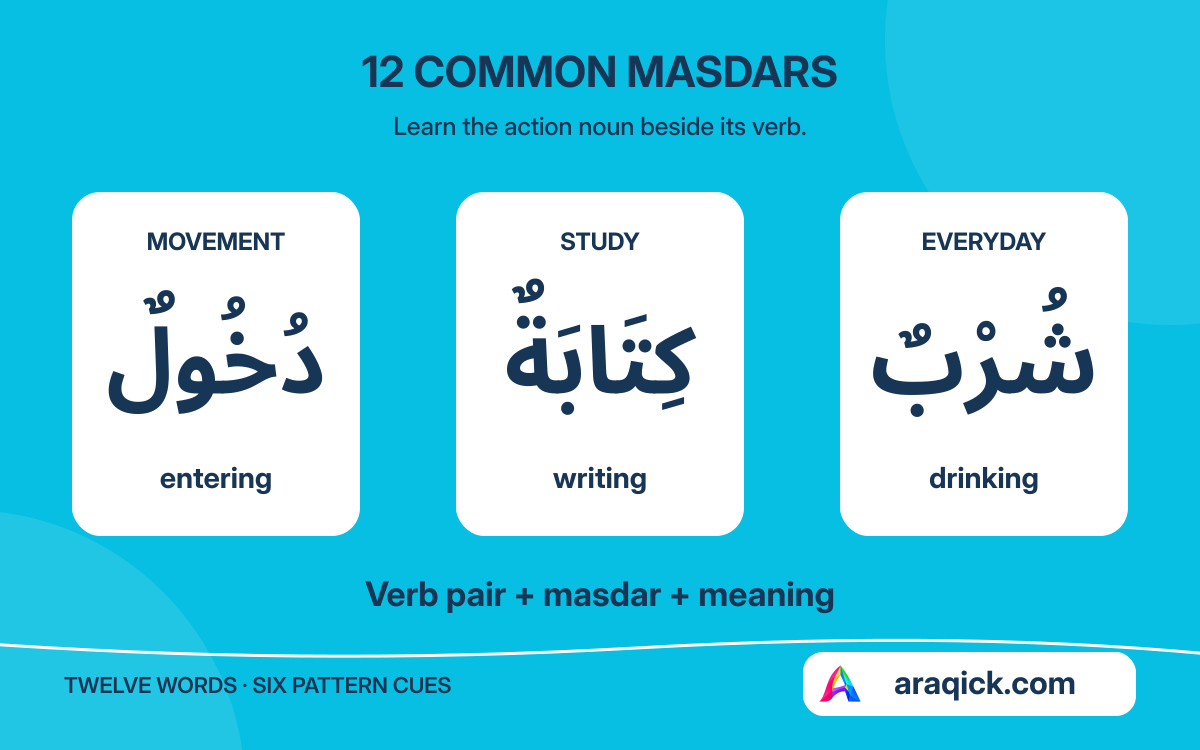
A masdar names an action or activity without assigning it a tense or a doer. To build useful vocabulary, learn it beside the verb’s past and present forms. This reference collects twelve common pairs in small meaning groups: movement, study and everyday actions. The goal is to recall a usable word, not to guess every noun from one pattern.
01Store the noun with its verb pair
كَتَبَ — يَكْتُبُ — كِتَابَةٌ
kataba — yaktubu — kitabah
He wrote — He writes — Writing
The first two words are verbs; kitabah names the activity. Learn all three together so that you remember both the present stem vowel and the action noun. A root alone does not supply every Form I masdar.
The charts show nouns in an indefinite nominative dictionary form. Their endings can change in sentences. The masdar grammar guide explains their noun behaviour in more detail.
02Group movement words by direction
دُخُولٌ (dukhul) means entering; خُرُوجٌ (khuruj) means going out. Pair these opposites with dakhala and kharaja.
رُجُوعٌ (ruju) means returning, while ذَهَابٌ (dhahab) means going. Dhahab does not follow the same long-u shape as the other three nouns, although all four describe movement.
بَعْدَ الرُّجُوعِ إِلَى الْبَيْتِ
bada arrujui ila albayti
After returning home
This phrase places a later event relative to returning. It does not itself say who returned.
03Keep a small study vocabulary set
دِرَاسَةٌ (dirasah) is study, قِرَاءَةٌ (qiraah) is reading, and كِتَابَةٌ (kitabah) is writing. All three can appear on a study plan.
أُحِبُّ الْقِرَاءَةَ فِي الْحَدِيقَةِ
uhibbu alqiraata fi alhadiqati
I like reading in the garden.
Add حِفْظٌ (hifz), memorisation or preservation, as a fourth word. In a study context it can refer to learning material by heart. Context selects the intended English meaning.
04Learn short nouns without adding long vowels
شُرْبٌ (shurb) means drinking; فَتْحٌ (fath) means opening; شُكْرٌ (shukr) means thanking or gratitude. These short forms are worth learning exactly as they stand.
بَعْدَ شُرْبِ الْحَلِيبِ
bada shurbi alhalibi
After drinking milk
Shurbi is genitive after bada, and alhalibi completes its idafah. The base vocabulary item remains shurb. Finally, نَجَاحٌ (najah) means success: an English noun can be a better translation than an artificial ing word.
05Use patterns as memory cues
Group dukhul, khuruj and ruju by their shared فُعُولٌ shape. Group dirasah, kitabah and qiraah by فِعَالَةٌ. The sound and spelling similarities can help organise words you have already checked.
These are common patterns, not a rule that predicts every Form I noun. A verb may also have more than one recorded masdar. Use a reliable dictionary or a checked lesson to confirm the word and its meaning.
For practice, cover the noun column, recall it from the verb pair, then check both vowels and meaning. Mix a movement noun with a study noun and a short everyday noun. See the conjugation study routine for a reusable review method.
What to remember
- Learn the past verb, present verb and masdar as a connected vocabulary set.
- Movement, study and everyday meanings make the twelve nouns easier to organise.
- Masdar patterns are useful cues, while the exact noun and meaning still need checking.
Your reference shelf
Open a guide whenever you need it.
Common masdars: movement and studyThe noun column includes a simple reading aid
| Past — present | Masdar | Meaning |
|---|---|---|
| دَخَلَ — يَدْخُلُ | دُخُولٌ dukhul | entering / entry |
| خَرَجَ — يَخْرُجُ | خُرُوجٌ khuruj | going out / exit |
| رَجَعَ — يَرْجِعُ | رُجُوعٌ ruju | returning / return |
| ذَهَبَ — يَذْهَبُ | ذَهَابٌ dhahab | going |
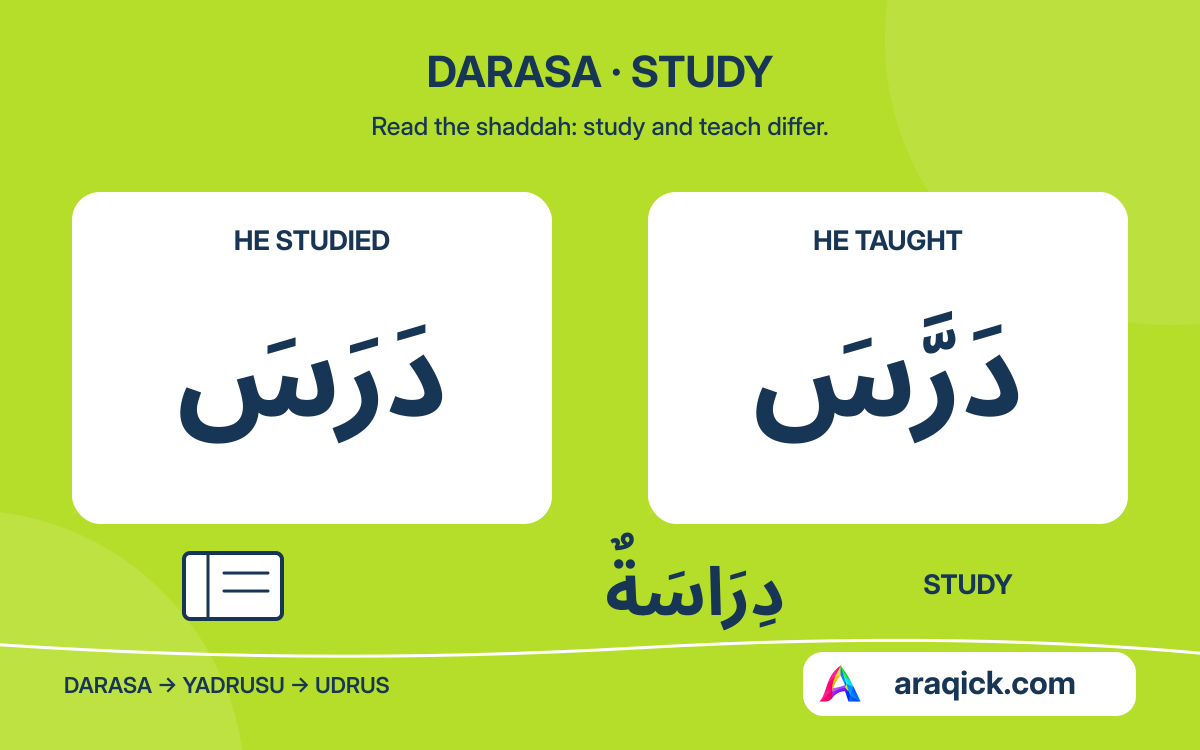
| دَرَسَ — يَدْرُسُ | دِرَاسَةٌ dirasah | study / studying |
| كَتَبَ — يَكْتُبُ | كِتَابَةٌ kitabah | writing |
Common masdars: reading and everyday actionsDictionary endings shown; sentence endings follow noun grammar
| Past — present | Masdar | Meaning |
|---|---|---|
| قَرَأَ — يَقْرَأُ | قِرَاءَةٌ qiraah | reading |
| حَفِظَ — يَحْفَظُ | حِفْظٌ hifz | memorisation / preservation |
| شَرِبَ — يَشْرَبُ | شُرْبٌ shurb | drinking |
| فَتَحَ — يَفْتَحُ | فَتْحٌ fath | opening |
| شَكَرَ — يَشْكُرُ | شُكْرٌ shukr | thanking / gratitude |
| نَجَحَ — يَنْجَحُ | نَجَاحٌ najah | success / succeeding |
These are useful meanings for the contexts in this guide, not an exhaustive dictionary entry for each noun. Plain reading aids simplify vowel length, hamza and ain.
Six patterns represented in the listUse the shapes to group already-checked vocabulary
| Pattern | Example | Meaning |
|---|---|---|
| فَعْلٌ | فَتْحٌ | opening |
| فِعْلٌ | حِفْظٌ | memorisation / preservation |
| فِعَالَةٌ | دِرَاسَةٌ | study |
| فُعُولٌ | خُرُوجٌ | going out |
| فَعَالٌ | نَجَاحٌ | success |
| فُعْلٌ | شُرْبٌ | drinking |
Sources & further learning
References for the language explanations and learning guidance.