

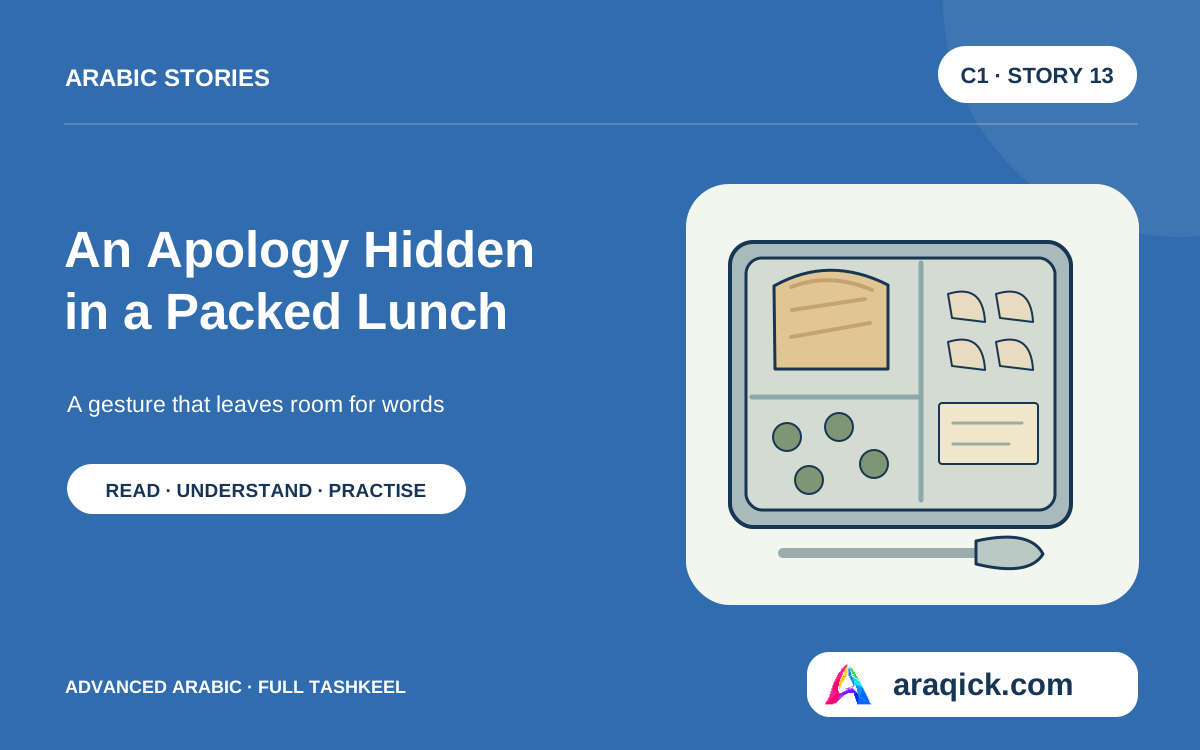
A carefully prepared lunch reaches Reem after her father dismisses her new work. She recognises his care while waiting for words the folded note does not contain.
01Read the Arabic story
اِعْتِذَارٌ تَخْفِيهِ عُلْبَةُ غَدَاءٍ
لَمْ تَنْظُرْ رِيمٌ إِلَى أَبِيهَا وَهِيَ تَأْخُذُ حَقِيبَتَهَا صَبَاحًا. فِي اللَّيْلَةِ السَّابِقَةِ، وَصَفَ عَمَلَهَا الْجَدِيدَ فِي مَكْتَبِ التَّصْمِيمِ بِأَنَّهُ نَزْوَةٌ، فَرَدَّتْ أَنَّهُ لَا يَعْرِفُ عَنْهَا شَيْئًا. بَقِيَتِ الْجُمْلَتَانِ بَيْنَهُمَا حَتَّى بَعْدَ إِطْفَاءِ ضَوْءِ الْمَطْبَخِ. وَحِينَ وَجَدَتْ عُلْبَةَ غَدَاءٍ مَعْدِنِيَّةً فِي حَقِيبَتِهَا، لَمْ تَفْتَحْهَا إِلَّا فِي اسْتِرَاحَةِ الْعَمَلِ.
كَانَ فِيهَا خُبْزٌ وَزَيْتُونٌ وَوِعَاءٌ صَغِيرٌ مِنَ اللَّبَنِ الرَّائِبِ وَتُفَّاحَةٌ مُقَطَّعَةٌ إِلَى أَرْبَاعٍ. وَجَدَتْ وَرَقَةً مَطْوِيَّةً كَتَبَ عَلَيْهَا أَبُوهَا: لَا تَنْسَيْ أَنْ تُعِيدِي الْمِلْعَقَةَ. ابْتَسَمَتْ، ثُمَّ فَتَّشَتْ ظَهْرَ الْوَرَقَةِ، كَأَنَّ الْجُمْلَةَ الَّتِي تَنْتَظِرُهَا قَدْ تَكُونُ هُنَاكَ. لَمْ تَجِدْ شَيْئًا. كَانَ أَبُوهَا قَدْ أَزَالَ قِشْرَ التُّفَّاحِ، مَعَ أَنَّهُ يَرَى أَنَّ تَقْشِيرَهُ إِضَاعَةٌ لِلْوَقْتِ.
قَالَتْ زَمِيلَتُهَا إِنَّ الطَّعَامَ يَبْدُو شَهِيًّا، فَأَجَابَتْ رِيمٌ أَنَّ أَبَاهَا أَعَدَّهُ. كَادَتْ تُضِيفُ أَنَّهُ يَعْتَذِرُ، ثُمَّ تَوَقَّفَتْ. كَانَتْ تَعْرِفُ مِقْدَارَ الْعِنَايَةِ فِي هَذِهِ الْعُلْبَةِ، وَلَكِنَّهَا لَمْ تَكُنْ تَعْرِفُ إِنْ كَانَ يَرَى فِي كَلِمَتِهِ ظُلْمًا. أَكَلَتْ، وَغَسَلَتِ الْمِلْعَقَةَ، وَكَتَبَتْ إِلَيْهِ أَنَّ الْغَدَاءَ أَعْجَبَهَا، دُونَ أَنْ تُضِيفَ أَنَّ كُلَّ شَيْءٍ صَارَ حَسَنًا.
مَسَاءً، سَأَلَهَا إِنْ كَانَ التُّفَّاحُ قَدِ اسْوَدَّ. قَالَتْ إِنَّهُ كَانَ جَيِّدًا، ثُمَّ وَضَعَتِ الْعُلْبَةَ عَلَى الطَّاوِلَةِ وَذَكَرَتْ كَلِمَةَ نَزْوَةٍ. حَاوَلَ أَنْ يَشْرَحَ خَوْفَهُ مِنْ تَغْيِيرِهَا عَمَلَهَا، فَقَالَتْ إِنَّهَا تَسْمَعُ خَوْفَهُ، لَكِنَّهَا تُرِيدُ أَنْ يَسْمَعَ الْفَرْقَ بَيْنَ الْقَلَقِ وَالْحُكْمِ عَلَيْهَا. نَظَرَ إِلَى الْعُلْبَةِ، ثُمَّ قَالَ: كَلِمَةُ نَزْوَةٍ كَانَتْ ظَالِمَةً.
لَمْ يَسْحَبْ قَلَقَهُ، وَلَمْ تُقَدِّمْ لَهُ رِيمٌ وَعْدًا بِالنَّجَاحِ. قَالَتْ إِنَّهَا أَيْضًا لَمْ تُنْصِفْهُ حِينَ نَفَتْ مَعْرِفَتَهُ بِهَا كُلَّهَا. ظَلَّتْ عَلَى الطَّاوِلَةِ الْوَرَقَةُ الصَّغِيرَةُ الَّتِي لَمْ تَحْمِلْ اعْتِذَارًا مَكْتُوبًا. طَوَاهَا أَبُوهَا وَسَأَلَ إِنْ كَانَتْ تَحْتَاجُ الْعُلْبَةَ غَدًا. قَالَتْ نَعَمْ، ثُمَّ سَأَلَتْهُ إِنْ كَانَ يُرِيدُ أَنْ يَرَى أَوَّلَ رَسْمٍ أَعَدَّتْهُ فِي الْمَكْتَبِ.
Show English translationHide English translation
Reem did not look at her father as she picked up her bag that morning. The previous evening, he had described her new job at a design office as a whim, and she had replied that he knew nothing about her. The two sentences remained between them even after the kitchen light was turned off. When she found a metal lunchbox in her bag, she did not open it until her break at work.
Inside were bread, olives, a small pot of yogurt and an apple cut into quarters. She found a folded note on which her father had written: “Don’t forget to bring back the spoon.” She smiled, then checked the back of the paper, as though the sentence she was waiting for might be there. She found nothing. Her father had peeled the apple, although he thought peeling it was a waste of time.
Her colleague said the food looked delicious, and Reem replied that her father had prepared it. She almost added that he was apologising, then stopped. She recognised the care in the box, but did not know whether he thought his word had been unfair. She ate, washed the spoon and wrote to him that she had enjoyed lunch, without adding that everything was now all right.
That evening, he asked whether the apple had turned brown. She said it had been fine, then placed the box on the table and mentioned the word “whim.” He tried to explain his fear about her changing jobs. She said she heard his fear, but wanted him to hear the difference between concern and passing judgement on her. He looked at the box, then said, “Calling it a whim was unfair.”
He did not withdraw his concerns, and Reem did not promise him success. She said she too had been unfair when she denied that he knew anything about her at all. The small paper, which had carried no written apology, remained on the table. Her father folded it and asked whether she needed the box tomorrow. She said yes, then asked whether he wanted to see the first drawing she had prepared at the office.
02Useful words from the story
| Arabic in the story | Meaning here |
|---|---|
| نَزْوَةٌ | a whim |
| مَعْدِنِيَّةً | made of metal |
| أَرْبَاعٍ | quarters |
| مَطْوِيَّةً | folded |
| فَتَّشَتْ | she searched; checked |
| قِشْرَ | the peel of |
| الْعِنَايَةِ | the care |
| اسْوَدَّ | it darkened; turned brown |
| وَالْحُكْمِ عَلَيْهَا | and passing judgement on her |
| تُنْصِفْهُ | she treats him fairly |
03Check your understanding
Read for perspective, implication and what the characters leave unsaid. Choose one answer for each question; open the English support when needed.
What to remember
- The peeled apple makes care visible without telling Reem whether her father considers his words unfair.
- Their spoken acknowledgements qualify hurtful claims while leaving concerns about the job unresolved.
Explore the Arabic in this story
Related grammar and vocabularyOpen Araqick guides connected to this story.
Arabic Relative Pronouns: Joining Ideas with Alladhi and Allati
الْوَرَقَةُ الصَّغِيرَةُ الَّتِي لَمْ تَحْمِلْ اعْتِذَارًا مَكْتُوبًا
Follow allati as it introduces the description of the small paper.
Lam in Arabic: How to Say “Did Not”
وَلَمْ تُقَدِّمْ لَهُ رِيمٌ وَعْدًا بِالنَّجَاحِ
Notice lam denying a promise rather than denying the value of the new job.





