

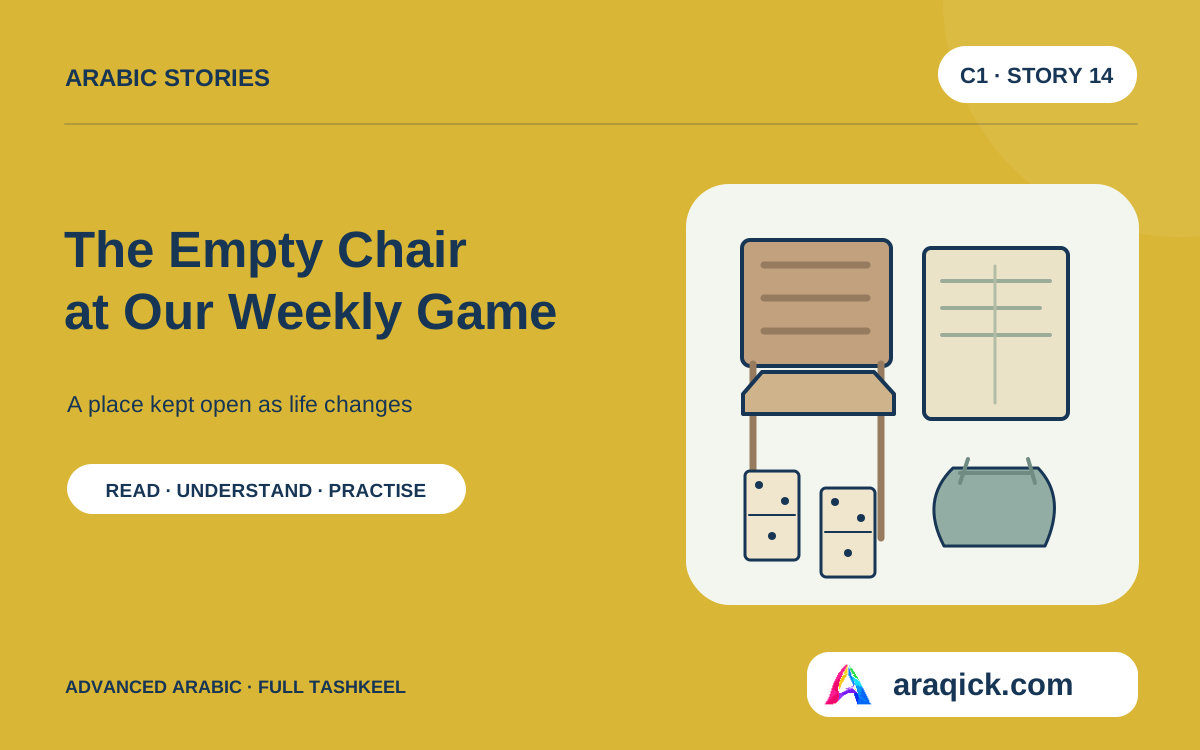
A domino group keeps an absent friend’s chair empty. When a new player arrives, a familiar gesture of loyalty becomes difficult to explain.
01Read the Arabic story
الْكُرْسِيُّ الْخَالِي فِي لُعْبَتِنَا الْأُسْبُوعِيَّةِ
مُنْذُ انْتَقَلَ عَادِلٌ إِلَى الْعَمَلِ مَسَاءً، تَرَكَتْ رِفْقَتُهُ كُرْسِيَّهُ خَالِيًا فِي لِقَاءِ الدُّومِينُو الْأُسْبُوعِيِّ. كَانَ رَفِيقٌ يَضَعُ أَمَامَهُ كِيسَ الْقِطَعِ الْإِضَافِيَّةِ، كَأَنَّ صَاحِبَهُ سَيَتَأَخَّرُ قَلِيلًا فَقَطْ. لَمْ يَطْلُبْ عَادِلٌ ذَلِكَ، لَكِنَّ أَحَدًا لَمْ يَقْتَرِحْ تَغْيِيرَهُ. وَحِينَ ضَاقَ الْمَكَانُ بِضَيْفٍ، جَلَسَ الضَّيْفُ عَلَى مَقْعَدٍ صَغِيرٍ قُرْبَ الْبَابِ، وَظَلَّ الْكُرْسِيُّ الْخَشَبِيُّ فَارِغًا.
فِي الْأُسْبُوعِ التَّالِي، جَاءَتْ سَلْوَى، جَارَتُهُمْ، لِتَتَعَلَّمَ اللُّعْبَةَ. سَحَبَتِ الْكُرْسِيَّ فَقَالَ رَفِيقٌ: هَذَا لِعَادِلٍ. وَقَفَتْ، وَسَأَلَتْ مَتَى يَصِلُ. نَظَرَ رَفِيقٌ إِلَى السَّاعَةِ قَبْلَ أَنْ يُجِيبَ، مَعَ أَنَّهُ كَانَ يَعْرِفُ أَنَّ عَادِلًا يَعْمَلُ تِلْكَ اللَّيْلَةَ. قَالَتْ نَجْلَاءُ إِنَّ انْتِظَارَ صَدِيقٍ لَا يَسْتَلْزِمُ إِبْقَاءَ زَائِرَةٍ وَاقِفَةً.
احْتَجَّ رَفِيقٌ بِأَنَّ الْكُرْسِيَّ يَحْفَظُ لِعَادِلٍ مَكَانَهُ بَيْنَهُمْ. فَتَحَ دَفْتَرَ النَّتَائِجِ وَأَشَارَ إِلَى اسْمِهِ فِي صَفْحَةٍ قَدِيمَةٍ. سَأَلَتْهُ نَجْلَاءُ عَنْ آخِرِ مَرَّةٍ اتَّصَلَ بِهِ خَارِجَ مَوْعِدِ اللِّقَاءِ. لَمْ يُجِبْ فَوْرًا؛ فَقَدْ أَرْسَلَ صُوَرَ الطَّاوِلَةِ كُلَّ أُسْبُوعٍ، وَلَمْ يَسْأَلْ عَنْ مَوْعِدٍ يُنَاسِبُهُ. وَكَانَ يَعُدُّ هَذِهِ الصُّوَرَ دَعْوَةً كَافِيَةً لِلْعَوْدَةِ. أَغْلَقَ الدَّفْتَرَ، وَلَكِنَّهُ لَمْ يُبْعِدِ الْكِيسَ بَعْدُ.
اتَّصَلَتْ نَجْلَاءُ بِعَادِلٍ أَثْنَاءَ اسْتِرَاحَتِهِ. ضَحِكَ حِينَ سَمِعَ بِالْكُرْسِيِّ، ثُمَّ قَالَ إِنَّهُ يَفْتَقِدُ جِدَالَهُمْ أَكْثَرَ مِمَّا يَفْتَقِدُ الْفَوْزَ. لَمْ يُعْطِهِمْ مَوْعِدًا لِلْعَوْدَةِ، وَاقْتَرَحَ لِقَاءً قَصِيرًا صَبَاحَ الْجُمُعَةِ. وَافَقَ رَفِيقٌ، أَمَّا نَجْلَاءُ فَاعْتَذَرَتْ لِارْتِبَاطٍ سَابِقٍ. لَمْ يَكُنْ مِنَ الْمُمْكِنِ نَقْلُ اللِّقَاءِ كُلِّهِ بِسُهُولَةٍ كَمَا خُيِّلَ إِلَيْهِمْ فِي الْبِدَايَةِ.
جَلَسَتْ سَلْوَى عَلَى الْكُرْسِيِّ، وَفَتَحَتْ كِيسَ الْقِطَعِ بِإِذْنِ رَفِيقٍ. أَخْطَأَتْ فِي حِسَابِ النِّقَاطِ، فَبَدَأَ الْجَمِيعُ يَشْرَحُ فِي وَقْتٍ وَاحِدٍ. كَتَبَ رَفِيقٌ اسْمَهَا فِي صَفْحَةٍ جَدِيدَةٍ، ثُمَّ أَخْرَجَ هَاتِفَهُ لِيَلْتَقِطَ صُورَةً. تَوَقَّفَ وَطَلَبَ مِنْهُمْ تَسْجِيلَ شَرْحِهِمْ الْمُتَضَارِبِ لِعَادِلٍ. وَصَلَ الرَّدُّ بَعْدَ مُنْتَصَفِ اللَّيْلِ: اعْتِرَاضٌ طَوِيلٌ عَلَى طَرِيقَةِ حِسَابِهِمْ.
Show English translationHide English translation
Since Adel moved to evening work, his friends had left his chair empty at their weekly domino game. Rafiq would place the pouch of extra tiles in front of it, as though its owner would only be a little late. Adel had not asked for this, but nobody had suggested changing it. When a guest made the room crowded, the guest sat on a small seat near the door, while the wooden chair remained empty.
The following week, their neighbour Salwa came to learn the game. She pulled out the chair, and Rafiq said, “That is Adel’s.” She stood up and asked when he would arrive. Rafiq looked at the clock before answering, although he knew Adel was working that night. Najla said that waiting for a friend did not require keeping a visitor standing.
Rafiq argued that the chair preserved Adel’s place among them. He opened the score notebook and pointed to his name on an old page. Najla asked when he had last called Adel outside their meeting time. He did not answer immediately: he had sent photographs of the table every week without asking what time would suit Adel. He had considered these photographs a sufficient invitation to return. He closed the notebook but had not yet moved the pouch.
Najla called Adel during his break. He laughed when he heard about the chair, then said he missed their arguments more than winning. He gave them no date for returning and suggested a short meeting on Friday morning. Rafiq agreed, while Najla apologised because of an earlier commitment. Moving the entire gathering was not as easy as they had initially imagined.
Salwa sat in the chair and opened the tile pouch with Rafiq’s permission. She miscalculated the score, and everyone began explaining at once. Rafiq wrote her name on a new page, then took out his phone to photograph them. He paused and asked them to record their contradictory explanations for Adel. The reply arrived after midnight: a lengthy objection to their method of scoring.
02Useful words from the story
| Arabic in the story | Meaning here |
|---|---|
| خَالِيًا | empty |
| كِيسَ الْقِطَعِ | the pouch of tiles |
| يَسْتَلْزِمُ | requires |
| احْتَجَّ | argued |
| دَفْتَرَ النَّتَائِجِ | the score notebook |
| يُنَاسِبُهُ | suits him |
| دَعْوَةً كَافِيَةً | a sufficient invitation |
| لِارْتِبَاطٍ سَابِقٍ | because of an earlier commitment |
| الْمُتَضَارِبِ | contradictory |
| اعْتِرَاضٌ | an objection |
03Check your understanding
Choose one answer per question. Follow the details, shifts in perspective and limits of what the characters know. Open the English support when needed.
What to remember
- The empty chair welcomes Adel symbolically while preventing another person from joining the table.
- Adel’s late response offers participation without restoring everyone’s former schedule.
Explore the Arabic in this story
Related grammar and vocabularyOpen Araqick guides connected to this story.
Lam in Arabic: How to Say “Did Not”
لَمْ يَطْلُبْ عَادِلٌ ذَلِكَ
Follow lam with a jussive imperfect to identify an action Adel did not request.
Arabic Prepositions with Pronouns: To Me, On Me and With Us
اتَّصَلَ بِهِ خَارِجَ مَوْعِدِ اللِّقَاءِ
Read the attached pronoun in bihi as referring back to Adel, the person being called.





