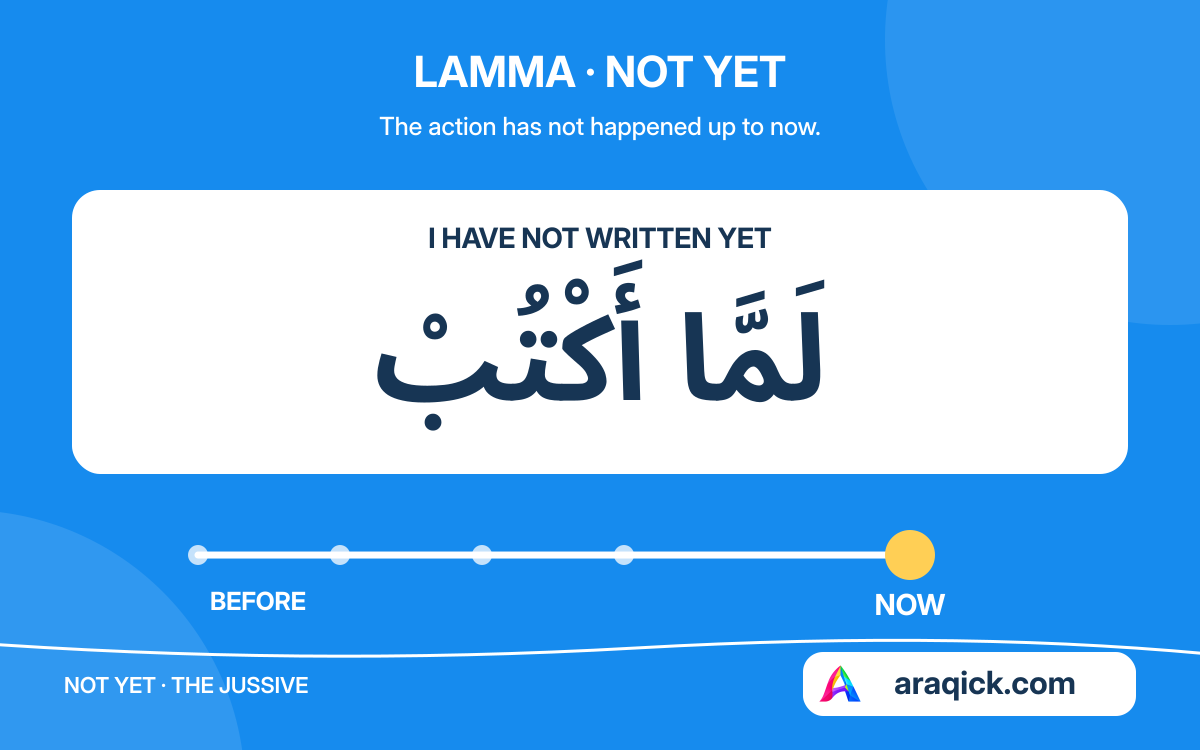
To say that an action did not happen, Arabic can place lam before an imperfect verb. The meaning looks back to the past even though the verb uses its imperfect stem. Start with a regular verb, then learn what happens to the endings for women, pairs and groups.
01Deny a past action
لَمْ أَفْتَحْ صُنْدُوقًا
lam aftah sunduqan
I did not open a box.
Lam, لَمْ, makes this statement negative and gives it past reference. Aftah identifies the speaker as I. Sunduqan is the thing not opened; it remains an accusative direct object.
Use the imperfect stem after lam. Do not place lam directly before the past form fatahtu. The construction supplies the past meaning without using that past stem.
02Change the final u to sukun
أَفْتَحُ → لَمْ أَفْتَحْ
aftahu → lam aftah
I open → I did not open
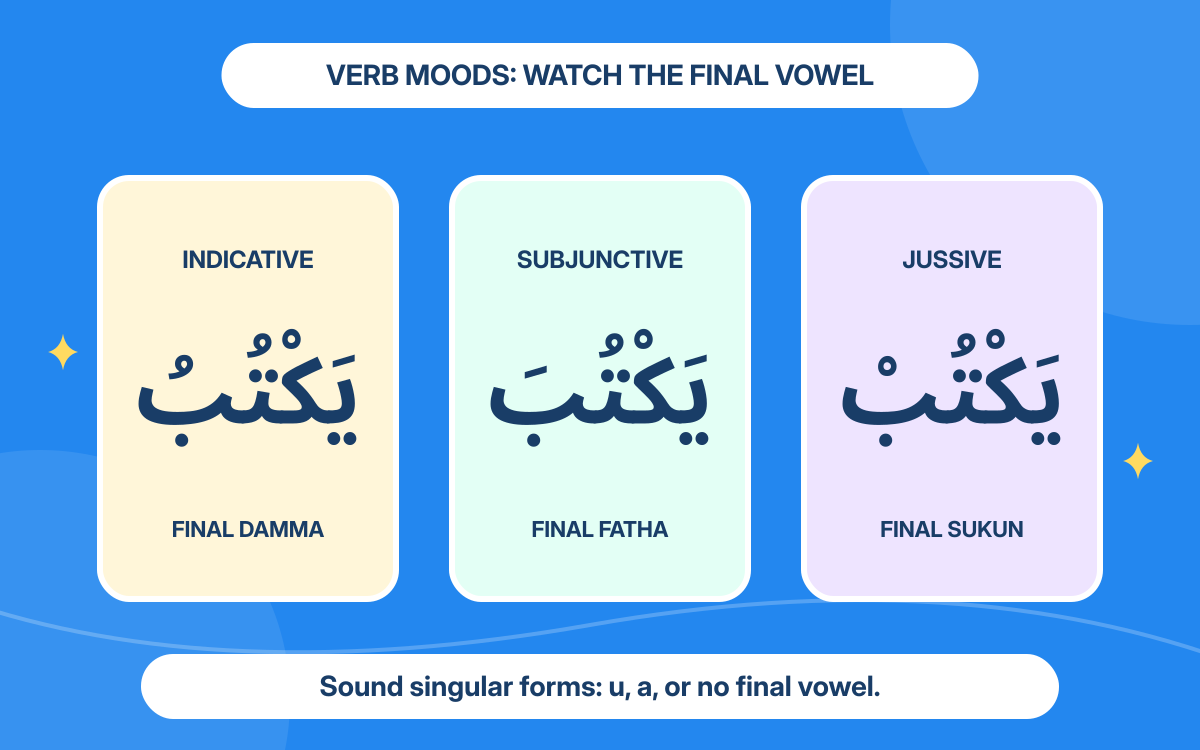
The ordinary indicative aftahu has dammah on its final root letter. After lam, that letter takes sukun. This is the jussive, مَجْزُومٌ. The initial a still identifies I; the final change does not change the speaker.
This u-to-sukun pattern describes regular sound-final forms like this one. A hollow or weak-final verb needs an additional stem or spelling check.
03Keep the person, change the mood
لَمْ نَفْتَحْ صُنْدُوقًا
lam naftah sunduqan
We did not open a box.
لَمْ يَفْتَحْ صُنْدُوقًا
lam yaftah sunduqan
He did not open a box.
The n prefix identifies we; y identifies he in this example. Both verbs end with sukun after lam. First choose who performed the action, then apply the required ending. A separate nahnu or huwa is unnecessary when the context is clear.
04Remove the mood nun in group forms
أَنْتِ لَمْ تَفْتَحِي صُنْدُوقًا
anti lam taftahi sunduqan
You did not open a box. — to one woman
Taftahina becomes taftahi: remove the indicative nun and keep the female listener’s ya. For a male or mixed group, yaftahuna becomes لَمْ يَفْتَحُوا (lam yaftahu, they did not open). The final alif after the group waw is silent.
A female group uses لَمْ يَفْتَحْنَ. Its subject nun stays. These different endings are explained in the five verbs guide.
05Compare two ways to negate the past
مَا فَتَحْتُ صُنْدُوقًا
ma fatahtu sunduqan
I did not open a box.
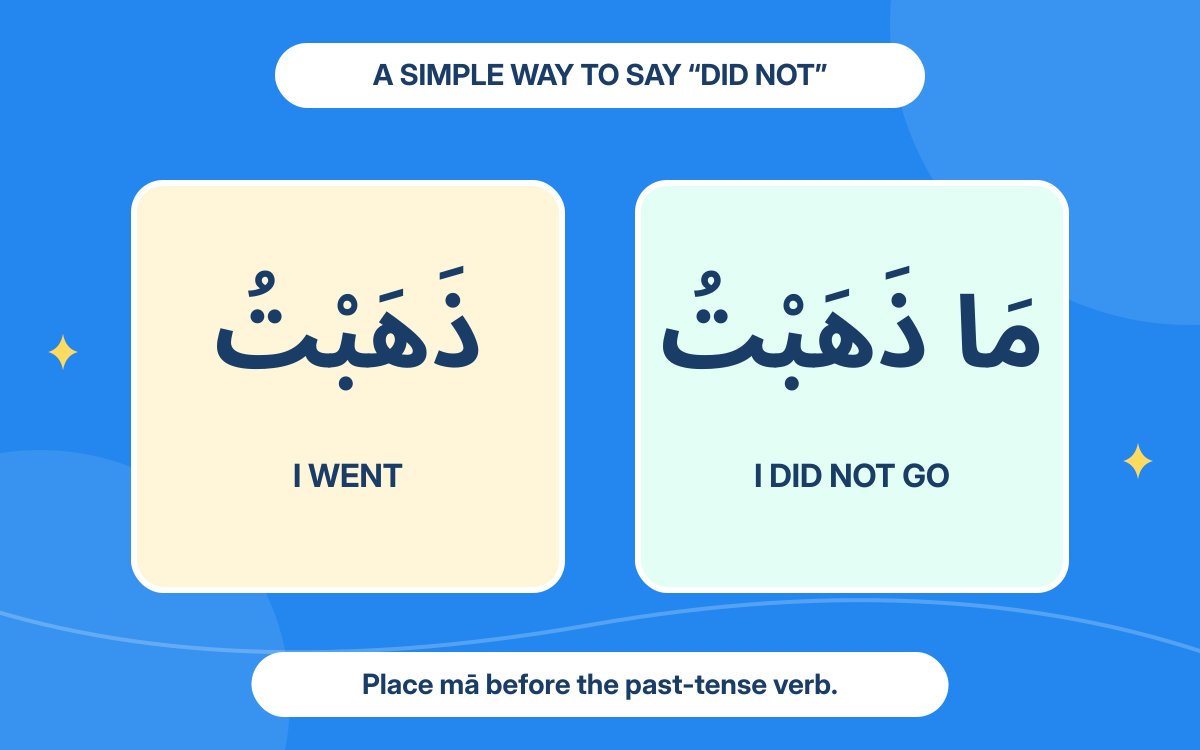
Ma plus a past verb and lam plus a jussive imperfect can convey the same basic denial here. Keep each complete construction: ma fatahtu, but lam aftah. Do not mix one particle with the other pattern’s verb form.
The plain reading aids simplify sounds and vowel length. Check the vowelled Arabic for short vowels, long group endings and sukun. Compare lan for will not when the action is still ahead.
What to remember
- Lam plus a jussive imperfect expresses did not in these statements.
- Regular sound-final forms take sukun; the five verbs lose their mood nun.
- The female plural subject nun stays, and weak verbs need their own form checks.
Your reference shelf
Open a guide whenever you need it.
Regular forms after lamCompare people and the ending that changes
| Person | Indicative | With lam |
|---|---|---|
| I | أَفْتَحُ | لَمْ أَفْتَحْ |
| We | نَفْتَحُ | لَمْ نَفْتَحْ |
| He | يَفْتَحُ | لَمْ يَفْتَحْ |
| You: one woman | تَفْتَحِينَ | لَمْ تَفْتَحِي |
| You: two people | تَفْتَحَانِ | لَمْ تَفْتَحَا |
| They: male or mixed group | يَفْتَحُونَ | لَمْ يَفْتَحُوا |
| They: female group | يَفْتَحْنَ | لَمْ يَفْتَحْنَ |
The female group form is fixed with sukun before its subject nun and occupies a jussive position after lam. The dual alif is pronounced; the distinguishing alif after a final group waw is silent.
Sources & further learning
References for the language explanations and learning guidance.