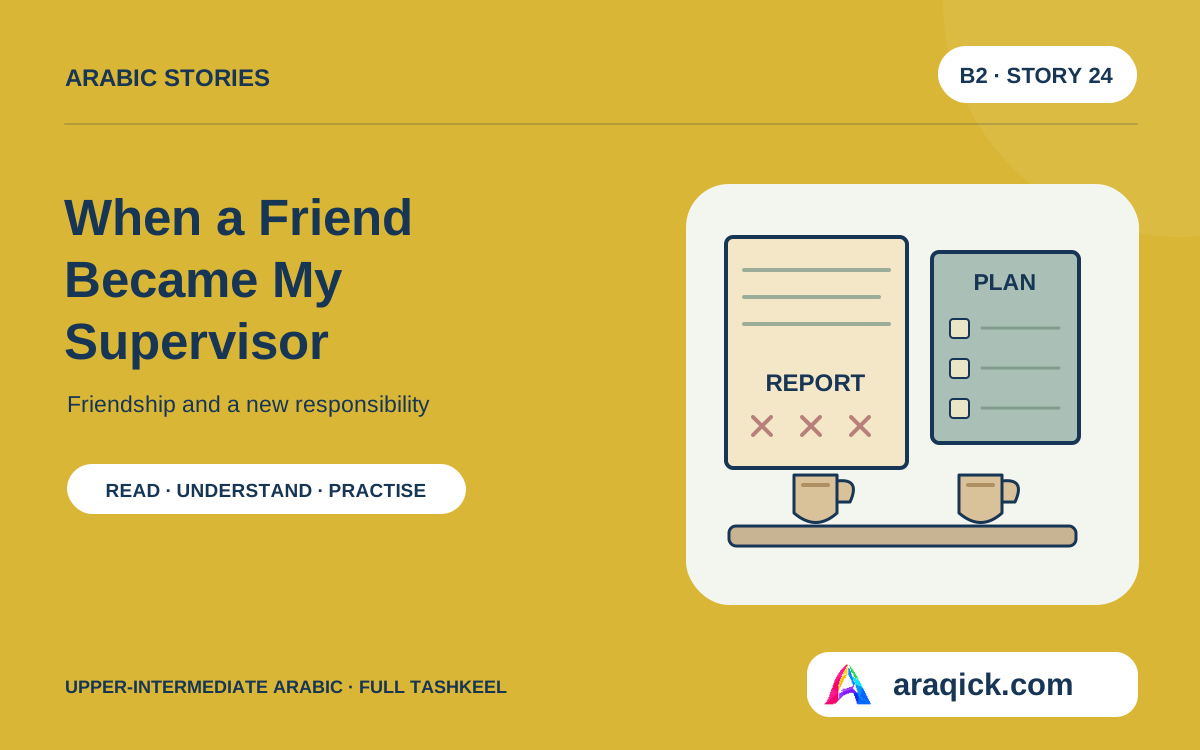
A promotion changes how two friends understand feedback at work. A returned report tests the boundary between personal support and professional fairness.
01Read the Arabic story
حِينَ أَصْبَحَتْ صَدِيقَتِي مُشْرِفَتِي
عَمِلْتُ مَعَ هَنَاءَ فِي مَكْتَبِ تَصْمِيمٍ خَمْسَ سَنَوَاتٍ، وَكُنَّا نَتَبَادَلُ الْمُلَاحَظَاتِ قَبْلَ تَسْلِيمِ أَعْمَالِنَا. عِنْدَمَا أَصْبَحَتْ مُشْرِفَتِي، احْتَفَلْنَا بِتَرْقِيَتِهَا، وَقُلْتُ إِنَّ شَيْئًا لَنْ يَتَغَيَّرَ بَيْنَنَا. لَكِنَّنِي شَعَرْتُ بِالْحَرَجِ بَعْدَ أُسْبُوعٍ، حِينَ أَعَادَتْ إِلَيَّ تَقْرِيرًا عَلَيْهِ ثَلَاثُ مُلَاحَظَاتٍ، وَسَجَّلَتْ حَاجَتَهُ إِلَى التَّصْحِيحِ فِي قَائِمَةِ الْمُتَابَعَةِ الَّتِي يَرَاهَا الْفَرِيقُ.
لَمْ أُنْكِرْ وُجُودَ الْأَخْطَاءِ، بَلْ سَأَلْتُهَا لِمَاذَا لَمْ تُنَبِّهْنِي سِرًّا كَعَادَتِهَا. قَالَتْ إِنَّ الْقَائِمَةَ تَضُمُّ أَعْمَالَ الْجَمِيعِ، وَإِنَّ إِخْفَاءَ الْمُلَاحَظَاتِ عَلَى تَقْرِيرِي سَيَجْعَلُهَا غَيْرَ دَقِيقَةٍ. وَأَشَارَتْ إِلَى أَنَّ الْمُدِيرَ يَعْتَمِدُ عَلَيْهَا فِي تَوْزِيعِ الْمَهَامِّ. وَحِينَ ذَكَرْتُ السَّاعَاتِ الَّتِي قَضَيْنَاهَا فِي مُسَاعَدَةِ بَعْضِنَا، سَأَلَتْنِي: «هَلْ تُرِيدِينَ وَقْتًا لِلتَّصْحِيحِ أَمْ مُعَامَلَةً مُخْتَلِفَةً؟» ضَايَقَنِي السُّؤَالُ، لِأَنَّنِي لَمْ أَكُنْ قَدْ فَصَلْتُ بَيْنَ الْأَمْرَيْنِ.
فِي الْيَوْمِ التَّالِي، رَأَيْتُ أَنَّ هَنَاءَ أَعَادَتْ تَقْرِيرَيْنِ آخَرَيْنِ لِلتَّصْحِيحِ. تَرَاجَعَ شُعُورِي بِأَنَّهَا تَسْتَهْدِفُنِي، وَلَكِنَّ طَرِيقَتَهَا بَقِيَتْ تُزْعِجُنِي. طَلَبْتُ حَدِيثًا قَصِيرًا، وَشَرَحْتُ أَنَّنِي أَحْتَاجُ إِلَى أَنْ أَفْهَمَ مَعَايِيرَ التَّقْيِيمِ قَبْلَ أَنْ أَرَى نَتِيجَتَهَا. وَاعْتَرَفَتْ هِيَ بِأَنَّهَا افْتَرَضَتْ أَنَّ صَدَاقَتَنَا تَجْعَلُ شَرْحَ هَذِهِ التَّفَاصِيلِ غَيْرَ ضَرُورِيٍّ.
اقْتَرَحَتْ جَلْسَةً لِلْفَرِيقِ تَشْرَحُ فِيهَا الْمَعَايِيرَ، وَأَبْقَتْ مَوْعِدَ تَسْلِيمِ تَقْرِيرِي كَمَا هُوَ. وَقَالَتْ إِنَّهَا تَسْتَطِيعُ مُرَاجَعَةَ فِقْرَةٍ صَعْبَةٍ مَعِي، كَمَا تَفْعَلُ مَعَ أَيِّ زَمِيلٍ. قَبِلْتُ، مَعَ أَنَّنِي كُنْتُ أَتَمَنَّى يَوْمًا إِضَافِيًّا. أَدْرَكْتُ أَنَّ طَلَبَ الْوُضُوحِ حَقٌّ مِهْنِيٌّ، أَمَّا تَوَقُّعُ اسْتِثْنَاءٍ بِسَبَبِ قُرْبِنَا فَيَضَعُهَا فِي مَوْقِفٍ صَعْبٍ.
أَنْهَيْتُ التَّعْدِيلَاتِ فِي الْمَوْعِدِ، ثُمَّ وَضَعْتُ كُوبَيْ شَايٍ عَلَى الطَّاوِلَةِ الَّتِي كُنَّا نَجْلِسُ حَوْلَهَا. جَاءَتْ هَنَاءُ وَسَأَلَتْ عَنْ أُخْتِي، لَا عَنِ التَّقْرِيرِ. لَمْ يَعُدِ الْحَدِيثُ سَهْلًا كَمَا كَانَ، وَاخْتَرْتُ كَلِمَاتِي بِحَذَرٍ. لَكِنَّنَا بَقِينَا بَعْدَ انْتِهَاءِ الشَّايِ، نَتَحَدَّثُ عَنْ رِحْلَةٍ قَدِيمَةٍ، دُونَ أَنْ نَعِدَ بِأَنَّ كُلَّ شَيْءٍ سَيَعُودُ كَالسَّابِقِ.
Show English translationHide English translation
I worked with Hanaa in a design office for five years, and we used to exchange feedback before submitting our work. When she became my supervisor, we celebrated her promotion, and I said that nothing would change between us. Yet a week later I felt embarrassed when she returned a report with three comments and recorded its need for correction in the tracking list that the team could see.
I did not deny that there were errors; I asked why she had not alerted me privately as usual. She said that the list included everyone’s work, and that hiding the comments on my report would make it inaccurate. She pointed out that the manager relied on it when assigning tasks. When I mentioned the hours we had spent helping one another, she asked, “Do you want time for corrections, or different treatment?” The question bothered me because I had not separated the two.
The next day, I saw that Hanaa had returned two other reports for correction. My feeling that she was targeting me weakened, but her approach still bothered me. I asked for a short conversation and explained that I needed to understand the assessment criteria before seeing their result. She admitted that she had assumed our friendship made an explanation of these details unnecessary.
She proposed a team session to explain the criteria and kept my report’s deadline unchanged. She said she could review a difficult paragraph with me, as she would with any colleague. I accepted, although I had hoped for an extra day. I realised that asking for clarity was a professional right, while expecting an exception because of our closeness put her in a difficult position.
I finished the changes on time, then placed two cups of tea on the table where we used to sit. Hanaa came over and asked about my sister, not the report. Conversation was no longer as easy as before, and I chose my words cautiously. But we stayed after finishing our tea, talking about an old trip, without promising that everything would return to how it had been.
02Useful words from the story
| Arabic in the story | Meaning here |
|---|---|
| بِتَرْقِيَتِهَا | her promotion, as the reason for celebrating |
| بِالْحَرَجِ | embarrassed |
| قَائِمَةِ الْمُتَابَعَةِ | the tracking list |
| دَقِيقَةٍ | accurate |
| مُعَامَلَةً مُخْتَلِفَةً | different treatment |
| تَسْتَهْدِفُنِي | she is targeting me |
| مَعَايِيرَ التَّقْيِيمِ | the assessment criteria |
| الْوُضُوحِ | clarity |
| اسْتِثْنَاءٍ | an exception |
| بِحَذَرٍ | cautiously |
03Check your understanding
Choose one answer for each question. Use the story to distinguish evidence from assumptions. Open the English support if you need help with a question.
What to remember
- Fair treatment and clear explanations are separate responsibilities; providing one does not remove the need for the other.
- A friendship can retain value while its workplace boundaries change.
Explore the Arabic in this story
Related grammar and vocabularyOpen Araqick guides connected to this story.
Anna in Arabic: I Know That and I Think That
رَأَيْتُ أَنَّ هَنَاءَ أَعَادَتْ
Track the narrator’s interpretation after she sees how other reports are handled.
Lakinna and Lakin in Arabic: Two Patterns for But
وَلَكِنَّ طَرِيقَتَهَا بَقِيَتْ تُزْعِجُنِي
Notice how the contrast preserves her discomfort despite new evidence.