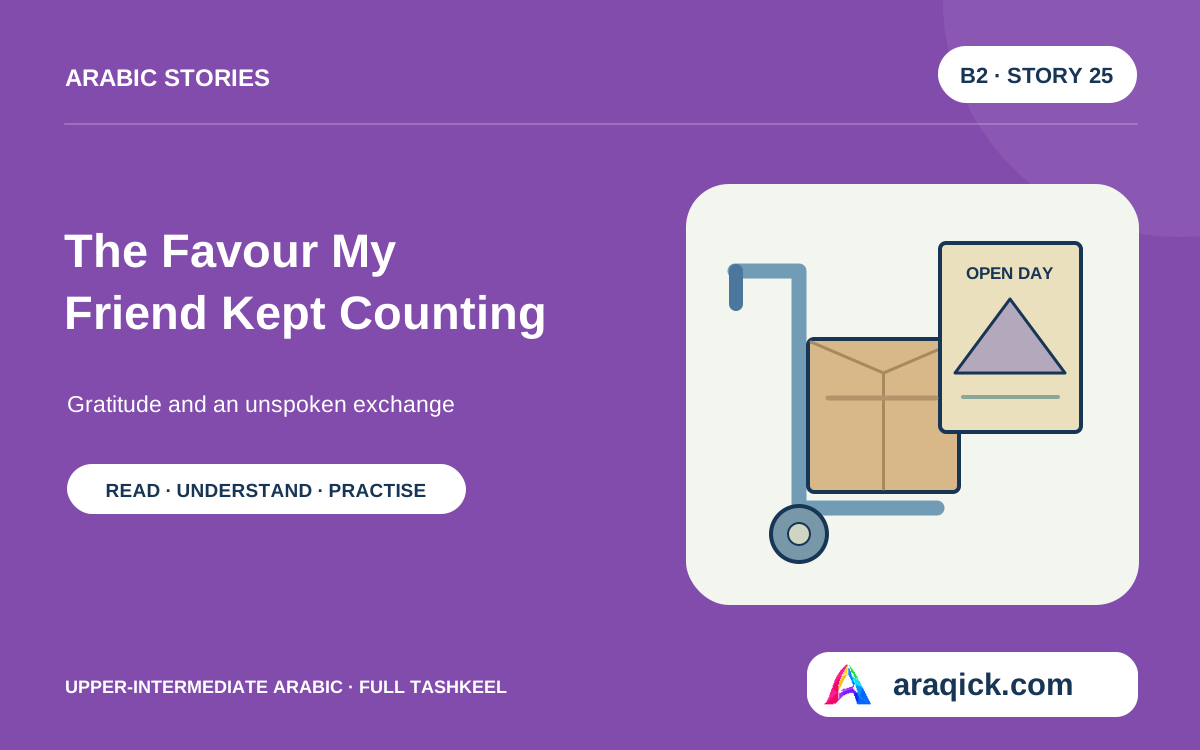
A friend’s help during a move becomes a repeated argument for unpaid design work. The narrator discovers a neglected friendship behind the pressure.
01Read the Arabic story
الْمَعْرُوفُ الَّذِي ظَلَّ صَدِيقِي يَحْسِبُهُ
حِينَ انْتَقَلْتُ إِلَى شَقَّتِي الْجَدِيدَةِ، أَحْضَرَ صَدِيقِي سَامِرٌ عَرَبَةً زَرْقَاءَ لِنَقْلِ الصَّنَادِيقِ، وَبَقِيَ مَعِي حَتَّى الْمَسَاءِ. شَكَرْتُهُ وَدَعَوْتُهُ إِلَى الْعَشَاءِ. بَعْدَ شَهْرٍ، طَلَبَ مِنِّي تَصْمِيمَ مَنْشُورٍ إِعْلَانِيٍّ لِمَتْجَرِ أَخِيهِ، وَأَضَافَ ضَاحِكًا: «لَا تَنْسَ مَنْ حَمَلَ صَنَادِيقَكَ». ضَحِكْتُ أَنَا أَيْضًا، لَكِنَّنِي لَمْ أُجِبْ عَنِ الطَّلَبِ. وَلَمْ يَكُنْ قَدْ سَأَلَنِي عَنْ حَجْمِ الْعَمَلِ أَوْ مَوْعِدِ تَسْلِيمِهِ.
كَانَ لَدَيَّ عَمَلٌ مَدْفُوعٌ يَجِبُ إِنْهَاؤُهُ فِي نِهَايَةِ الْأُسْبُوعِ. وَعِنْدَمَا اعْتَذَرْتُ، ذَكَرَ سَامِرٌ مَرَّةً أَوْصَلَنِي فِيهَا إِلَى الْمَطَارِ، وَمَرَّةً أُخْرَى انْتَظَرَ فِيهَا عَامِلَ الْإِصْلَاحِ بَدَلًا مِنِّي. كُنْتُ مُمْتَنًّا لَهُ، إِلَّا أَنَّ تِكْرَارَ هَذِهِ الْأَحْدَاثِ جَعَلَنِي أَشْعُرُ بِأَنَّ كُلَّ مُسَاعَدَةٍ تَحَوَّلَتْ إِلَى دَيْنٍ لَمْ أَعْرِفْ شُرُوطَهُ.
زُرْتُهُ لِأَشْرَحَ مَوْقِفِي، وَأَعَدْتُ الْعَرَبَةَ الَّتِي بَقِيَتْ فِي مَخْزَنِي. قَالَ إِنَّهُ لَا يَحْسِبُ كُلَّ دَقِيقَةٍ، وَلَكِنَّهُ يَشْعُرُ بِأَنَّنِي أَتَذَكَّرُهُ عِنْدَ الْحَاجَةِ فَقَطْ. تَوَقَّفْتُ قَلِيلًا؛ فَقَدْ أَجَّلْتُ لِقَاءَيْنِ مَعَهُ دُونَ أَنْ أَقْتَرِحَ مَوْعِدًا بَدِيلًا. اعْتَذَرْتُ عَنْ ذَلِكَ، ثُمَّ قُلْتُ إِنَّ الْعَتَبَ عَلَى غِيَابِي يَخْتَلِفُ عَنْ إِلْزَامِي بِعَمَلٍ مُجَانِيٍّ.
عَرَضْتُ مُرَاجَعَةَ نَصِّ الْمَنْشُورِ لِمُدَّةِ نِصْفِ سَاعَةٍ يَوْمَ السَّبْتِ، لَا تَصْمِيمَهُ كُلَّهُ. وَاقْتَرَحْتُ أَنْ نَتَنَاوَلَ الْغَدَاءَ مَعًا فِي الْأُسْبُوعِ التَّالِي. لَمْ يَبْدُ سَامِرٌ رَاضِيًا، لِأَنَّهُ وَعَدَ أَخَاهُ بِالْمَنْشُورِ قَبْلَ أَنْ يَسْأَلَنِي. قُلْتُ إِنَّنِي أَفْهَمُ حَرَجَهُ، لَكِنَّ وَعْدَهُ لَا يُغَيِّرُ الْتِزَامَاتِي. اتَّفَقْنَا عَلَى الْمُرَاجَعَةِ، وَبَقِيَ التَّصْمِيمُ مَسْأَلَةً لَمْ تُحَلَّ.
يَوْمَ السَّبْتِ، أَرْسَلَ النَّصَّ مَعَ رِسَالَةٍ تَسْأَلُ إِنْ كَانَ الْوَقْتُ مَا زَالَ مُنَاسِبًا. لَمْ يَذْكُرِ الصَّنَادِيقَ أَوِ الْمَطَارَ، فَرَدَدْتُ بِالْمُوَافَقَةِ وَالْتَزَمْتُ بِنِصْفِ السَّاعَةِ. حِينَ انْتَهَيْتُ، سَأَلْتُهُ عَنِ الْمَطْعَمِ الَّذِي يُفَضِّلُهُ لِلْغَدَاءِ. لَمْ أَشْعُرْ بِأَنَّنَا أَغْلَقْنَا حِسَابًا قَدِيمًا؛ كُنْتُ أُحَاوِلُ أَنْ أَكُونَ أَكْثَرَ حُضُورًا فِي صَدَاقَتِنَا، وَأَوْضَحَ فِي حُدُودِ وَقْتِي.
Show English translationHide English translation
When I moved to my new flat, my friend Samer brought a blue trolley to move the boxes and stayed with me until evening. I thanked him and invited him to dinner. A month later, he asked me to design an advertising leaflet for his brother’s shop and added with a laugh, “Don’t forget who carried your boxes.” I laughed too, but did not answer the request. He had not asked me about the amount of work or when it could be delivered.
I had paid work that had to be finished over the weekend. When I declined, Samer mentioned a time he had driven me to the airport and another when he had waited for a repair worker instead of me. I was grateful to him, but repeating these events made me feel that every favour had become a debt whose terms I had not known.
I visited him to explain my position and returned the trolley that had remained in my storage room. He said he did not count every minute, but felt that I remembered him only when I needed something. I paused; I had postponed two meetings with him without suggesting another date. I apologised for that, then said that being upset about my absence was different from obliging me to do unpaid work.
I offered to review the leaflet’s text for half an hour on Saturday, not to design the whole thing. I suggested having lunch together the following week. Samer did not seem pleased, because he had promised his brother the leaflet before asking me. I said I understood his embarrassment, but his promise did not change my commitments. We agreed on the review, and the design remained unresolved.
On Saturday, he sent the text with a message asking whether the time was still convenient. He did not mention the boxes or the airport, so I agreed and kept to half an hour. When I finished, I asked which restaurant he preferred for lunch. I did not feel that we had settled an old account; I was trying to be more present in our friendship and clearer about the limits on my time.
02Useful words from the story
| Arabic in the story | Meaning here |
|---|---|
| عَرَبَةً زَرْقَاءَ | a blue trolley |
| مَنْشُورٍ إِعْلَانِيٍّ | an advertising leaflet |
| مُمْتَنًّا | grateful |
| دَيْنٍ | a debt |
| شُرُوطَهُ | its terms |
| مَوْعِدًا بَدِيلًا | an alternative date |
| الْعَتَبَ | hurt reproach |
| بِعَمَلٍ مُجَانِيٍّ | to unpaid work |
| الْتِزَامَاتِي | my commitments |
| حُدُودِ وَقْتِي | the limits on my time |
03Check your understanding
Choose one answer for each question. Use the story to distinguish evidence from assumptions. Open the English support if you need help with a question.
What to remember
- Acknowledging neglected time with a friend does not require accepting every request for work.
- A request can recognise gratitude while still leaving room for a real choice.
Explore the Arabic in this story
Related grammar and vocabularyOpen Araqick guides connected to this story.
Purpose Li in Arabic: How to Say “In Order To”
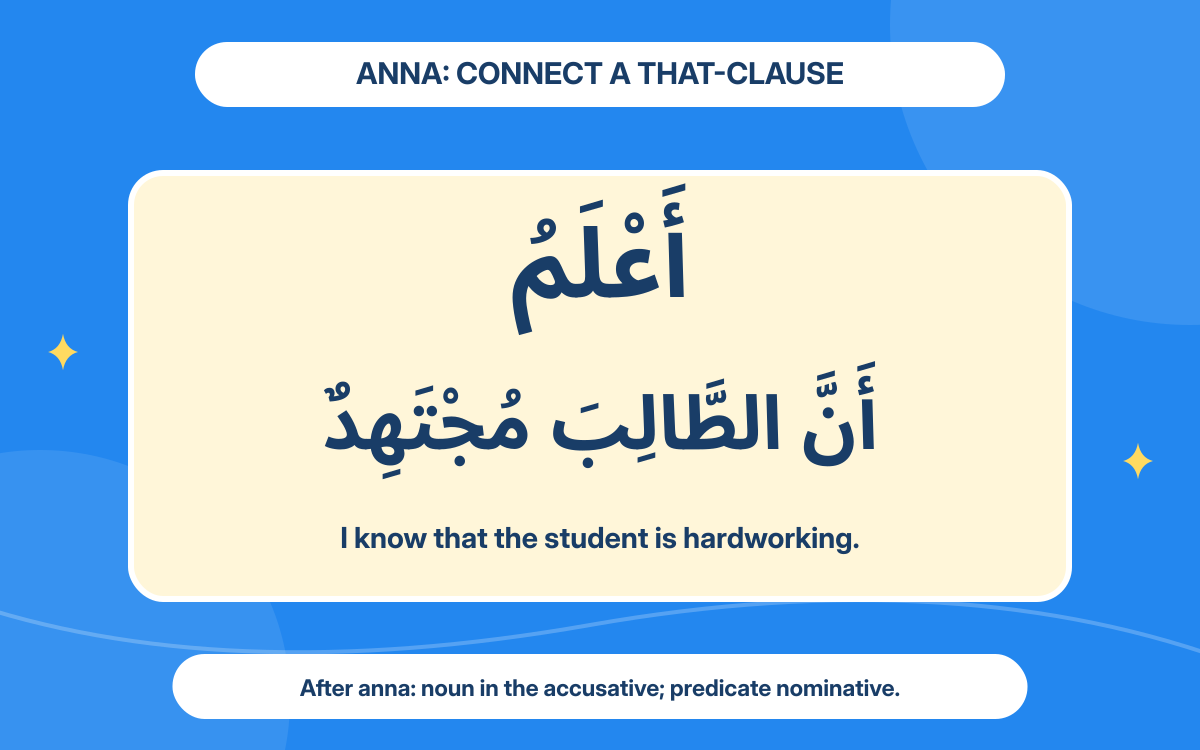
زُرْتُهُ لِأَشْرَحَ مَوْقِفِي
Read the purpose of the narrator’s visit separately from its eventual outcome.
Arabic Relative Pronouns: Joining Ideas with Alladhi and Allati
الْعَرَبَةَ الَّتِي بَقِيَتْ فِي مَخْزَنِي
Follow the feminine relative pronoun back to the trolley being returned.