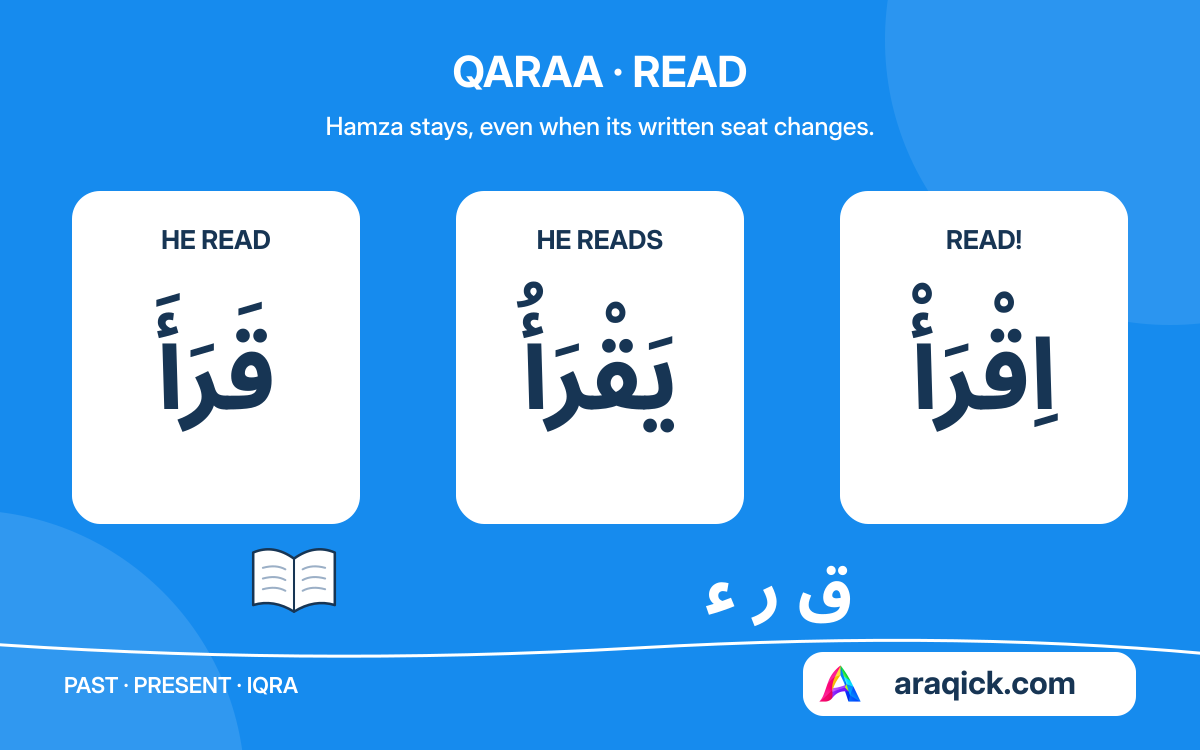
Qaraa means he read, yaqrau means he reads, and iqra is the command read to one man. Their root is ق ر ء. The final consonant is hamza, even when its written seat changes. Learn a few reading sentences first, then use the tables to follow that hamza through the other people.
01Say what was read
قَرَأَ قِصَّةً قَصِيرَةً
qaraa qissatan qasiratan
He read a short story.
Qissatan is the object of reading. Qasiratan describes it and matches its feminine, indefinite and accusative form. Qaraa describes the reading itself; it does not necessarily mean that the reader studied the story in depth.
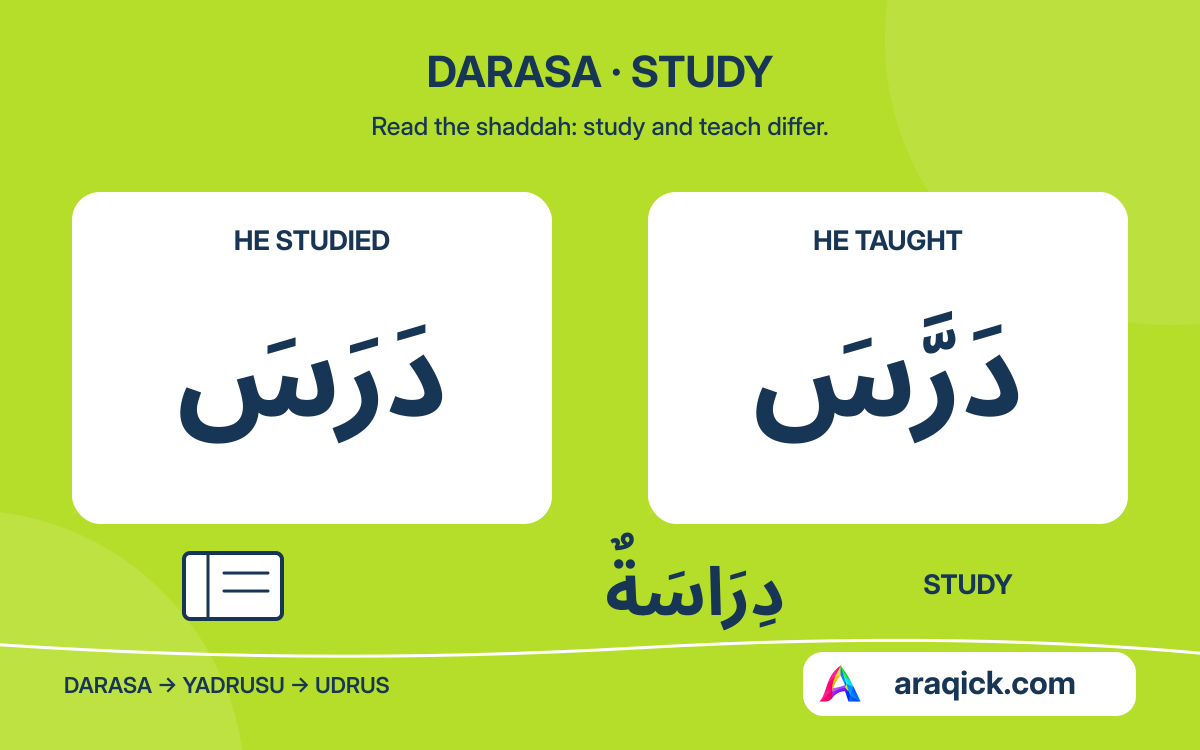
For studying a subject or material, compare darasa. Reading and studying can happen together, but the verbs do not make identical claims.
02Keep hamza before a past suffix
قَرَأْتُ الْعُنْوَانَ — قَرَأْنَا الْعُنْوَانَ
qaratu alunwana — qarana alunwana
I read the title — We read the title
Qaratu and qarana keep hamza, now with sukun before tu or na. The simple reading aids omit a special hamza sign; pronounce its consonant by following the Arabic.
The masculine dual past is قَرَآ, they two read. Its madda spelling represents hamza followed by long a. Hamza has not vanished from the root.
03Recognise different seats for the same hamza
أَقْرَأُ كُلَّ يَوْمٍ
aqrau kulla yawmin
I read every day.
The I form has an initial hamza for its person prefix and a final root hamza. For one woman, you read is تَقْرَئِينَ. For a male or mixed group, they read is يَقْرَؤُونَ.
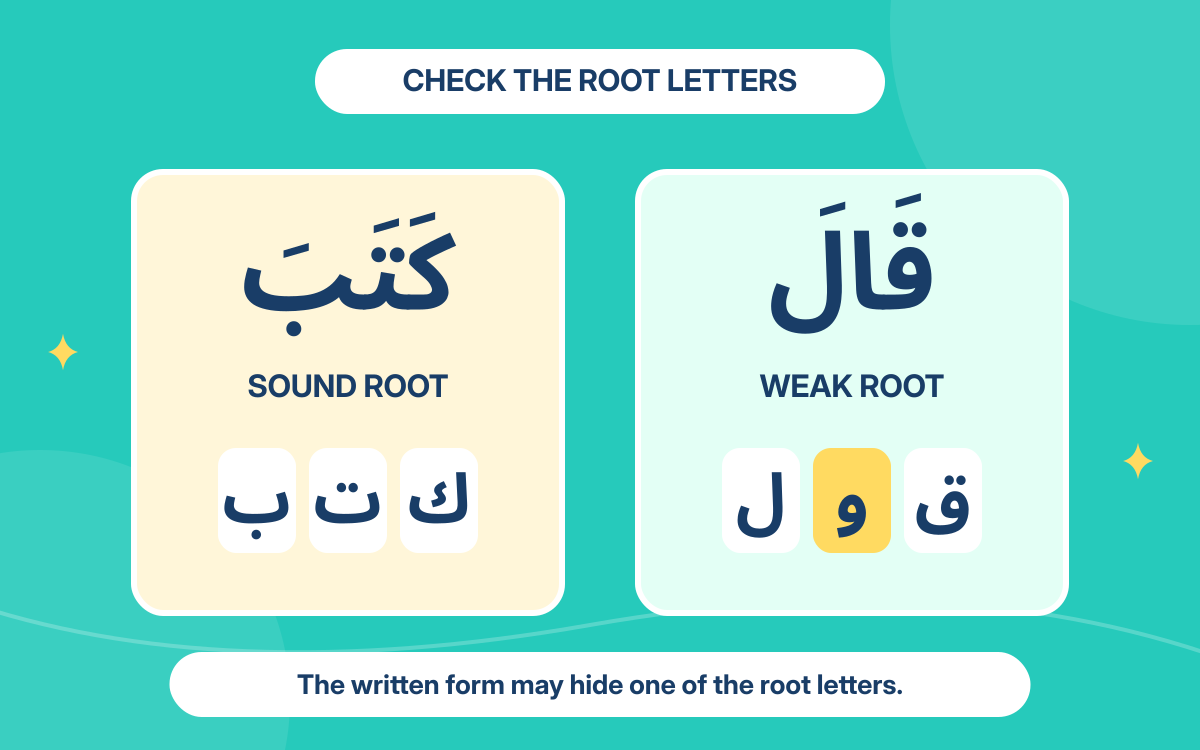
The seats in أ، ئ، ؤ change with the spelling environment. They do not turn this root into a weak-final ya or waw verb. Use the chart to learn the complete written forms.
04Use iqra as a command
اِقْرَأْ هَذَا الْعُنْوَانَ
iqra hadha alunwana
Read this title. — to one man
Iqra starts with a helping i when spoken on its own. Its final hamza takes sukun. Address one woman with اِقْرَئِي and a male or mixed group with اِقْرَؤُوا.
You may also meet the accepted group spelling اِقْرَأُوا. This guide uses the waw-seat version consistently; the alternative does not indicate a different verb or listener.
05Change the ending without deleting hamza
لَمْ أَقْرَأْ رِسَالَتَكَ
lam aqra risalataka
I did not read your message. — to one man
لَنْ أَقْرَأَ رِسَالَتَكَ
lan aqraa risalataka
I will not read your message. — to one man
Lam gives the final hamza sukun; lan gives it fathah. Hamza stays in both forms. It is a consonant, so the weak-final rule that deletes a final alif does not apply here.
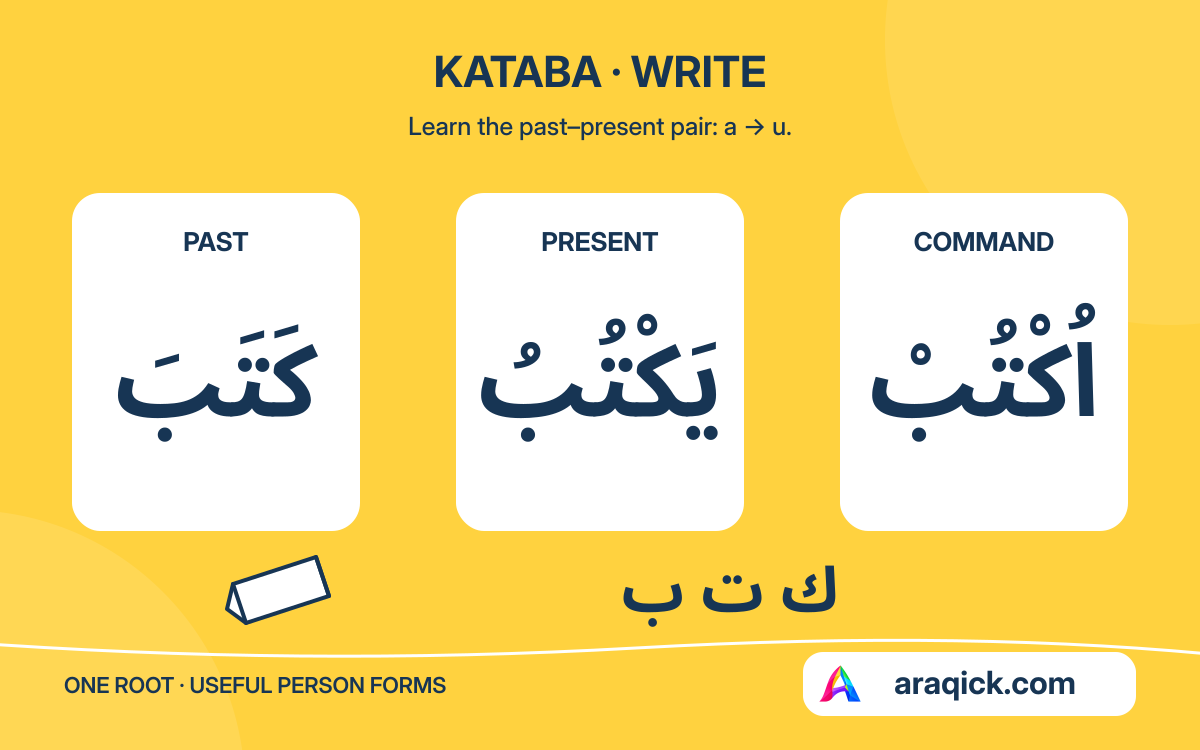
Review sound and weak verb families, command formation and lam to separate the spelling question from the mood rule.
What to remember
- Qaraa–yaqrau means read; its final root consonant is hamza.
- The seat of hamza can change across person forms without changing the root.
- Iqra is a command, and lam aqra keeps hamza with sukun in the jussive.
Your reference shelf
Open a guide whenever you need it.
Read: past and present formsPast and ordinary indicative present; use the lesson for other moods
| Person | Past | Present |
|---|---|---|
| He | قَرَأَ | يَقْرَأُ |
| They: two men | قَرَآ | يَقْرَآنِ |
| They: male or mixed group | قَرَأُوا | يَقْرَؤُونَ |
| She | قَرَأَتْ | تَقْرَأُ |
| They: two women | قَرَأَتَا | تَقْرَآنِ |
| They: female group | قَرَأْنَ | يَقْرَأْنَ |
| You: one man | قَرَأْتَ | تَقْرَأُ |
| You: two people | قَرَأْتُمَا | تَقْرَآنِ |
| You: male or mixed group | قَرَأْتُمْ | تَقْرَؤُونَ |
| You: one woman | قَرَأْتِ | تَقْرَئِينَ |
| You: female group | قَرَأْتُنَّ | تَقْرَأْنَ |
| I | قَرَأْتُ | أَقْرَأُ |
| We | قَرَأْنَا | نَقْرَأُ |
The dual you form serves two listeners of either gender. Shared spellings depend on context. The present column is indicative; do not use it unchanged after every mood particle.
Commands by listenerMatch the complete command to the listener
| Listener | Command |
|---|---|
| One man | اِقْرَأْ |
| One woman | اِقْرَئِي |
| Two people | اِقْرَآ |
| Male or mixed group | اِقْرَؤُوا |
| Female group | اِقْرَأْنَ |
Group hamza spellings vary: اِقْرَأُوا is also accepted for the command; يَقْرَأُونَ and تَقْرَأُونَ also occur for the indicative plurals. The chart chooses the waw-seat versions there, and قَرَأُوا in the past. These spelling alternatives retain the same grammatical meanings.
Sources & further learning
References for the language explanations and learning guidance.