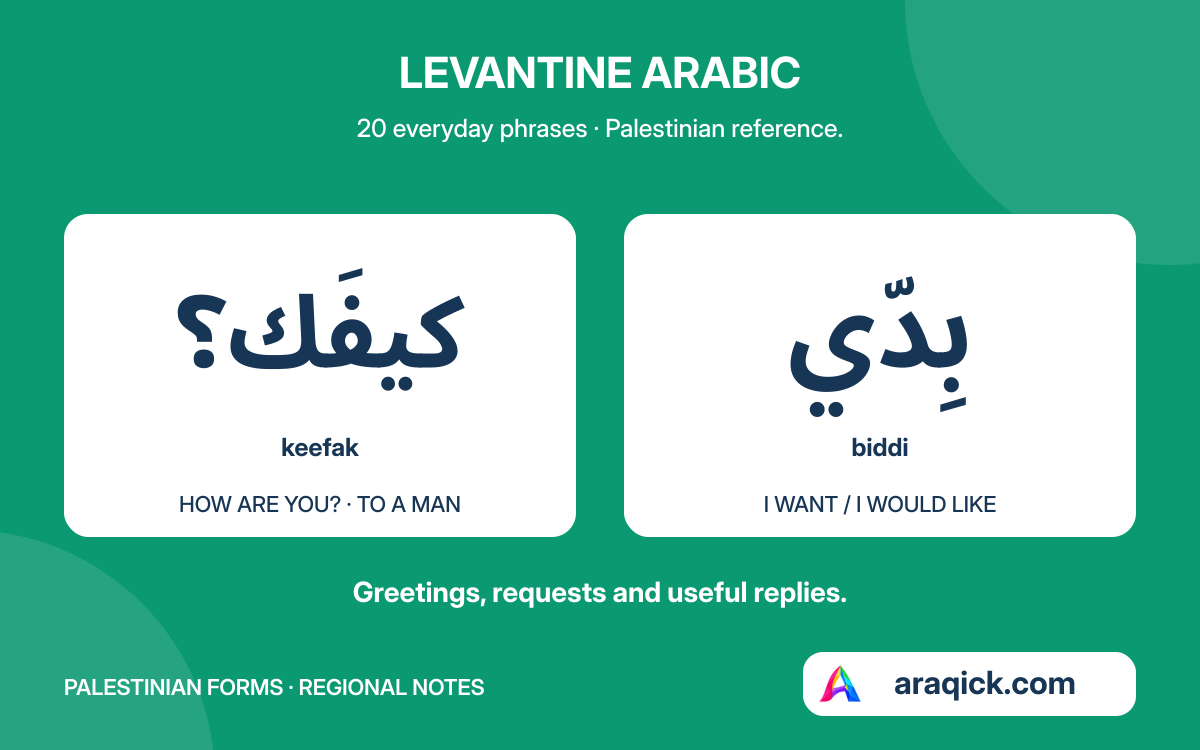
Useful Levantine Arabic phrases include مرحبا (marhaba, hello), كيفَك؟ (keefak, how are you? to a man), بدي (biddi, I want), and وين؟ (wein, where?). This lesson uses a Palestinian reference variety, with urban West Bank readings. Levantine speech also includes other regional forms; the chart is a starting set, not a universal accent.
01How do I start a Levantine exchange?
Palestinian Arabic · a simple greeting
A مرحبا
marhaba
Hello.
B أهلين
ahlein
Hello. (Reply.)
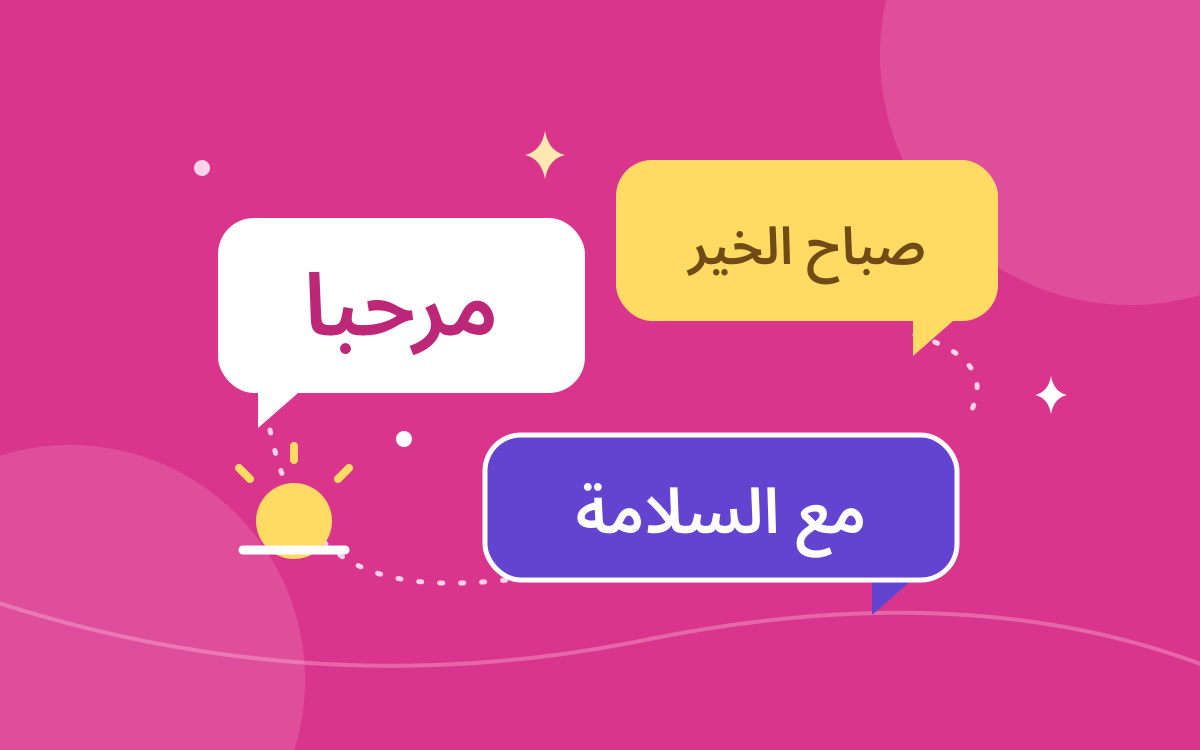
Marhaba and ahlein make a useful pair. For morning, learn sabah elkheir with sabah ennur. The phrases can be familiar across several regions, but rhythm and vowels differ between speakers.
02Does keefak change for a woman?
keefak
How are you?
keefik
How are you?
The ending follows the listener. For an answer about yourself, a man can say ana mnih and a woman ana mniha. Those adjective endings follow the speaker instead.
03How do I introduce myself?
Palestinian Arabic · speaking to Sami
A شو اسمك؟
shu ismak
What is your name?
B اسمي سامي
ismi Sami
My name is Sami.
Shu means what. To ask a woman, use shu ismik. Do not change ismi when the speaker changes gender: the expression still means my name. Add the actual name after it.
04How do I ask for water?
Palestinian Arabic · to a man
بدي مي، لو سمحت
biddi mayy law samaht
I would like water, please.
Biddi means I want or I would like for either a male or female speaker. Mayy is water. To a woman, the polite ending is law samahti. A short request can be polite through wording and tone without a long introduction.
05Which word asks where or how much?
wein elbab
Where is the door?
addeesh hada
How much is this?
The price example refers to a masculine item. The qaf in قديش is represented by a brief throat closure in the selected urban reading addeesh. Other Palestinian speakers use different pronunciations. Do not turn this example into a rule for every Levantine accent.
06What if I miss the meaning?
Palestinian Arabic
ما فهمت. شو يعني؟
ma fhemet. shu yani
I did not understand. What does it mean?
Ma fhemet reports a problem with understanding; shu yani asks for the meaning. A casual ah means yes, while la means no. Tamam can acknowledge that something is clear or acceptable, depending on the exchange.
07How do I keep the dialect consistent?
Practise one exchange with marhaba, keefak or keefik, and an answer. Next try the water request. Finish with maa essalame. Use the 20-entry chart to recall phrases by purpose rather than memorising a fixed English sequence.
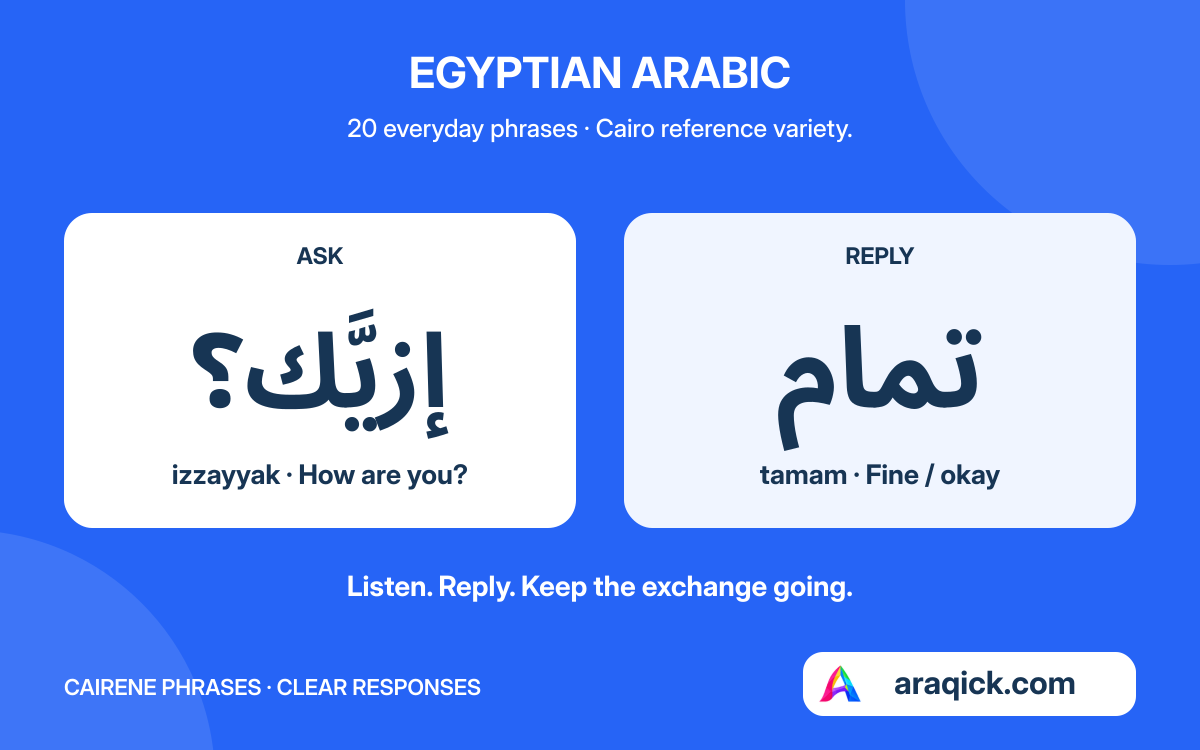
Read the MSA and dialect guide before comparing these forms with formal Arabic. The Egyptian lesson is a separate reference variety; biddi and Egyptian ayiz are not interchangeable within one model dialogue.
What to remember
- Keefak/keefik follows the listener; mnih/mniha follows the speaker.
- Biddi works for I want; wein asks where.
- Levantine Arabic contains regional variation, including different qaf pronunciations.
Your reference shelf
Open a guide whenever you need it.
20 Palestinian Arabic phrasesGender alternatives stay together in a single entry.
| Use / meaning | Arabic | Plain reading |
|---|---|---|
| Hello | مرحبا | marhaba |
| Hello · a reply | أهلين | ahlein |
| Good morning | صباح الخير | sabah elkheir |
| Morning reply | صباح النور | sabah ennur |
| How are you? · to a man / woman | كيفَك؟ / كيفِك؟ | keefak / keefik |
| I am well · male / female speaker | أنا منيح / أنا منيحة | ana mnih / ana mniha |
| What is your name? · to a man / woman | شو اسمك؟ | shu ismak / shu ismik |
| My name is Sami | اسمي سامي | ismi Sami |
| Please · to a man / woman | لو سمحت / لو سمحتي | law samaht / law samahti |
| Thank you | شكراً | shukran |
| You are welcome | العفو | elafw |
| Yes · casual | آه | ah |
| No | لا | la |
| Okay / all right | تمام | tamam |
| I would like water | بدي مي | biddi mayy |
| Where is the door? | وين الباب؟ | wein elbab |
| How much is this? · masculine item | قديش هادا؟ | addeesh hada |
| I did not understand | ما فهمت | ma fhemet |
| What does it mean? | شو يعني؟ | shu yani |
| Goodbye | مع السلامة | maa essalame |
The reading addeesh is one urban Palestinian pronunciation of قديش. Spellings such as هادا and هذا both occur in informal writing.
Sources & further learning
References for the language explanations and learning guidance.