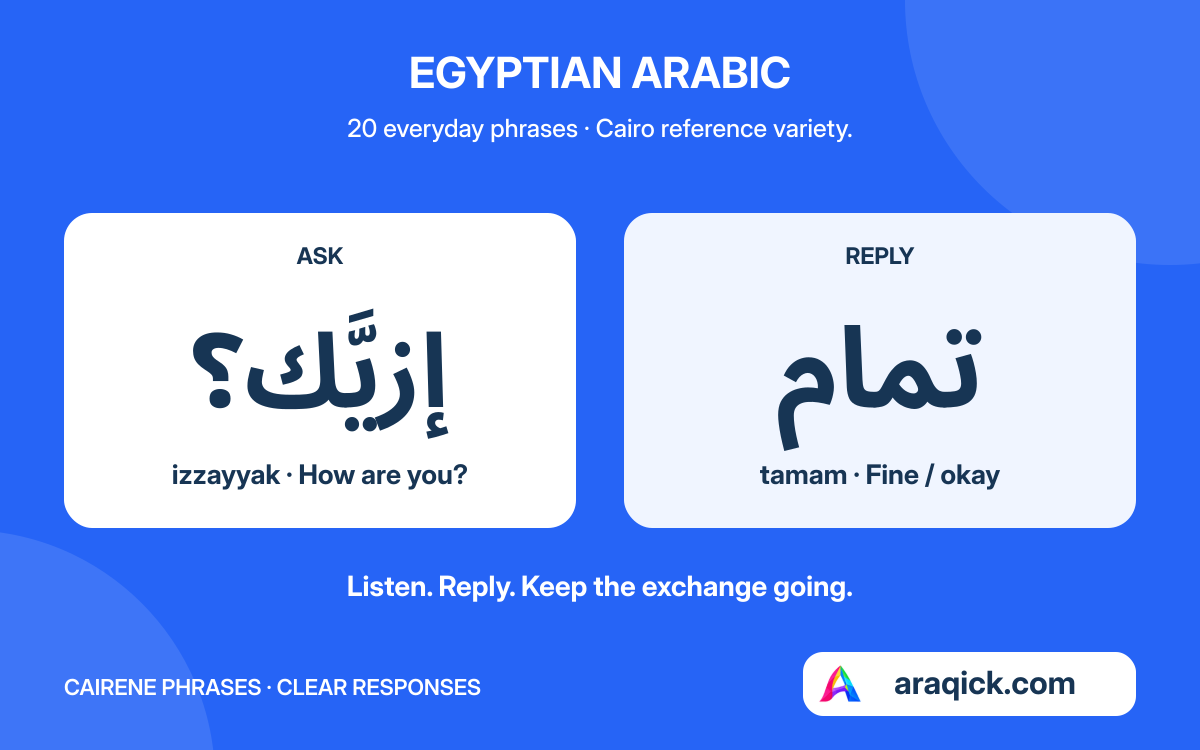
Start Egyptian Arabic with أهلاً (ahlan, hello), إزيَّك؟ (izzayyak, how are you? to a man), شكراً (shukran, thank you), and مش فاهم (mish fahem, I do not understand, said by a man). This lesson uses common Cairo speech. The 20-phrase chart includes women’s forms where they differ.
01Which greeting should I learn first?
Cairene Egyptian · a morning exchange
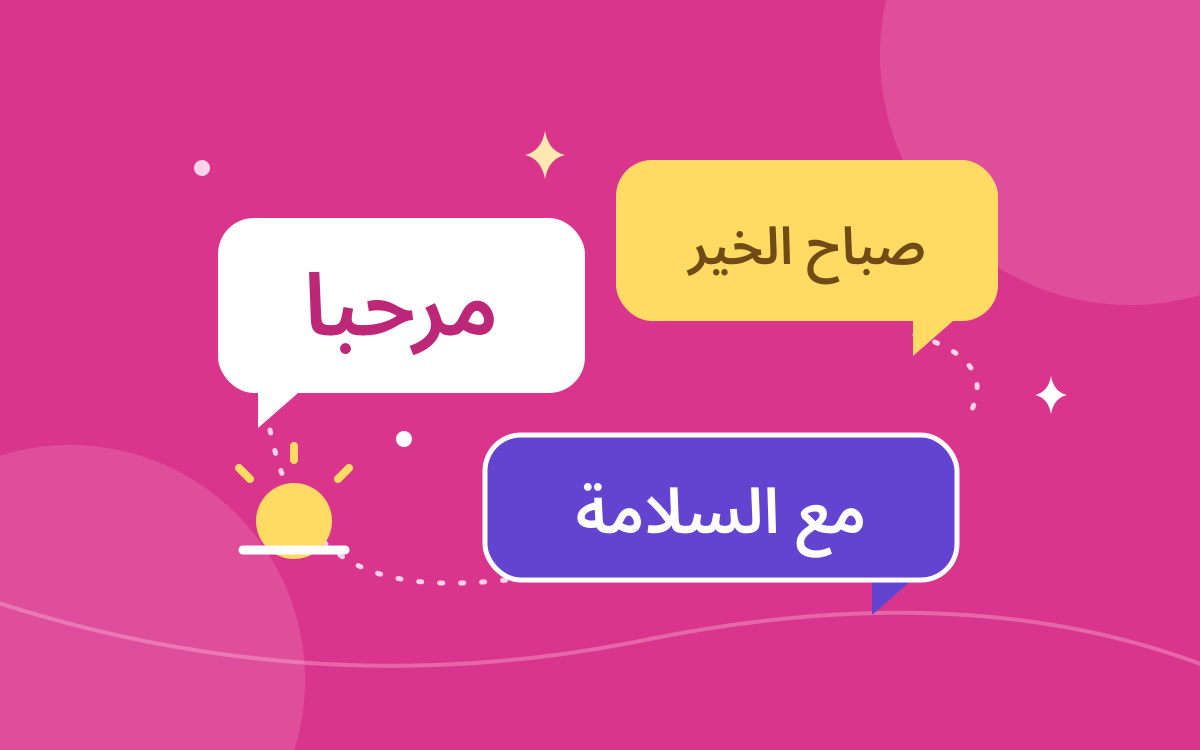
A صباح الخير
sabah elkheir
Good morning.
B صباح النور
sabah ennur
Good morning. (Reply.)
Ahlan works as a general hello. Learn a greeting together with a reply so you can take either turn. Some expressions are shared across Arabic varieties; that does not make an entire conversation MSA.
02How do I ask a man or a woman?
izzayyak
How are you?
izzayyik
How are you?
Choose the ending for the person you address. Your own gender does not choose it. Without the small vowel marks, these spellings can look identical. The reading aids keep the distinction visible.
03How do I answer about myself?
Cairene Egyptian · female speaker
أنا كويسة، شكراً
ana kwayyisa shukran
I am well, thank you.
A man says ana kwayyis. Here the adjective describes the speaker. Compare that with izzayyak and izzayyik, which depend on the listener. Tamam is another short response meaning fine or okay.
04How do I ask for a name?
Cairene Egyptian · speaking to Layla
A اسمك إيه؟
ismik eh
What is your name?
B اسمي ليلى
ismi Layla
My name is Layla.
Ismak is the form addressed to a man; ismik addresses a woman. Ismi means my name. Eh supplies “what” in this question. Keep the whole question as a usable phrase.
05How do I make a small request?
Cairene Egyptian · to a man
لو سمحت، الباب فين؟
law samaht elbab fein
Excuse me, where is the door?
To a woman, begin law samahti. Fein asks where; bikam asks the price. ده بكام؟ (da bikam) means “How much is this?” for a masculine item. Thank the person with shukran; elafw can answer the thanks.
06What can I say when I do not understand?
Cairene Egyptian · female learner to a man
Learner مش فاهمة. ممكن تعيد؟
mish fahma. mumkin tiid
I do not understand. Can you repeat?
Partner أيوه
aywa
Yes.
A male learner uses mish fahem. To ask a woman to repeat, use mumkin tiidi. يعني إيه؟ (yani eh) asks what something means. These questions do different jobs: repetition gives you the words again; explanation gives their meaning.
07How should I practise the 20 phrases?
Choose a greeting, a question, and a goodbye from the chart. Say both sides, then cover one response. Add another phrase only when you can recall the first exchange. Arabic spelling and local pronunciation vary; the plain reading aids are approximations.
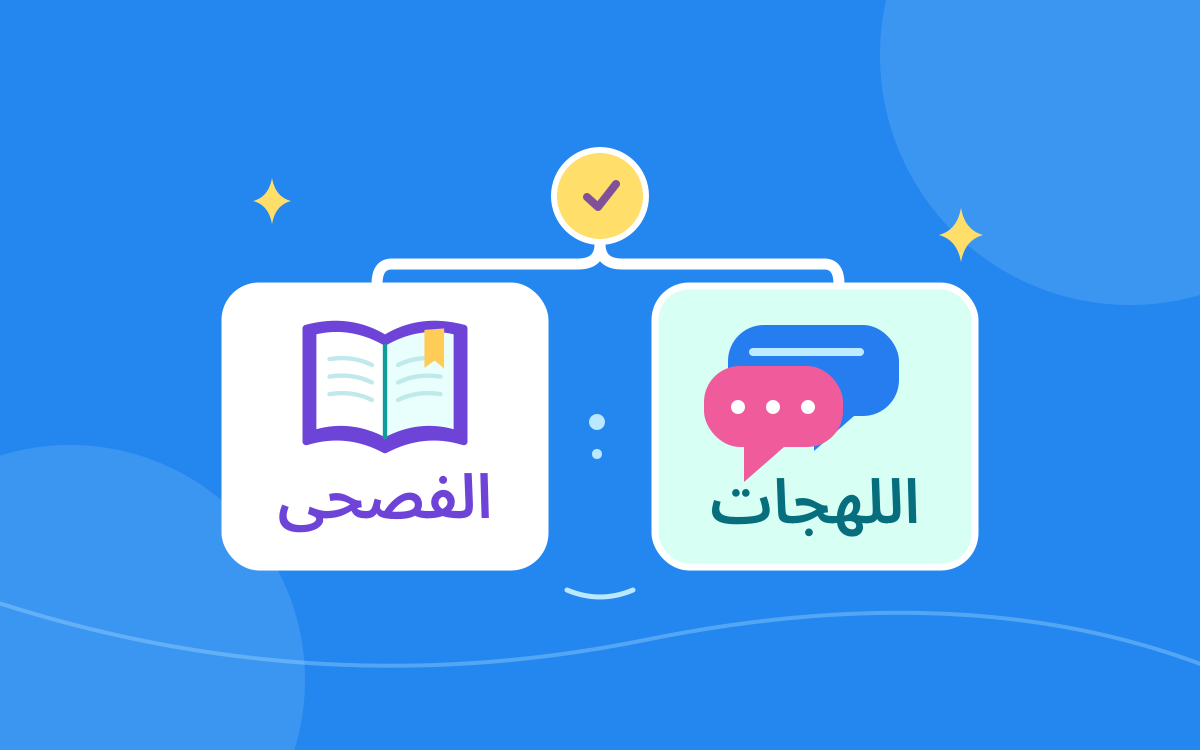
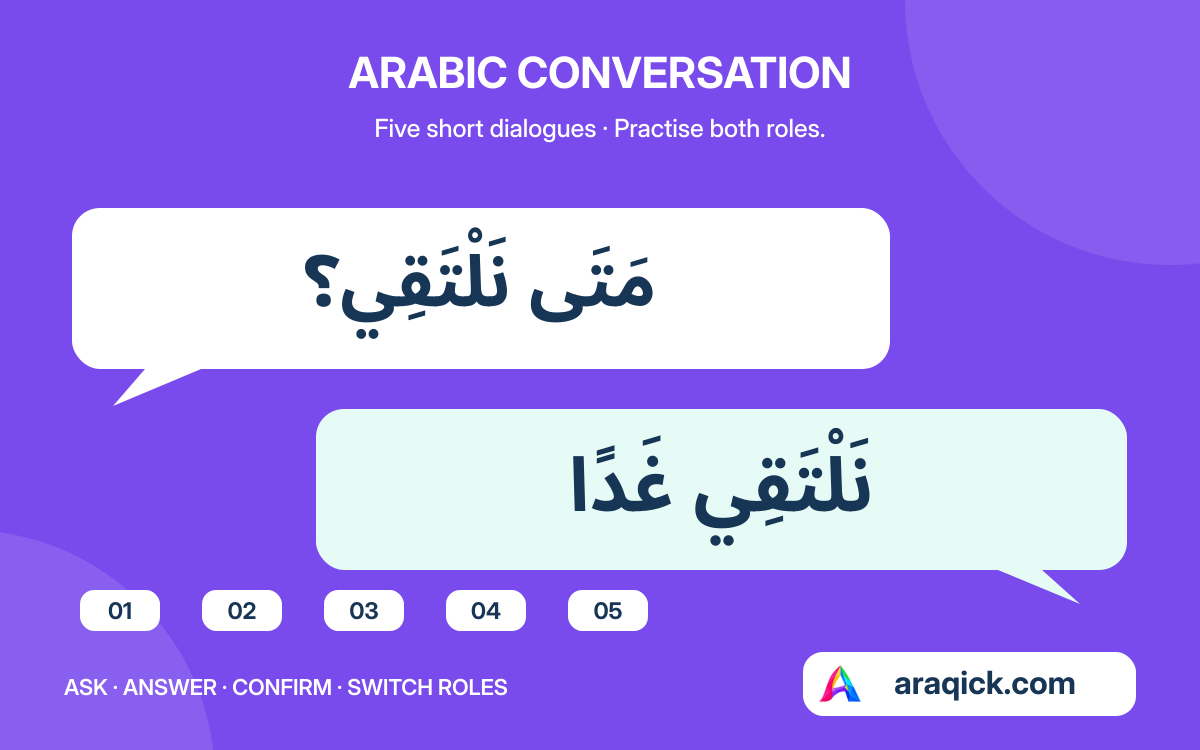
Use MSA versus dialects for the register distinction and five conversation tasks for a separate MSA practice lesson. Keep each practice round in its stated variety.
What to remember
- Use izzayyak or izzayyik for the listener.
- Use kwayyis/kwayyisa and fahem/fahma for the speaker.
- Fein asks where; bikam asks price; yani eh asks meaning.
Your reference shelf
Open a guide whenever you need it.
20 Cairene Egyptian phrasesPaired gender forms count as one phrase entry.
| Use / meaning | Arabic | Plain reading |
|---|---|---|
| Hello | أهلاً | ahlan |
| Good morning | صباح الخير | sabah elkheir |
| Morning reply | صباح النور | sabah ennur |
| How are you? · to a man / woman | إزيَّك؟ / إزيِّك؟ | izzayyak / izzayyik |
| I am well · male / female speaker | أنا كويس / أنا كويسة | ana kwayyis / ana kwayyisa |
| What is your name? · to a man / woman | اسمك إيه؟ | ismak eh / ismik eh |
| My name is Layla | اسمي ليلى | ismi Layla |
| Please / excuse me · to a man / woman | لو سمحت / لو سمحتي | law samaht / law samahti |
| Thank you | شكراً | shukran |
| You are welcome | العفو | elafw |
| I am sorry · male / female speaker | أنا آسف / أنا آسفة | ana asif / ana asfa |
| Yes | أيوه | aywa |
| No | لأ | la |
| Fine / okay | تمام | tamam |
| I do not understand · male / female speaker | مش فاهم / مش فاهمة | mish fahem / mish fahma |
| Can you repeat? · to a man / woman | ممكن تعيد؟ / ممكن تعيدي؟ | mumkin tiid / mumkin tiidi |
| What does it mean? | يعني إيه؟ | yani eh |
| Where is the door? | الباب فين؟ | elbab fein |
| How much is this? · masculine item | ده بكام؟ | da bikam |
| Goodbye | مع السلامة | maa essalama |
These are common Cairo learning forms, not a claim that every Egyptian speaks identically. Plain readings omit technical phonetic symbols.
Sources & further learning
References for the language explanations and learning guidance.