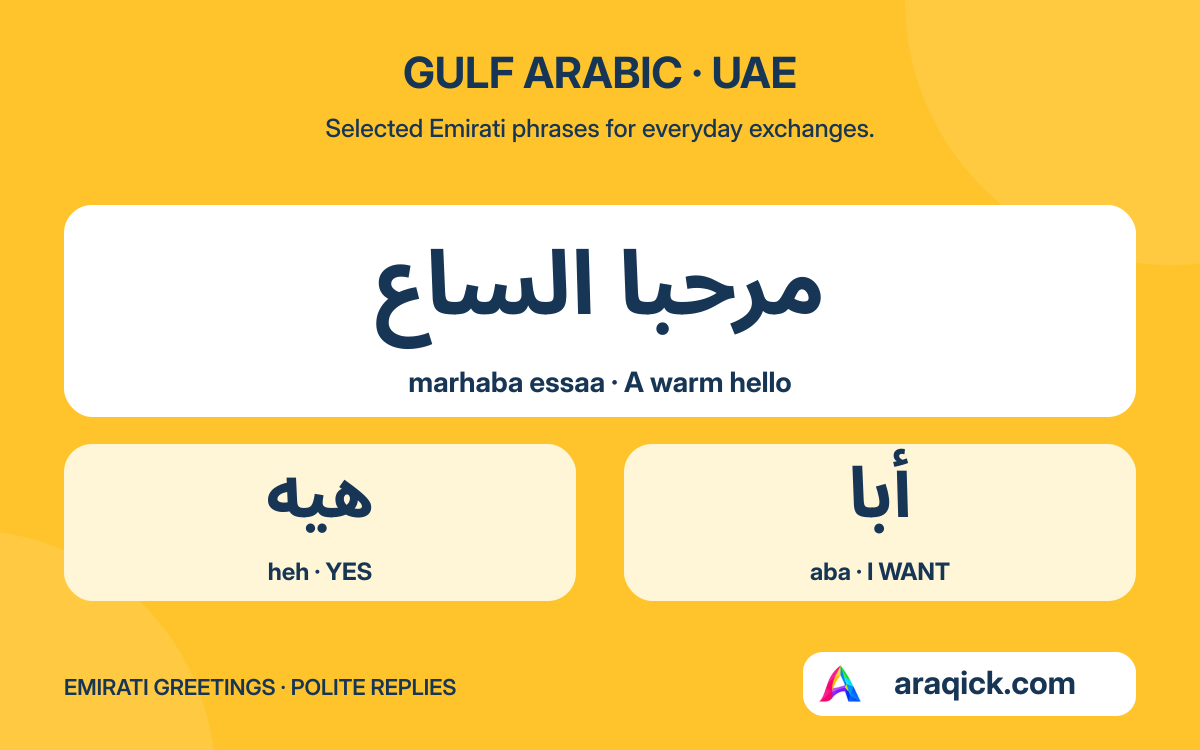
Useful UAE examples of Gulf Arabic include مرحبا الساع (marhaba essaa, a warm hello), اشحالك؟ (eshhalak, how are you? to a man), هيه (heh, yes), and أبا (aba, I want). These are selected Emirati learning forms. Gulf Arabic includes several regional varieties; a phrase heard in the UAE is not automatically the preferred form in Kuwait, Qatar, or Saudi Arabia.
01Which greeting sounds Emirati?
Selected Emirati forms · greeting and reply
A مرحبا الساع
marhaba essaa
Hello!
B مرحبا
marhaba
Hello!
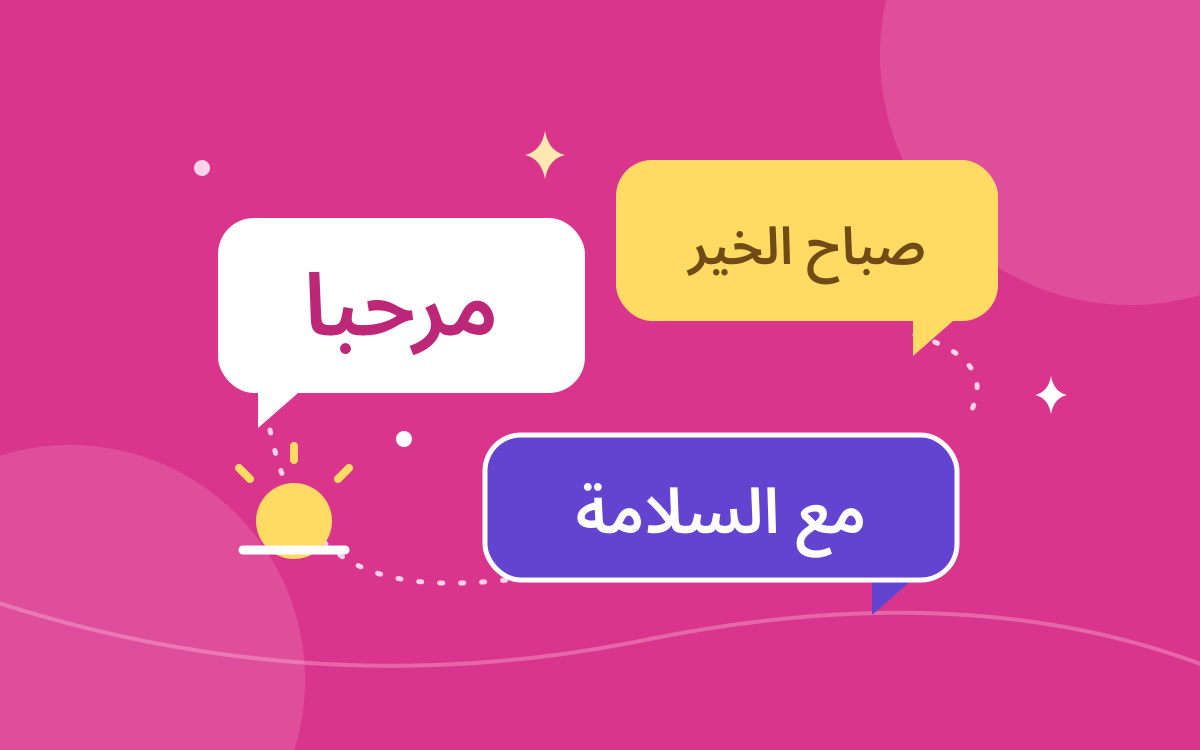
Learn marhaba essaa as a greeting formula. You do not need to translate its parts literally to greet someone. Morning greetings use sabah elkhair and the reply sabah ennur.
02How do the listener forms differ?
eshhalak
How are you?
eshhalach
How are you?
Here ch represents the sound at the end of the female listener form. Informal spellings may use ج or other conventions to represent it. The chart shows one Emirati model, not a rule that every Arabic ج sounds like ch.
03How can I answer the greeting?
Selected Emirati usage
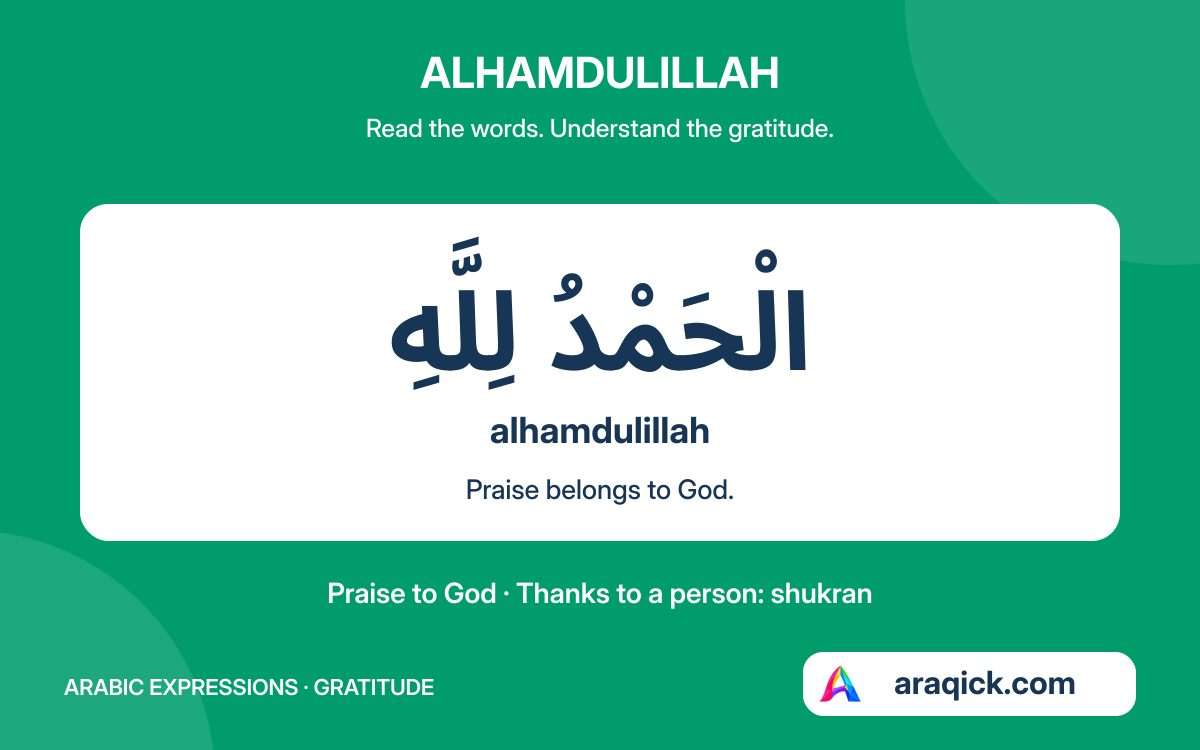
الحمد لله بخير
elhamdillah bkhair
Fine, thank God.
Bkhair means well. The full reply includes a religious expression of thanks; use it with awareness of its meaning. هيه (heh) is yes and لا (la) is no in this set. They answer a yes/no question rather than replacing every greeting response.
04Does mashkur describe me or the listener?
mashkur
Thank you.
mashkura
Thank you.
Mashkur and mashkura refer to the person being thanked. Choose the form for the listener, even when the speaker is a different gender. Shukran is a general alternative; afwan can answer thanks.
05How do I say I want or do not want?
aba galam
I want a pen.
ma aba galam
I do not want a pen.
Aba is an Emirati first-person want form. Ma makes this example negative. Galam represents a local pronunciation of قلم; formal MSA uses qalam. These readings do not change the Arabic letter into a different letter.
06How do I handle a small interruption?
Selected Emirati forms · a small apology
A السموحة
essamuha
Sorry / excuse me.
B ما عليه
ma alaih
It is all right.
The situation supplies the exact force of the first phrase. An interruption and an apology can use similar polite language. These short forms help with a small everyday exchange; tone still matters.
07How do I build a short introduction?
Selected Emirati usage
اسمي نورة. أعرف عربي اشوي
ismi Nura. aaref arabi eshway
My name is Nura. I know a little Arabic.
Finish with maa essalama, goodbye. The reference shelf gathers 18 entries, including paired listener forms. Read MSA versus dialects to keep formal and local examples distinct, and Arabic greetings for a broader introduction.
What to remember
- Learn greetings together with their replies.
- Mashkur/mashkura refers to the person you thank.
- Aba and ma aba mean I want and I do not want in the selected Emirati model.
Your reference shelf
Open a guide whenever you need it.
18 selected Emirati entriesPractical phrases, listener forms, and short replies.
| Use / meaning | Arabic | Plain reading |
|---|---|---|
| Hello | مرحبا | marhaba |
| A warm Emirati greeting | مرحبا الساع | marhaba essaa |
| Good morning | صباح الخير | sabah elkhair |
| Morning reply | صباح النور | sabah ennur |
| How are you? · to a man / woman | اشحالك؟ / اشحالج؟ | eshhalak / eshhalach |
| Fine, thank God | الحمد لله بخير | elhamdillah bkhair |
| Thank you · to a man / woman | مشكور / مشكورة | mashkur / mashkura |
| Thank you · general | شكراً | shukran |
| You are welcome | عفواً | afwan |
| Sorry / excuse me | السموحة | essamuha |
| It is all right | ما عليه | ma alaih |
| Yes | هيه | heh |
| No | لا | la |
| I want a pen | أبا قلم | aba galam |
| I do not want a pen | ما أبا قلم | ma aba galam |
| My name is Nura | اسمي نورة | ismi Nura |
| I know a little Arabic | أعرف عربي اشوي | aaref arabi eshway |
| Goodbye | مع السلامة | maa essalama |
Pronunciation and spelling vary within the UAE. These examples do not flatten all Gulf varieties into one accent.
Sources & further learning
References for the language explanations and learning guidance.