Lan makes an action negative with future reference. It also changes the imperfect verb to the subjunctive. Learn the whole pattern so that “I will not write” has the right particle, stem and ending, then extend it to other people.
01Talk about what will not happen
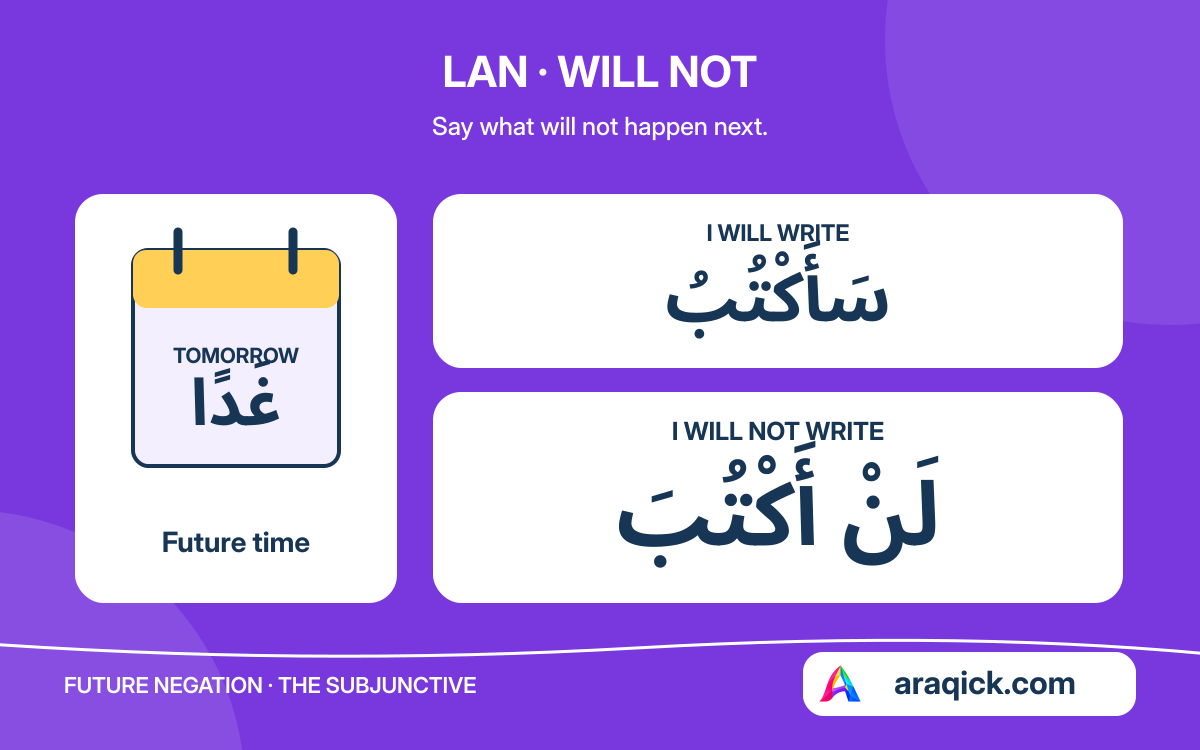
لَنْ أَكْتُبَ رِسَالَةً غَدًا
lan aktuba risalatan ghadan
I will not write a letter tomorrow.
Lan, لَنْ, puts the denial in the future. Aktuba identifies I, risalatan is a letter, and ghadan means tomorrow. The time word makes the intended occasion explicit.
Lan does not automatically mean never. The example concerns tomorrow; a broader promise would need suitable wording and context.
02Read the subjunctive ending
أَكْتُبُ → لَنْ أَكْتُبَ
aktubu → lan aktuba
I write → I will not write
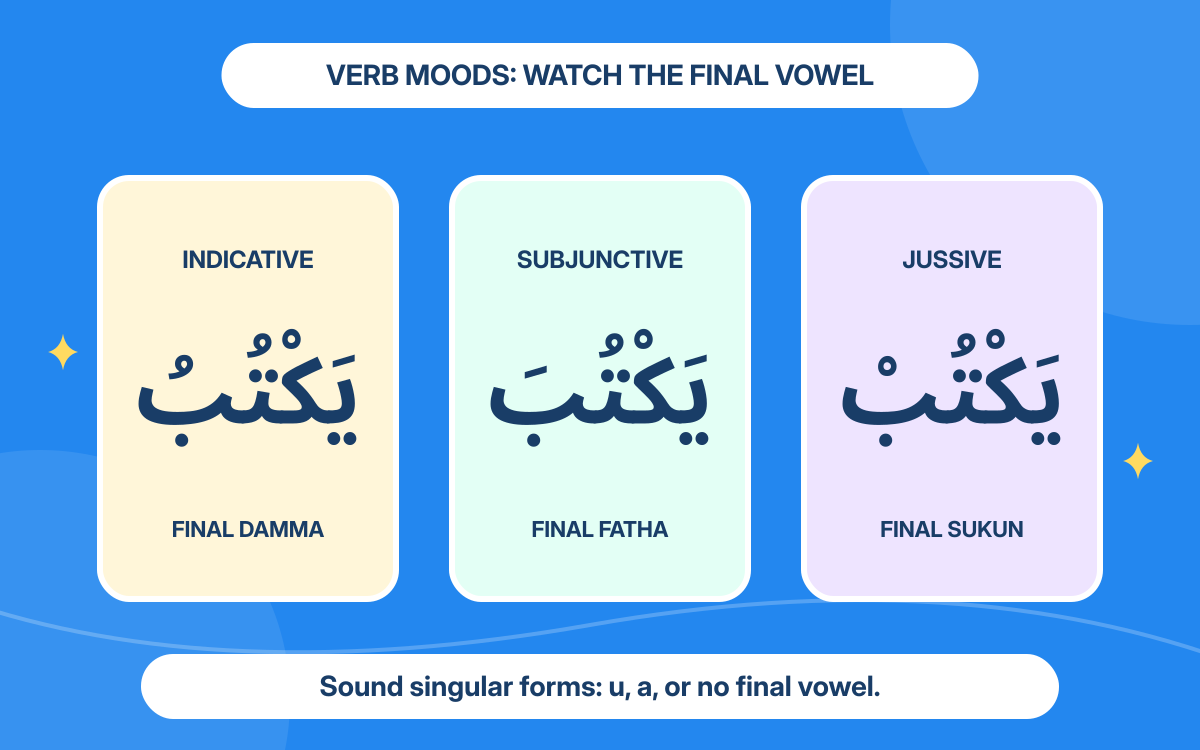
The final b changes from dammah to fathah. The new form is subjunctive, مَنْصُوبٌ. Its initial a and writing stem stay the same.
Mansub describes a verb mood here. It does not make the verb a noun or a direct object. Compare the verb’s ending with risalatan, whose accusative ending belongs to a separate noun.
03Replace the affirmative future pattern
سَأَكْتُبُ غَدًا → لَنْ أَكْتُبَ غَدًا
saaktubu ghadan → lan aktuba ghadan
I will write tomorrow → I will not write tomorrow
For this standard negative pattern, use lan followed directly by the subjunctive verb. The affirmative sa prefix is removed. Do not build lan saaktubu by piling the two patterns together.
The same conversion works for we: سَنَكْتُبُ becomes لَنْ نَكْتُبَ. Keep the person prefix n while changing the future construction.
04Recognise the group endings
هُمْ لَنْ يَكْتُبُوا رِسَالَةً
hum lan yaktubu risalatan
They will not write a letter. — a male or mixed group
Yaktubuna loses its indicative nun after lan. The group waw stays, followed by a silent alif when it ends the word. For one female listener, taktubina becomes لَنْ تَكْتُبِي.
The female group’s subject nun is different: هُنَّ لَنْ يَكْتُبْنَ means they will not write, referring to women. That nun stays.
05Check the time and the mood together
لَمْ أَكْتُبْ — لَنْ أَكْتُبَ
lam aktub — lan aktuba
I did not write — I will not write
Lam looks back and requires the jussive; lan looks ahead and requires the subjunctive. In this regular singular pair, sukun and fathah make the contrast visible.
The five verbs lose nun in both moods, so their spelling alone cannot tell you which particle was used. Read the construction. Review past negation with lam and affirmative future sentences together. The simple reading aids do not mark every Arabic sound or long vowel.
What to remember
- Lan expresses will not and requires a subjunctive imperfect.
- Regular sound-final forms use fathah; the five verbs lose their mood nun.
- Lan does not automatically mean never, and it replaces the affirmative sa construction in these models.
Your reference shelf
Open a guide whenever you need it.
Present, future and future negativeKeep the particle and verb form together
| Person | Present | Will write | Will not write |
|---|---|---|---|
| I | أَكْتُبُ | سَأَكْتُبُ | لَنْ أَكْتُبَ |
| We | نَكْتُبُ | سَنَكْتُبُ | لَنْ نَكْتُبَ |
| He | يَكْتُبُ | سَيَكْتُبُ | لَنْ يَكْتُبَ |
| You: one woman | تَكْتُبِينَ | سَتَكْتُبِينَ | لَنْ تَكْتُبِي |
| They: male or mixed group | يَكْتُبُونَ | سَيَكْتُبُونَ | لَنْ يَكْتُبُوا |
| They: female group | يَكْتُبْنَ | سَيَكْتُبْنَ | لَنْ يَكْتُبْنَ |
The feminine plural verb remains fixed and occupies a subjunctive position after lan. Weak-final forms can have estimated rather than visible mood vowels; the linked weak-final guide treats those separately.
Sources & further learning
References for the language explanations and learning guidance.