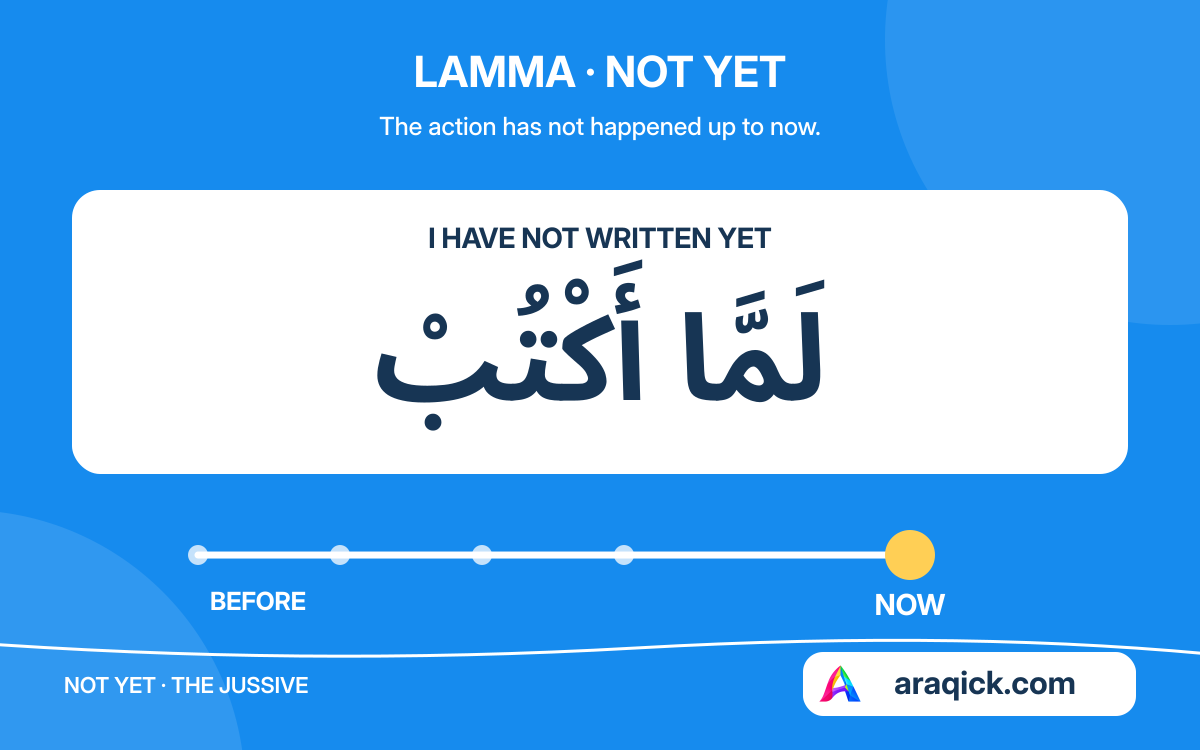
An unfinished task is different from an action that simply did not happen yesterday. Negative lamma says that something has not happened up to the point being discussed. It takes a jussive imperfect verb, just like lam, but adds the useful sense of not yet.
01Describe an action still not done
لَمَّا أَكْتُبْ رِسَالَةً
lamma aktub risalatan
I have not written a letter yet.
The writing has not happened up to now in this example. Lamma, لَمَّا, already conveys not yet; an extra word for yet is unnecessary. The speaker may expect to write later, but the sentence does not promise that it will happen.
Risalatan is the object of writing. Its accusative ending stays even though the action is denied.
02Use an imperfect stem with a jussive ending
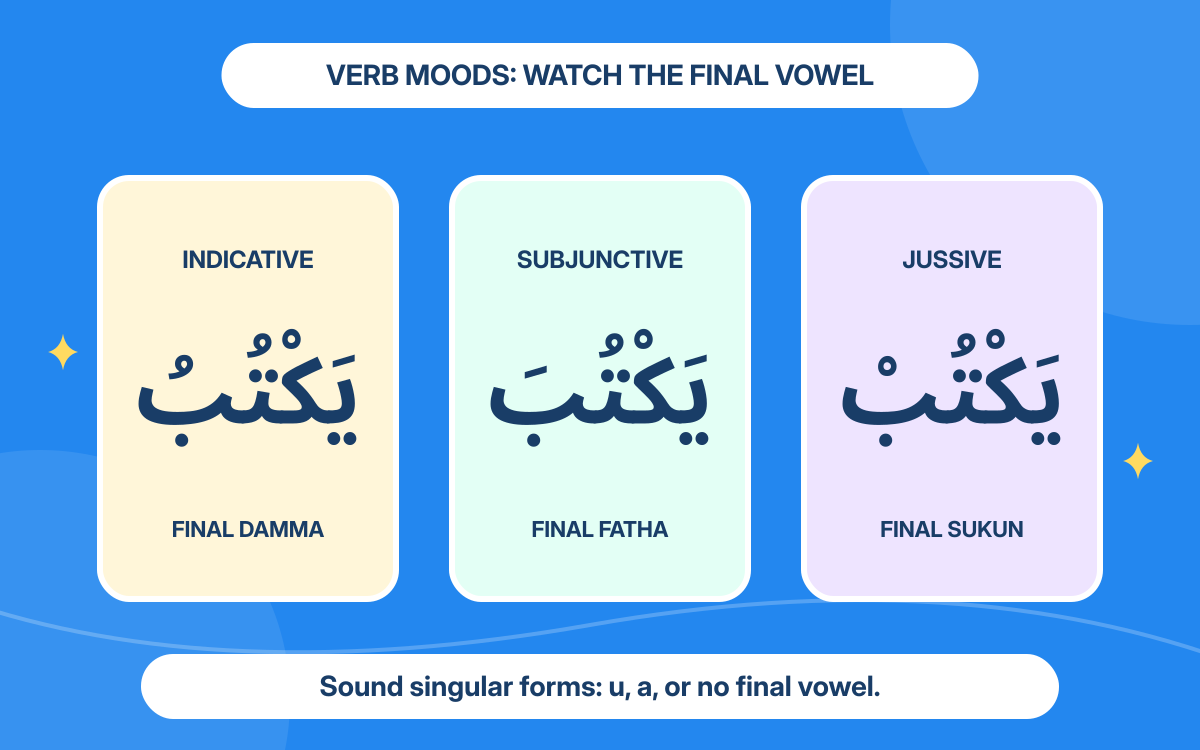
أَكْتُبُ → لَمَّا أَكْتُبْ
aktubu → lamma aktub
I write → I have not written yet
The final b changes from dammah to sukun. The initial a still points to I. This is a jussive imperfect form, not the past form katabtu.
Do not combine negative lamma with katabtu to make this meaning. Choose the imperfect person form first, then apply the jussive rule. Other verb families can show the mood through a different change.
03Change the person without losing not yet
لَمَّا نَكْتُبْ رِسَالَةً
lamma naktub risalatan
We have not written a letter yet.
هُمْ لَمَّا يَكْتُبُوا رِسَالَةً
hum lamma yaktubu risalatan
They have not written a letter yet. — a male or mixed group
Naktub uses the we prefix. In the group form, yaktubuna loses its indicative nun. The group waw stays, with a silent alif after it at the end of the word. A female group keeps its subject nun: لَمَّا يَكْتُبْنَ.
04Compare not yet with a past denial
لَمْ أَكْتُبْ رِسَالَةً أَمْسِ
lam aktub risalatan amsi
I did not write a letter yesterday.
Lam can deny an action in a completed past period. Lamma keeps the absence of the action relevant up to the reference point. Both particles require the jussive, so aktub has the same ending in both patterns.
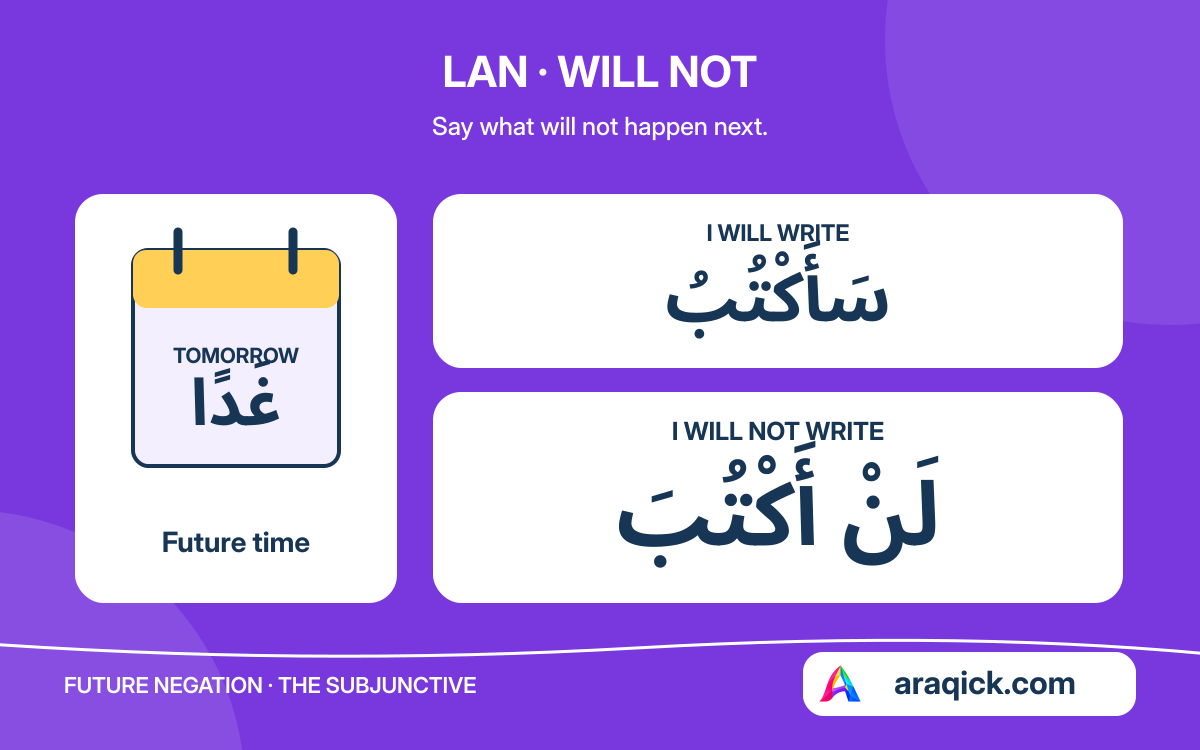
The meaning comes from the whole construction, not only its final vowel. Review lam for did not and lan for will not to keep the time contrasts clear.
05Recognise the separate when construction
لَمَّا وَصَلْتُ، جَلَسْتُ
lamma wasaltu jalastu
When I arrived, I sat down.
Here lamma introduces a past event and means when. It is not the negative particle taught above. Wasaltu and jalastu are past verbs; the sentence affirms both events.
Compare the grammar after lamma before choosing a translation: negative lamma plus a jussive imperfect gives not yet; this time clause uses a past verb. Plain reading aids simplify Arabic sounds and vowel length; use the vowelled forms to check the endings.
What to remember
- Negative lamma means not yet and takes a jussive imperfect.
- Regular singular forms take sukun; the five verbs lose mood nun.
- Lamma before a past event can mean when, so check the construction.
Your reference shelf
Open a guide whenever you need it.
Not yet across useful person formsCompare the indicative with its jussive counterpart
| Person | Indicative | Not yet |
|---|---|---|
| I | أَكْتُبُ | لَمَّا أَكْتُبْ |
| We | نَكْتُبُ | لَمَّا نَكْتُبْ |
| He | يَكْتُبُ | لَمَّا يَكْتُبْ |
| You: one woman | تَكْتُبِينَ | لَمَّا تَكْتُبِي |
| They: two men | يَكْتُبَانِ | لَمَّا يَكْتُبَا |
| They: male or mixed group | يَكْتُبُونَ | لَمَّا يَكْتُبُوا |
| They: female group | يَكْتُبْنَ | لَمَّا يَكْتُبْنَ |
The female-group form is fixed and occupies a jussive position. Hollow and weak-final verbs require their own stem changes; this chart deliberately uses a regular verb.
Sources & further learning
References for the language explanations and learning guidance.